
How to Mix Coastal With Farmhouse Decor Style
You love the relaxed, airy feel of coastal homes. But at the same time, you also like the warm, cozy comfort of farmhouse style.
The problem starts when you try to bring both into one space. Instead of a beautiful blend, things can quickly feel mixed up, unclear, or just “not right.”
Maybe you’ve already tried adding a few beach-style pieces with rustic wood furniture, but the room still doesn’t look like those Pinterest photos you saved.
Or maybe your space feels stuck somewhere in between, too plain to be coastal, but too heavy to be farmhouse.
This is where most people get confused. The issue is not your taste. It’s that there are no clear rules for how these two styles actually work together in a real home.
In this article, you’ll learn how to mix coastal and farmhouse in a simple, balanced way that actually makes sense.
Let’s jump in!
How Can I mix Coastal & Farmhouse Style Without Buying All New Furniture?
You don’t need to start from scratch or spend a lot of money to make coastal and farmhouse work together.
The key is to adjust what you already have instead of replacing it. Start by looking at your existing furniture and decide which style it leans toward.
If your space already has farmhouse elements like wooden tables, shelves, or rustic finishes, you can soften the look by adding coastal touches.
Use light fabrics like linen or cotton for cushions and curtains, and bring in soft colors like white, beige, or muted blue through small decor pieces.
If your room already feels more coastal with light colors and simple furniture, then add a bit of farmhouse warmth.
You can do this with small changes like adding a wooden tray, a textured rug, or a simple vintage-style lamp. These small additions help ground the space without making it feel heavy.
Another easy way to update your space is by switching out accessories. Replace dark or bulky items with lighter ones, or remove anything that feels too themed.
Even rearranging your furniture can make a difference by creating a more open and relaxed layout.
The goal is not to create a perfect showroom but to make your space feel balanced and comfortable.
When you work with what you already have and make small, thoughtful changes, the mix starts to feel natural instead of forced.
8 Ways to Mix Coastal With Farmhouse
Following are the 8 ways to mix coastal with farmhouse.
1. Start with a Neutral Base
If you want coastal and farmhouse to work together, don’t start with decor, start with your base.
Use simple, neutral colors like white, beige, soft grey, or warm off-white for walls, floors, and big surfaces.
This gives you a calm foundation where both styles can sit comfortably without fighting each other.
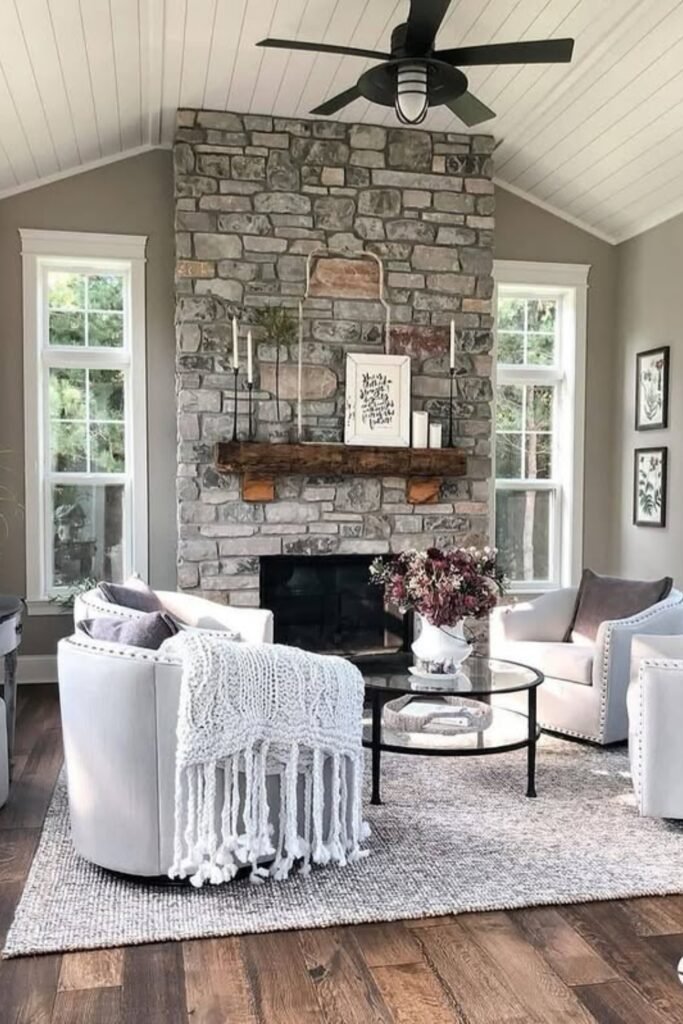
Coastal style needs light and airiness, while farmhouse needs warmth and grounding. A neutral base gives you both.
If your walls are already bold or dark, the mix will feel heavy or disconnected no matter what you add later. So always fix the base first, because everything else depends on it.
2. Use Simple Wood Furniture
Wood is the easiest way to connect coastal and farmhouse. But don’t go too rustic or too polished. Choose light or medium-toned wood with a natural finish.
Think coffee tables, dining tables, shelves, or sideboards. Coastal design likes light textures, and farmhouse loves wood grain, so this becomes your middle point.
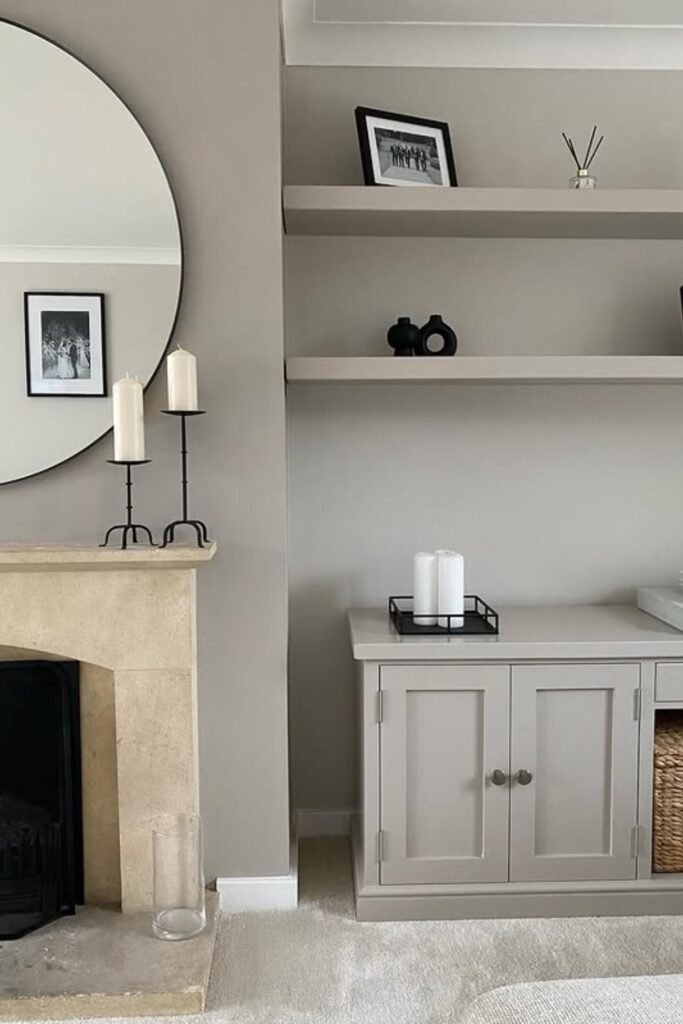
If you use too much dark wood, the room will feel heavy. If you use too much white furniture, it will feel flat.
Keep it balanced and natural so it feels like both styles belong in the same room
3. Mix Soft Fabrics With Rustic Textures
This is where the real blend happens. Coastal style brings soft fabrics like linen, cotton, and light curtains. Farmhouse adds heavier textures like knit throws, burlap, or woven rugs.
You should use both but not all at once. For example, pair a linen sofa with a chunky knit throw or a woven rug. This contrast creates depth without clutter.

If everything is soft, the room feels too beachy. If everything is rough, it feels too farmhouse.
Balance is key, so always mix one soft element with one textured element in each area.
4. Add Coastal Colors in Small, Controlled Amount
Don’t turn your home into a beach theme. Instead, use coastal colors like soft blue, sea green, or sandy beige in small accents only.
You can add them through cushions, artwork, vases, or small decor pieces. The farmhouse side should stay dominant in structure, while coastal colors act like highlights.
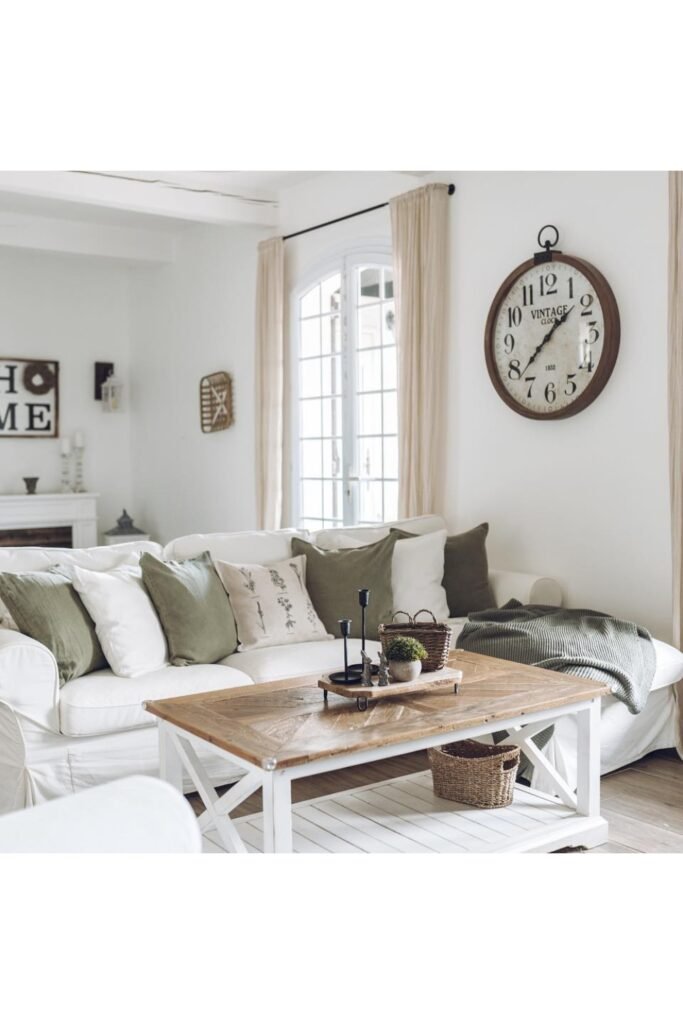
If you overuse blue or ocean tones, the farmhouse warmth disappears. So think “touch of coastal,” not “full coastal room.”
This keeps the space calm and balanced instead of themed or overwhelming.
5. Keep Farmhouse Warmth
Farmhouse doesn’t mean heavy barn-style decor everywhere. Instead, bring warmth through small rustic touches like vintage-style frames, wooden accents, or simple metal fixtures.
The goal is comfort, not overload. If you use too many distressed or dark pieces, the coastal lightness disappears. So keep farmhouse elements soft and simple.
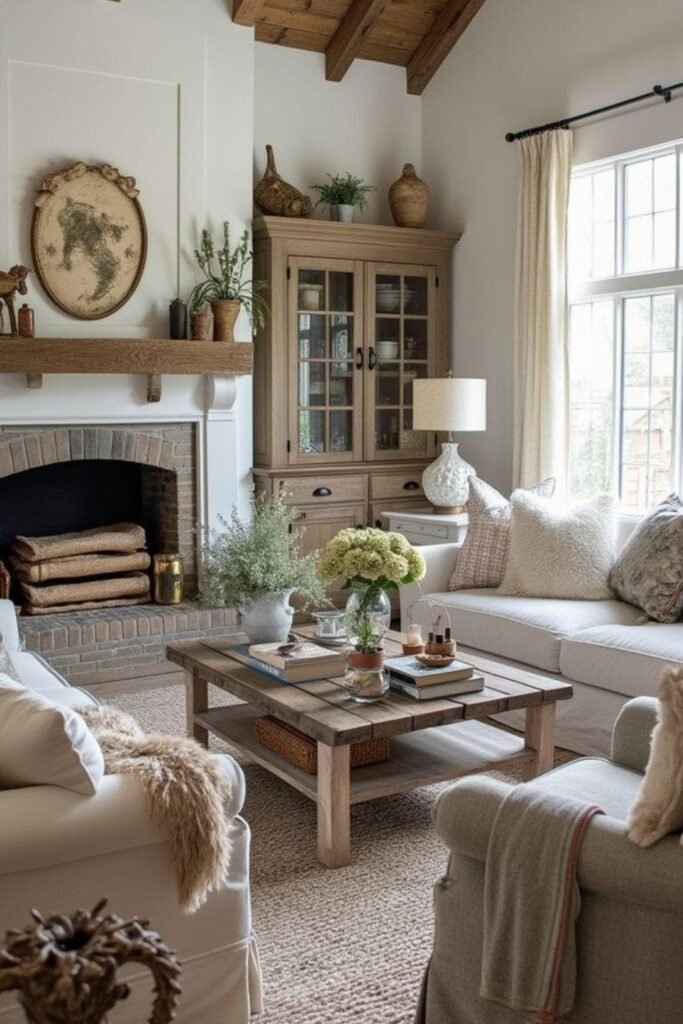
Think “lived-in and natural,” not “old and heavy.” This helps your space feel grounded without losing its airy coastal feel.
6. Use Woven & Natural Materials
Wicker, rattan, jute, and seagrass work perfectly between coastal and farmhouse.
These materials feel natural and fit both styles without conflict. You can use them in baskets, rugs, pendant lights, or chairs.
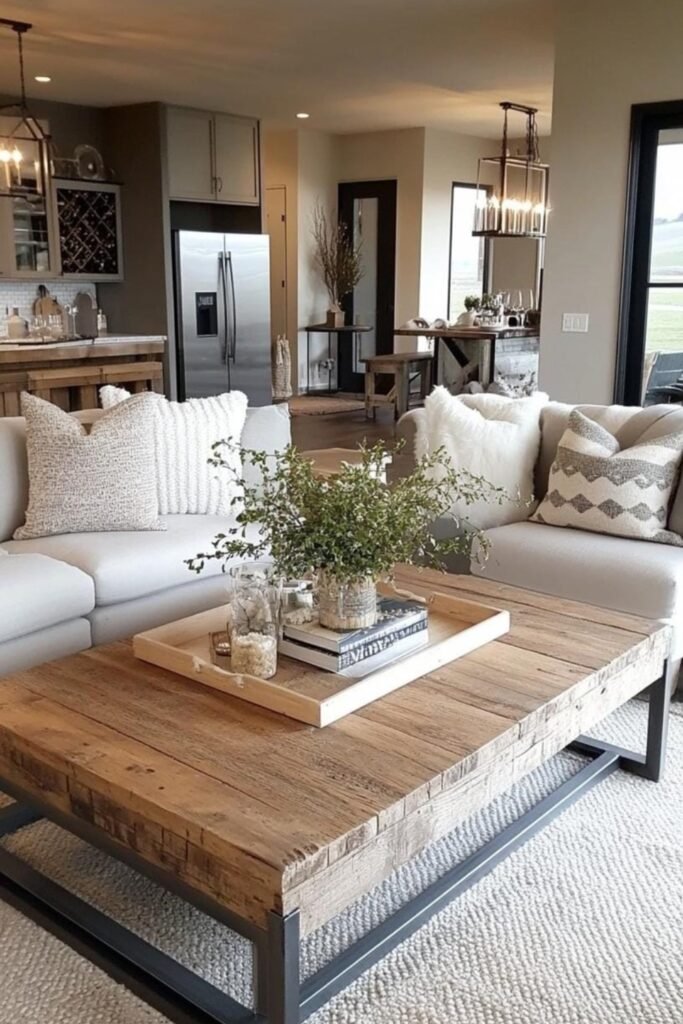
They bring texture without making the space feel too themed. If your room feels too flat, these materials add warmth.
If it feels too heavy, they add lightness. This is one of the easiest ways to visually blend both styles without overthinking design rules.
7. Balance Decor
One of the biggest mistakes is adding too much decor from both styles.
Keep it simple. Choose fewer, better pieces instead of filling every corner. For example, one coastal artwork and one rustic vase is enough for a shelf.
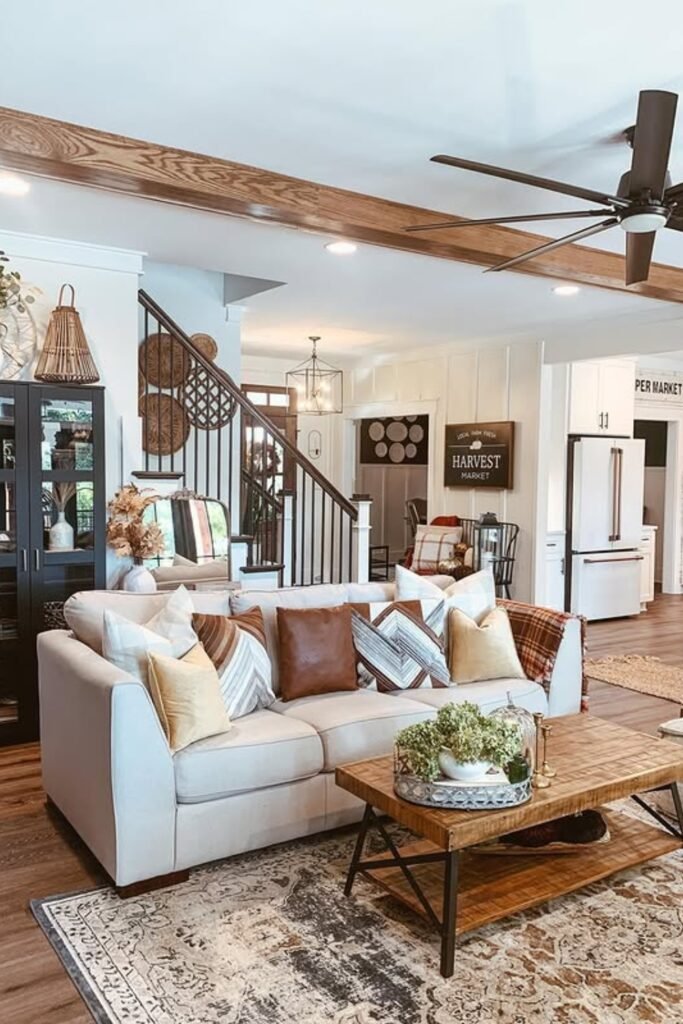
Don’t mix too many small items. Coastal style already feels light, and farmhouse already adds texture, so extra clutter breaks the balance.
Always step back and ask: does this space feel calm or busy? If it feels busy, remove something.
8. Let One Style Lead
This is the most important rule. Don’t try to give both styles equal attention.
Pick one as the main base and let the other support it. For example, you can go farmhouse-dominant with coastal accents, or coastal-dominant with farmhouse warmth.
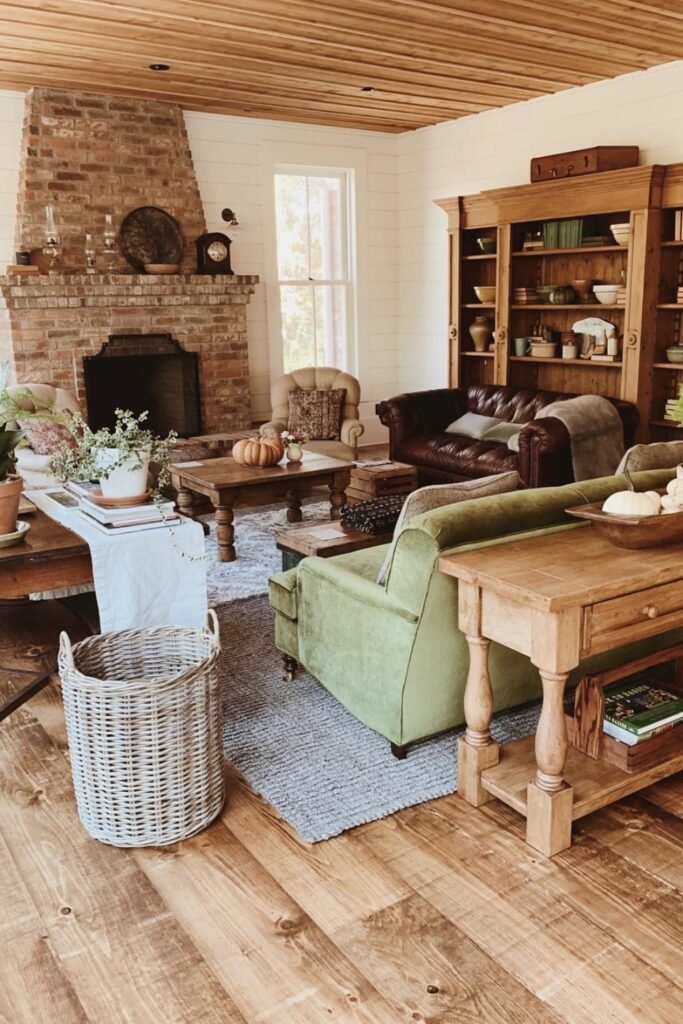
If you try to balance both equally, the space often feels confused. But when one leads, everything starts to feel intentional and clean.
This simple rule is what makes the mix actually work in real homes.
What Mistakes Make a Coastal & Farmhouse Mix Look Unplanned Instead of Stylish?
Most people don’t realize their space looks “off” because of a few simple mistakes, not because the styles don’t work together.
The biggest issue is usually overloading the room with too many decor pieces from both styles at the same time.
When coastal items like shells, blue tones, and light decor are mixed heavily with farmhouse elements like dark wood, metal, and vintage pieces, the space starts to feel confused instead of balanced.
Another common mistake is not having a clear base color, which makes everything feel disconnected.
People also often copy Pinterest rooms without understanding why they work, which leads to random styling instead of a planned look.
Choose fewer pieces, stick to a neutral base, and make sure every item has a clear purpose in the space.
How Do I Decide Which Style, Coastal or Farmhouse, Should Dominate My Home Design?
Choosing a dominant style is what makes the whole design feel intentional instead of mixed up. A simple way to decide is to think about how you want your home to feel every day.
If you want a light, airy, and relaxed space, coastal should lead and farmhouse should support it with warmth and structure.
If you prefer a cozy, grounded, and slightly rustic home, then farmhouse should be the main style with coastal touches added for softness.
You don’t need a perfect 50/50 balance, in fact, that often creates confusion.
A better approach is to pick one as the base (around 60–70%) and use the other as an accent layer.
This keeps your home visually clear, comfortable, and easy to maintain without feeling like two different styles are fighting for attention.
Conclusion
Mixing coastal and farmhouse style isn’t about forcing two different looks into one space, it’s about finding balance.
When you keep your base neutral, control your textures, and don’t overload the room with decor, both styles start to work together naturally.
Coastal brings lightness, while farmhouse adds warmth and structure. One should never compete with the other.
If your space ever feels off, it usually means you’ve added too much or lost direction in the mix. The solution is simple: reduce, balance, and keep things intentional.
When you follow these rules, your home stops feeling confused and starts feeling calm, comfortable, and well put together, without trying too hard.
You may like to read!
