
How to Decorate Around a Bedroom Window
You look at your bedroom and something feels off but you can’t always point out what it is. Most of the time, it’s the window area.
It feels empty. Or too plain. Or just disconnected from the rest of your room. You may have a nice bed, good furniture, even clean decor but the window wall still looks unfinished.
And then comes the confusion. You don’t want to block natural light. You don’t want to overcrowd the space. But you also don’t want it to look like nothing was ever done there.
So you end up stuck in between unsure what actually works and what will make things worse.
The truth is, decorating around a bedroom window is not about adding random decor.
It’s about fixing balance, using space wisely, and making the window feel like part of the room instead of an afterthought.
In this article, you’ll learn simple, practical ways to handle different window situations so your bedroom looks complete, calm, and well put together, without overthinking it.
Let’s jump in!
How Do You Decorate Around a Bedroom Window Without Overdoing It?
Most people make the mistake of adding too many things around the window at once, curtains, plants, shelves, lights, and decor pieces.
Instead of improving the space, it ends up feeling crowded and messy. The real trick is to slow down and choose only what the window actually needs based on your room size and layout.
If the room already has strong furniture, keep the window area light with simple curtains and maybe one or two accents like a plant or a small bench.
If the room feels plain, you can add a bit more depth with layered curtains or soft lighting. The goal is to let the window breathe while still giving it shape.
When you stop treating it like a decoration zone and start treating it like a balance point in the room, everything starts to look more natural and well-designed.
8 Ways to Decorate Around a Bedroom Window
Following are the 8 ways to decorate around a bedroom window.
1. Frame the Window with Curtains
Most bedroom windows look unfinished because the curtains are either too short, too narrow, or hung in the wrong place.
Fixing this alone can change the whole room. Hang the curtain rod a little higher than the window and extend it wider on both sides.
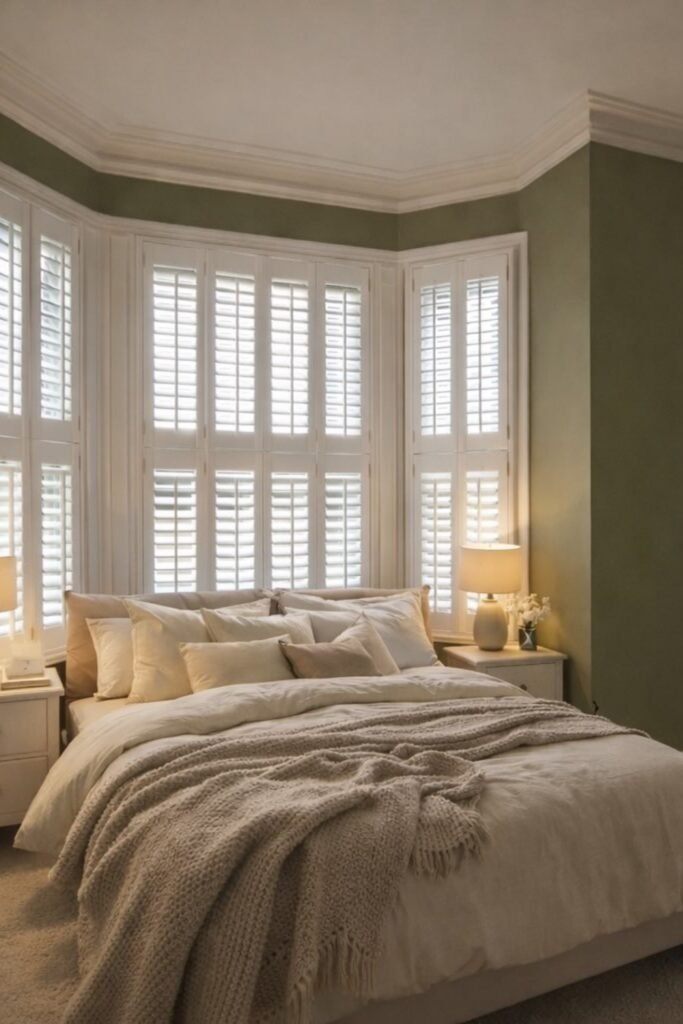
This simple step makes the window look bigger and the room more balanced.
Use light sheer curtains if you want soft daylight in the room, and add heavier curtains on the sides for privacy at night.
The goal is not to hide the window but to frame it properly so it looks like a designed feature instead of a blank wall.
2. Add a Small Bench Under the Window
A window with empty space underneath often feels wasted. Adding a bench turns that dead space into something useful and stylish at the same time.
You don’t need anything expensive, just a simple wooden bench or a low seat works well.
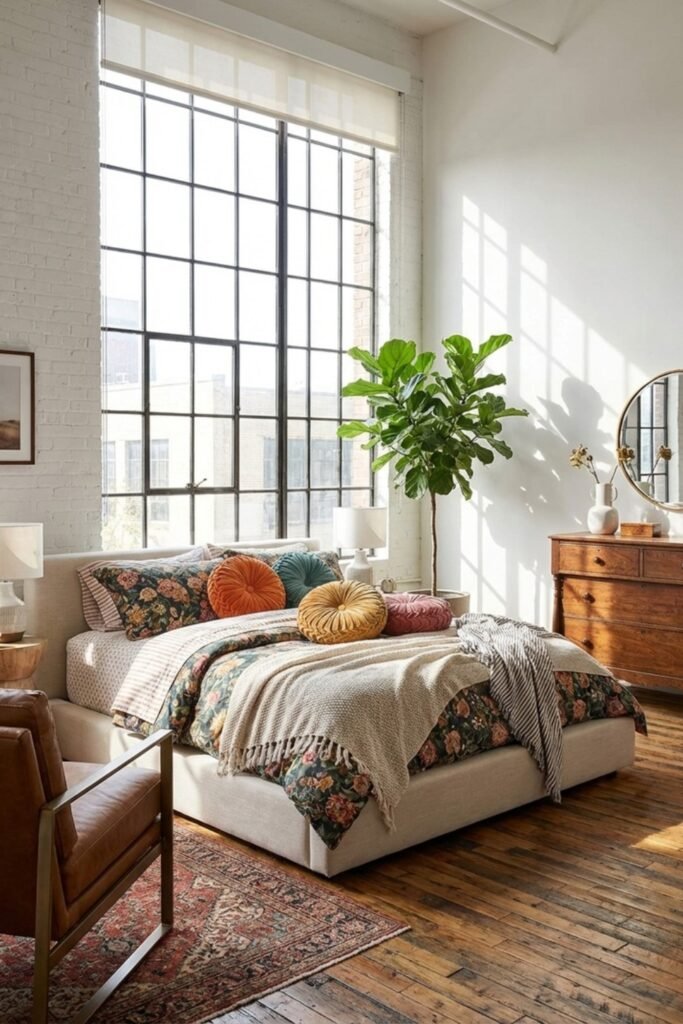
Add a cushion or a throw to make it comfortable. It can become a reading spot, a quiet corner, or even extra storage if you choose a bench with space inside.
This idea works best when the window sits low or has enough clear wall space beneath it. It instantly makes the area feel intentional instead of ignored.
3. Use Indoor Plants
Plants work really well around bedroom windows because they naturally connect with sunlight.
Instead of placing too many, keep it simple. One tall plant in a corner, a small pot on the sill, or a hanging plant is enough.
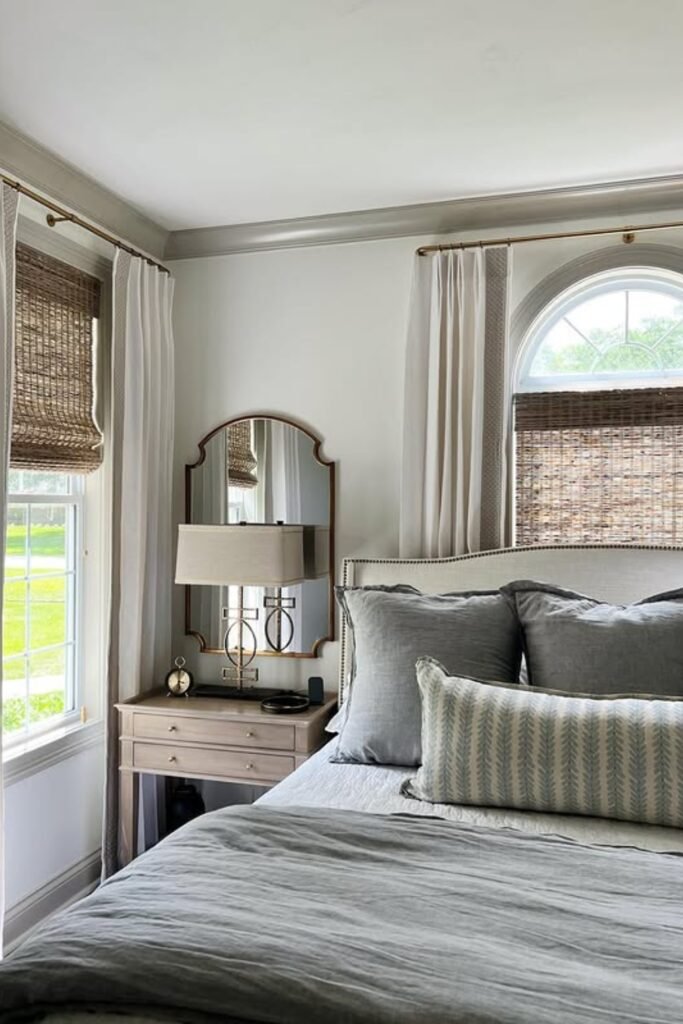
Plants help soften the hard edges of the window frame and make the space feel more relaxed.
They also add life to a part of the room that often feels plain. The idea is not to fill the window area but to bring a natural balance that makes the space feel calm and fresh.
4. Keep a Clean Shelf
If your window has a sill or you can add a slim shelf, use it for light decor only. This is not a storage area, so don’t overload it.
A few small items like a candle, a book stack, or a simple decorative piece are enough.
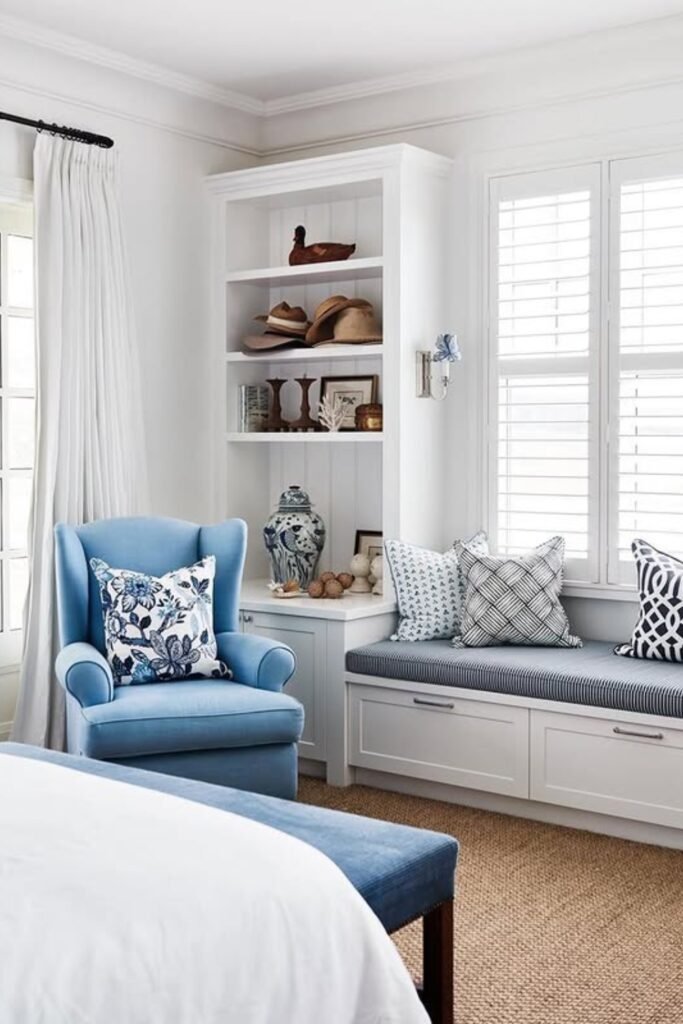
Keeping it minimal is important because the window already brings visual focus on its own.
Too many objects will block light and make the area feel messy. A clean shelf helps support the window instead of competing with it.
5. Balance the Sides of the Window
The space around the window matters just as much as the window itself. If one side feels heavier than the other, the room starts to look uneven.
You can fix this by balancing items on both sides, like a lamp on one side and a plant or decor piece on the other.
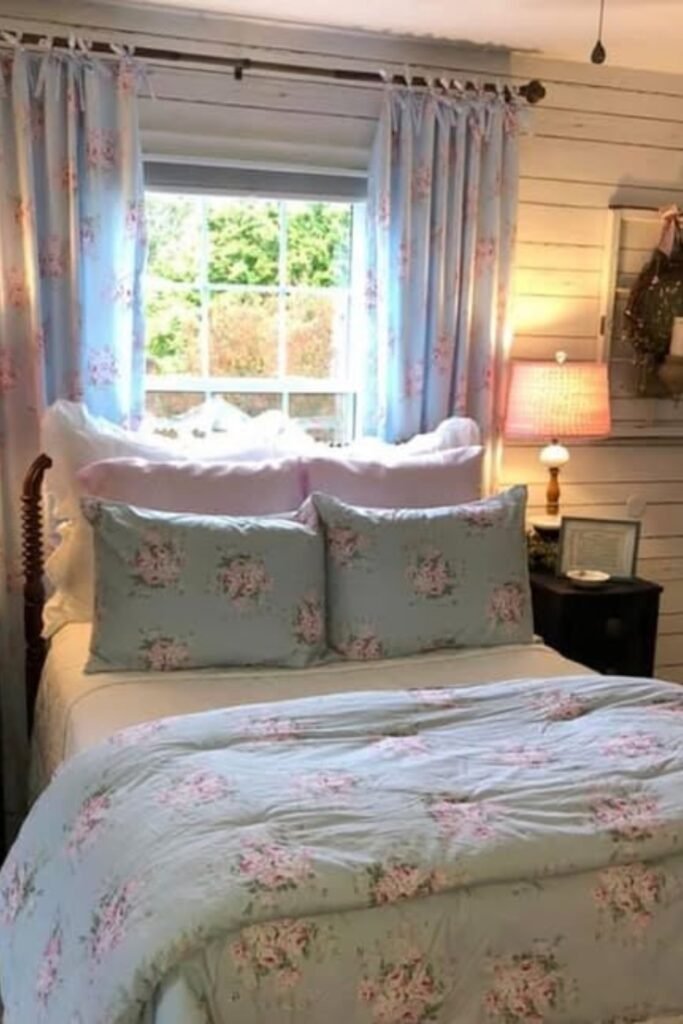
If your bed or furniture is not centered, use small elements like side tables or wall decor to adjust the visual weight.
You don’t need perfect symmetry, just a sense that both sides feel equally supported.
6. Use Lighting Around the Window Area
Lighting plays a big role in how your window area feels, especially at night. Without it, the space can look flat and empty once natural light is gone.
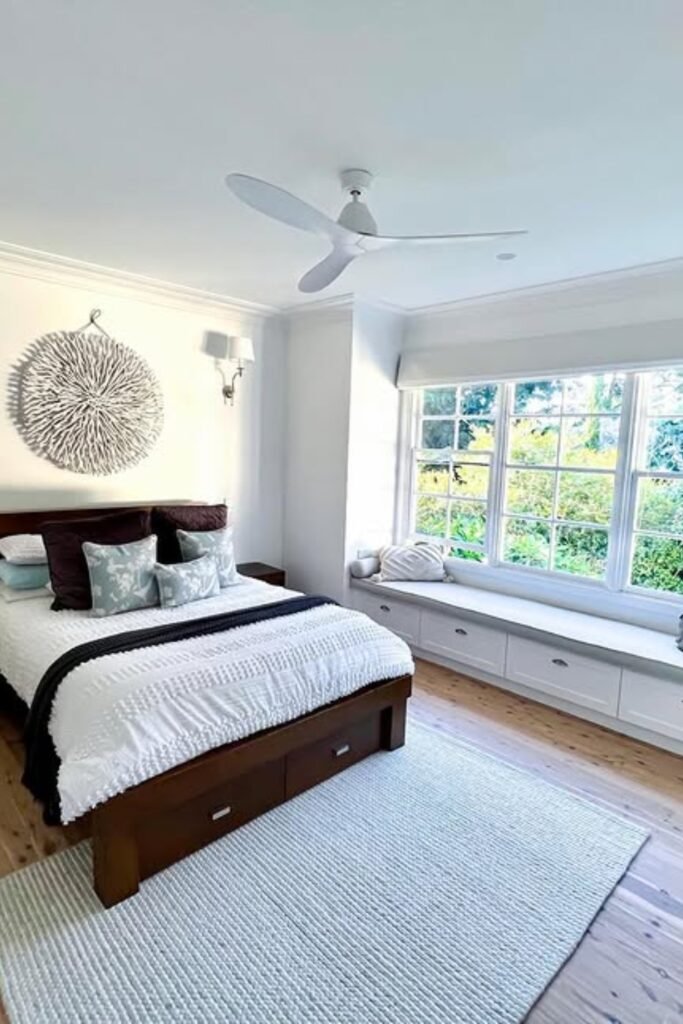
Adding warm lighting near the window can fix this easily. You can use table lamps, wall sconces, or soft string lights. Keep the light warm instead of bright white so the space feels cozy.
This makes the window area look alive even after sunset and adds depth to the whole bedroom.
7. Match the Window Style With Bedroom
The window area should never feel separate from the rest of the room. If your bedroom is minimal, keep curtains and decor simple and clean.
If your room is cozy, use soft fabrics and layered textures. If it’s modern, stick to neutral tones and straight lines.
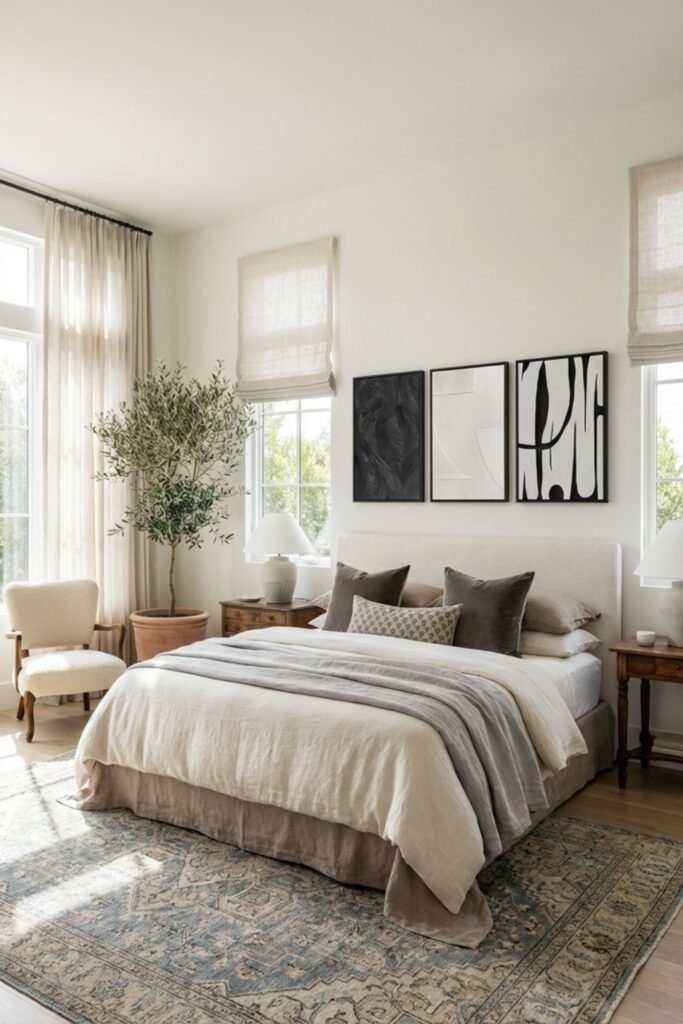
When the window design matches your room style, everything feels connected.
This small alignment makes the space look well planned instead of randomly decorated.
8. Keep it Simple
The most common mistake is adding too many things around the window. Curtains, plants, lights, shelves, and decor items can quickly make the space feel crowded.
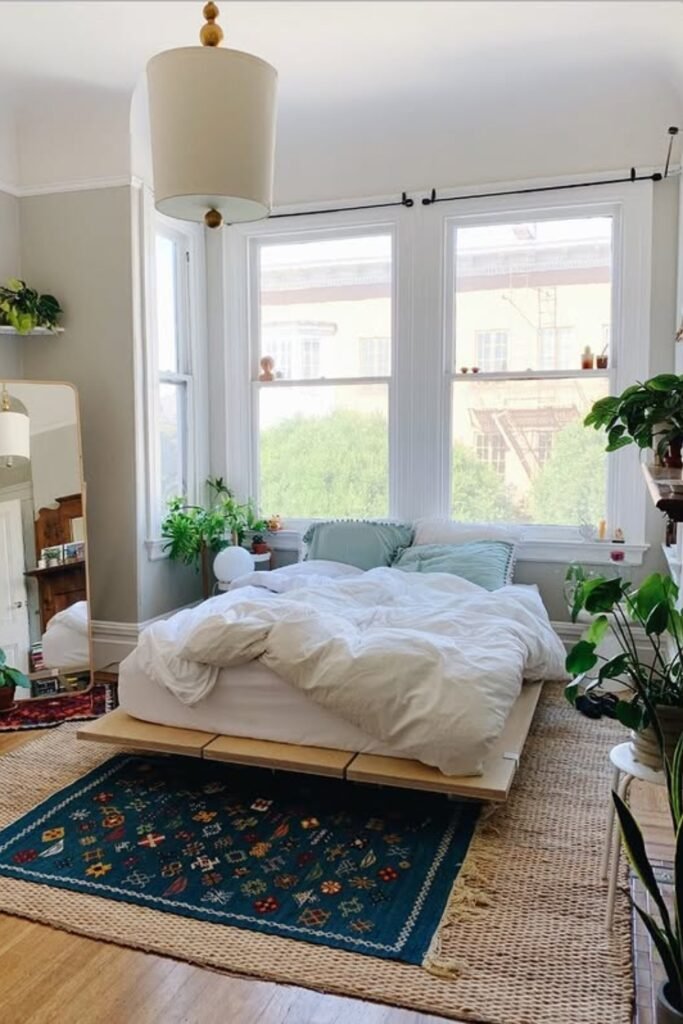
Instead, choose only two or three elements that work well together. For example, curtains with plants or a bench with lighting is enough.
The window should feel open and breathable, not overloaded. Simplicity always makes the space look more intentional and visually calm.
Why Does Your Bedroom Window Feel Hard to Decorate Properly?
Most people struggle with this because the window is already a strong visual element in the room, but it doesn’t come with a clear design plan.
It sits there empty, and you’re left wondering what should go around it without ruining natural light or making the space look heavy.
The problem usually comes from trying to “fill” the area instead of balancing it. If you add too much, it feels crowded. If you add nothing, it feels unfinished.
That’s why it becomes confusing. The real issue is not lack of ideas, but lack of direction on how much to do and where to place things.
Once you understand how to balance light, space, and simple decor, the window area stops feeling difficult and starts becoming one of the easiest parts of the room to style.
How Can You Turn a Simple Bedroom Window into a Stylish Focal Point?
A bedroom window can easily become the most attractive part of your room if you treat it like a design feature instead of just an opening.
Right now, it probably blends into the wall or feels ignored. To change that, you need to give it structure and purpose.
Simple steps like framing it with well-placed curtains, keeping the sides visually balanced, and adding light decor or greenery can completely shift how it looks.
The key is not to overload it but to highlight it. When you let natural light stay central and build soft design elements around it, the window naturally draws attention in a good way.
It stops feeling like a blank spot and starts working as a visual anchor that brings the whole bedroom together.
Conclusion
Decorating around a bedroom window is not about adding more things, it’s about making the space feel balanced and intentional.
Most of the time, the window area looks unfinished because it’s either ignored or overloaded with decor.
The right approach is to work with what you already have: light, space, and simple design elements.
If you frame the window properly, keep the sides balanced, and use just a few thoughtful pieces like curtains, plants, or lighting, the whole room starts to feel more put together.
You don’t need complicated setups or expensive decor. You just need to avoid clutter and focus on keeping the window area clean, functional, and connected to the rest of your bedroom.
When you get this balance right, the window stops feeling like a problem area and becomes one of the strongest parts of your room.
You may like to read!
