
12 Split Level Living Room Ideas
You might not realize it, but your split-level living room isn’t the problem, you probably just have a tricky layout to work with.
If that sounds familiar, you shouldn’t feel bad, you’re not terrible at decorating. You’re just figuring out how to make a tricky floor plan work for you.
In this article, you’ll see exactly how you can arrange your split-level living room with 12 ideas to try.
Let’s jump in!
How To Arrange A Split-Level Living Room?
You should start by choosing your main focal point before you move any furniture.
Stand in the room and ask yourself what you want people to notice first, the TV, a fireplace, a big window, or maybe a feature wall.
Once you decide, everything else in the room should support it. If you skip this step, you’ll notice that your space will always feel scattered, no matter how hard you try.
Next, you need to respect the level change. You can’t just ignore it, you should use it.
The lower level usually works best as your main seating zone because it naturally feels grounded and cozy. You can place your sofa there to anchor the space.
If you push all your furniture upstairs, you’ll see that the sunken area feels wasted and disconnected, and you’ll end up frustrated.
Now think about traffic flow. You have to make sure people can walk from one level to another without squeezing between furniture.
If your sofa blocks the stairs or railing, you’ll notice that the room feels tight no matter how big it is.
You should leave clear walking paths so you can actually enjoy the space. Use rugs to define each level, because you can make the room feel intentional this way.
Balanced Seating Zone
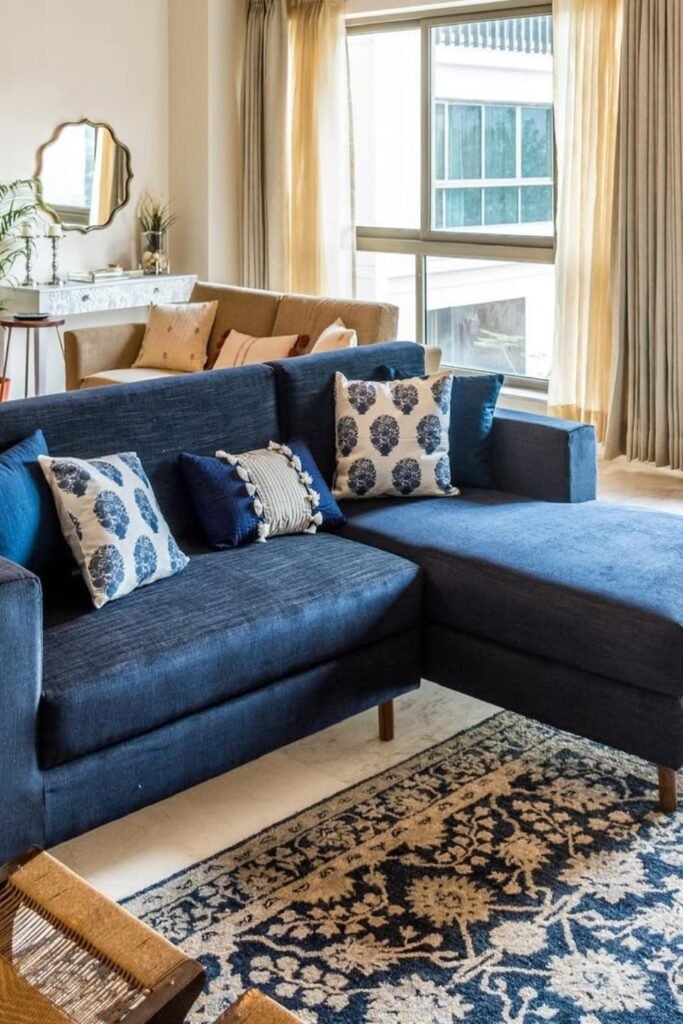
You can create a balanced seating area by placing a sectional with a chaise.
You’ll notice how it maximizes your space while still leaving plenty of room to move.
When you do this, your open layout can let natural light flood in without making the room feel cramped.
You should also use a rug to anchor the space, it’ll tie everything together and add warmth.
If you want your sunken living room to feel cozy yet functional, this is a simple way to do it.
Open Sightlines
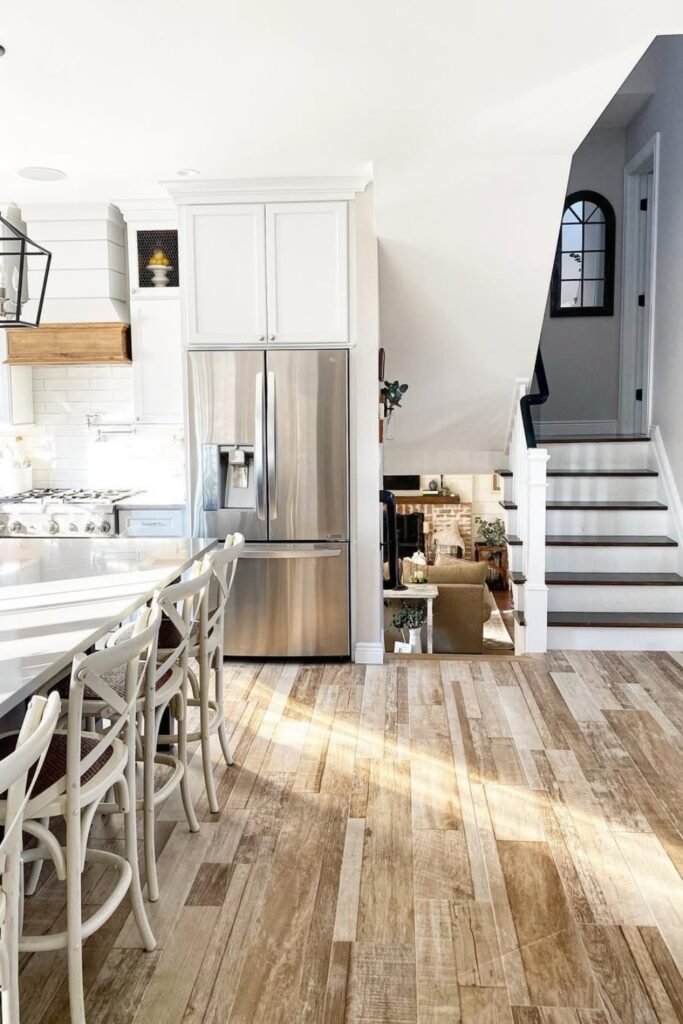
If you want your split-level home to feel connected, you should focus on open sightlines.
You can see how a kitchen opening directly to the living area instantly makes the space feel bigger.
When you keep your entryway or staircase minimal, you’ll always notice the flow, and the room feels airy and welcoming.
You might even find this works perfectly for narrow or small split-level homes.
Visual Divider
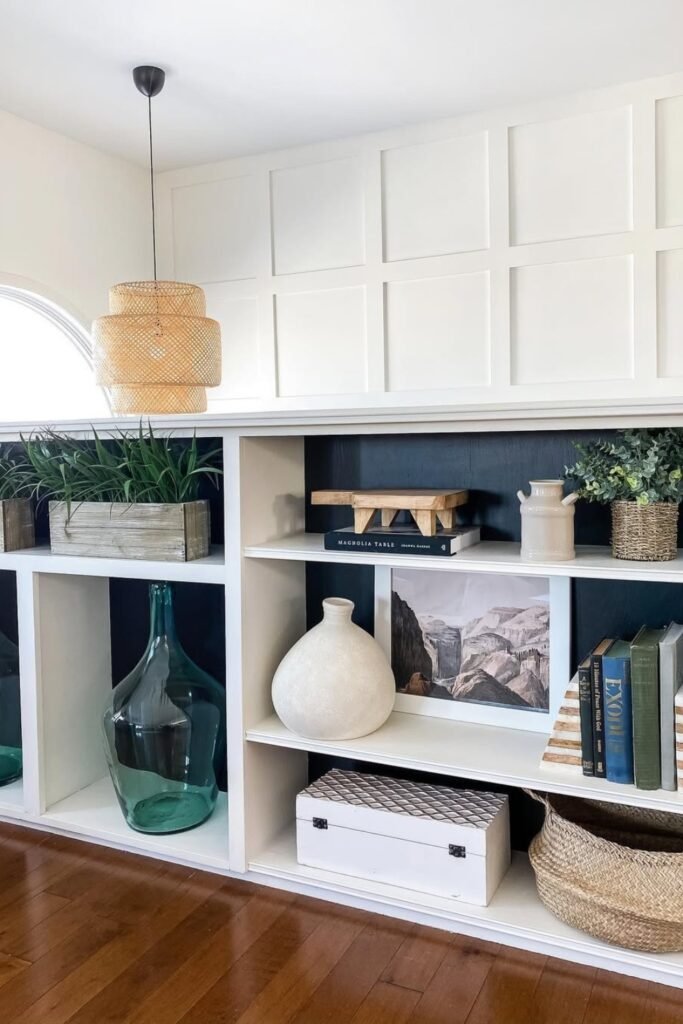
You can use a well-styled shelving unit as a subtle room divider. You’ll see how it separates the lower level without cutting off the space completely.
Open-sided shelves let light flow while giving you a chance to display plants and accessories for texture and personality.
When you place it near the stairs, you’ll notice the balance it brings between upper and lower levels.
Light and Airy Design
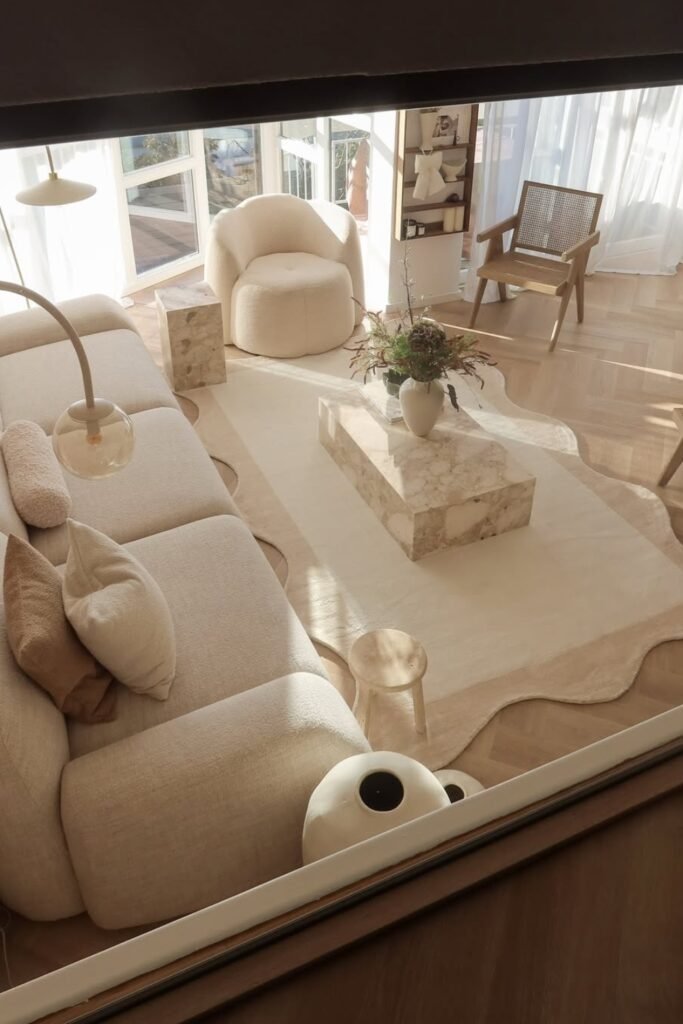
You can make your split-level living room feel fresh and open by choosing minimalist, light-colored furniture.
You might pick a soft sectional and a neutral rug, and you’ll notice how it instantly creates a sense of space, even with different ceiling heights.
When you use soft tones and light fabrics, you can make your room feel larger without ever feeling overwhelming.
You should pair it with airy curtains to let in natural light and enhance that open, welcoming vibe.
Open Staircase Flow
You should opt for an open staircase to improve the flow between levels.
When you choose minimal railings, you’ll see how the space feels bigger while still keeping safety in mind.
You can maintain a visual connection between the entry, living area, and kitchen, and you’ll notice how much more expansive the room feels.
If your old staircase made the space feel closed off, this simple change can instantly refresh your split-level design.
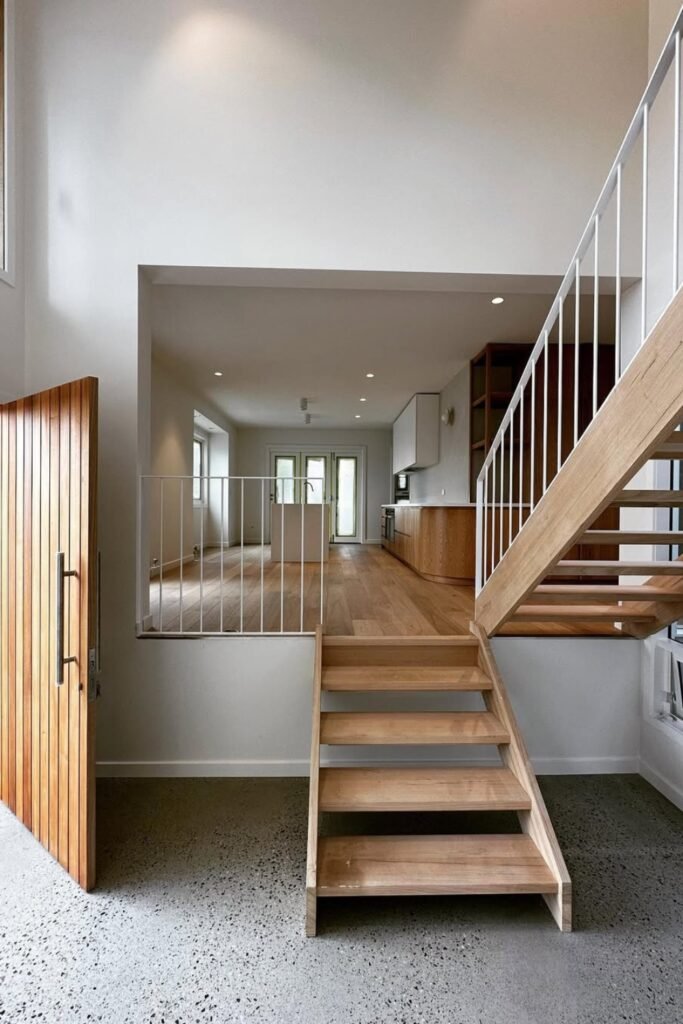
Maximizing Natural Light
You can take full advantage of natural light by placing your seating area near large windows.
You’ll notice how having the sofa face the light brightens the room immediately.
If your sunken areas or darker corners feel gloomy, you might add a light rug to reflect sunlight and keep everything feeling airy.
You should use every bit of daylight you can, it will make even a small split-level feel welcoming, open, and relaxing.
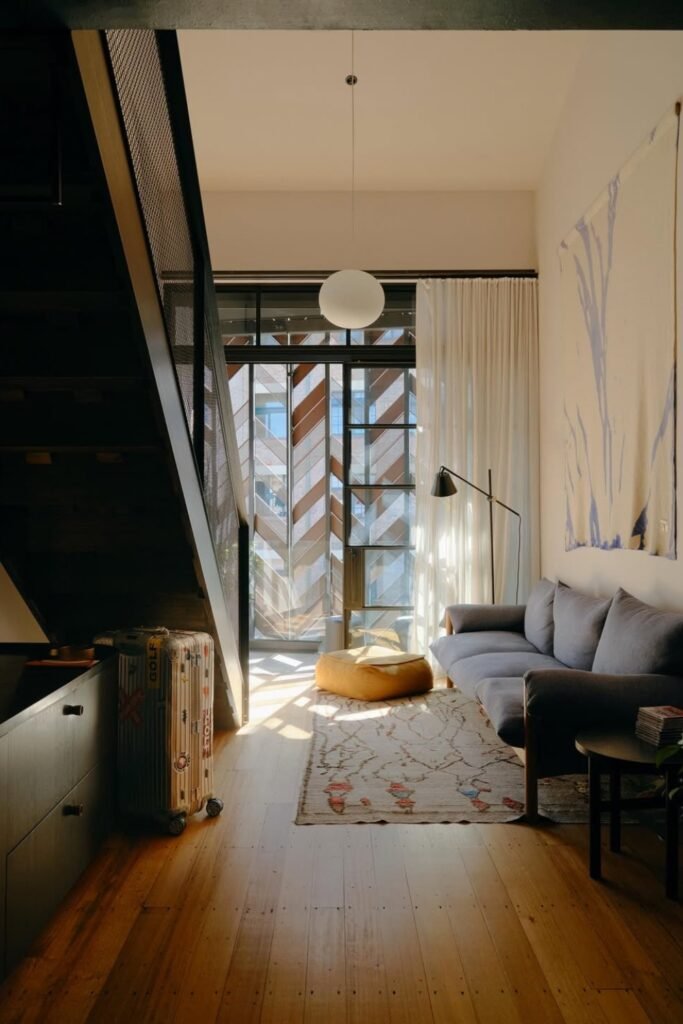
Functional TV Placement
You can mount your TV on the wall to free up floor space and keep your layout streamlined.
You should pair it with a minimalist console and simple decor, like a large plant, to keep the corner lively without cluttering it.
When you do this, your split-level room will feel sleek and functional, and you’ll notice how much more enjoyable it is to spend time there.
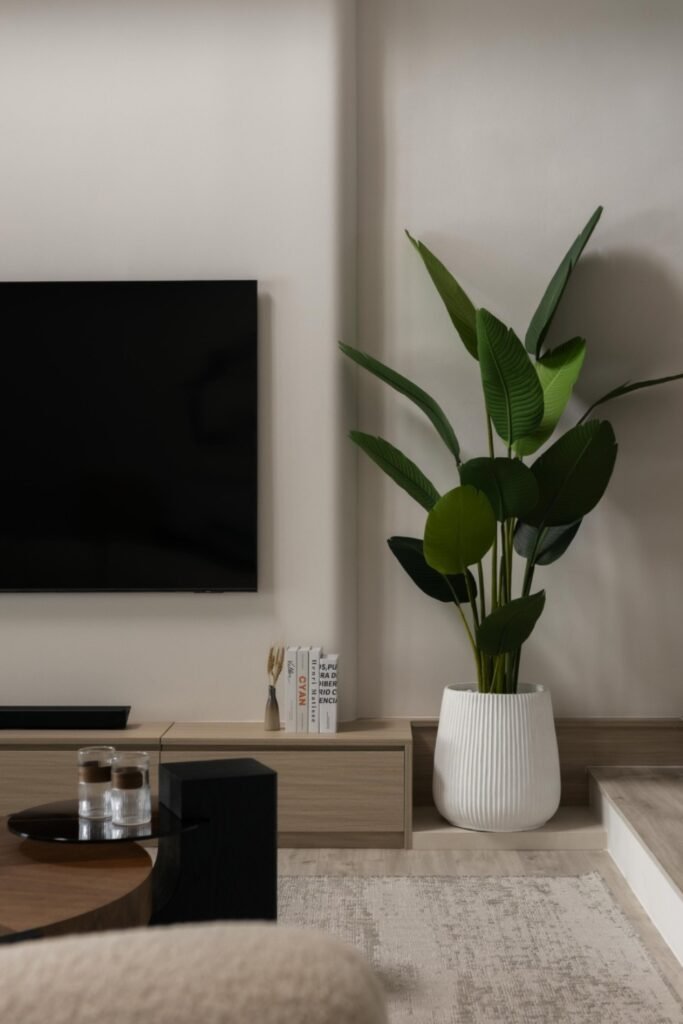
Creative Divider
You might use a unique piece of art or a bold light fixture to separate zones visually.
You’ll see how a statement element can define the dining area from the staircase while keeping sightlines open.
If you want your room to balance creativity and functionality, this is a great way to make each section feel purposeful without closing off the space.
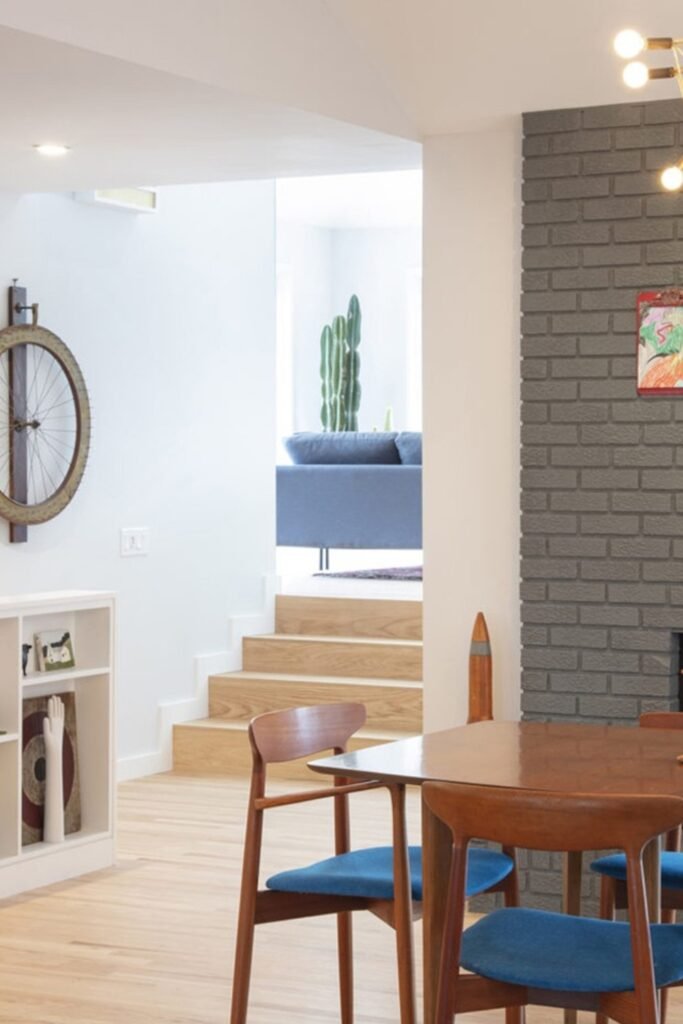
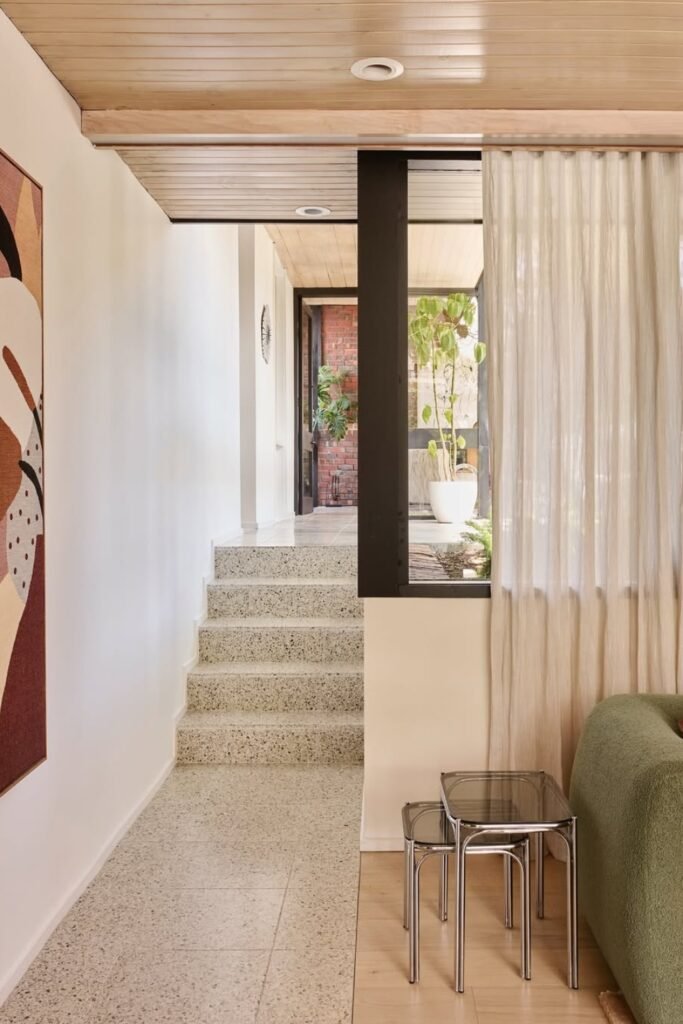
Subtle Separation
You can also use sheer curtains to separate spaces without blocking the flow. You’ll notice how light still filters through, keeping the area feeling open.
If you want a subtle distinction between levels while maintaining openness, this trick works perfectly.
You should try it in small split-level homes, it keeps the room airy while clearly defining different zones.
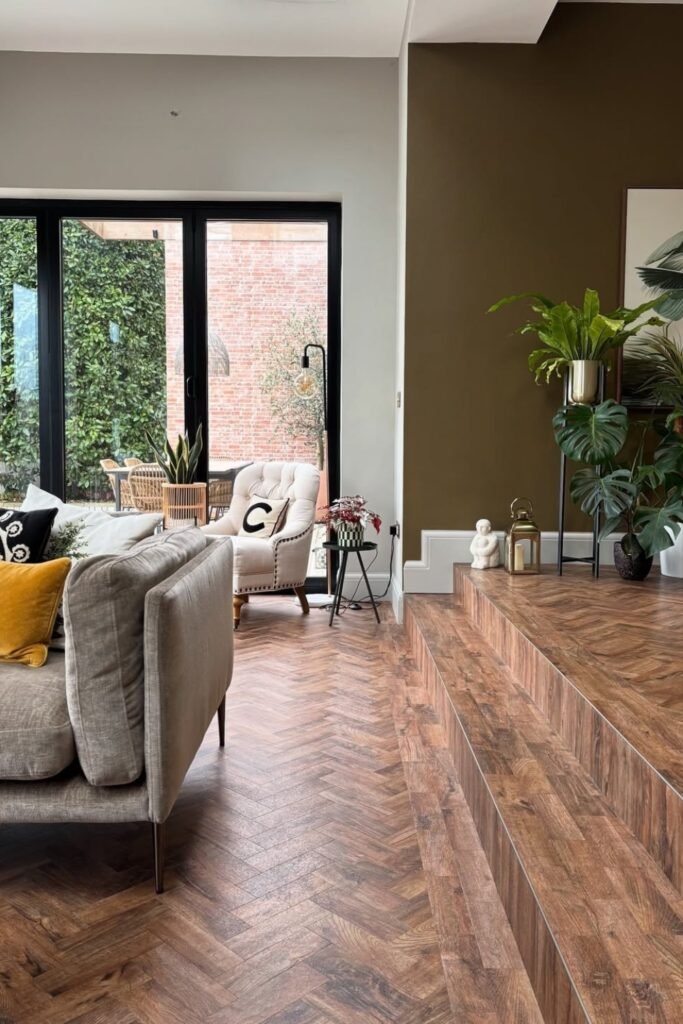
Embrace the Stairs
You should embrace your stairs as a bold feature instead of hiding them.
You’ll notice how a herringbone wood floor can seamlessly connect the lower and upper levels, instantly improving your room’s flow.
When you use stairs as a statement element, you can elevate the space and create a visually striking separation between zones.
If you design it thoughtfully, you’ll see how the split-level transition feels purposeful, stylish, and inviting and your room will have that wow factor without extra effort.
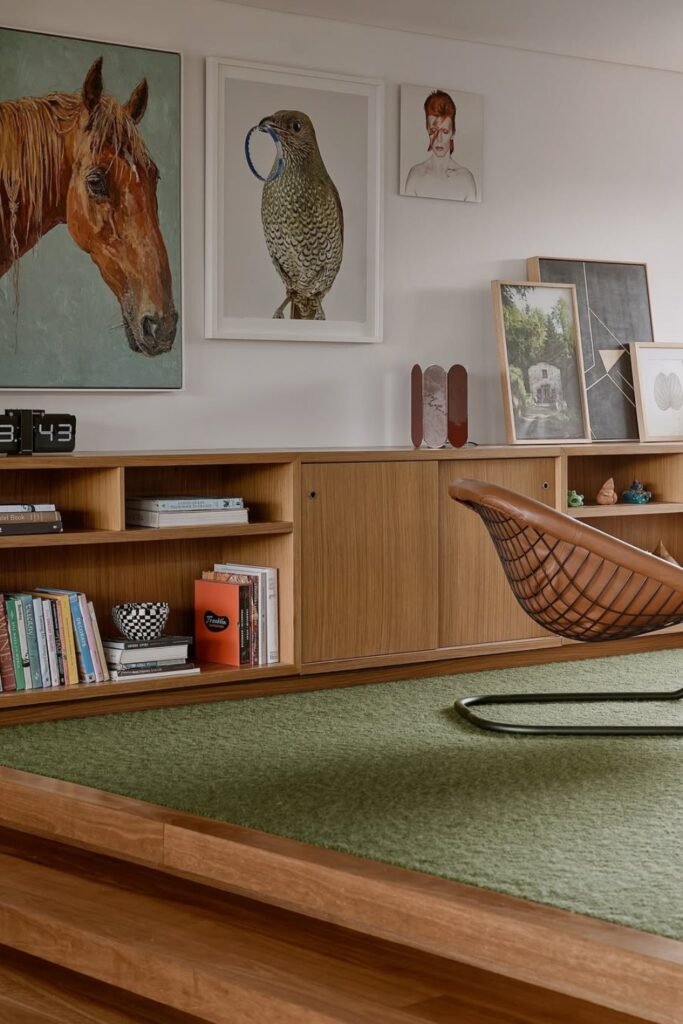
Elevated Seating Area
You could add a raised platform to create a dedicated seating zone, and you’ll see how it visually separates the space while keeping it cozy.
When you use a green carpeted area or built-in shelving underneath, you can add function, texture, and style all at once.
You should notice how this trick helps you make the most of vertical space while keeping your split-level living room open and inviting.
If every inch of your home matters, this is a smart move you can’t skip.
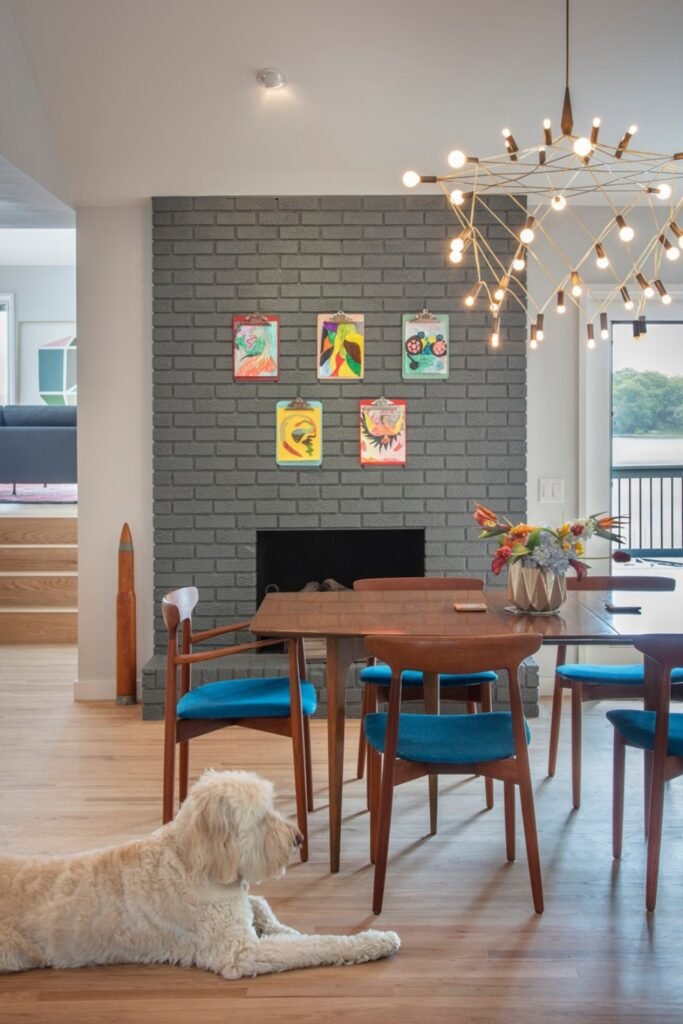
Statement Lighting
You should use bold, eye-catching lighting to transform your split-level living room.
You’ll see how a modern chandelier draws the eye upward, adds drama, and ties the different levels together.
When you place it above a dining table or in a central open area, you can highlight height differences and make your space feel cohesive.
If you want to change the energy of your room instantly, this is a simple but powerful move you can’t ignore.
You may like to read!
