
21 Living Room Lighting Ideas
When you turn on the lights in your living room, you might notice the space doesn’t feel warm or inviting, it can feel flat, harsh, or just off.
Most living rooms rely on the wrong type of light or too few sources, which instantly kills the mood.
In this article, you will see exactly how to fix it, step by step, so your living room finally feels comfortable no matter the time of day.
Let’s jump in!
What Type Of Lighting Is Best For A Living Room?
When you think about the best lighting for your living room, you’ll realize you need something that feels comfortable, works for everyday tasks, and still looks good.
Because you use this space for so many different things throughout the day, you shouldn’t rely on just one light source. Instead, you can get the best results when you layer your lighting.
When you combine ambient, task, and accent lighting, you create a space that feels balanced and welcoming.
Your ambient lighting, which usually comes from ceiling lights, chandeliers, or recessed fixtures, sets the overall brightness and helps the room feel open and relaxed.
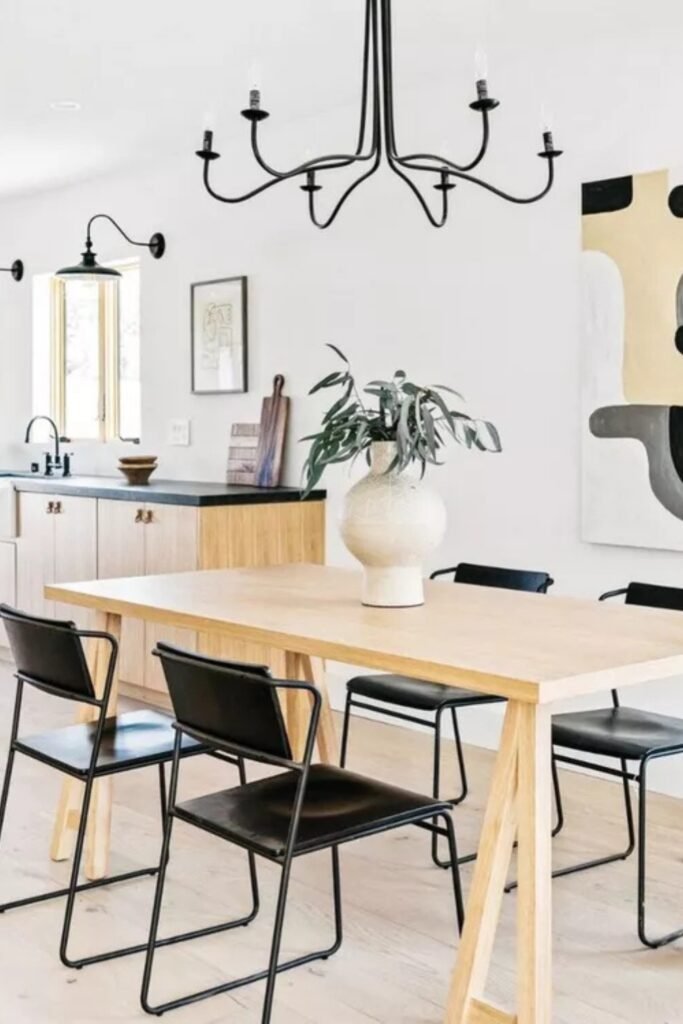
You’ll also want to think about task lighting, especially when you read, work, or enjoy a quiet hobby.
When you place a floor lamp next to your sofa, a table lamp on a side table, or an adjustable wall light nearby, you can direct light exactly where you need it without lighting up the entire room.
These lights not only make daily activities easier for you, but they also add warmth and style. If you choose warm white bulbs, you can keep the living room feeling cozy instead of harsh.
When you add accent lighting, you start to see your living room come to life. You can use it to highlight artwork, shelves, plants, or architectural details and give the space more depth.
Wall sconces, LED strip lights, or small spotlights can help you create visual interest and even a touch of luxury.
When all three layers work together and you stick with warm to soft white light, you end up with a living room that feels inviting, flexible, and perfect for both everyday moments and special occasions.
What Are The 4 Types Of Lighting In A Living Room?
When you start thinking about lighting in your living room, you’ll notice how much it affects both the mood and how the space works for you.
To get it right, you usually need four main types of lighting working together so the room feels balanced.
The first one you’ll rely on is ambient lighting, which acts as your main source of light. It helps you move around comfortably and keeps the room from feeling dark or uneven.
You’ll often get this layer from ceiling lights, chandeliers, recessed lights, or large pendant fixtures that set the base brightness for the entire space.
The second type you’ll need is task lighting, which supports specific things you do every day, like reading, working, or writing.
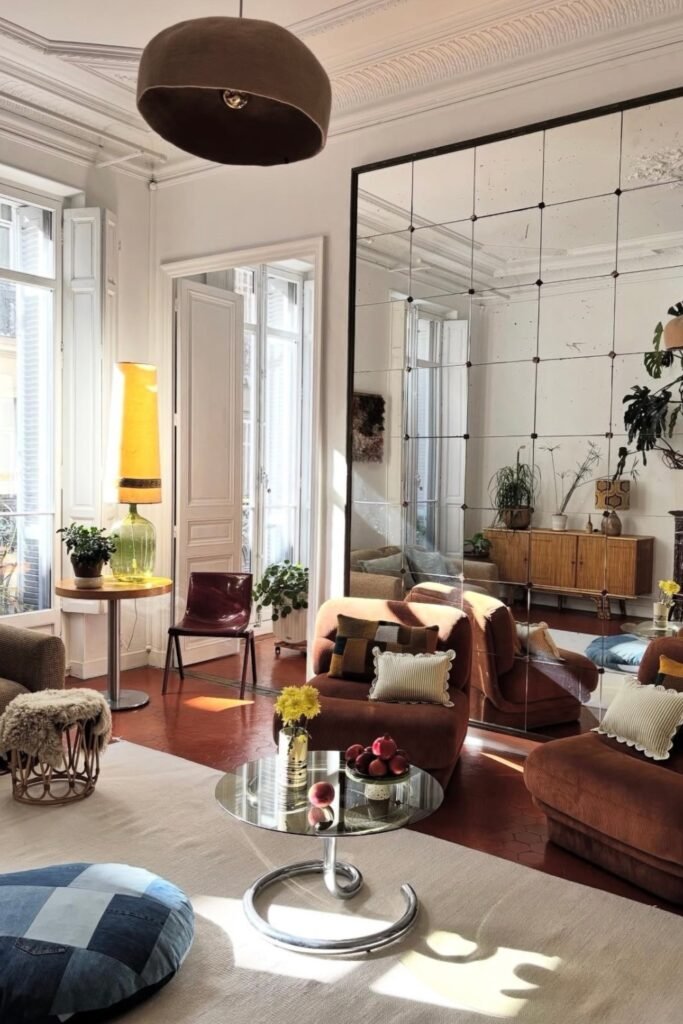
In your living room, this might come from a floor lamp next to the sofa, a table lamp on a side table, or an adjustable wall light.
Because task lighting is more focused, you can light up one area without making the whole room feel too bright or harsh.
When you want to add depth and personality, you can bring in accent lighting.
This type helps you highlight artwork, shelves, plants, or architectural details that you want people to notice.
When you use wall sconces, spotlights, or LED strip lights, you can make the living room feel more layered and visually interesting.
The fourth type is decorative lighting, and this is where you can really show your style.
When you choose statement lamps, unique chandeliers, or decorative pendants, you’re adding more than just light, you’re adding character.
Even though decorative lighting is more about looks, it still gives you a soft, pleasant glow that completes the overall feel of your living room.
Balanced Light Layers
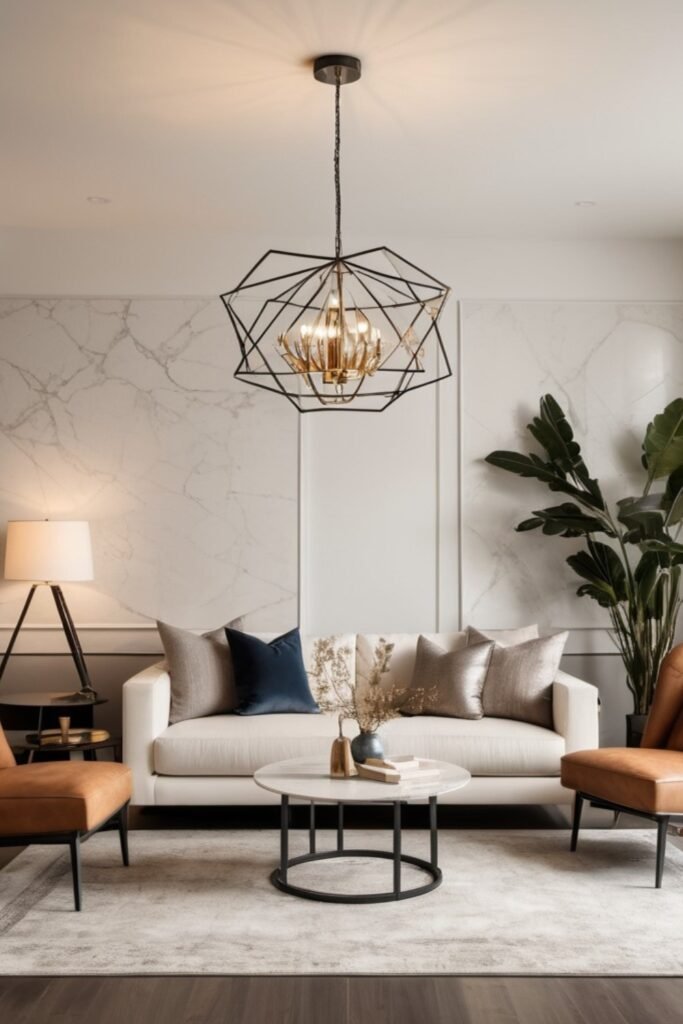
When your living room already has a strong ceiling fixture, the real upgrade happens below it.
You can add a warm floor lamp [Amazon] near seating and keep it slightly dimmer than the overhead light [Amazon].
A warm floor lamp placed near the seating area adds intimacy and keeps the room from feeling flat or overly bright.
By keeping the floor lamp slightly dimmer than the overhead light, you create a gentle hierarchy that feels comfortable and intentional.
The result is a space that looks polished yet relaxed, perfect for both entertaining and unwinding.
Layered Warm Glow
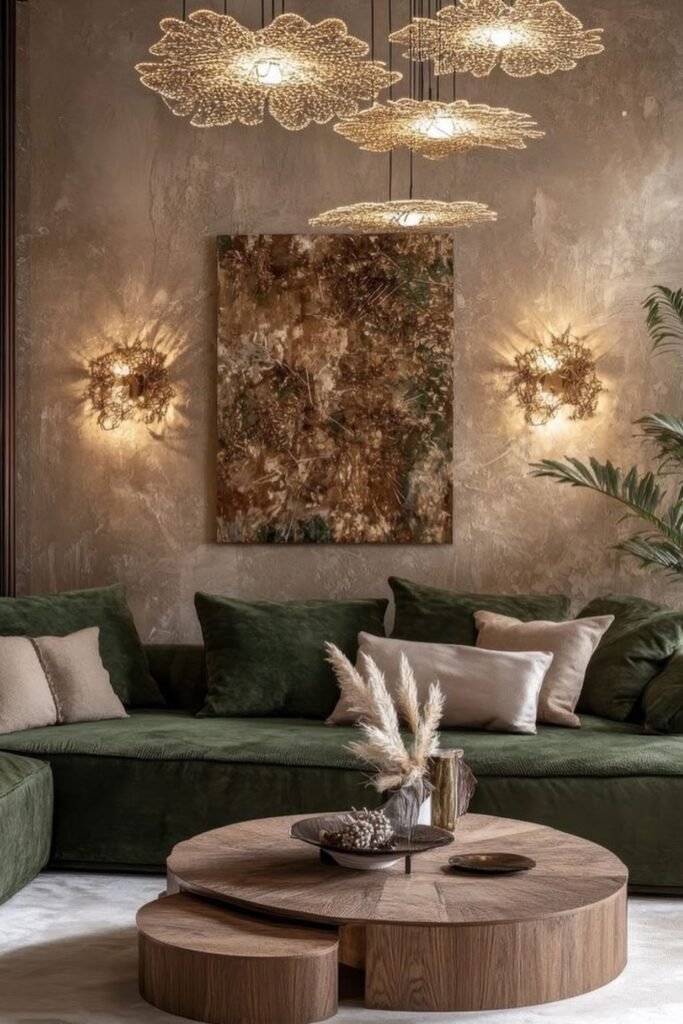
You can let wall lights soften the edges while clustered ceiling fixtures spread a warm glow across the seating area.
If you want this effect, focus on lighting surfaces, not people. You can use textured walls, warm bulbs, and more than one light source so your room feels calm instead of bright.
This space shows how layered warm lighting can completely transform the mood of a living room.
The clustered ceiling fixtures create a soft, ambient glow that gently spreads across the seating area, while the wall lights add depth by highlighting the textured walls.
Instead of lighting people directly, the light bounces off surfaces, making the room feel calm, cozy, and intentionally styled.
Soft Evening Corners
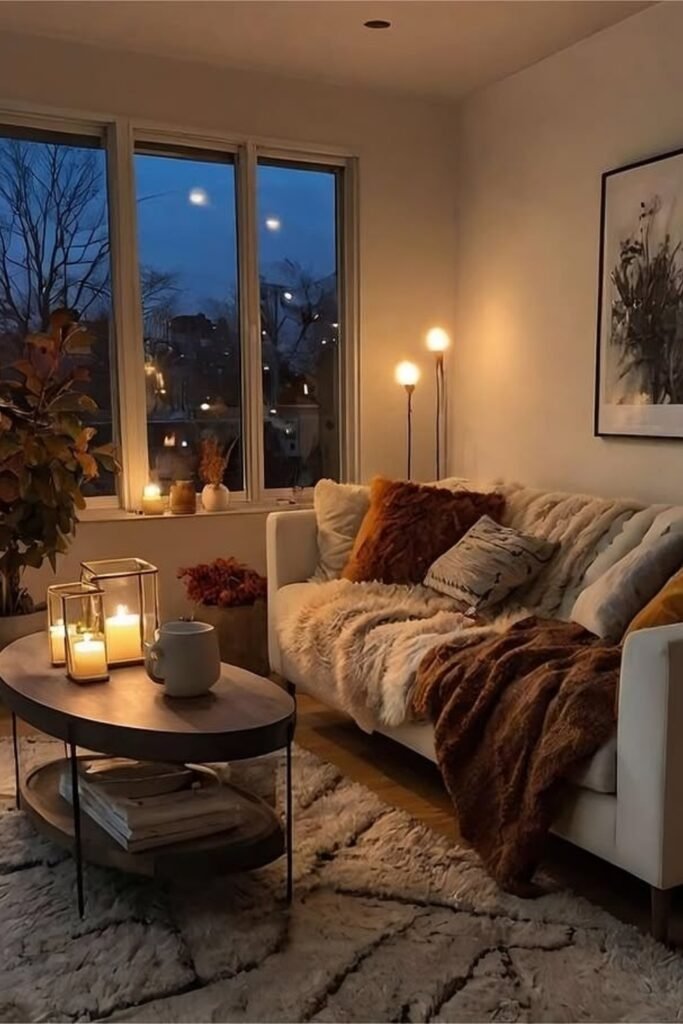
When your living room feels uncomfortable after sunset, you can turn off the ceiling light and rely on small pools of light [Amazon] near where you relax.
This works best if your space is an apartment or smaller living room, where softness matters more than brightness.
The glow stays low and gentle, wrapping the seating area without overpowering it.
This approach works especially well in apartments or smaller living rooms, where comfort matters more than brightness.
By lighting where you relax, rather than the whole room, you get a space that feels calm, personal, and perfect for winding down at night.
Highlight Vertical Drama
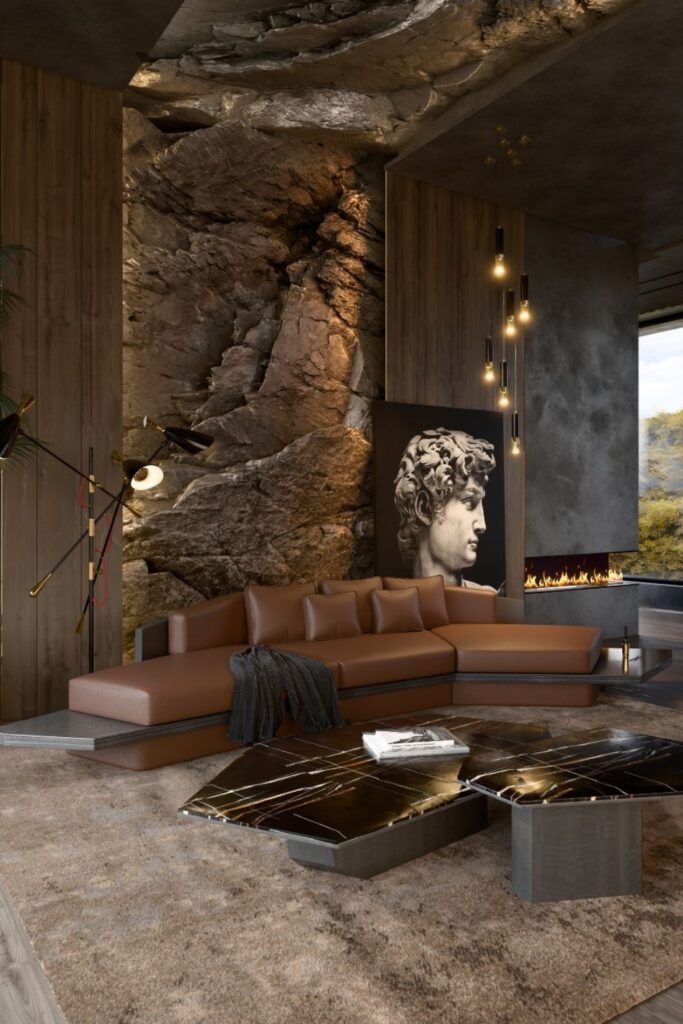
It works best if your walls have texture, stone, or tall ceilings worth showing off. If your living room feels heavy or dark, you can light the walls and vertical surfaces first [Amazon].
This creates depth and makes the space feel intentional without adding more fixtures at eye level.
This living room is a perfect example of how highlighting vertical drama can completely transform a space.
The textured stone wall becomes the main feature once it’s lit from above and along its height, drawing the eye upward and making the room feel taller and more intentional.
Instead of adding multiple lights at eye level, the lighting focuses on surfaces, stone, wood panels, and artwork, creating depth without visual clutter.
Warm Layered Zones
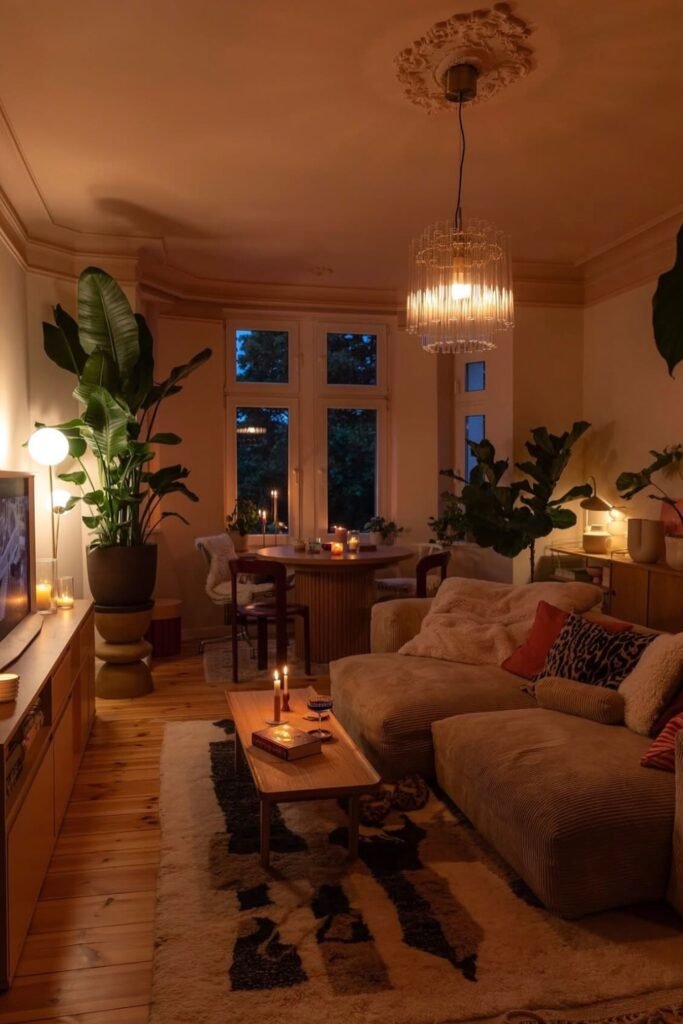
When you want your living room to feel inviting, you can spread light across zones instead of relying on a single source.
If you want this layered look, think about how you sit, walk, and relax. Each area should have its own soft light so your room feels lived-in, not overly lit..
Instead of one central light, soft lighting is spread across the room, table lamps near seating, candles on surfaces, and a gentle ceiling fixture above.
Each zone serves a purpose, whether it’s relaxing on the sofa, dining, or moving through the space.
By lighting where you actually sit and walk, the room feels comfortable and lived-in. This approach creates warmth, depth, and balance, making the living room inviting at any time of day.
Soft Fairy Layers
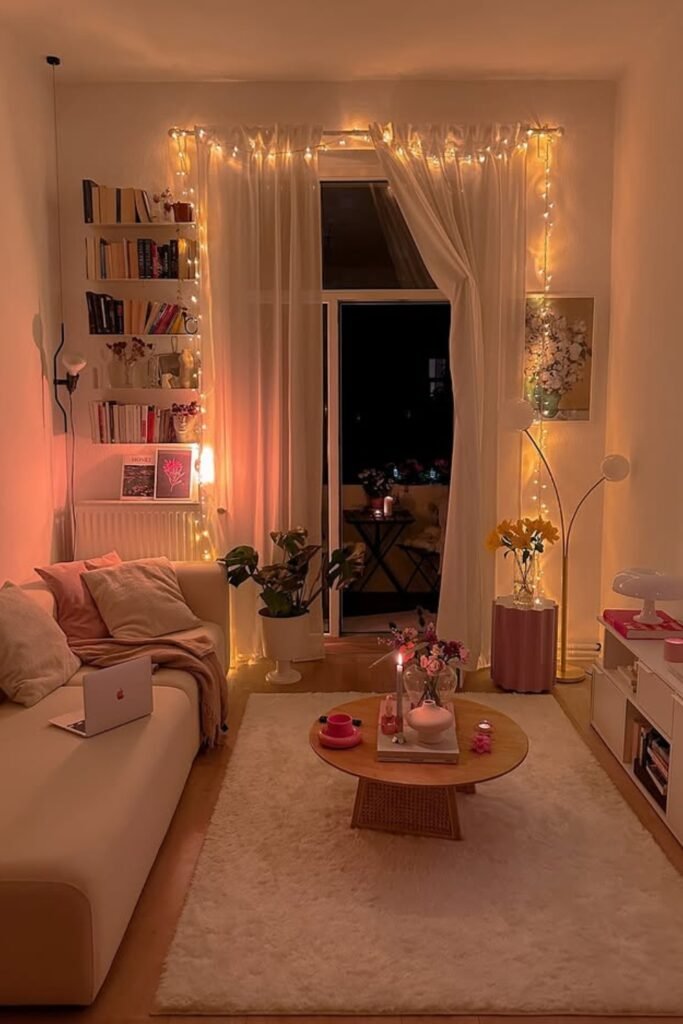
This kind of lighting works when you want instant warmth without installing anything permanent.
Your string lights [Amazon] around windows or shelves soften your room and make it feel personal, not staged.
The string lights wrapped around the window and shelving create a gentle, ambient glow that instantly warms the room without overpowering it.
Instead of acting as the main light source, they soften the edges and highlight cozy details like books, plants, and textiles.
Because nothing is hard-wired, the setup feels relaxed and flexible, ideal for apartments or small living rooms.
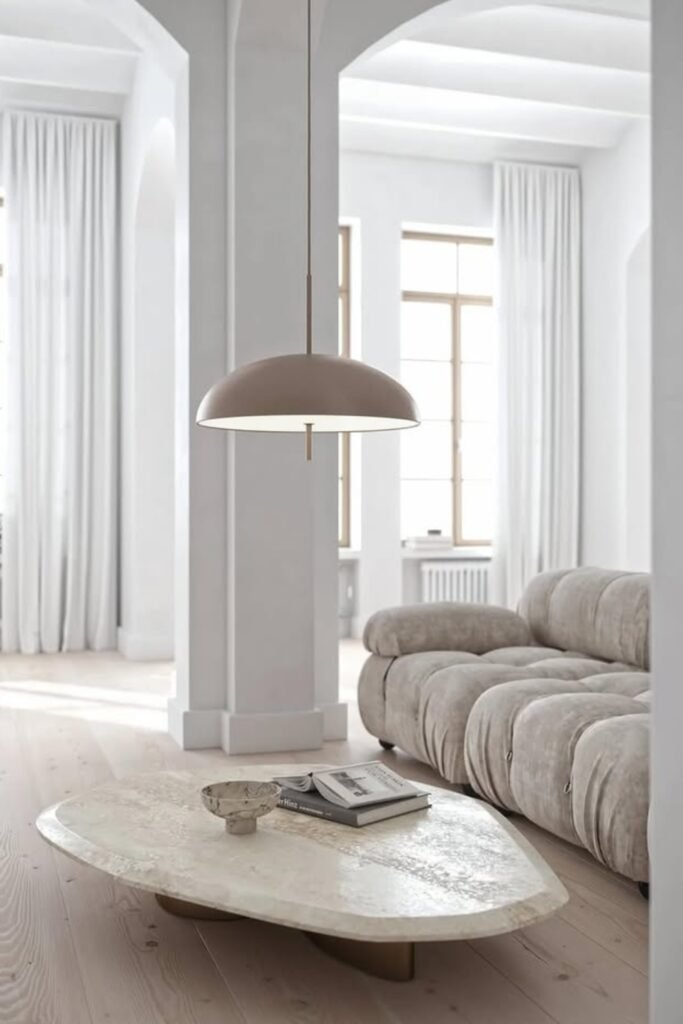
Calm Pendant Focus
When you want your living room to feel peaceful at night, you don’t need many lights to get it right.
You can place one soft pendant low over the seating area to create a calm center while keeping the rest of the room feeling open.
The single, softly diffused pendant hangs low over the seating area, gently anchoring the room and creating a quiet visual center.
Because the light is pulled down closer to where you sit, the ceiling and surrounding architecture stay light and open.
The result feels serene and intentional, perfect for evenings when you want the room to feel settled, uncluttered, and restful rather than brightly lit.
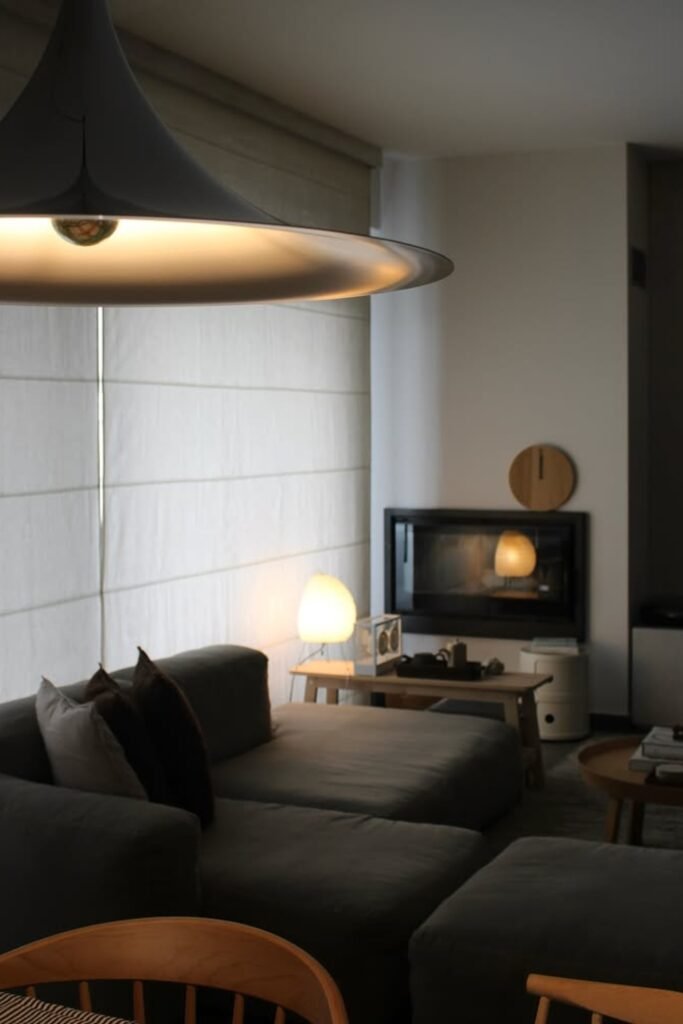
Low Hanging Glow
You pull the light down where you actually sit instead of just lighting the ceiling.
If your room feels cold or distant at night, you can lower the main light and keep it warm. You can pair it with one small side lamp [Amazon] so the space feels intimate, not dim.
This low-hanging glow works because the light is brought down into the living zone instead of being lost at the ceiling.
The pendant casts a warm, downward pool of light right where you sit, instantly making the space feel closer, softer, and more intimate.
The ceiling fades into the background while the seating area becomes the emotional center. It’s an ideal setup for evenings when you want warmth and calm without visual noise.
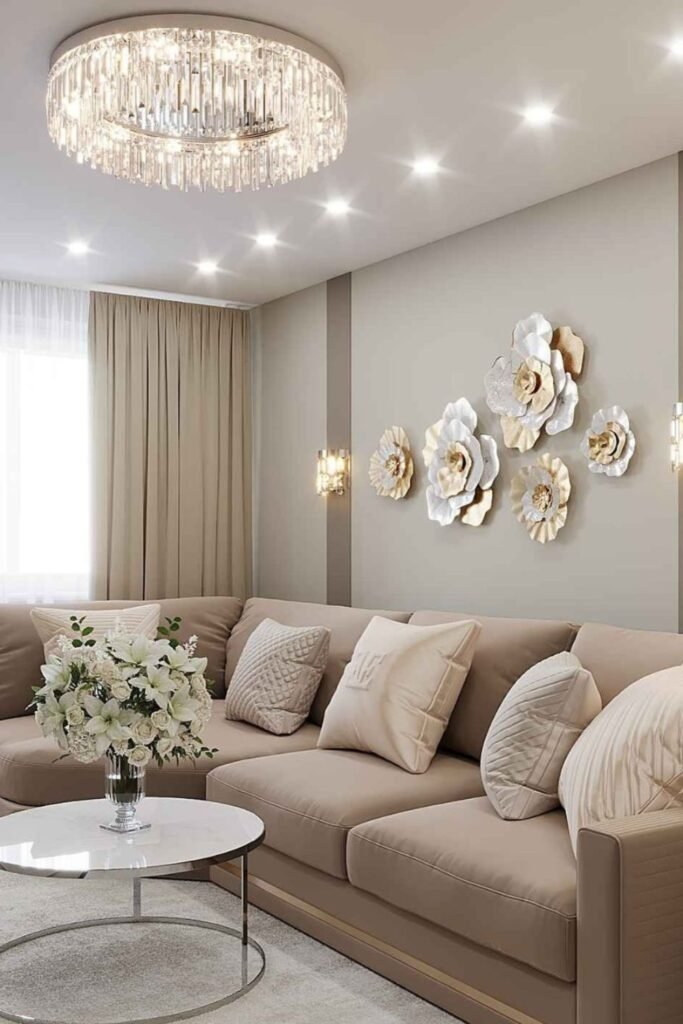
Polished Layered Luxury
The recessed ceiling lights handle brightness, wall sconces soften the walls, and a chandelier [Amazon] adds elegance without taking over the room.
You can keep everything warm and evenly spaced so your space feels calm, balanced, and polished instead of flashy.
The chandelier becomes the focal point, adding elegance and texture without overpowering the space.
This approach is ideal if you want your living room to feel refined and welcoming at the same time.
Everything looks cohesive, softly illuminated, and thoughtfully designed, luxury that feels comfortable, not showy.
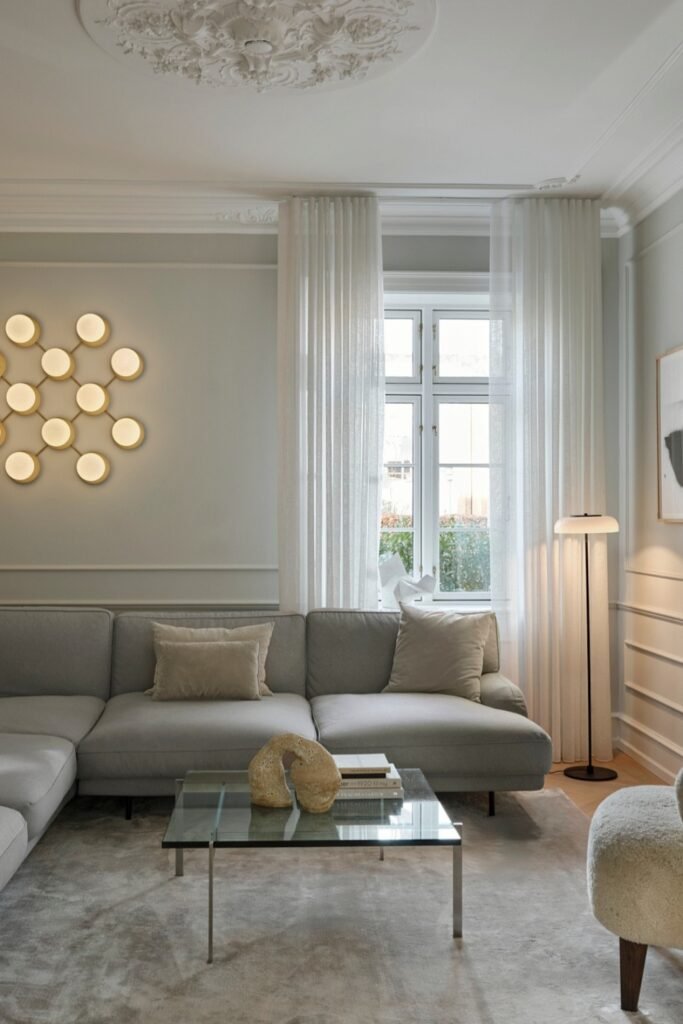
Soft Wall Balance
A wall fixture adds a gentle glow without taking up visual space, while a floor lamp [Amazon] quietly fills a corner.
If your living room feels flat, you can light the walls first. This keeps the room bright enough while still feeling relaxed and clean.
The wall fixture gives off a calm, even glow that visually lifts the space, while the floor lamp gently fills the corner with warmth.
When you light the walls first instead of relying only on ceiling lights, the space instantly feels more balanced and inviting.
It’s perfect if your living room feels a bit flat or dull, because the light adds depth while still keeping everything relaxed, clean, and comfortable.
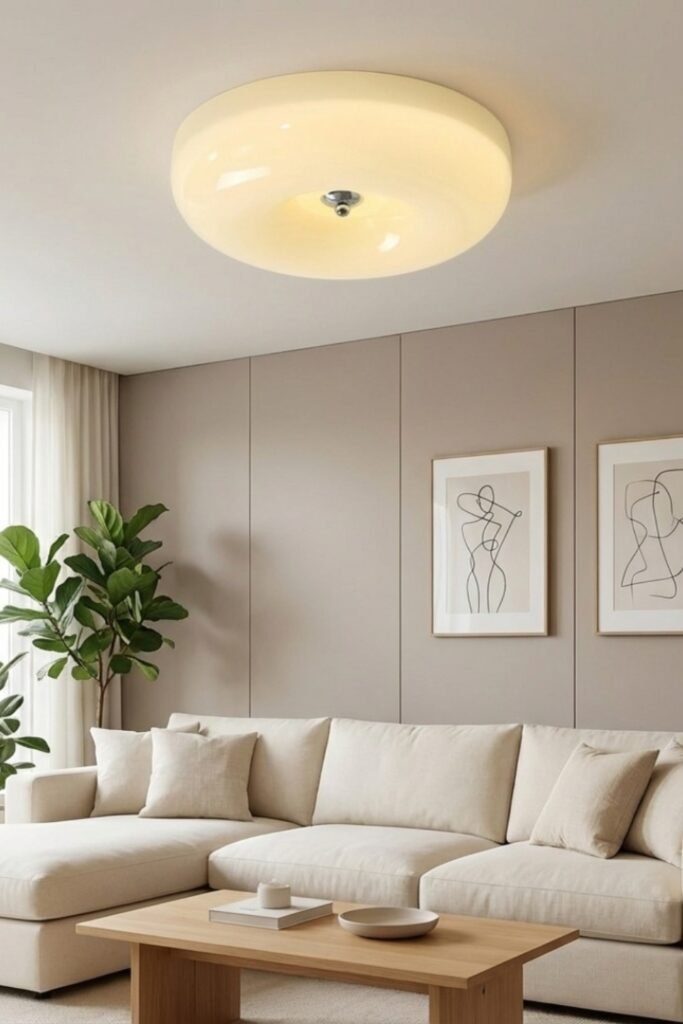
Simple Ceiling Softness
A flush fixture spreads light [Amazon] evenly without stealing attention from the seating area. If your living room feels cluttered or busy, you can try this approach to keep things calm.
You can use warm bulbs and add one side lamp later if evenings feel too flat. It’s perfect for low ceilings or minimalist spaces that need quiet light, not showy fixtures.
A flush ceiling fixture spreads light evenly across the space without drawing attention away from your furniture or decor.
This makes it perfect for minimalist interiors or rooms with low ceilings where bulky lighting would feel overwhelming. Using warm bulbs keeps the atmosphere cozy rather than harsh.
Overall, this approach creates quiet, balanced lighting that feels comfortable and effortless instead of dramatic.
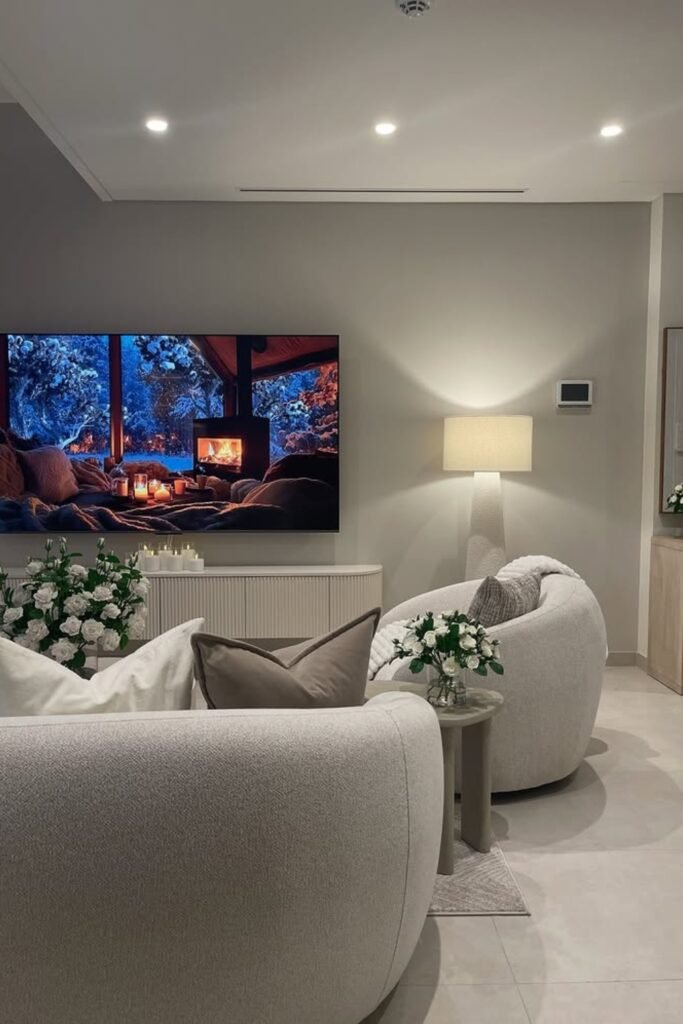
TV-Friendly Lighting
You can keep the light soft and indirect by letting recessed ceiling lights stay subtle while a floor lamp adds just enough glow behind your seating.
You can keep light sources away from the screen and behind where you sit so the room feels comfortable and your eyes don’t tire after a long evening.
By keeping recessed ceiling lights dim and subtle, you avoid glare on the screen while still maintaining a soft overall glow.
A floor lamp placed behind or beside the seating adds just enough warmth to balance the room without shining directly into your eyes.
This setup creates a cozy, cinema-like atmosphere that feels intentional, calm, and easy on the eyes.
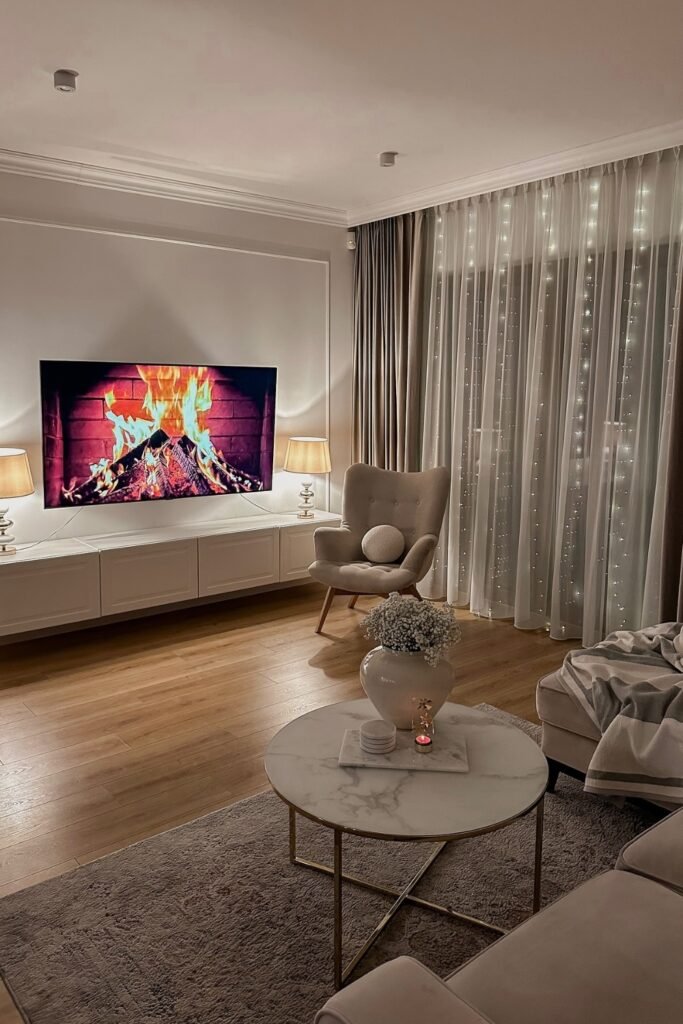
Evening Glow Control
When your living room feels too bright or distracting at night, you can keep lighting low and balanced on both sides of the TV.
You can let table lamps [Amazon] soften the space while ceiling lights stay quiet in the background.
This makes the room cozy and keeps screen time comfortable without darkening the whole space.
By lowering overall brightness and balancing light on both sides of the TV, you reduce glare and visual distractions.
It’s ideal for relaxed evenings, movie nights, or winding down, helping your eyes stay comfortable while the room still feels inviting and thoughtfully lit.
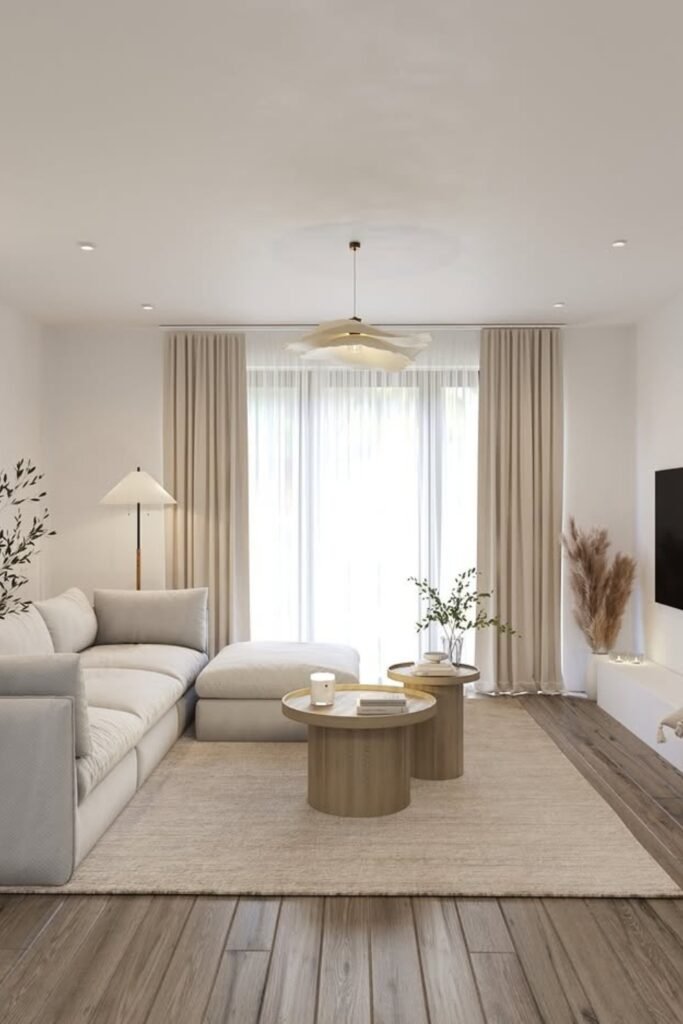
Soft Day-Night Balance
If your room feels too cold at night, keep the ceiling lights low and let one soft pendant [Amazon] do most of the mood work.
This works especially well in bright, neutral spaces that need a gentle transition from day to night.
In a light, neutral space like this, you don’t need many lights working at once. Let one soft pendant over the seating area become the main mood setter, casting a warm, focused glow.
This creates intimacy without darkness and keeps the space feeling airy.
It’s especially effective in minimal rooms where natural light dominates during the day and warmth is needed after sunset.
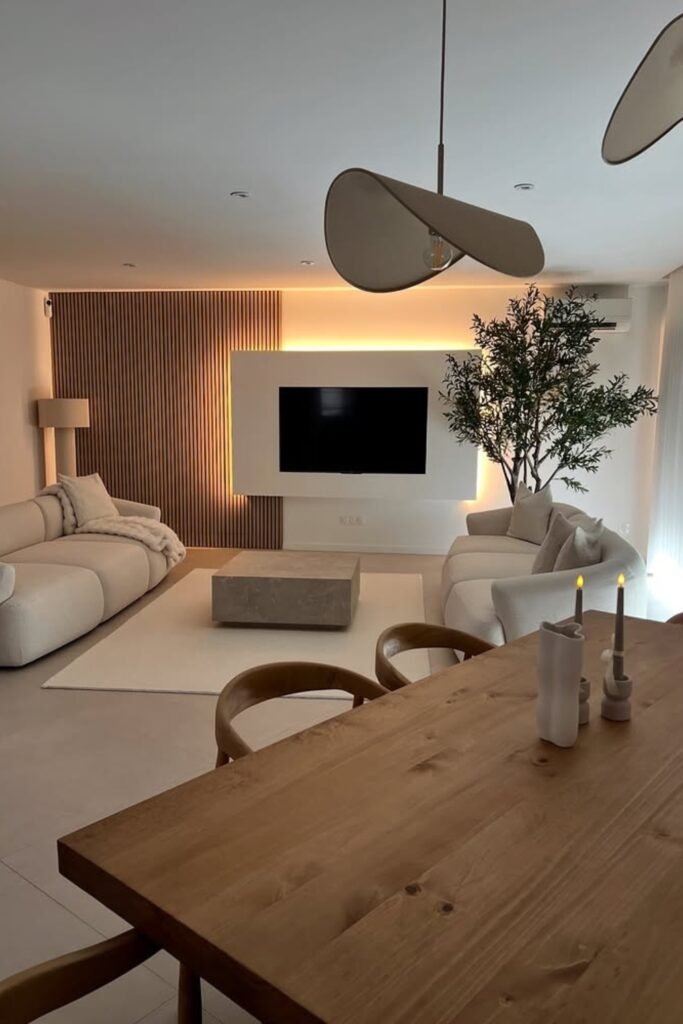
Backlit Wall Depth
When your living room feels flat or too bright at night, you can add hidden LED strips [Amazon] behind the TV wall or shelving.
You can create a modern, mood-focused space without visible fixtures, which makes your room feel calm and intentional.
This indirect glow reduces harsh contrast at night, making the space feel calmer and more comfortable for relaxing or watching TV.
Because the light source stays out of sight, the room feels clean and intentional rather than overly designed.
It works especially well in modern or minimalist interiors where subtle mood matters more than brightness.
Elegant Wall Framing
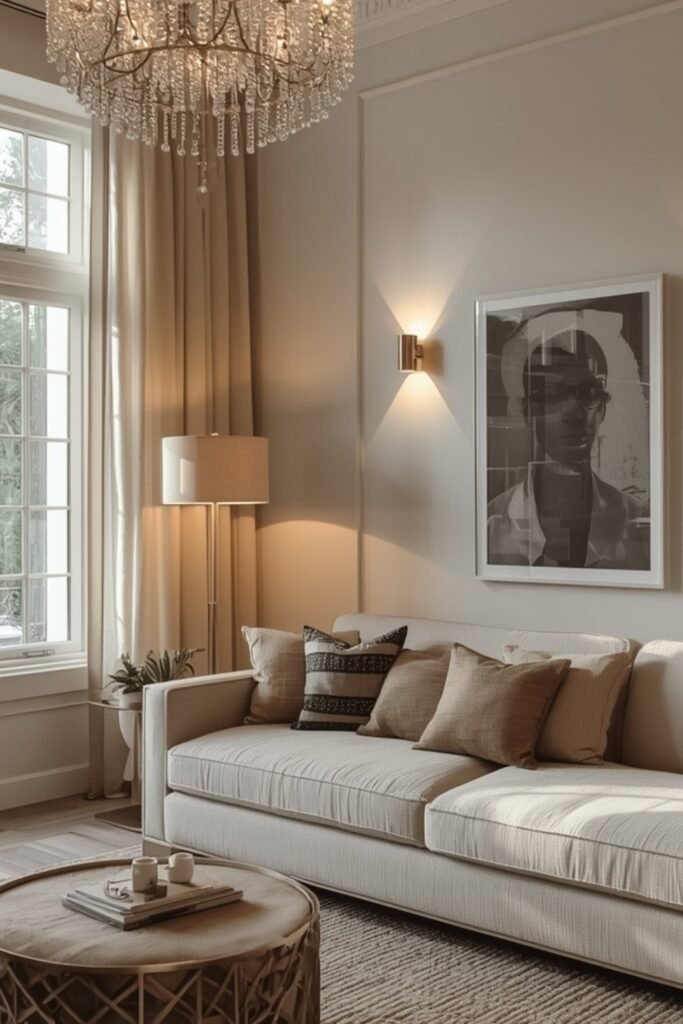
When your living room feels empty or unfinished, you can frame the seating with wall lights [Amazon] instead of letting the ceiling do all the work.
It works best in classic or transitional spaces where symmetry and calm matter more than brightness.
By placing wall sconces on either side of the sofa or artwork, you create a soft frame that visually anchors the seating area.
This approach adds symmetry and warmth, making the space feel finished and intentional rather than bare.
It’s especially effective in classic or transitional interiors where subtle lighting and refined structure matter more than brightness.
Fireplace Glow Layers
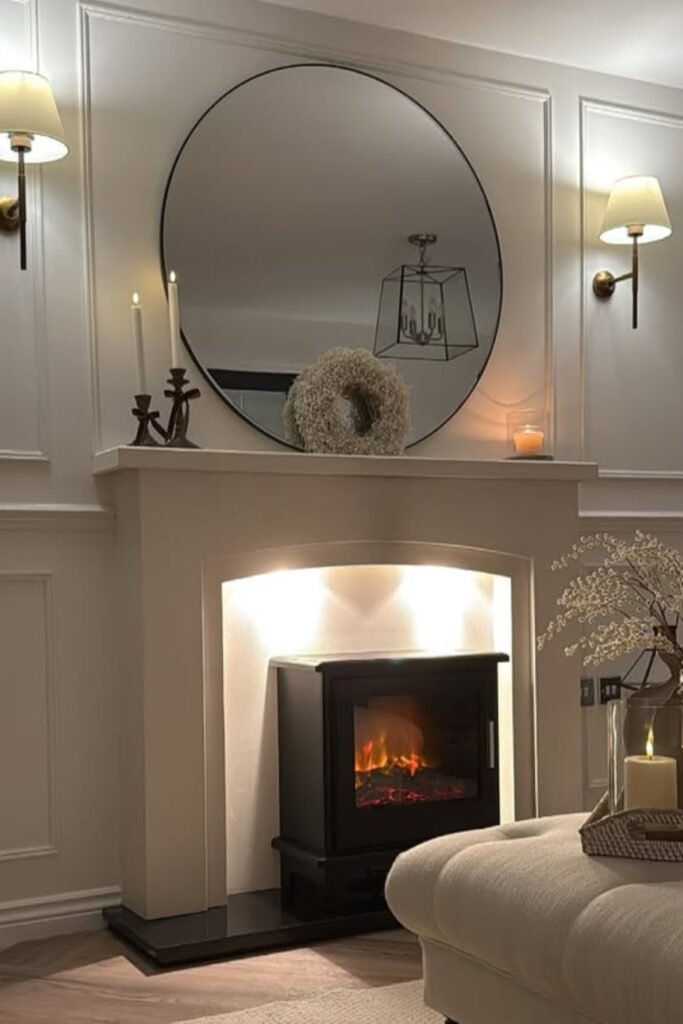
The sconces [Amazon] frame the focal point, while the fire adds a soft, natural glow at eye level. If your living room has a fireplace but still feels flat, light around it instead of above it.
This setup works best for cozy evenings where comfort matters more than brightness.
This layered approach keeps the light soft and comforting, not harsh or overhead.
It works especially well when you want a relaxed, intimate atmosphere, perfect for quiet nights, conversations, or unwinding, where warmth and mood matter more than overall brightness.
By placing wall sconces on either side, you frame the fireplace visually and give the wall structure, while the fire itself adds a warm, natural glow at eye level.
Sculptural Ceiling Balance
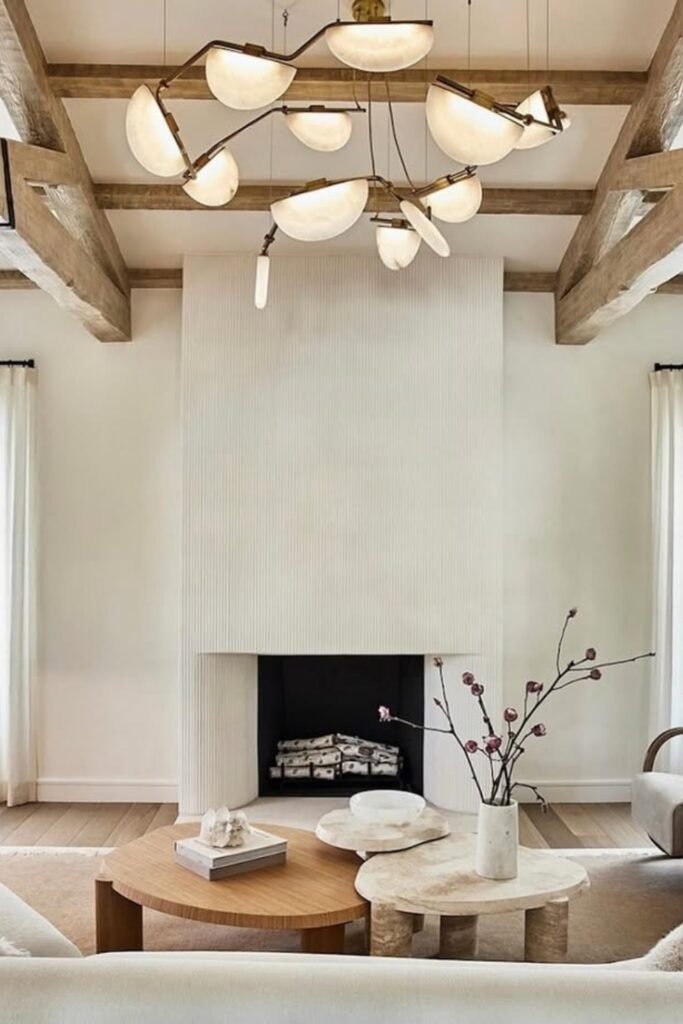
When your living room has high ceilings or exposed beams, you can use the ceiling itself as part of the design.
You can choose a wide, sculptural fixture [Similar on Amazon] to fill the open space and keep the room feeling warm instead of empty.
Instead of letting high ceilings or exposed beams feel cold or empty, a wide, sculptural ceiling fixture fills the vertical space with intention.
The light becomes part of the architecture, not just a utility. By spreading illumination outward and downward, it keeps the room warm and grounded while drawing the eye up.
This approach is ideal for open, airy rooms where you want drama and softness at the same time, bold enough to anchor the space, but calm enough to feel livable.
Hidden Ceiling Glow
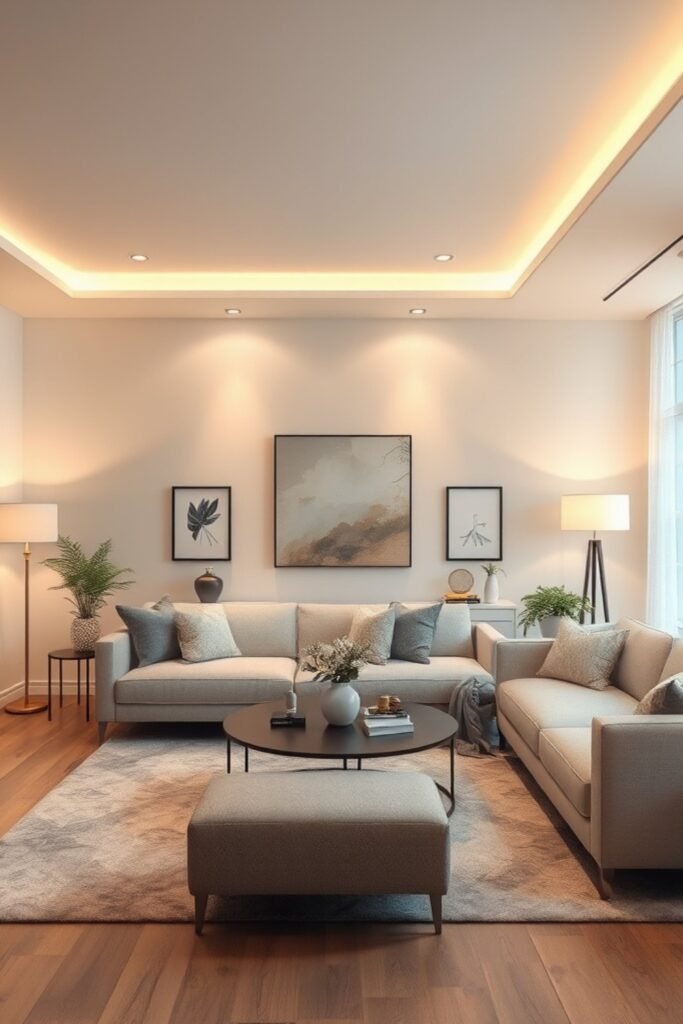
If your living room feels harsh or flat at night, add LED strip lighting [Amazon] inside a ceiling recess and keep it warm.
Let floor lamps [Amazon] handle the rest, this works especially well in modern homes where you want mood without seeing the light source.
When light comes from a recessed ceiling edge, it spreads gently across the room instead of shining directly in your eyes.
The warm LED strip lighting works best here, especially in the evening when you want the space to wind down.
This setup is perfect for modern living rooms where you want mood and comfort without obvious light fixtures stealing attention.
Zone Lighting Mix
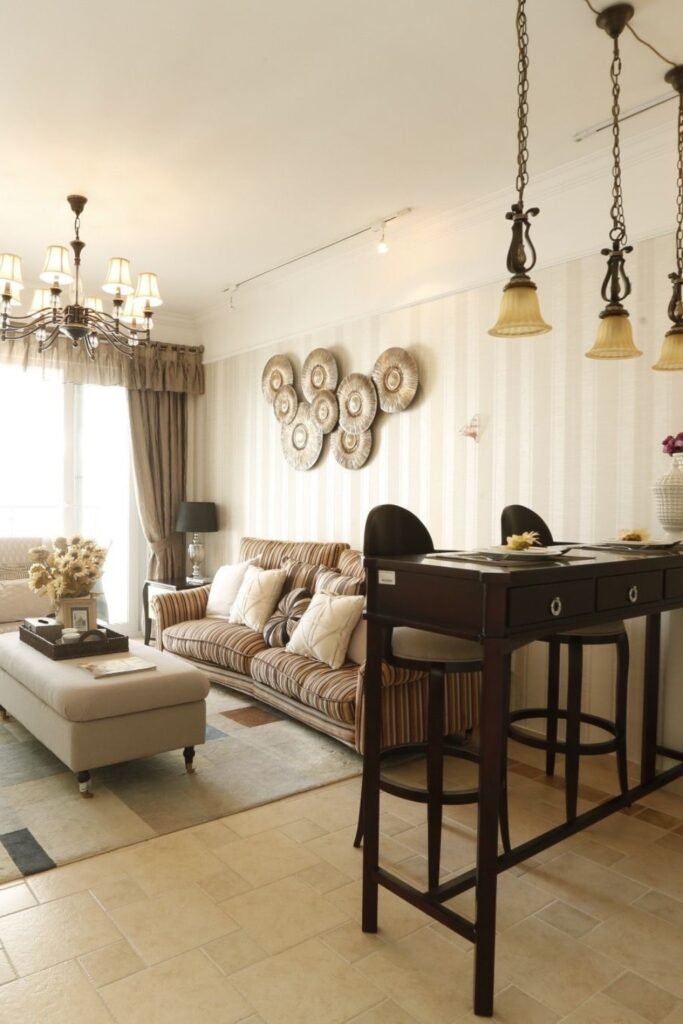
When your living room is open, you can break it into zones and light each one based on how you actually use it.
The chandelier [Amazon] can define the seating area while pendant lights focus on a bar or corner without spilling light everywhere.
By giving each area its own purpose-driven lighting, the space feels organized and intentional.
A chandelier over the seating area creates a clear visual anchor and adds warmth where people gather to relax.
This approach keeps the space comfortable and flexible, letting you turn on only the zones you’re using. It’s ideal for open layouts that need definition without walls or heavy dividers.
Cozy Wall Framing
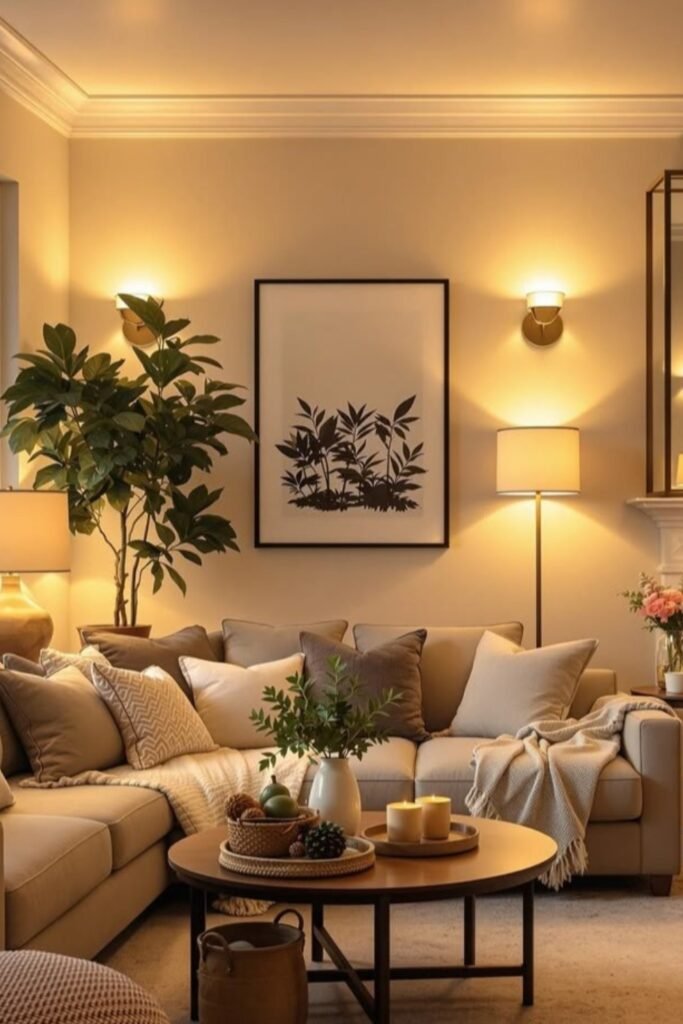
When you want your living room to feel comfortable, you can wrap the light around the seating instead of shining it directly down.
If your living room feels cold or flat at night, you can light the walls [Amazon] first and let the sofa sit in softer light.
Instead of relying on overhead lighting, wall sconces and nearby lamps gently wash the walls with light, softening the entire space.
This approach reduces harsh shadows and makes the seating area feel more inviting, especially in the evening.
By keeping the brightest light off the ceiling, the room feels calmer and more intimate. The sofa naturally becomes a place to unwind rather than sit under a spotlight.
Frequently Asked Questions
How many lights does a living room need?
You can start with one main light, then add floor or table lamps near where you sit and one accent light to create depth.
If your room still feels flat, you don’t need a brighter bulb, you can add more layers instead, and that’s what really makes the space feel balanced and inviting.
Should living room lights be warm or cool?
You can use bulbs between 2700K and 3000K [Amazon] so the space feels relaxed in the evening.
If you use cool light instead, your room can feel sharp and uncomfortable, especially when you’re trying to unwind after a long day.
You may like to read!
