
24 Scandinavian Living Room Ideas for 2026

This article may contain affiliate links: read full affiliate disclosure.
You might love the look of Scandinavian living rooms, but when you try to recreate it, something feels off.
You can end up with a room that feels too empty, too cold, or just unfinished. That doesn’t mean the style doesn’t work, it just means no one has shown you what actually makes it work.
Scandinavian design isn’t about removing everything or painting your walls white and hoping for the best.
When you focus on making the room feel calm, bright, and easy to live in, everything comes together.
In this article, you will exactly know what is scandinavian living room and what are the features of sandinavian style.
What is a Scandinavian Living Room?
When you step into a Scandinavian living room, you’ll notice it’s designed to make your daily life easier and calmer.
You can see that it focuses on light, comfort, and function before anything else. If something doesn’t help you relax, move, or use the space better, it simply doesn’t belong there.
That’s why these rooms feel open without feeling empty. The light colors help you bounce natural light around, simple furniture keeps your space breathable, and soft textures add warmth.
You can remember that the goal isn’t to impress anyone, it’s to create a living room that feels good for you to spend time in every single day.
What Are The Features Of Scandinavian Style?
When you look at Scandinavian style, you will see it’s built on a few clear features that work together. The light always comes first, so you can keep walls bright and windows open.
You can choose furniture that stays simple and practical, never bulky or decorative for no reason.
The neutral colors create a calm base, while wood and soft fabrics add warmth for your space.
The cozy elements like rugs, throws, and warm lighting make sure your room doesn’t feel cold.
If every item serves a purpose and nothing feels forced, you are already following Scandinavian style the right way.
Calm Center Focus
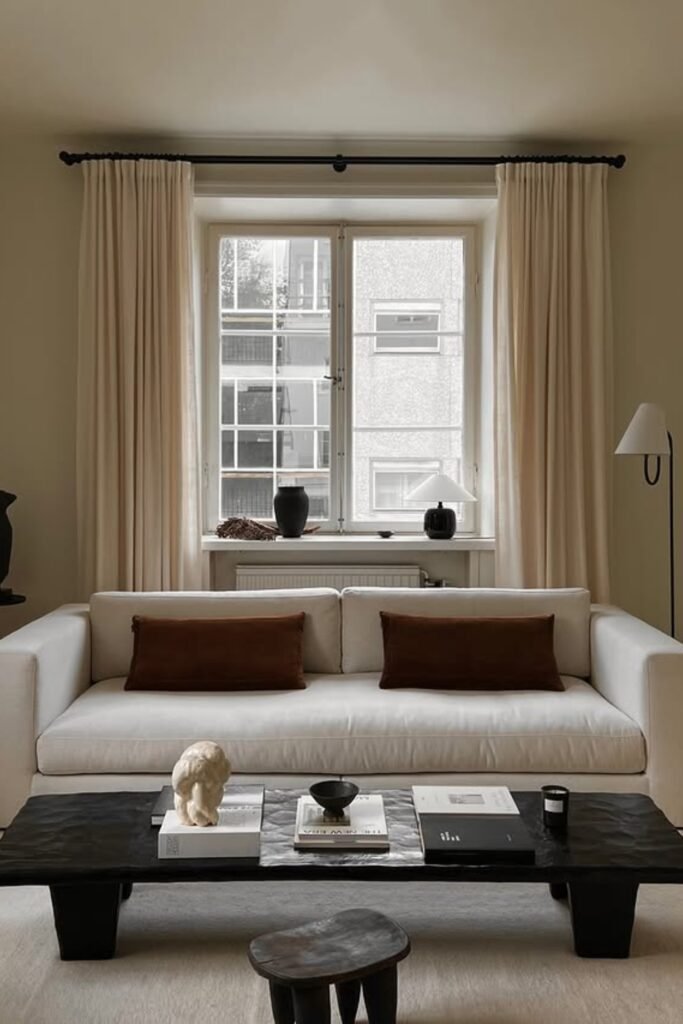
When you want your living room to feel grounded, let it revolve around one quiet focal point instead of many small ones.
You can align the sofa, window, and coffee table on a single axis so the space feels intentional.
Zones Without Walls
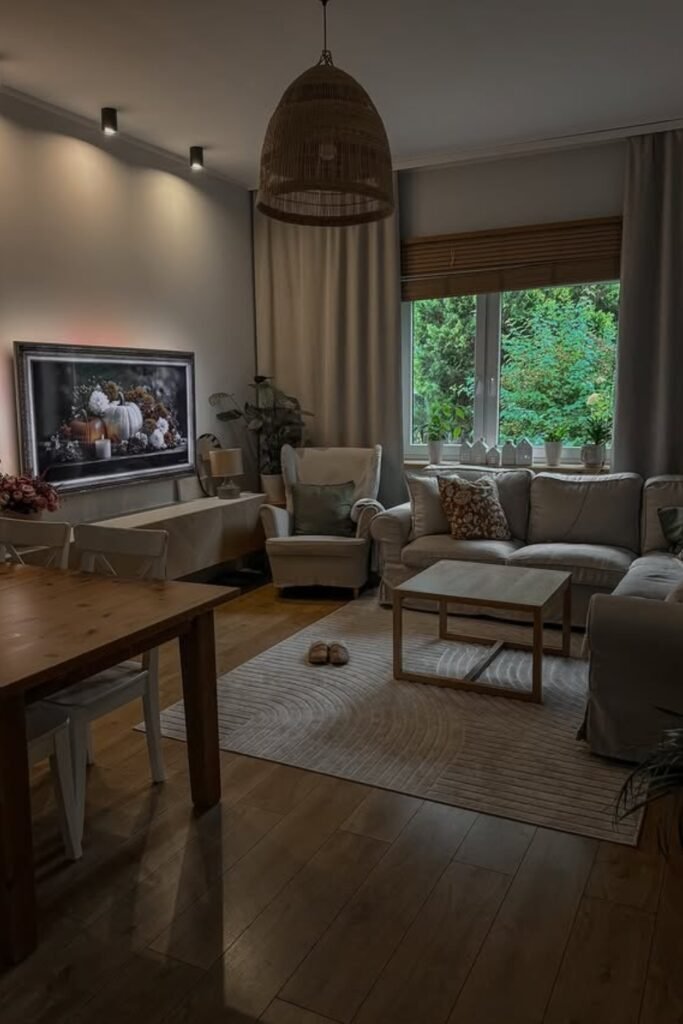
You can use rugs, lighting, and furniture direction to quietly define zones. The sofa and rug can anchor the living area, while the dining table stays visually lighter.
If you have an open-plan space, let the zones flow into each other instead of forcing hard breaks.
Soft Layers Win
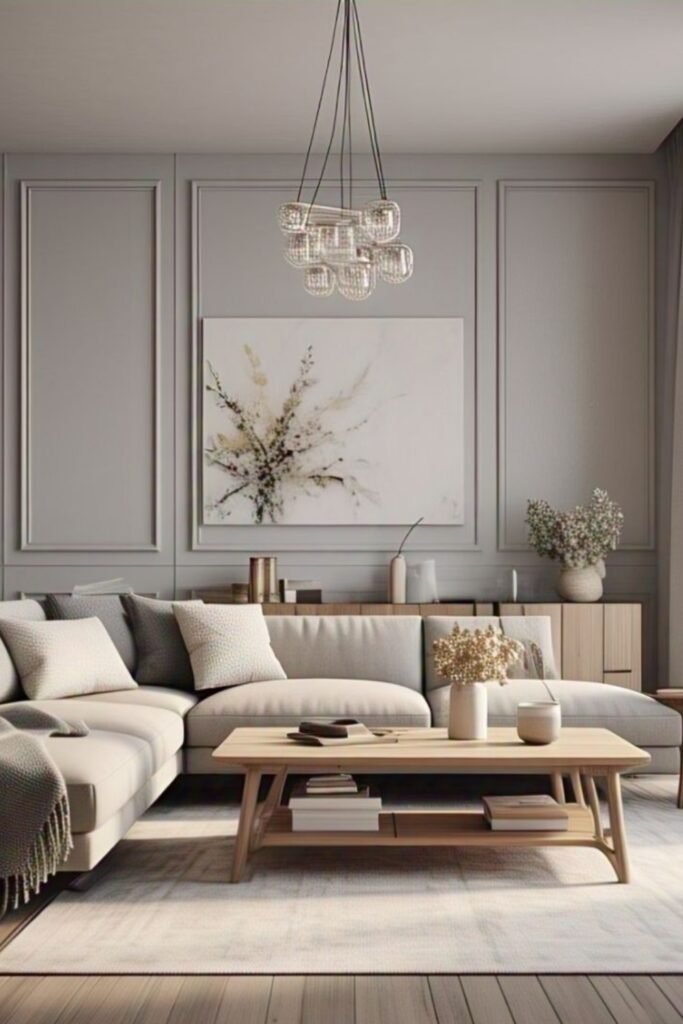
You can keep a sectional simple and let throws, cushions, and a textured rug do the warming work. If your living room feels flat, don’t add more pieces, add softness instead.
You can stick to similar tones, mix fabrics, and let everything feel relaxed. This works especially well in larger living rooms that risk feeling too clean or empty.
Warm Neutrals Work
A Scandinavian living room doesn’t have to stay pale to feel calm. You can use warmer neutrals to keep things grounded.
The soft brown sofa adds depth without overpowering the space, while light walls and natural textures keep everything balanced.

Texture Over Decor
You can use woven lighting, soft upholstery, wood furniture, and a calm rug to create a cozy, effortless feel.
If your living room feels styled but still empty, swap decorative objects for tactile materials. You can use woven lamps, fabric chairs, and natural wood to build comfort that feels lived-in.

Storage As Calm
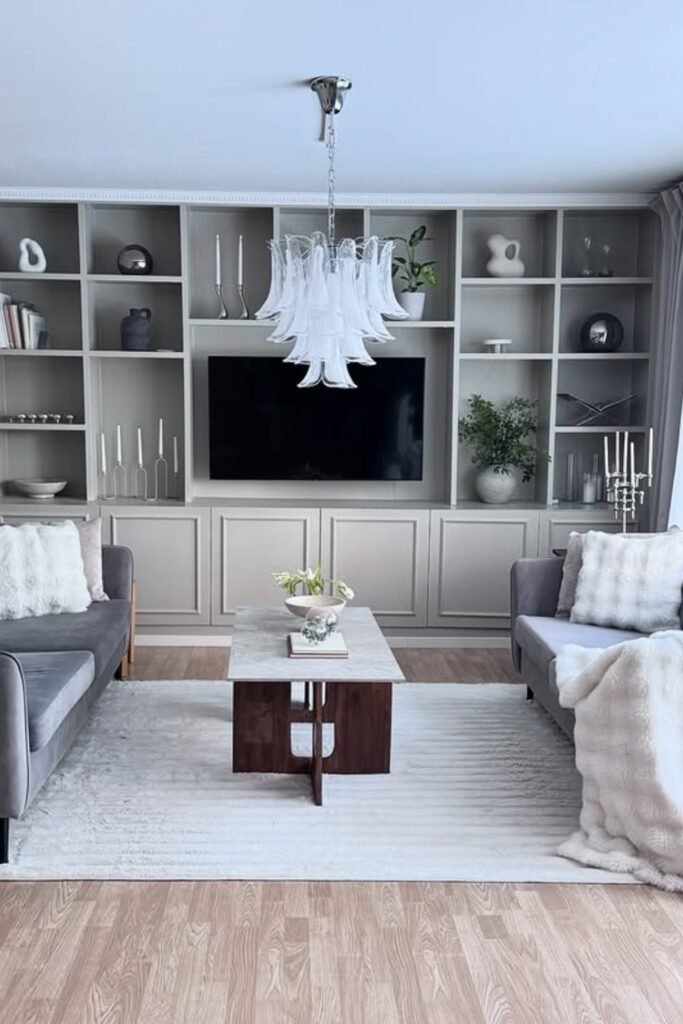
You can give everything a place so nothing spills into the seating area. You can style shelves lightly, repeat similar objects, and let storage support the room instead of dominating it.
If your living room feels messy even when it’s clean, hidden and open storage like this can fix that.
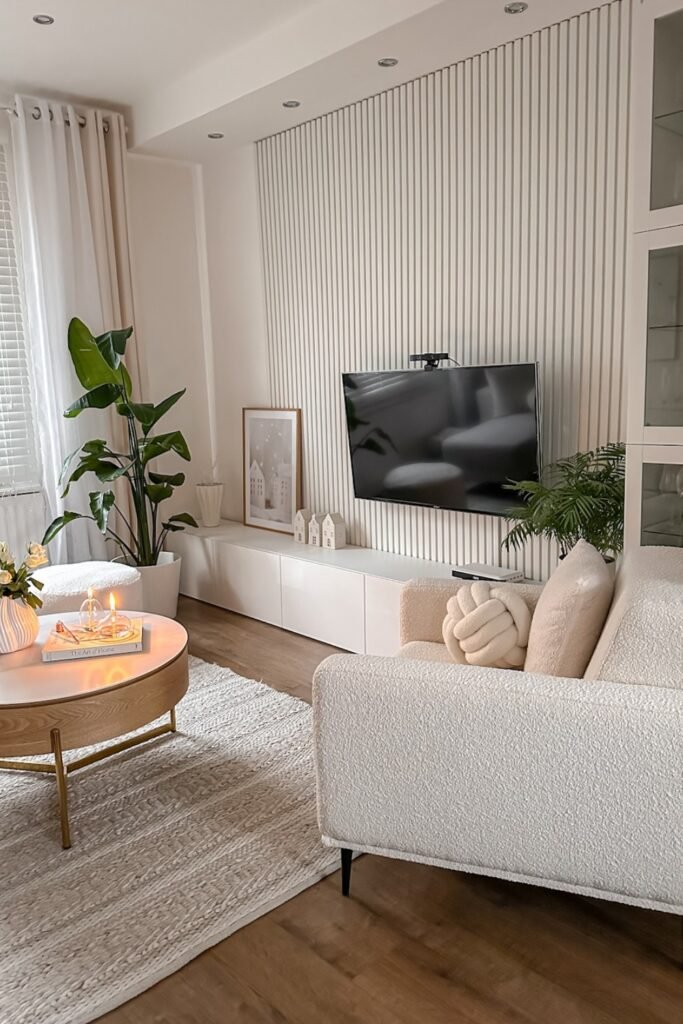
Soft White Balance
This living room shows how white can feel warm instead of flat. You can rely on texture, boucle seating, a woven rug, and soft wood tones, to keep the space inviting.
If your living room feels too plain, don’t change the color palette; change the surfaces. You can mix matte, soft, and natural finishes so the room stays calm but never feels empty.
Quiet Seating Corners
Instead of pushing all seating together, you can create breathing space between pieces. The sofa handles daily comfort, while the chairs form a calmer, slower corner.
You can let empty space exist between furniture so the room feels relaxed, not staged. This works especially well in wider living rooms with good natural light.

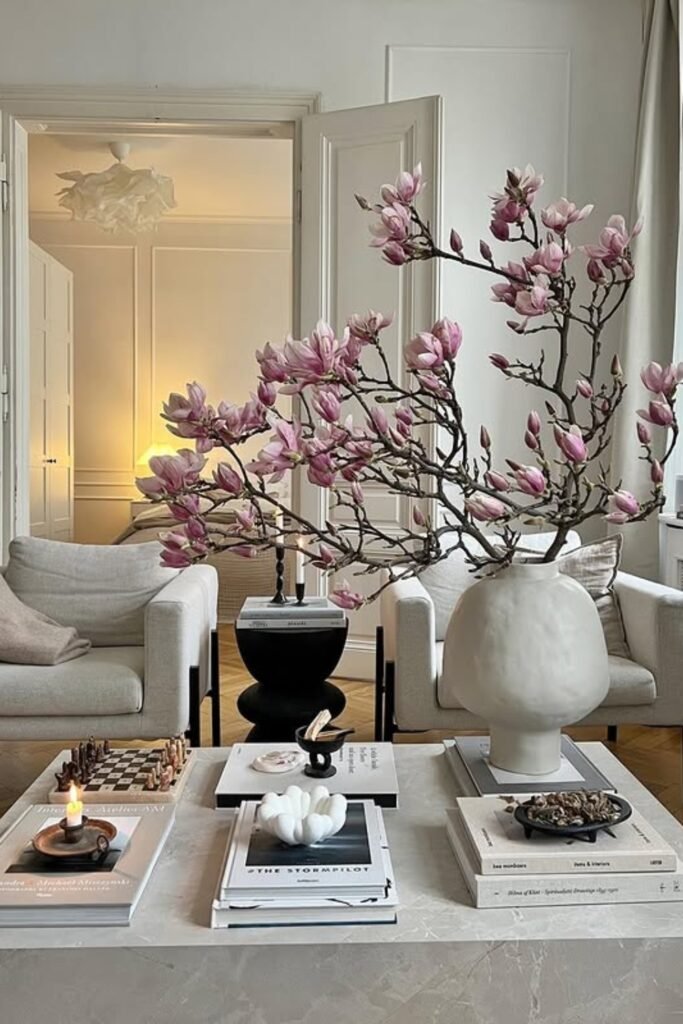
One Statement Piece
When you want your living room to feel intentional, one bold element can set the mood.
You can use an oversized branch arrangement to anchor the space and draw your eye without adding clutter.
Plants Add Height
A greenery does more than decorate when you want to fix a room’s proportions. You can add a tall plant to pull the eye upward and soften a TV wall without cluttering the space.
If your living room feels flat or boxed in, add one large plant instead of several small ones.

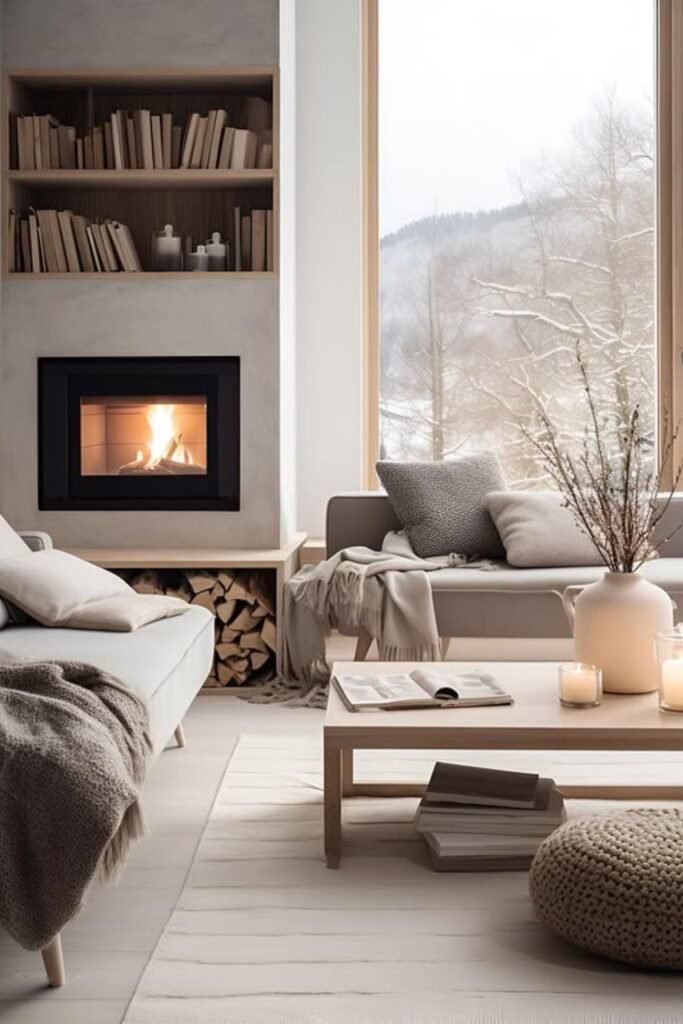
Fireplace As Anchor
When you want a natural center, a fireplace instantly grounds the living room. You can arrange sofas facing inward, keep textures soft, and maintain light colors so the space feels calm.
Let that element guide furniture placement so the room feels warm, focused, and easy to settle into.
Balanced Quiet Contrast
A calm living room doesn’t mean everything has to match perfectly. You can keep a soft neutral base while letting one deeper accent like a warm cushion or dark artwork, quietly add focus.
You can keep furniture light and simple, then let one or two elements break the calm without taking over the space.
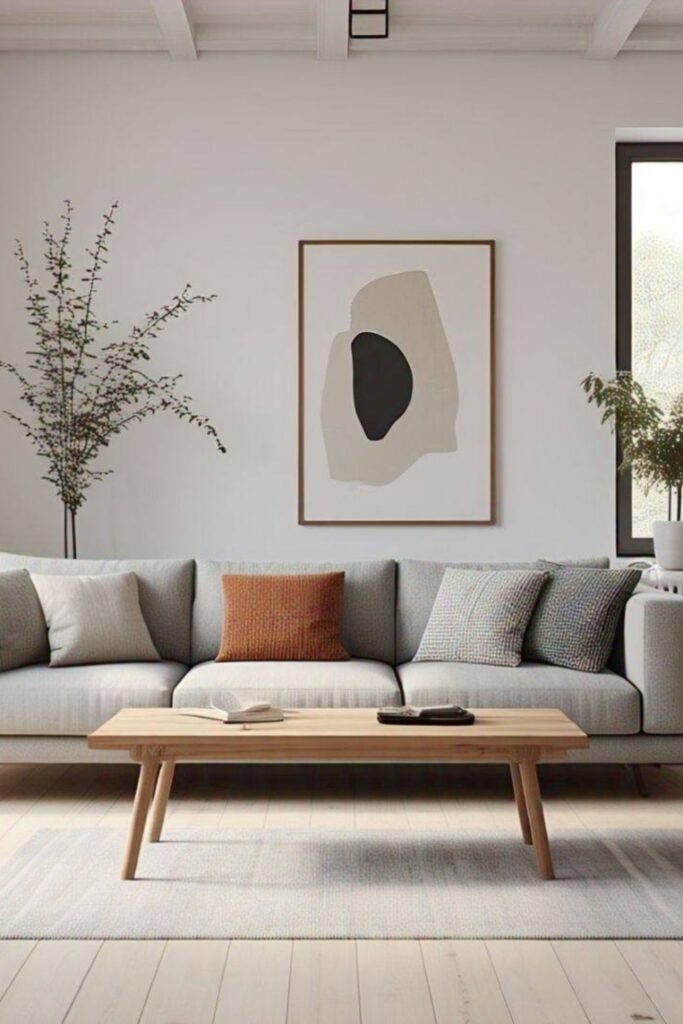
Soft Curved Comfort
If your living room feels too sharp or rigid, adding one rounded piece can change the mood.
You can keep the rest of the furniture simple so the curves stand out without overwhelming the room.
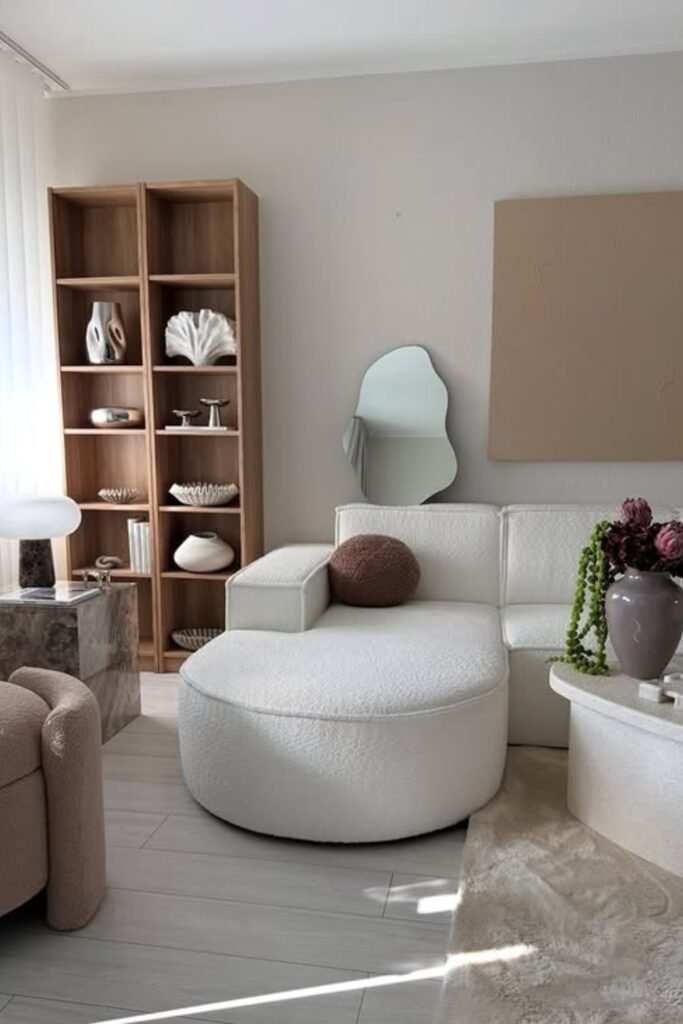
Books Become Walls
When you use books as architecture instead of decoration, your living room gains warmth and personality.
You can install full wall shelving to add height and interest without cluttering the seating area. If your living room feels bare or too quiet, build vertical interest instead of adding more furniture.
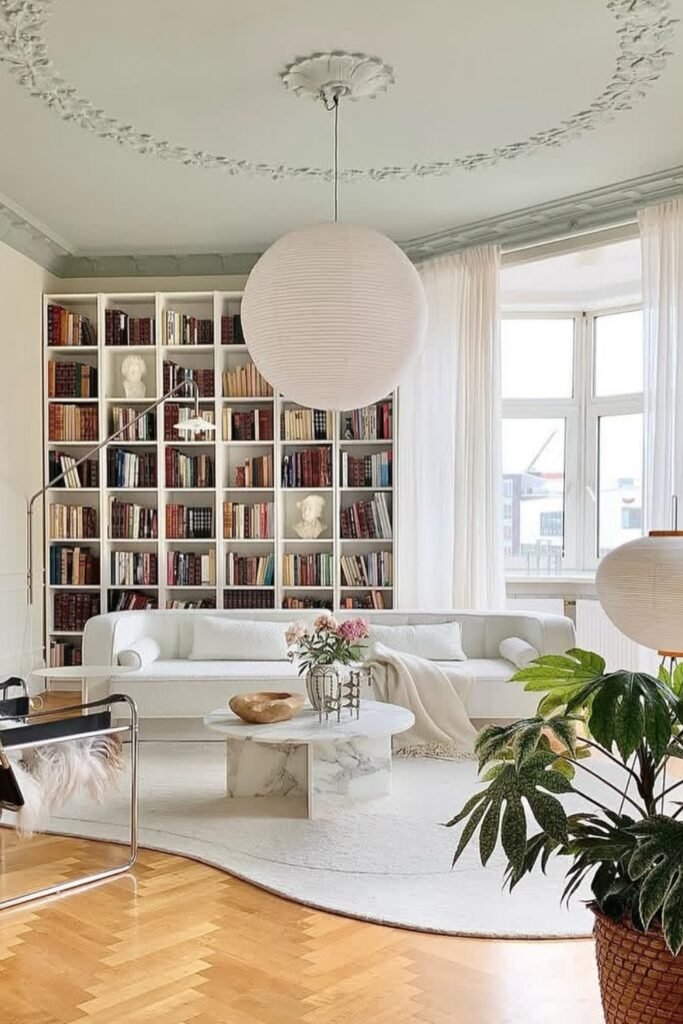
Fewer Objects Matter
If your living room feels cluttered, you can remove half the accessories and keep only pieces with strong shape or weight.
One sculptural candle holder and a solid table can do the job without extra items. Let negative space exist around them so each object feels intentional instead of lost in the room.
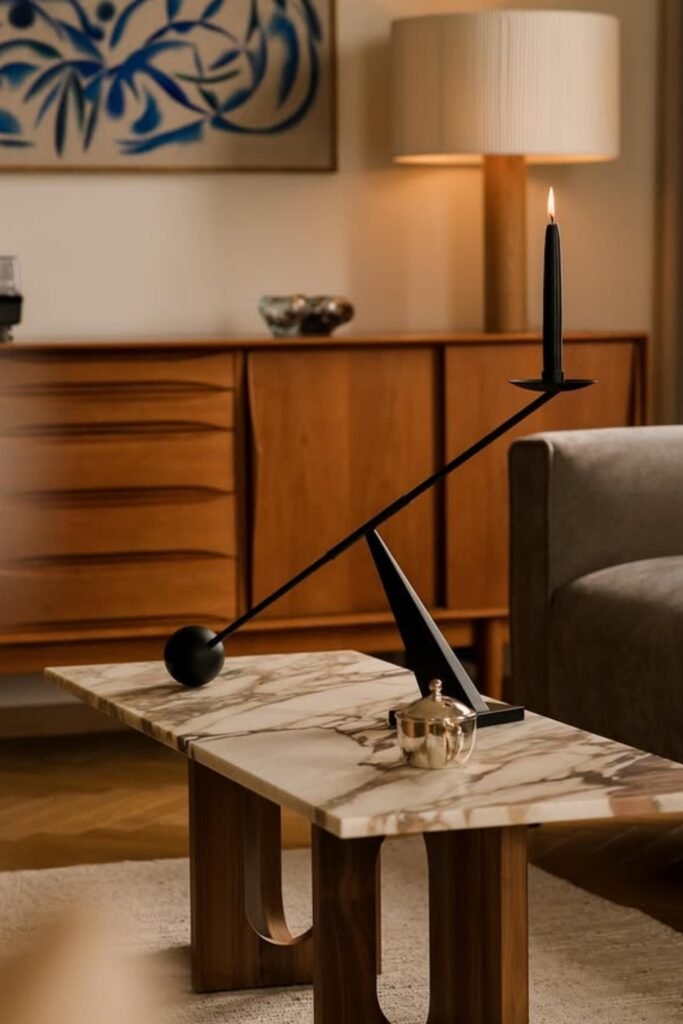
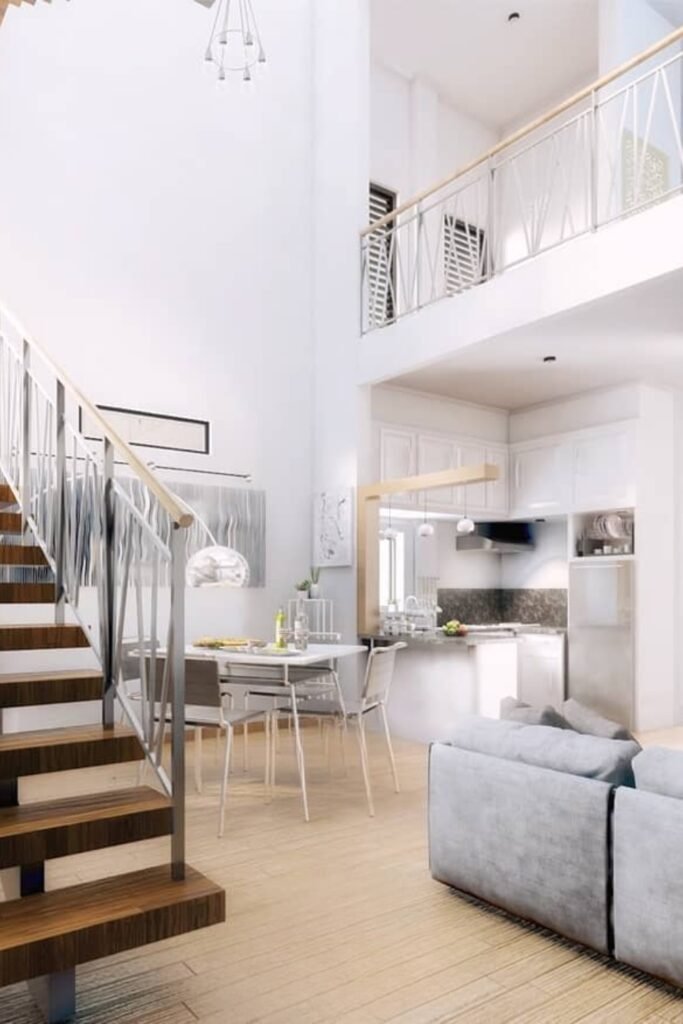
Vertical Space Matters
When your living room has high ceilings or a loft layout, using vertical space correctly keeps the room airy.
If your space feels overwhelming, avoid heavy pieces and keep the lower area visually light so the verticality feels balanced and elegant.
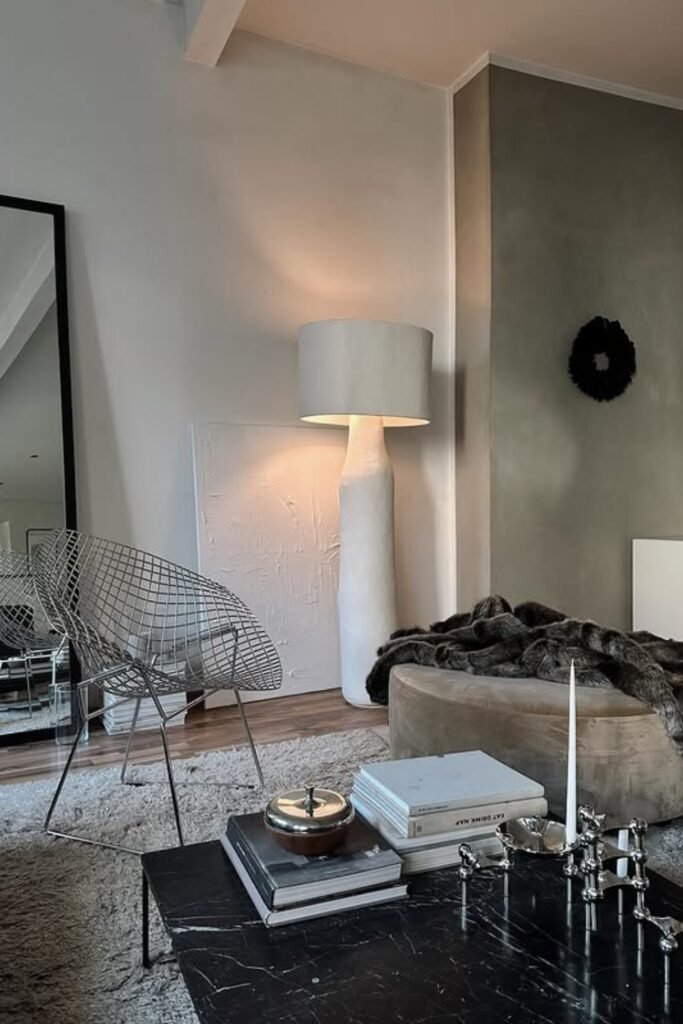
Quiet Mood Corners
When you want a calm corner, you can use contrast, hard lines, soft textures, and low light working together.
You can add a sculptural chair, a grounded table, and soft lighting to create depth without filling the whole room.
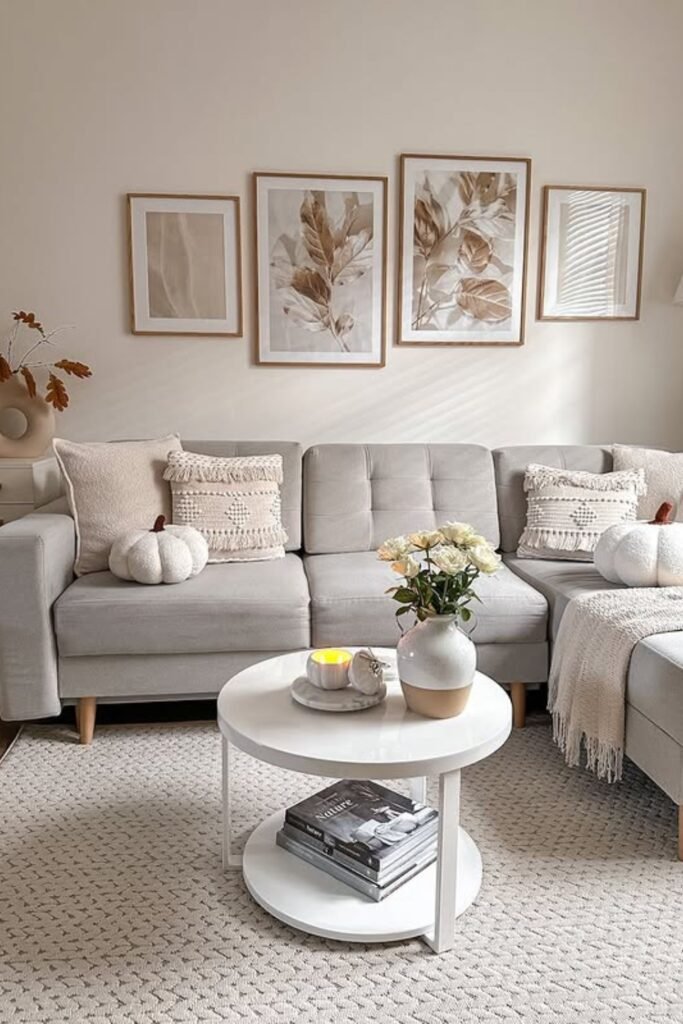
Soft Wall Rhythm
The living room feels pulled together when the wall art follows a quiet rhythm instead of stealing attention.
You can group similar tones, use simple frames, and space artwork evenly to keep the focus on the seating below.
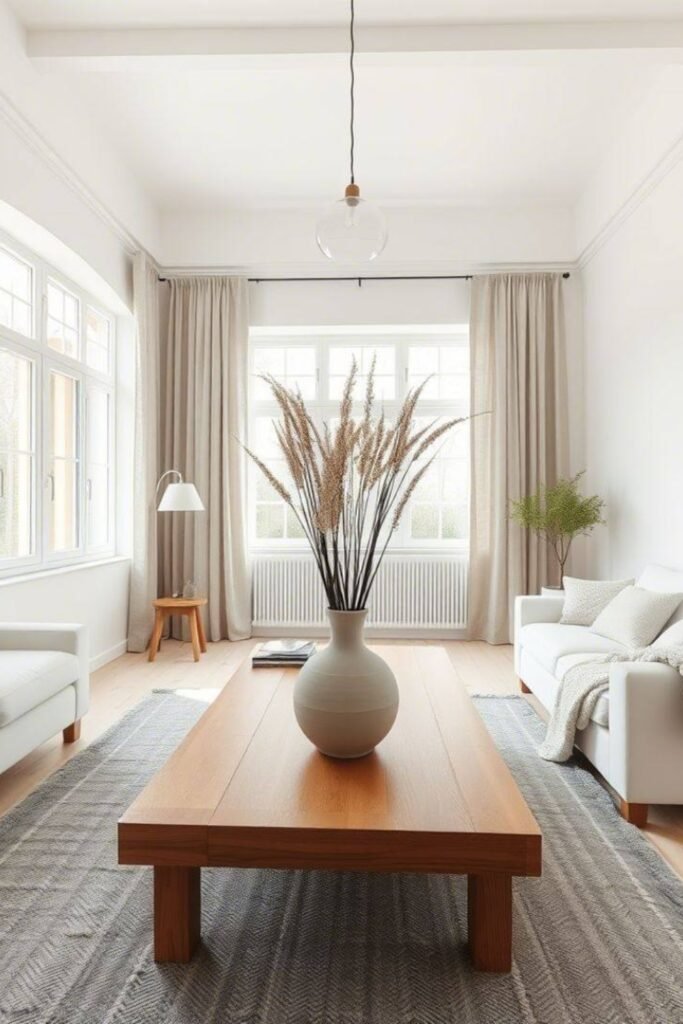
Space Over Stuff
You can keep furniture low and simple so light and movement flow freely. When the room can breathe, everything in it feels calmer and more purposeful.
If your living room feels tight or overfilled, remove one extra piece and widen the layout.
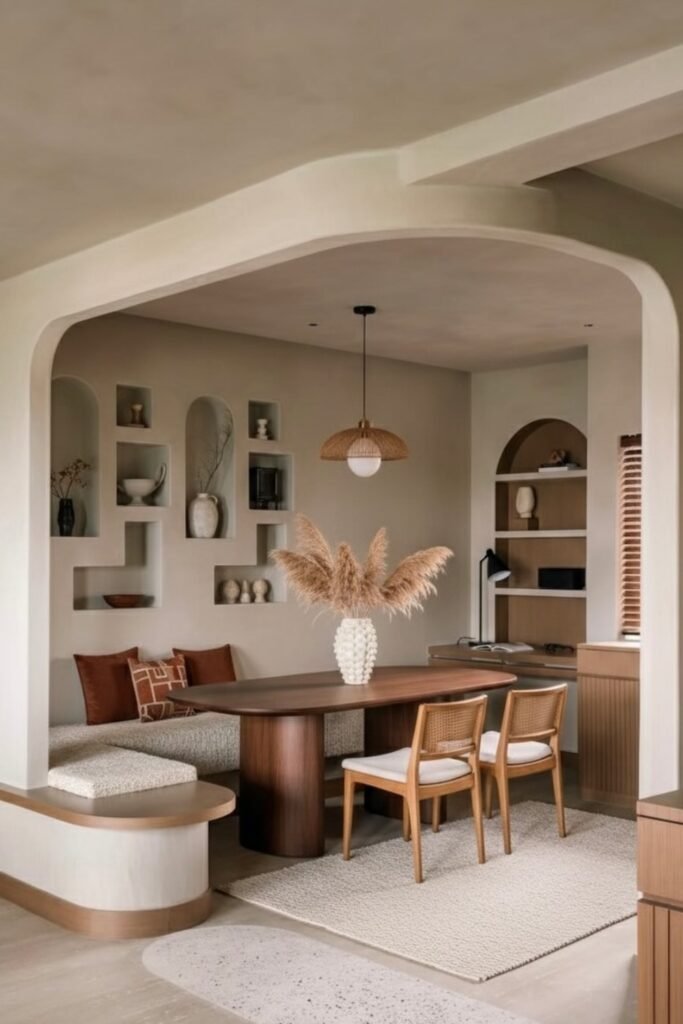
Flow Through Arches
The living room benefits when it isn’t boxed in. You can guide the eye from seating to dining with soft arches that maintain flow.
The rounded openings, shared colors, and similar materials help everything feel calm and connected instead of chopped into rooms.
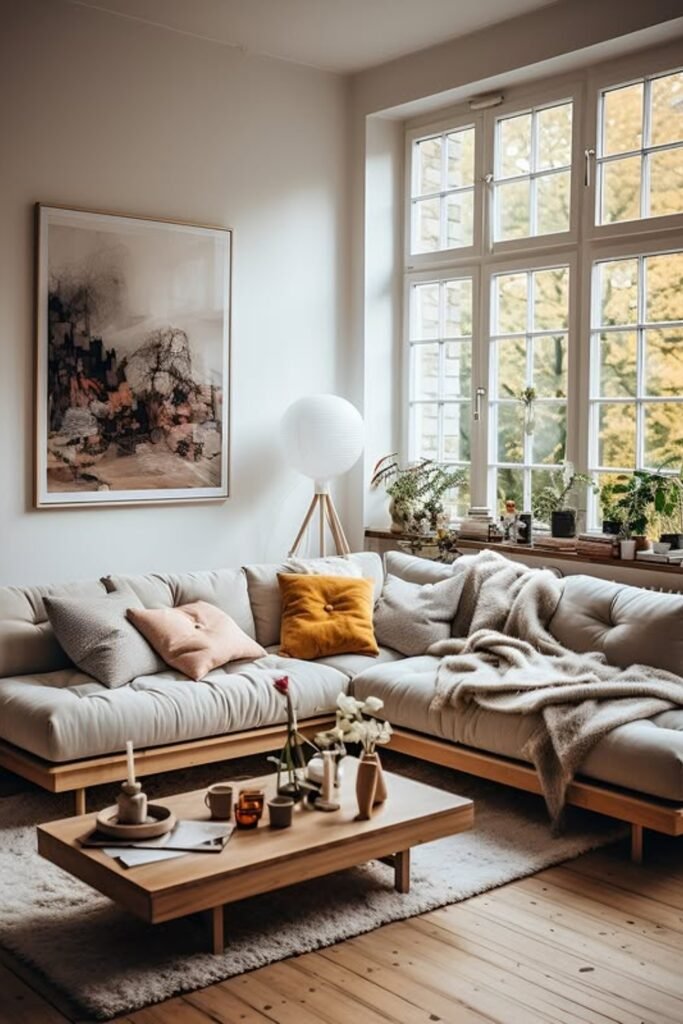
Window-Centered Living
When you have a strong view or great daylight, you can treat the window as the main feature of your living room.
If your living room has a nice view, keep tables simple and the window side visually open so the space feels brighter and calmer all day.
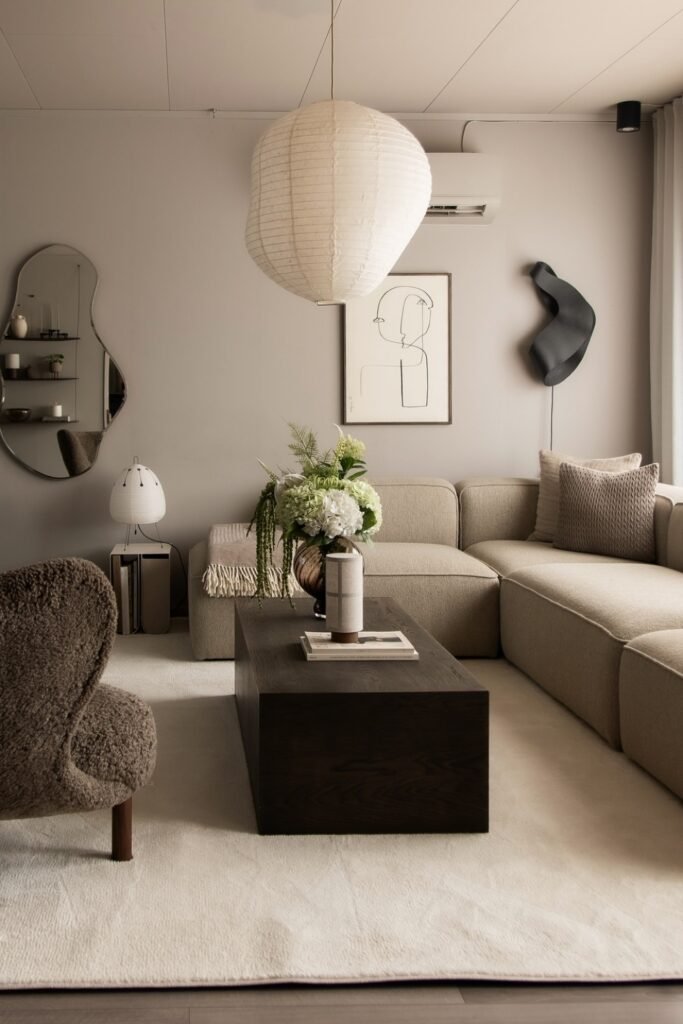
Low And Grounded
This living room feels calm because everything stays close to the floor. You can use low seating, a solid coffee table, and soft lighting to keep the space grounded.
You can choose deeper sofas, simple tables, and one soft overhead light so the room feels settled instead of floating.
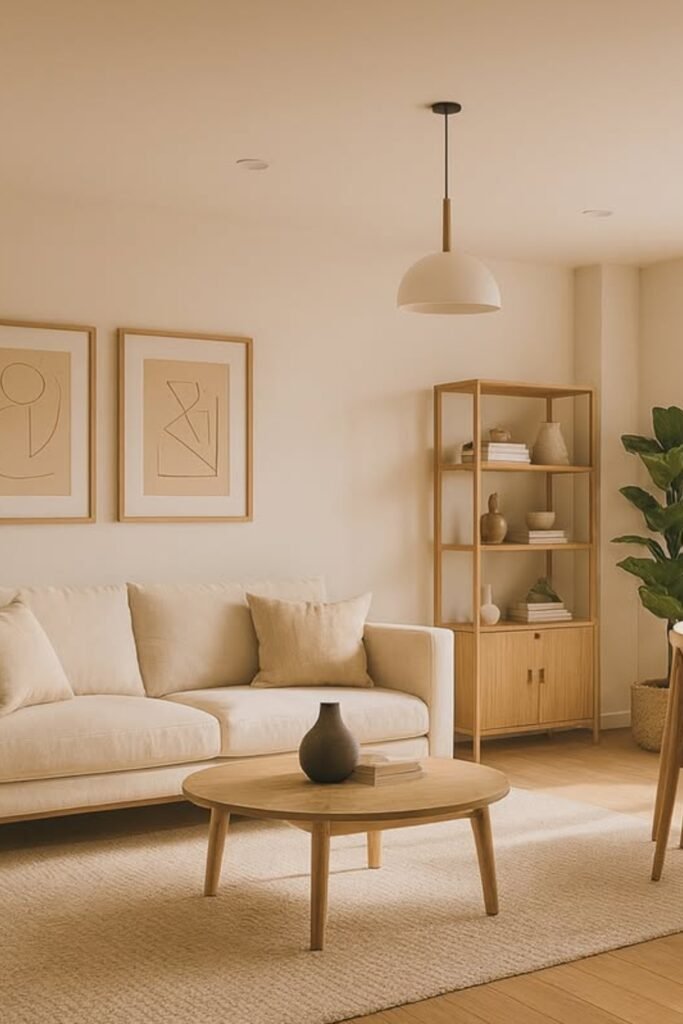
Light Wood Harmony
The living room feels calm when every wood tone speaks the same language. You can keep the sofa, table, shelving, and floor within one warm range so nothing fights for attention.
If your living room feels slightly off but you can’t tell why, check your wood finishes. You can keep them close in tone and let fabric and light add variety instead of mixing too many wood colors.
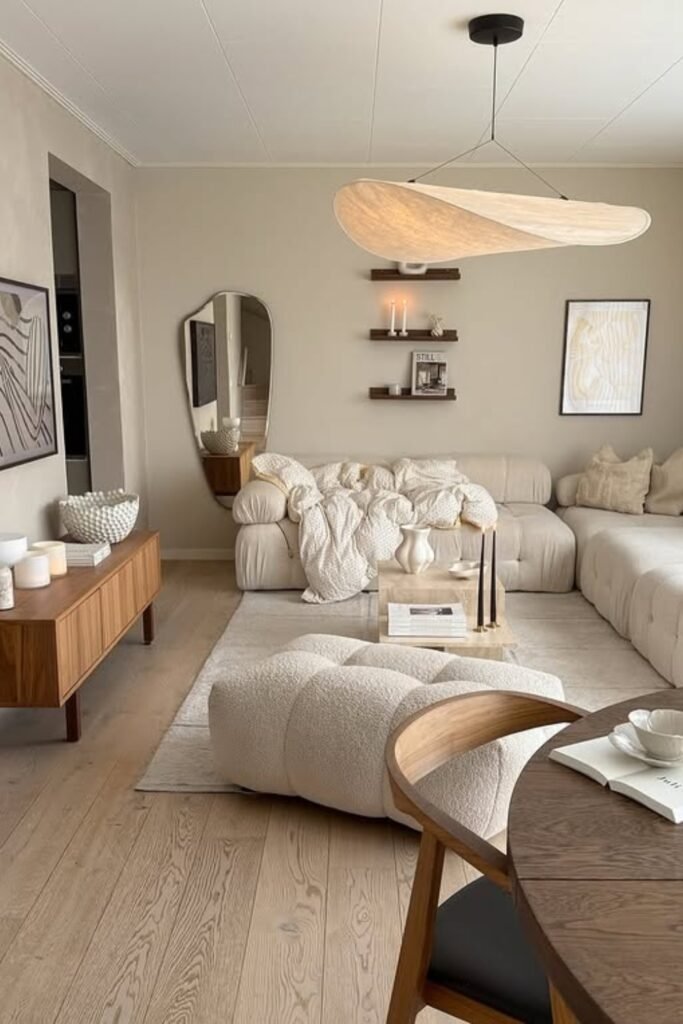
Soft Statement Lighting
You can choose a sculptural pendant that adds movement without stealing attention from the seating.
If your living room feels flat from above, change the light before changing furniture. One soft, oversized fixture can add personality while keeping the room relaxed and livable.
FAQs
Is Scandinavian style good for small living rooms?
Yes, and that’s one of Scandinavian design’s biggest strengths. When you focus on light, simple furniture, and open layouts, you will naturally make even small living rooms feel bigger.
If your space feels tight, you can keep furniture low, stick to light colors, and avoid bulky pieces. The less visual weight you add, the more open and airy your room will feel.
Can a Scandinavian living room still feel warm and cozy?
Absolutely. When you want your Scandinavian living room to feel cozy, focus on texture and lighting instead of clutter.
You can use soft rugs, throws, cushions, and warm light to do the work. If the room feels cold, don’t add more furniture, add softness and layers instead.
That’s what brings warmth while keeping the calm, effortless look intact.
You may like to read!
