
24 Minimalist Living Room Ideas for 2026

This article may contain affiliate links: read full affiliate disclosure.
You know that feeling when you walk into your living room and everything seems to compete for your attention? You see the sofa, the shelves, and random decor, and nothing feels calm.
You might clean and rearrange over and over, but your space still feels heavy. That is when you need minimalism.
It is not about living with nothing; it is about giving yourself space for what really matters.
If you follow this article, you will learn how to strip away the noise, keep what counts, and create a living room that makes you feel calm the moment you step in.
What Is a Minimalistic Living Room?
A minimalist living room isn’t just white walls and empty shelves. You want a space that works for you, not against you.
When you remove the extras, you will notice the room starts to breathe. You will see that every piece has a purpose, nothing just fills space.
You can use clean lines, open flow, and soft textures to make your room feel calm without it feeling cold.
You do not have to strip your personality away; instead, you can let it shine without clutter screaming over it.
When you keep less, you will find that what matters finally gets noticed.
What Are the Rules of Minimalism?
You can start by clearing out the extras; if an item does not serve a purpose or spark joy, you should let it go.
You can pick a simple color base and then layer textures to keep your space warm. You will want to stick to clean shapes and functional furniture that truly earns its spot.
You can keep surfaces open and let negative space do the talking. You should hide wires, reduce visual noise, and let light flow freely.
When you stay intentional with every choice, you will see your living room does not just look better, it feels lighter, too.
Neutral Layers That Let Texture Speak
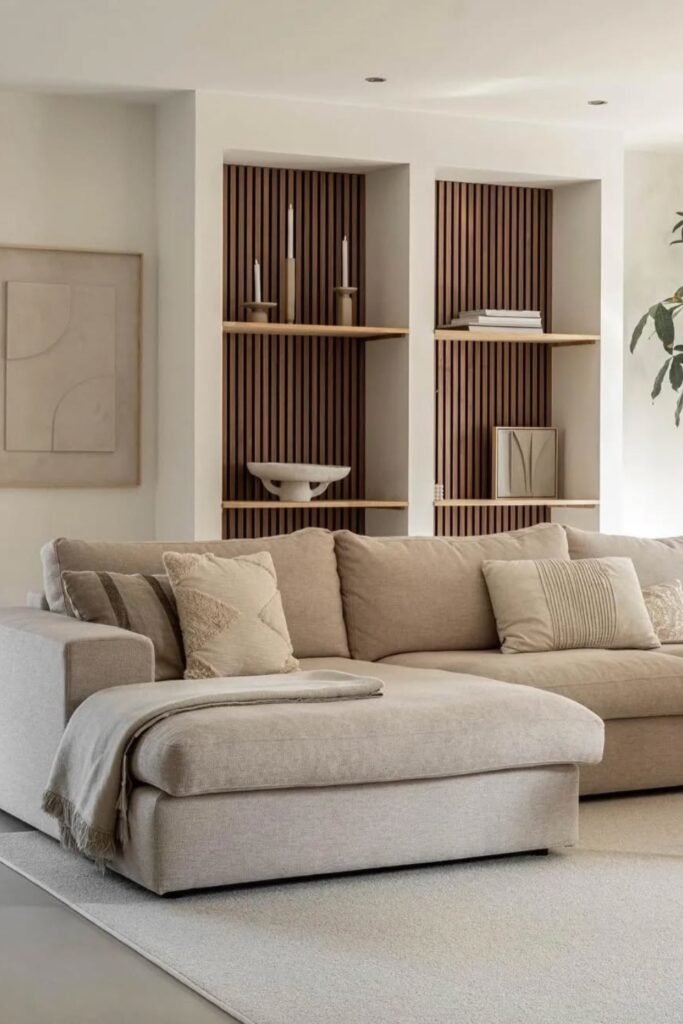
When you use fluted wood shelves, you will break flatness without crowding the wall, giving depth while keeping it minimal.
You should try this in medium-sized rooms where you want clean lines without emptiness.
Warm Light That Frames the Room
You can use soft lighting from multiple sources to build a calm glow that hugs your room instead of overwhelming it.
You should layer sheer curtains, add soft lamps, and let warm light guide your design, especially in smaller living rooms where you want warmth without clutter.

Airy Corners That Let Light Lead
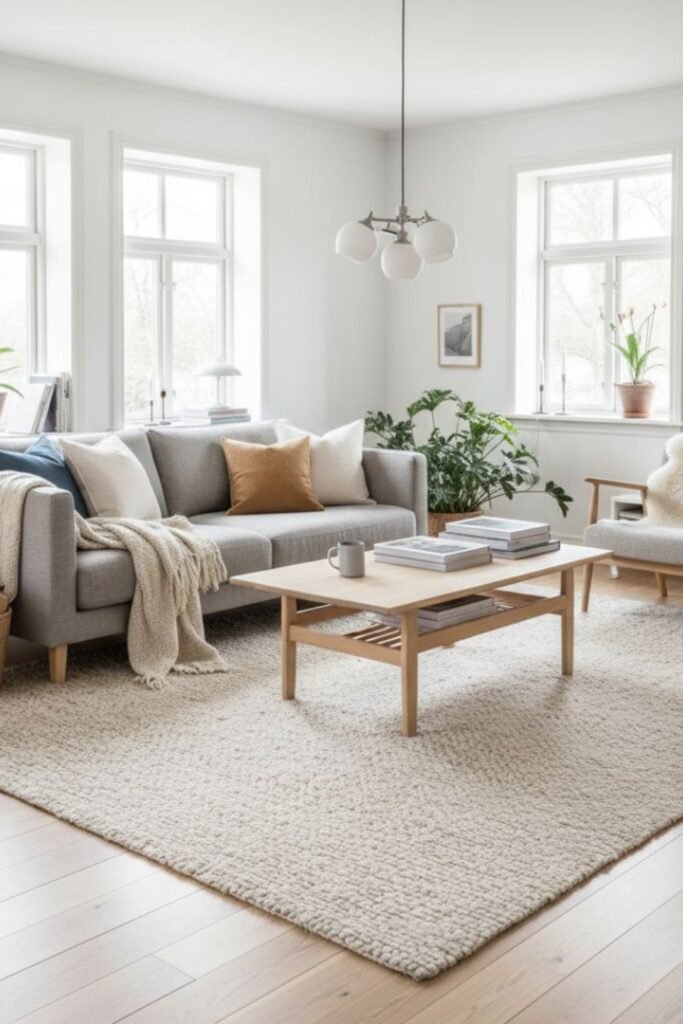
You can pair soft gray seating, pale wood tones, and textured layers to create warmth without visual noise.
Let the rug anchor your zone, and use plants to soften the clean lines, especially in open or corner living rooms where daylight does most of the work.
Moody Warmth That Grounds the Space
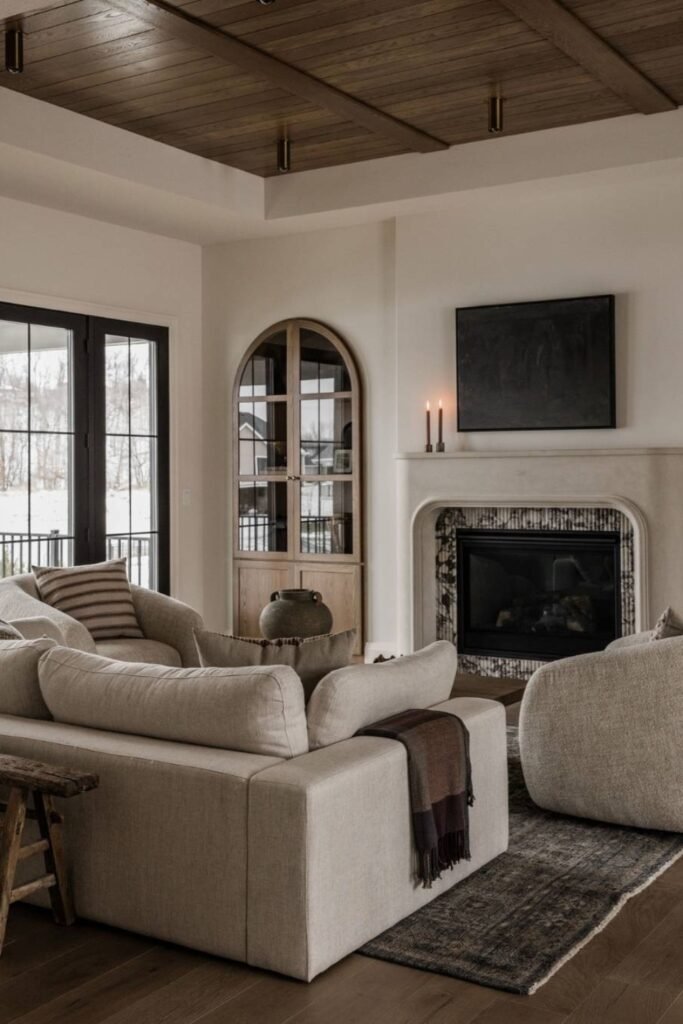
You can pull your room together with earthy tones and layered textures without adding extra decor.
When you combine a dark wood ceiling, stone-accented fireplace, and soft neutral seating, you will create grounded warmth that works perfectly in larger living rooms.
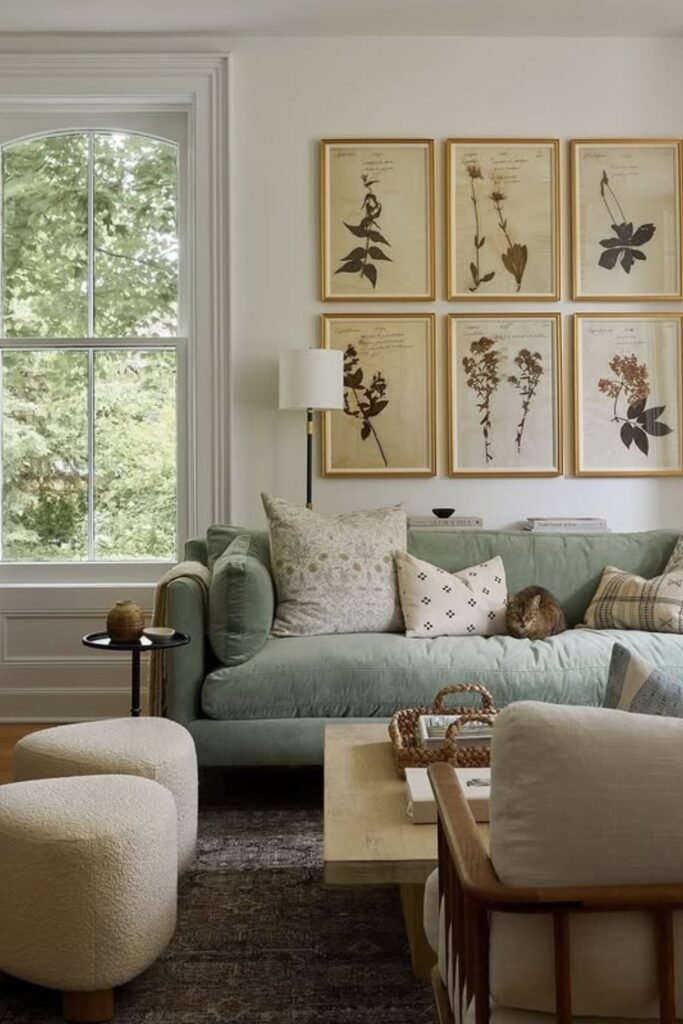
Character Through Quiet Details
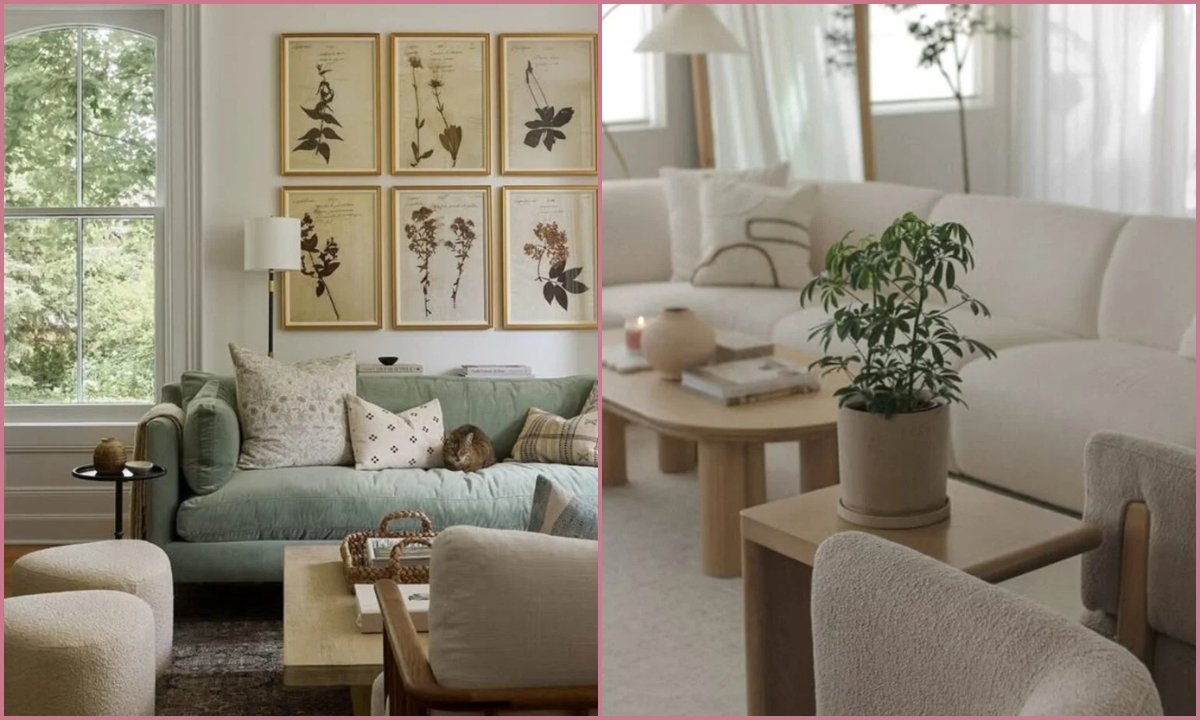
A soft sage sofa sets the tone, but it is the botanical art that gives this room its personality without breaking the minimalist flow.
You should balance symmetry on the wall with the soft curves of your furniture to create a calm but lived-in look.
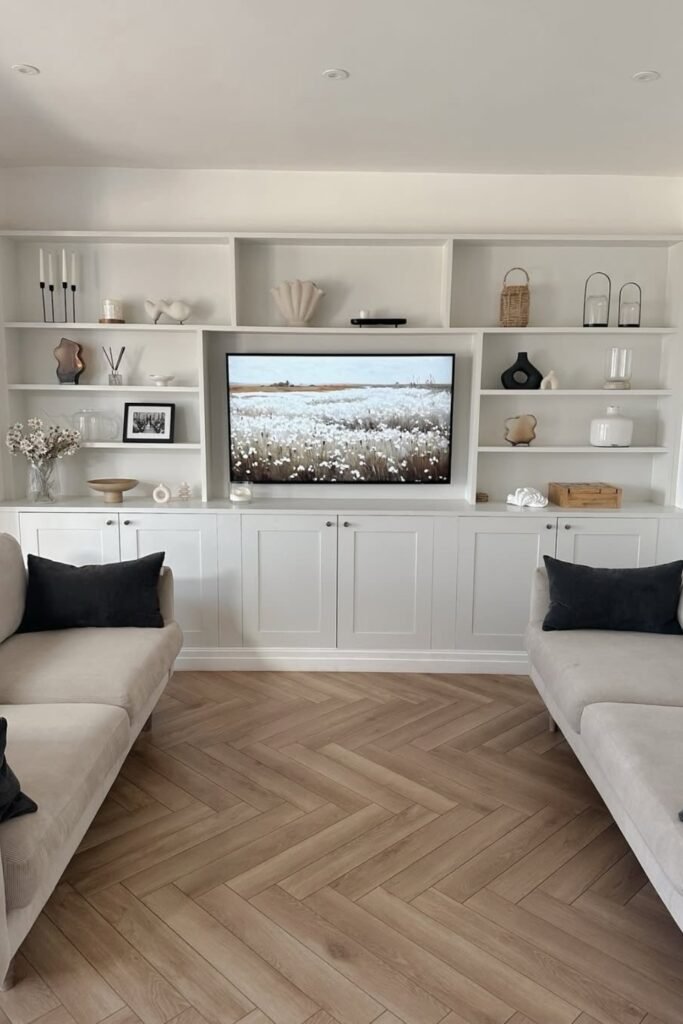
Built-In Calm That Frames the Focus
When you stick to neutral shelves and minimal accents, you will keep your eye relaxed and your space uncluttered.
You can keep your accessories light, mix heights subtly, and let the empty space be part of your design.
Soft Curves That Quiet the Room
You can use rounded seating and smooth-edged tables to make your space feel calm without trying too hard.
You can keep shapes organic, layer minimal decor, and let a few plants add just enough life to break monotony.

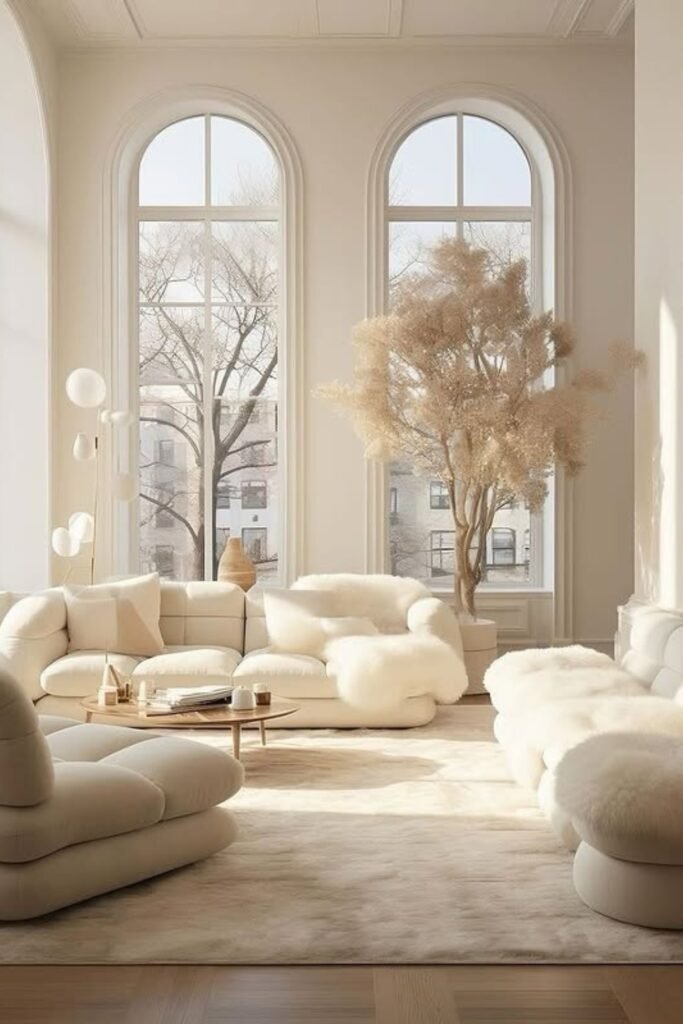
Light That Does All the Heavy Lifting
When you add plush seating, gentle curves, and a single statement tree, you will turn your space into a calm retreat.
You should use this layout in tall, open rooms where natural light becomes the main design element.
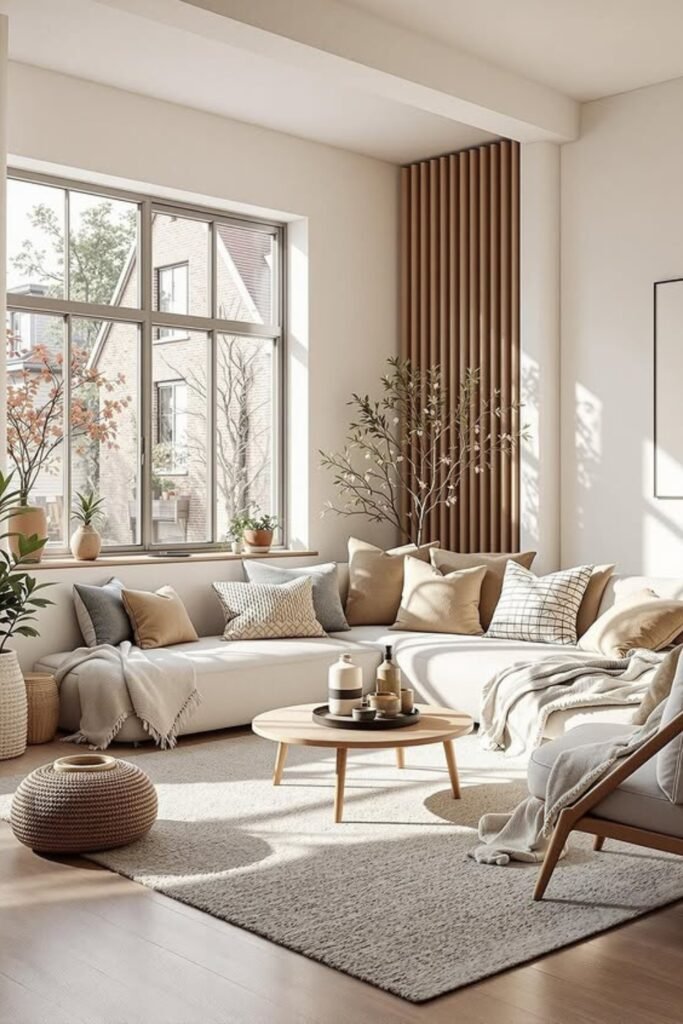
Cozy Corners That Wrap You In
A soft L-shaped sofa, layered textiles, and warm neutrals make this space feel like a quiet escape.
You can keep your palette warm, use pillows to build depth, and let a few plants frame the scene naturally.
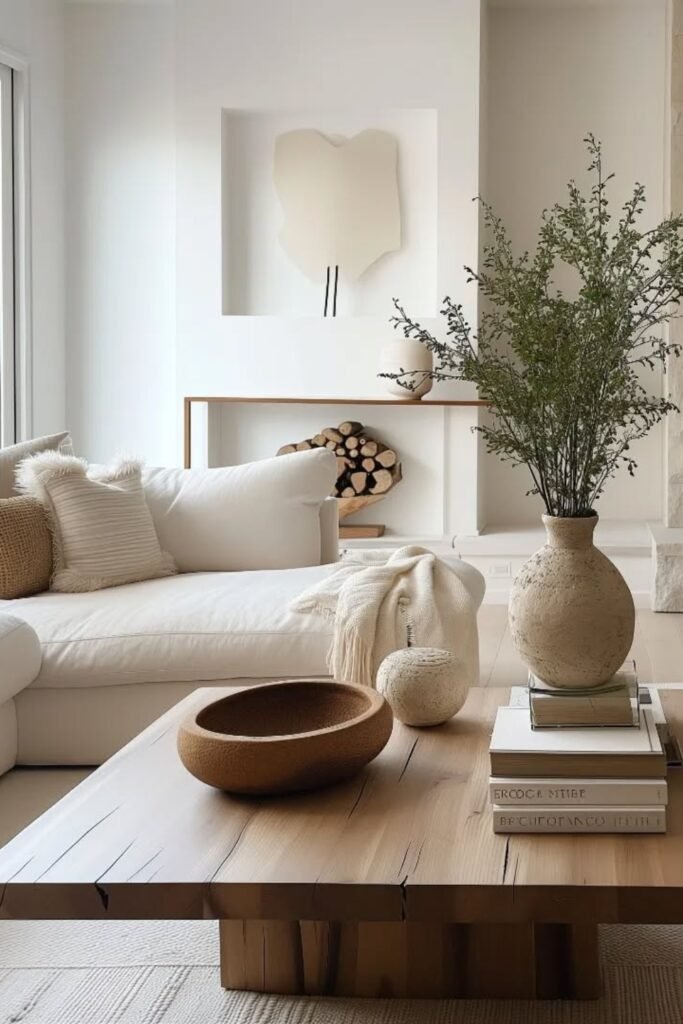
Natural Textures That Anchor the Room
You should use this in open-plan living rooms where every piece needs to pull its weight.
You can keep styling minimal, just a vase, a few books, and earthy tones to let your textures lead.
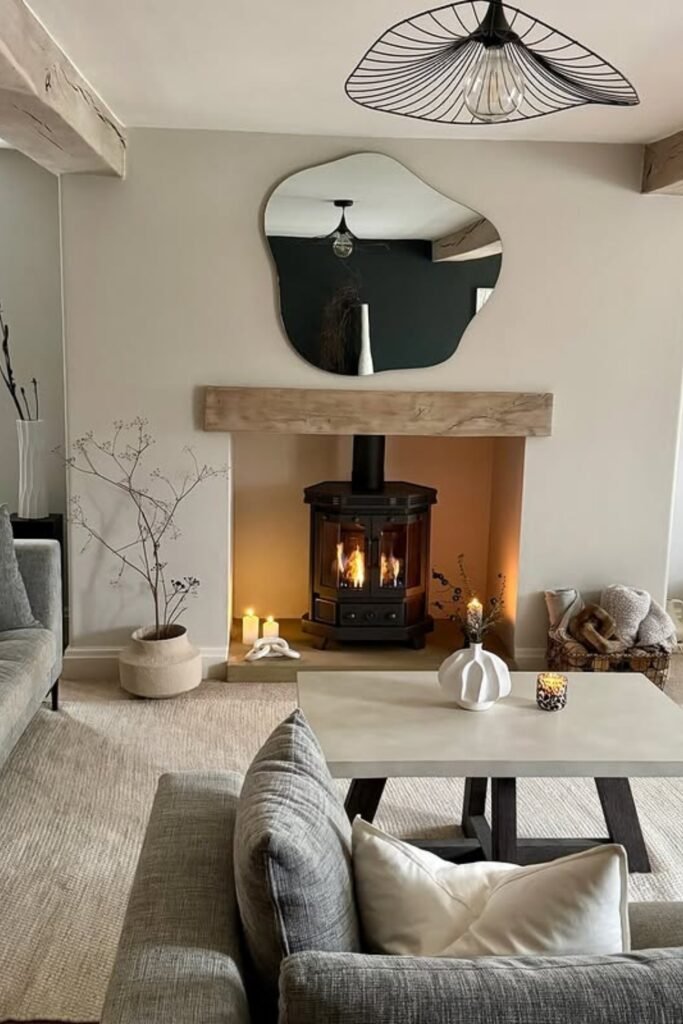
Firelight That Shapes the Mood
You pair it with an organic mirror shape, light wood beams, and earthy accents, you will feel the room grounding itself in modern comfort.
You can keep the rest of your styling simple, warm neutrals, soft textures, and a clean layout that lets the fire lead.
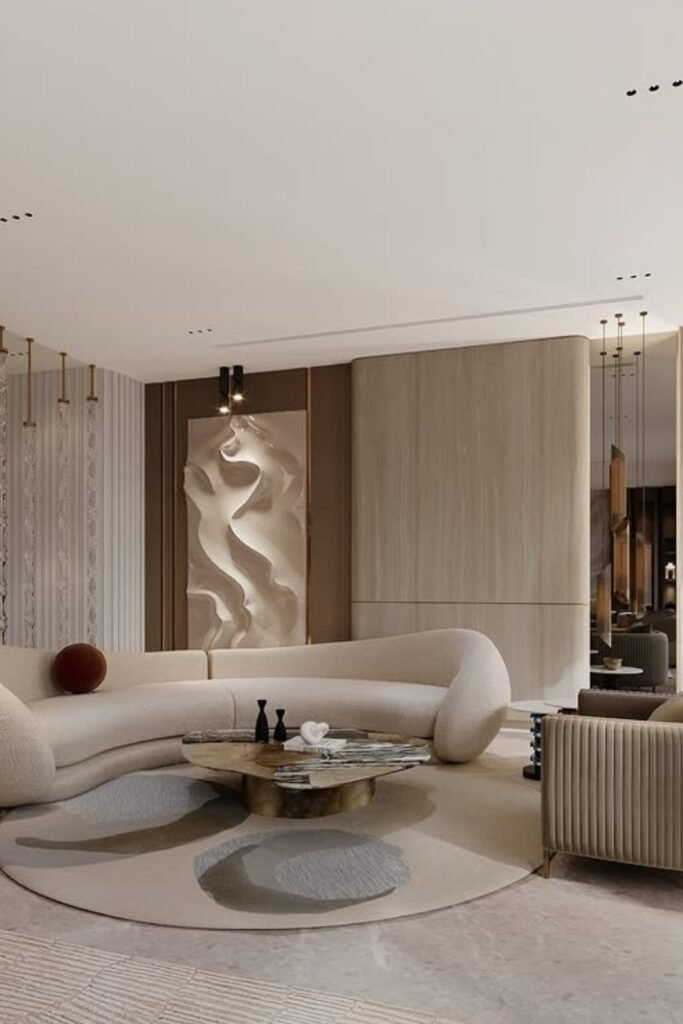
Sculpted Curves That Command Quiet Attention
Let a statement sofa with flowing lines take center stage, turning your room into a soft, structured composition.
This look works beautifully in open-plan or formal living rooms where the furniture itself acts as the focal point.
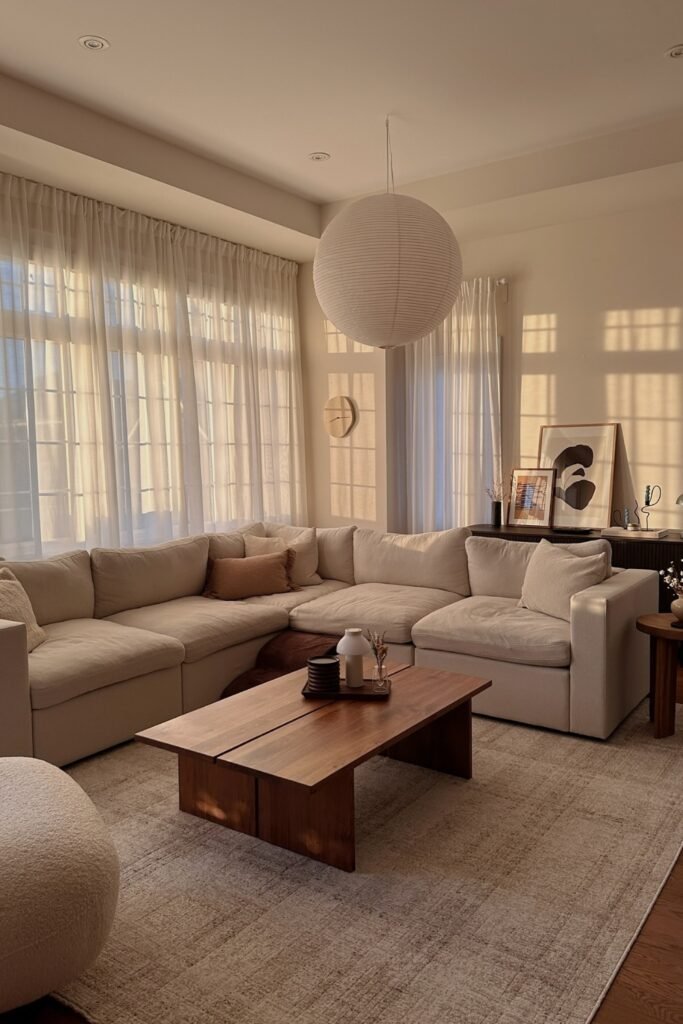
Golden Hour That Warms Everything
You will love the soft sunlight pouring through sheer curtains wraps your space in a warm glow, making even a neutral palette feel rich.
When you keep a low wood table and modular sofa, you will notice the look stays grounded and easy to live in.
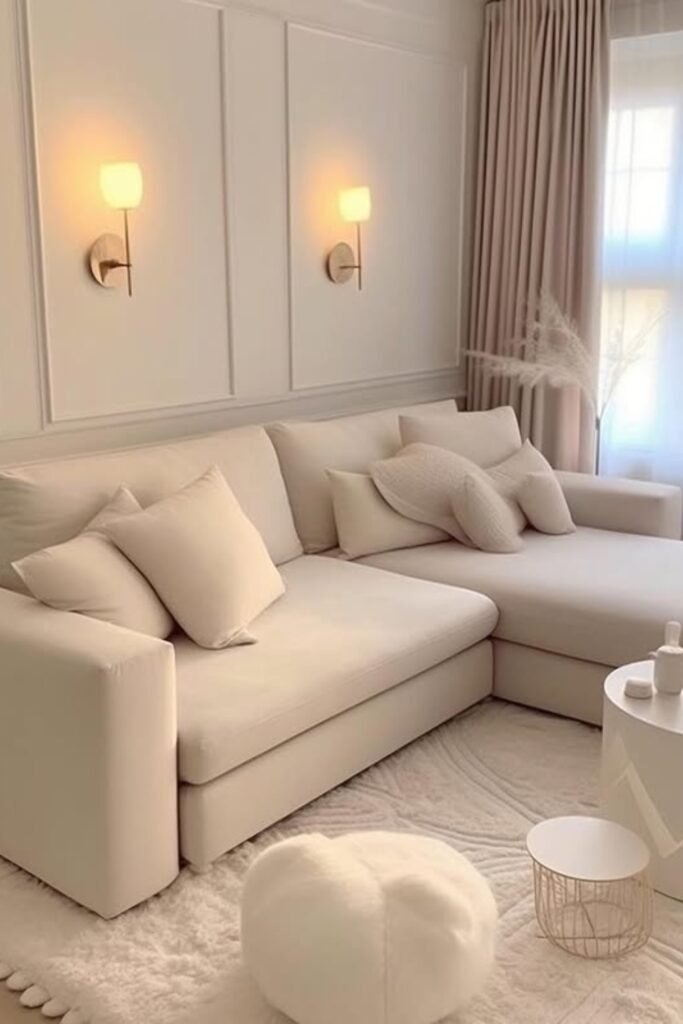
Creamy Neutrals That Soften Everything
You can layer soft white tones across your sofa, rug, and curtains to create a peaceful space that feels effortless.
You should try this in smaller living rooms or quiet corners where light and softness do the heavy lifting.
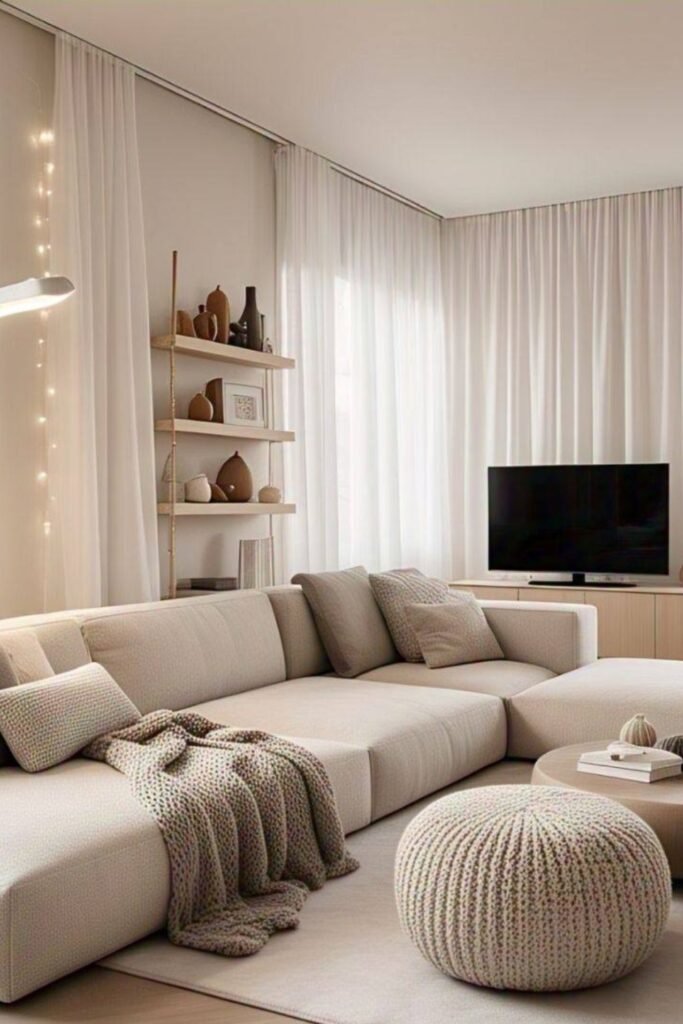
Evening Glow That Makes Minimalism Feel Warm
The oversized sectional grounds your room while knitted textures bring quiet character.
You can keep lighting soft and indirect, layer fabrics for warmth, and let simple shapes carry your style.
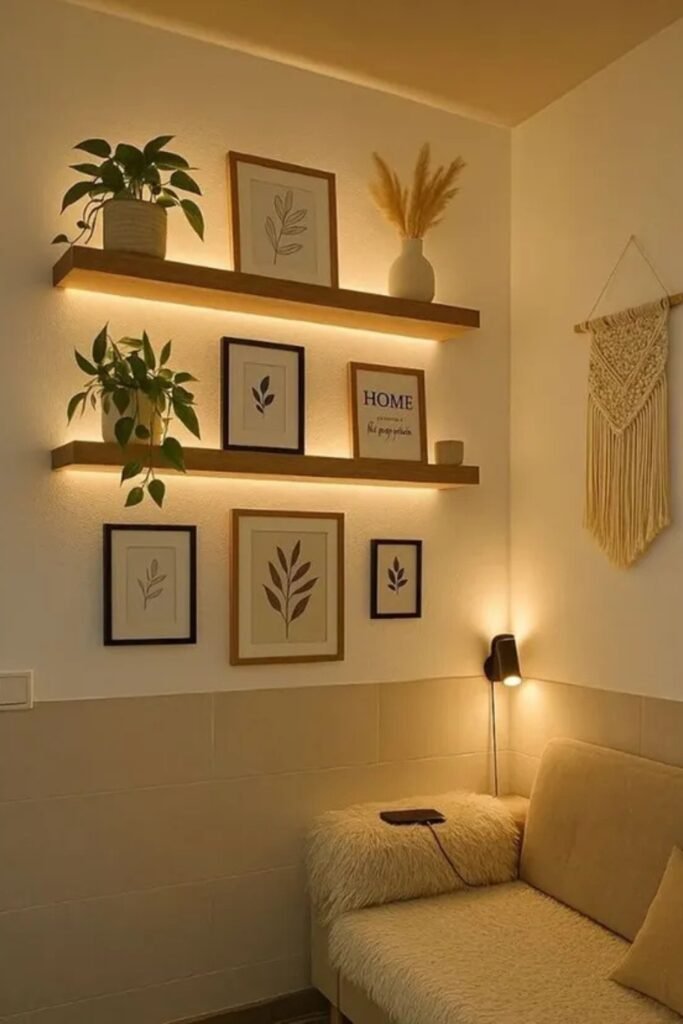
Shelf Glow That Shapes a Corner
A mix of small frames, plants, and neutral tones builds warmth without crowding your space.
You should try this in compact living rooms or reading nooks where corners need personality.
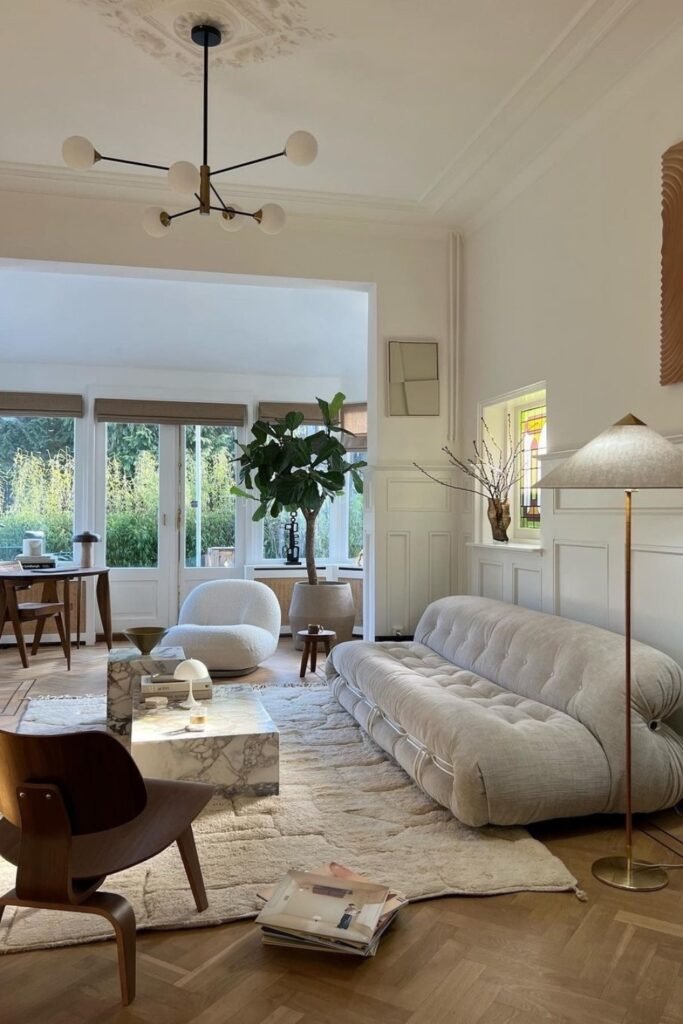
Layers That Blend Classic and Modern
You can give your room a timeless feel by pairing mid-century furniture, sculptural lighting, and a soft neutral sofa.
You can keep your furniture low, let light flood in, and mix vintage details with modern shapes for a perfectly balanced space.
Strong Lines That Keep Calm Energy
When you add an oversized coffee table and a black floor lamp, you will notice the warm palette gains just enough contrast.
You should try this in wide, open living rooms where balance matters more than excess.
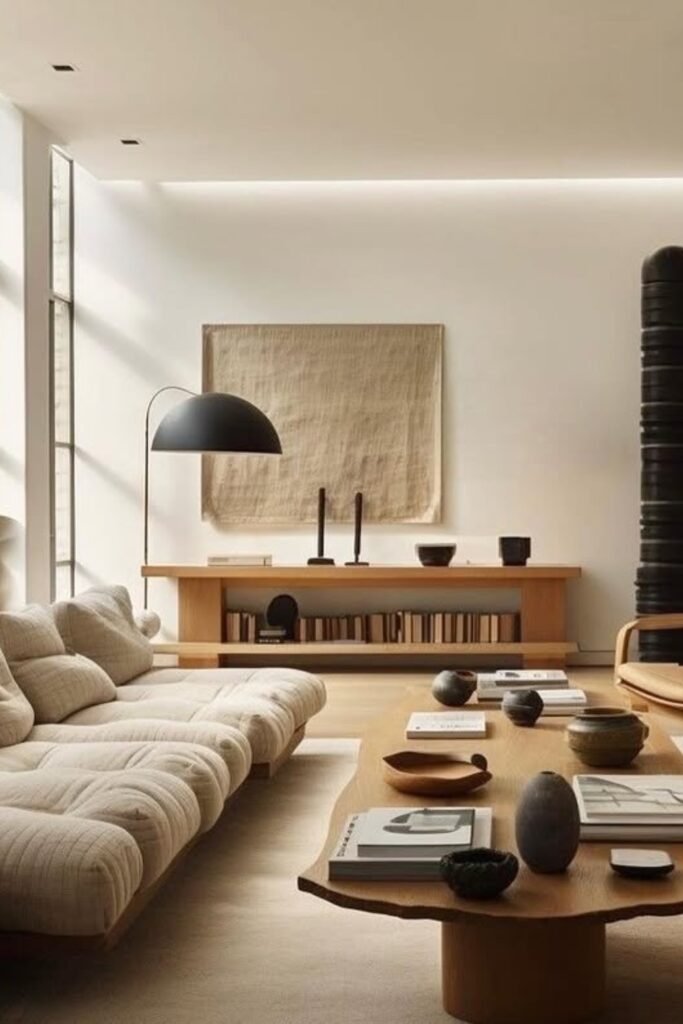
Clean Whites That Let Form Take the Lead
You can layer whites with curved furniture to create a sculpted, gallery-like calm in your space.
You can keep shapes fluid, lighting warm, and decor minimal so that your architecture and furniture speak for themselves.
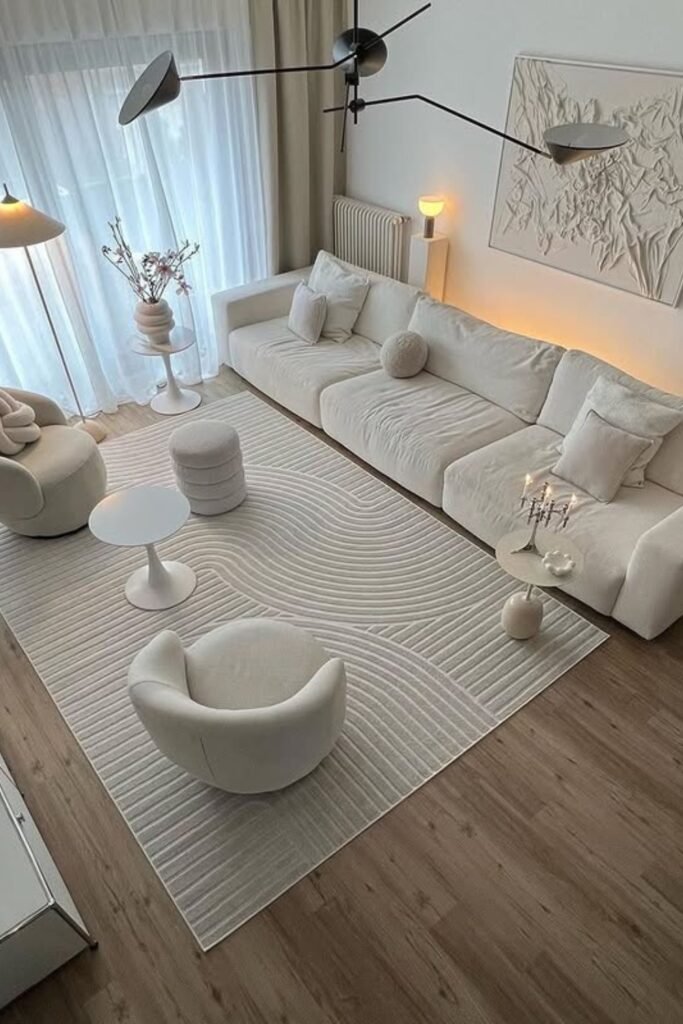
Warm Wood That Grounds the Space
The curved sofa keeps your space open, while the fireplace becomes the quiet focal point.
This setup works beautifully in rooms with high ceilings or large windows where natural elements shine.
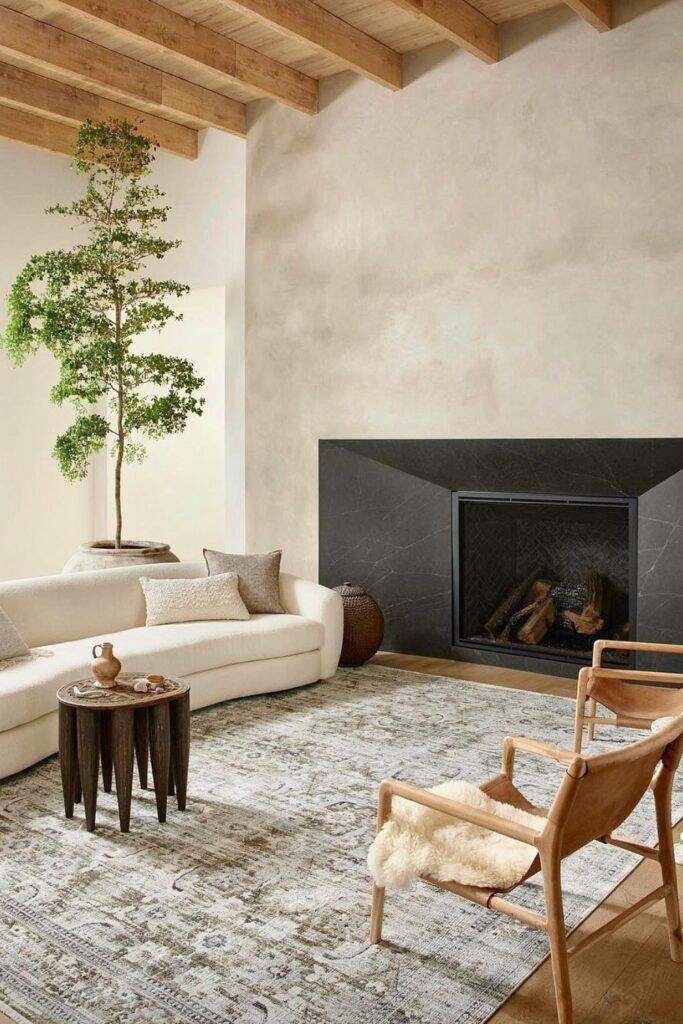
Elegant Neutrals That Speak Softly
The gold accents and layered lighting keep it warm without crowding your space.
You should try this in formal living rooms or open sitting areas where timeless design is your goal.
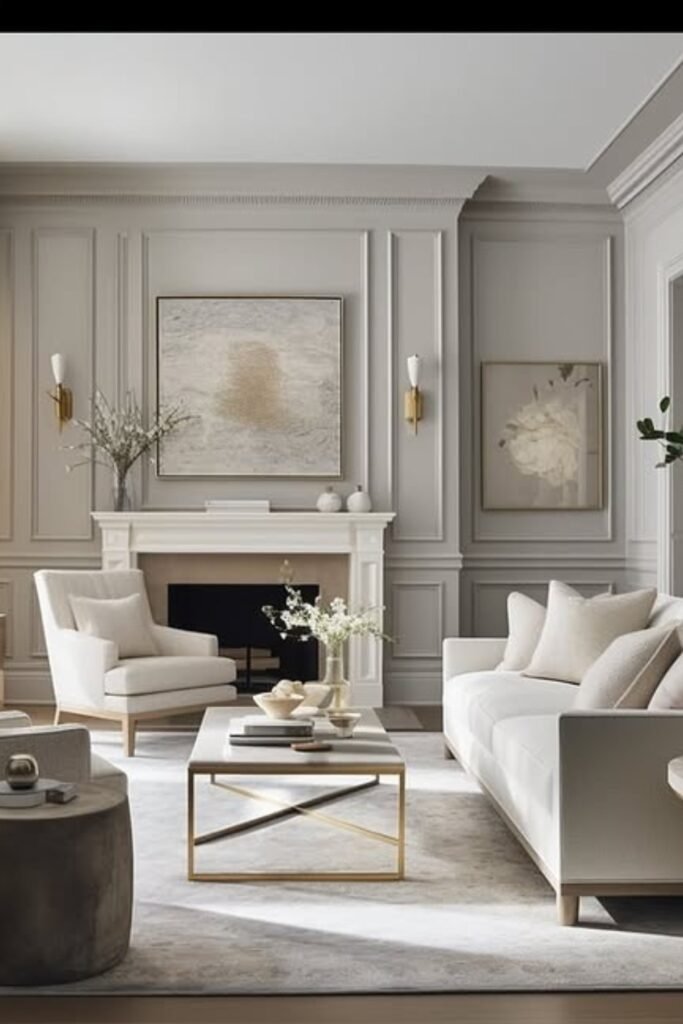
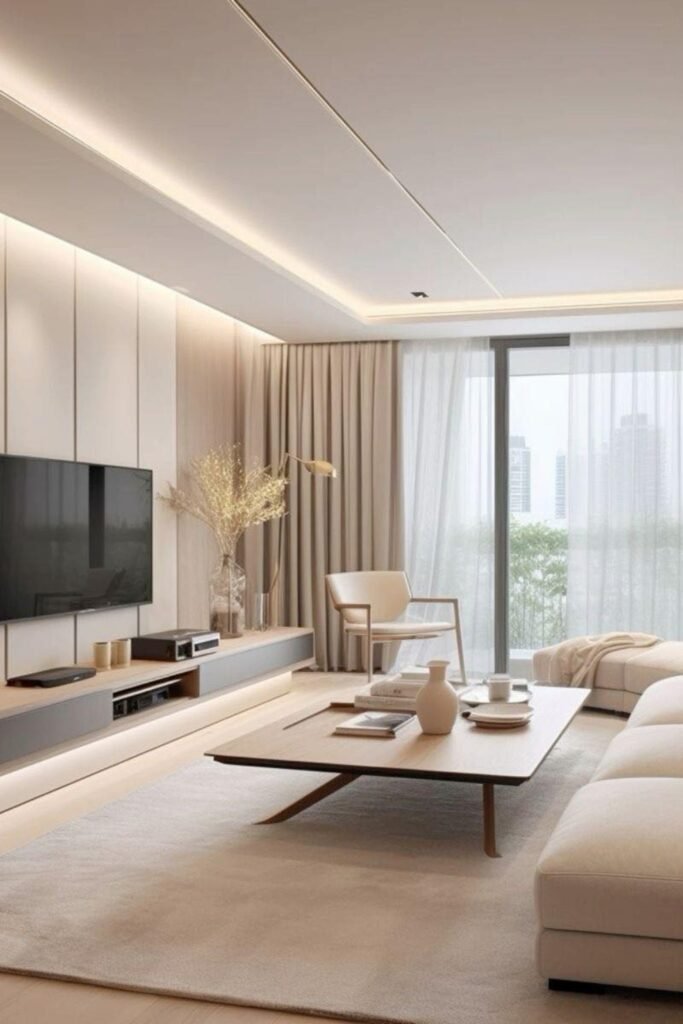
Clean Lines That Keep the Room Effortless
You can achieve a calm, layered look by combining soft beige tones with built-in shelves and sleek lighting.
You can keep your color palette light, use hidden lighting to shape the mood, and let straight lines keep your room looking clean and effortless.
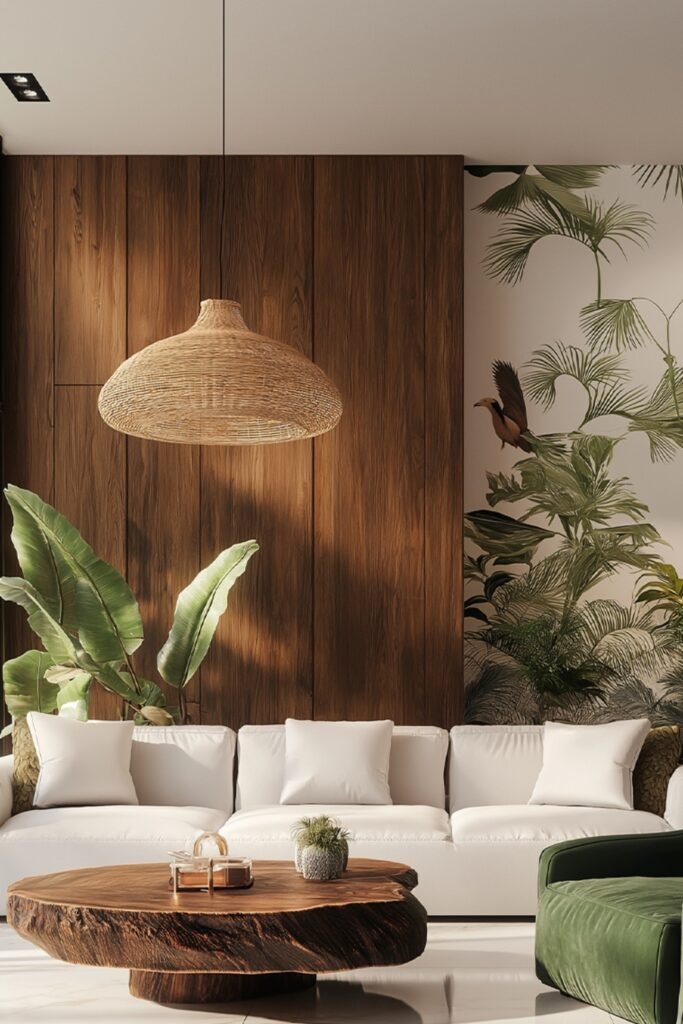
Natural Layers That Bring the Outside In
A bold wood wall, botanical prints, and floor-to-ceiling windows create a seamless blend between indoors and nature.
The sculpted coffee table adds warmth and texture, while your clean sofa keeps everything balanced.
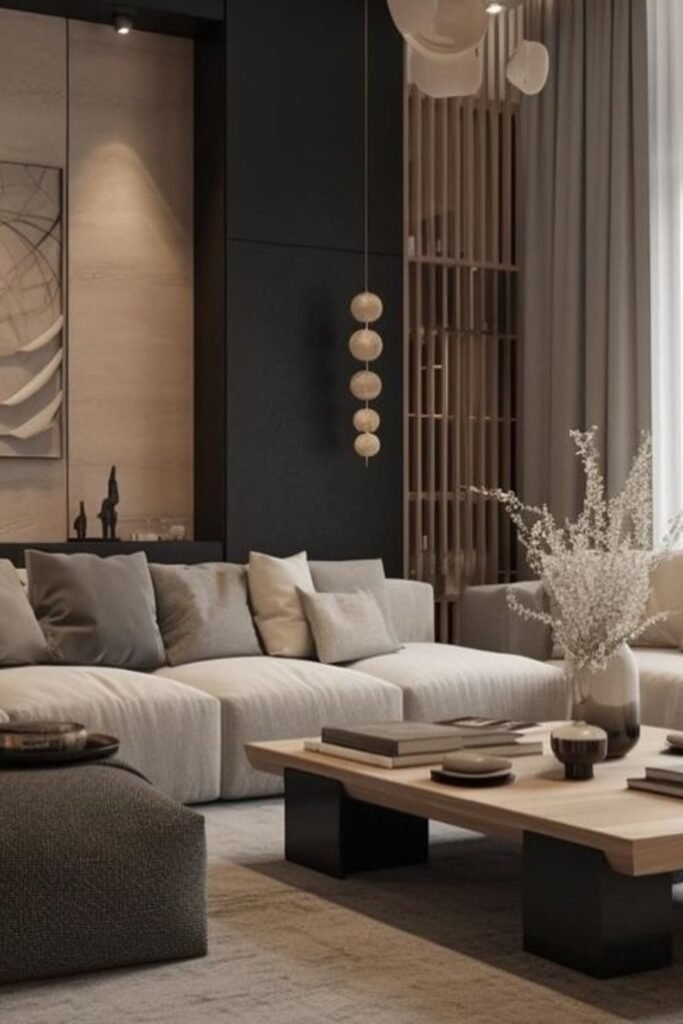
Depth Through Dark and Soft Contrast
You can bring depth to your living room by mixing muted neutrals with bold black accents.
You can balance deeper tones with light fabrics, add textured accents, and let lighting highlight the contrast for maximum effect.
FAQs
How do you make a minimalist living room feel warm?
You can start by creating a clean base, then layer soft textures like throws, rugs, or linen curtains.
When you add warm lighting, wood tones, and natural elements like plants, you will notice how your space instantly feels lived-in without feeling cluttered.
You should focus on softening the edges rather than filling every corner this way, your room breathes and still feels intentional.
What colors work best for a minimalist living room?
You can stick to a neutral palette like whites, beiges, soft grays, and warm wood tones.
When you do, the room immediately feels calm and spacious.
You can still bring in personality, just add one or two accent colors subtly through cushions, rugs, or artwork so your space stays serene but interesting.
You may like to read!
