
21 Living Room Paint Color Ideas for 2026

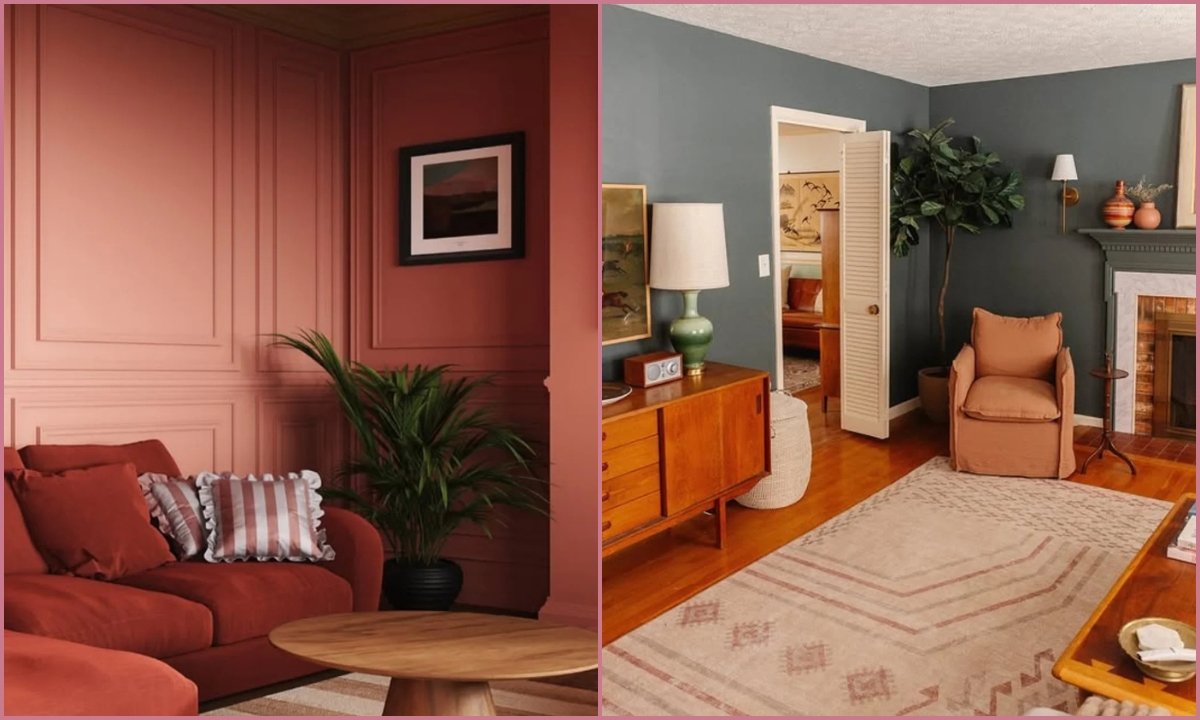
This article may contain affiliate links: read full affiliate disclosure.
You walk into the paint aisle, and suddenly every shade looks identical. One white feels too cold, another too yellow, and that “perfect” beige turns strange under your lighting.
You scroll through Pinterest, save twenty ideas, and still can’t decide which one fits your living room.
If this sounds familiar, you are definitely not alone. In this article, you’ll see which color is best for a living room, and what the three color rule is in a living room.
Furthermore, I will provide you with 21 living room inspirations for your next paint color in 2026.
Which Color Is Best For A Living Room?
There’s no single “best” color, it’s all about how your space feels and how you want it to feel.
If your room lacks sunlight, you will love how warm neutrals like beige, cream, or soft greige instantly brighten things up.
But if you get plenty of natural light, try moodier tones like sage green or deep blue to make your space feel calm and grounded.
In smaller rooms, light colors help you open things up; in larger areas, deeper shades give you that cozy, welcoming warmth.
And before you commit, always test the color in your actual lighting, what looks like a soft white on a swatch can turn icy or yellow once it’s on your wall.
What Is The 3 Color Rule In Living Room?
The 3-color rule helps you create a living room that looks balanced and intentional every time. You start with one main color, one secondary color, and one accent.
Think of it this way: your wall color sets the base, your furniture or rugs build the second layer, and your decor or lighting adds that finishing pop.
If you go neutral on the walls, bring in a richer accent for contrast. If you choose bold walls, keep your accents soft to let the space breathe.
You can stick to the 60-30-10 balance, 60% base, 30% secondary, 10% accent and you’ll keep the whole room feeling polished without ever looking cluttered.
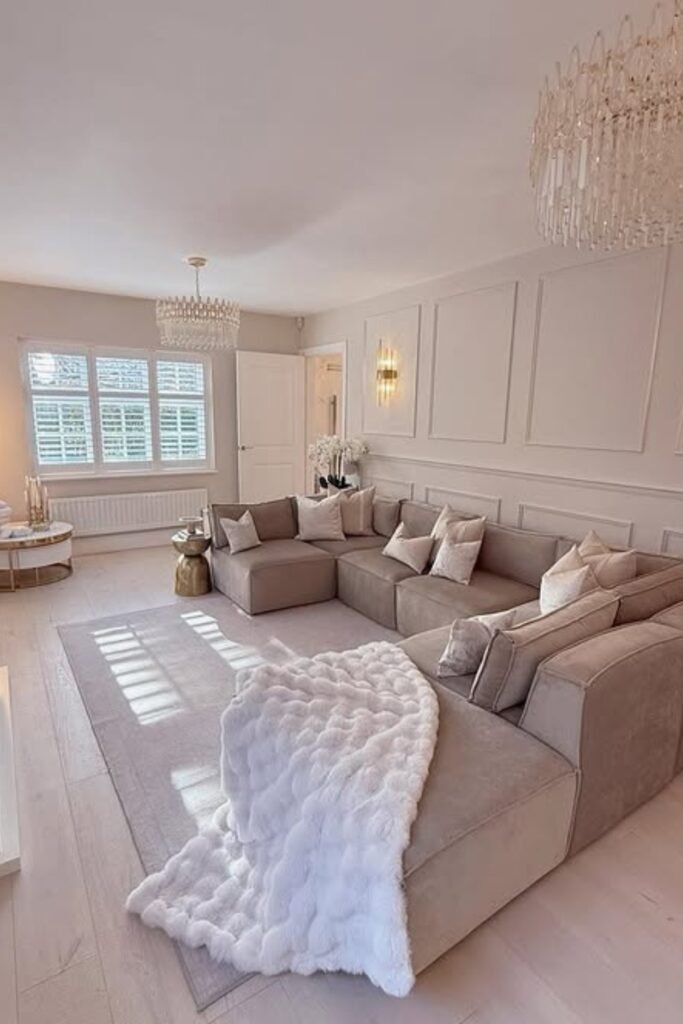
Soft Neutrals That Catch the Light
You may know that feeling when sunlight hits just right and makes everything glow? That’s exactly what soft neutrals [Check on Amazon] do in this kind of space.
When you have steady daylight streaming in, pale tones bounce the light around and make your living room feel airy and open.
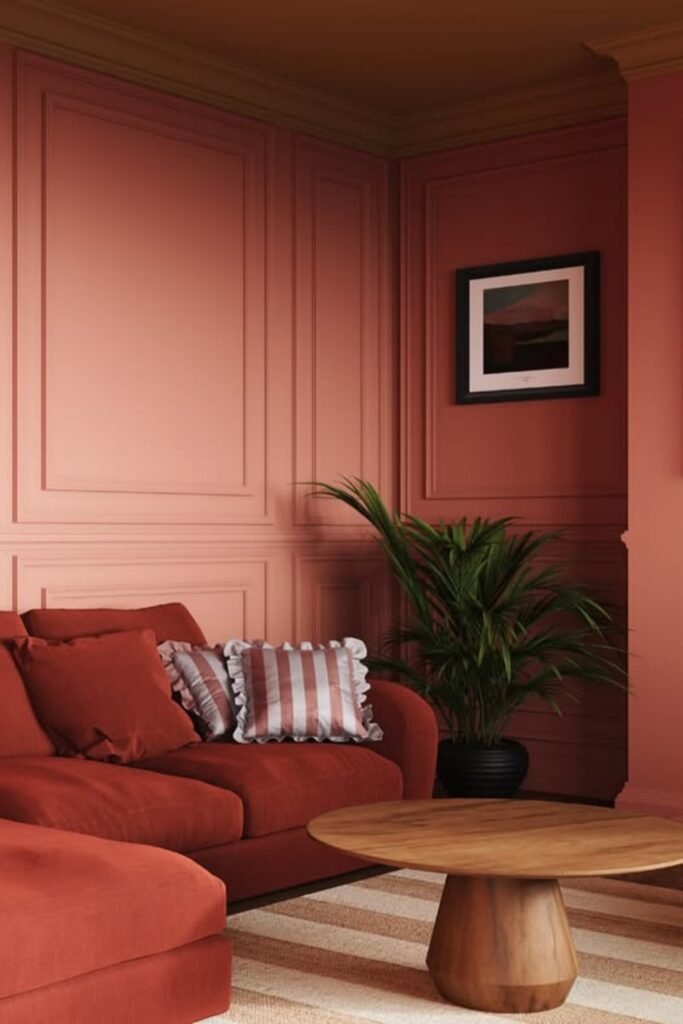
Warm Terracotta That Wraps the Room
They instantly warm up the room and make it feel intimate, especially if you spend more time there in the evenings or colder months. [Check on Amazon]
You can paint the walls and trim in the same shade, you’ll blur the edges and make the color feel richer.
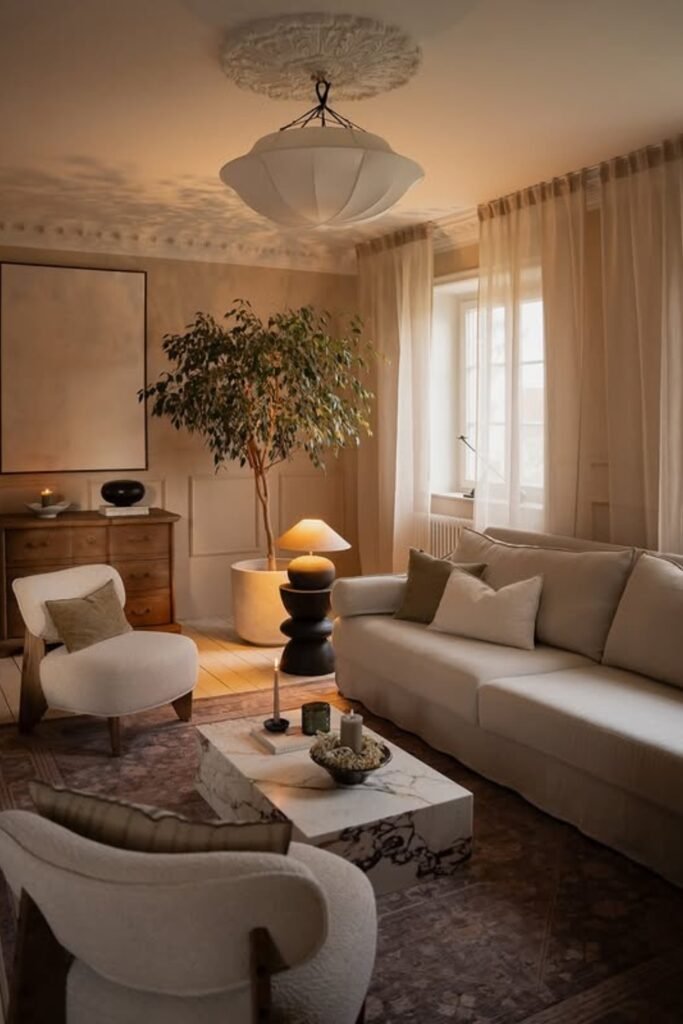
Earthy Tones That Calm the Space
When you want a room that feels grounded and easy to live in, earthy tones always deliver.
Your soft beige walls paired with layered textures create that warm, lived-in comfort you’ll never get tired of. [Check on Amazon]
Moody Blue That Grounds the Room
They anchor your room and give it a timeless, cozy vibe, especially when paired with warm wood floors. [Check on Amazon]
The magic is in the contrast: dark walls, honey-toned furniture, and soft rugs with muted patterns.

Charcoal Walls That Let Warm Tones Shine
You want bold? Charcoal gives you that and more. It’s dramatic, modern, and instantly elevates your space. [Check on Amazon]
You can pair those deep walls with a golden beige sofa, a vintage-inspired rug, and warm wood accents.

Soft Taupe Walls That Keep Things Balanced
If you want a space that feels calm but not plain, taupe is your secret weapon.
Its warmth brings softness, while its gray undertone keeps things modern and grounded. [Check on Amazon]

Light Gray Walls That Let Texture Lead
Your light gray gives your living room that “blank canvas” effect but with more soul.
When you can paired with warm woods, leafy plants, and cozy fabrics, your look feels balanced and lived-in. [Check on Amazon]
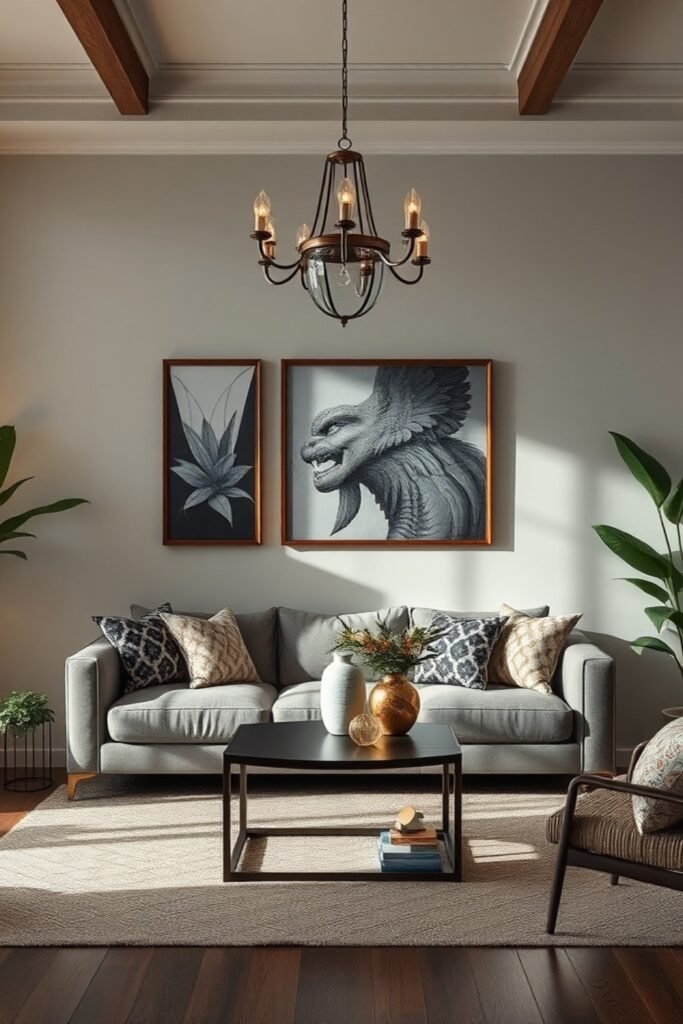
Textured Accent Wall That Steals the Show
Sometimes all you need is one wall to make the whole room stand out.
A deep green accent wall with geometric molding adds drama without noise. It gives the space structure and personality while keeping the mood calm.

Cream Walls That Let Natural Light Breathe
Your cream walls make even the smallest living room feel open and full of light. Unlike stark white, cream adds a gentle warmth that flatters everything it touches.
The pale backdrop reflects sunlight beautifully, letting textures and greenery take the spotlight.
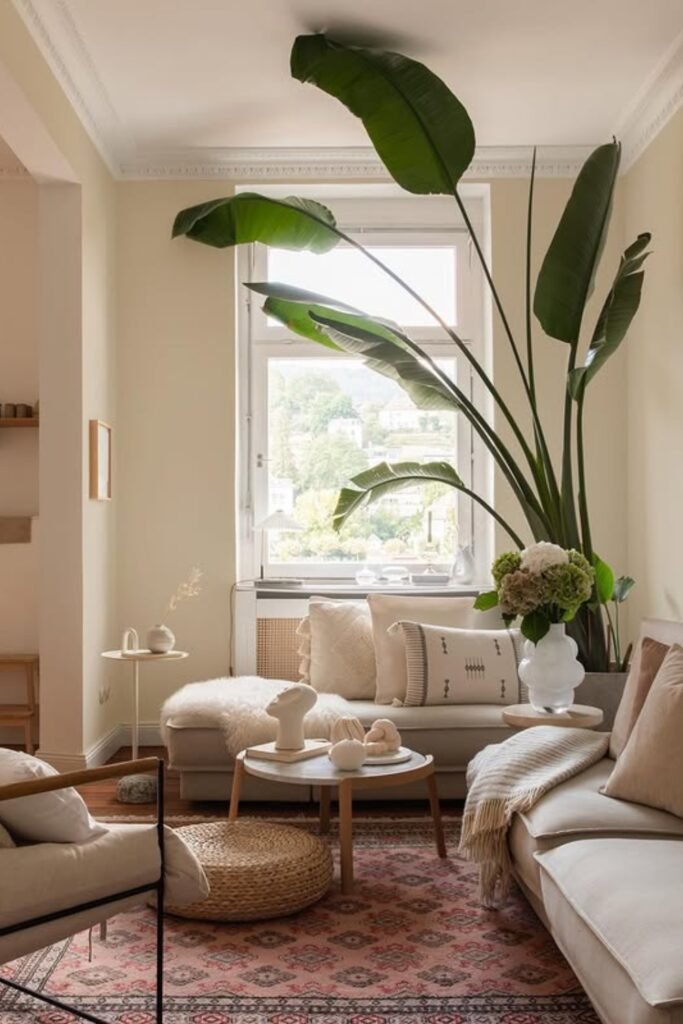
Deep Green Walls That Create Quiet Luxury
It feels rich without being showy and instantly elevates any living room with natural wood tones.
You can add a patterned rug or soft textiles to keep your space inviting. The result? A cozy, luxurious room that feels timeless and grounded.

Warm Beige Walls That Create Effortless Comfort
You get a space that’s cozy without feeling closed in. If your room has natural light, you’ll notice the color stays soft all day.
You can pair your beige walls with cream furniture and subtle black accents to keep everything grounded.
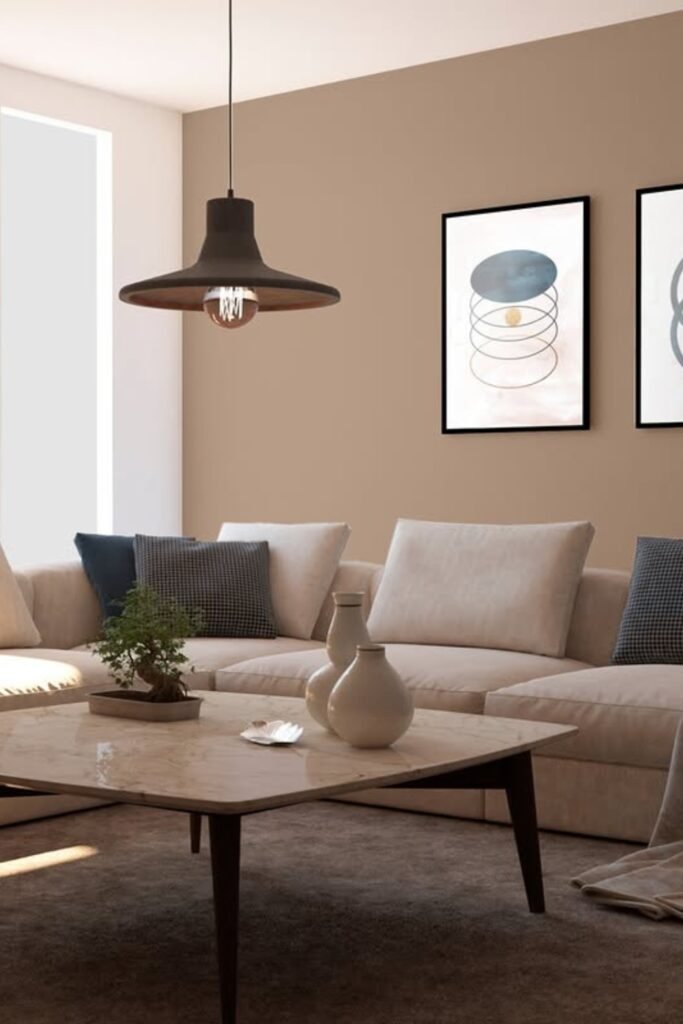
Dusty Blue Walls That Soften the Space
When you choose muted blue walls, you give yourself a calm, airy vibe.
You can enjoy the contrast of warm wood floors and soft lighting, which keeps your space serene without feeling cold.
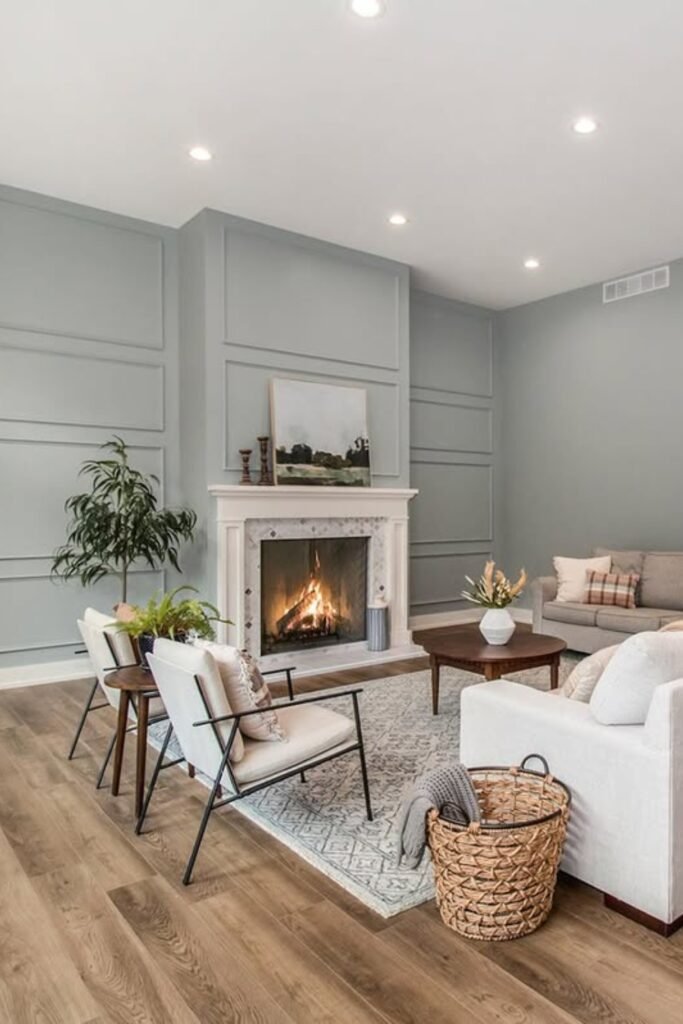
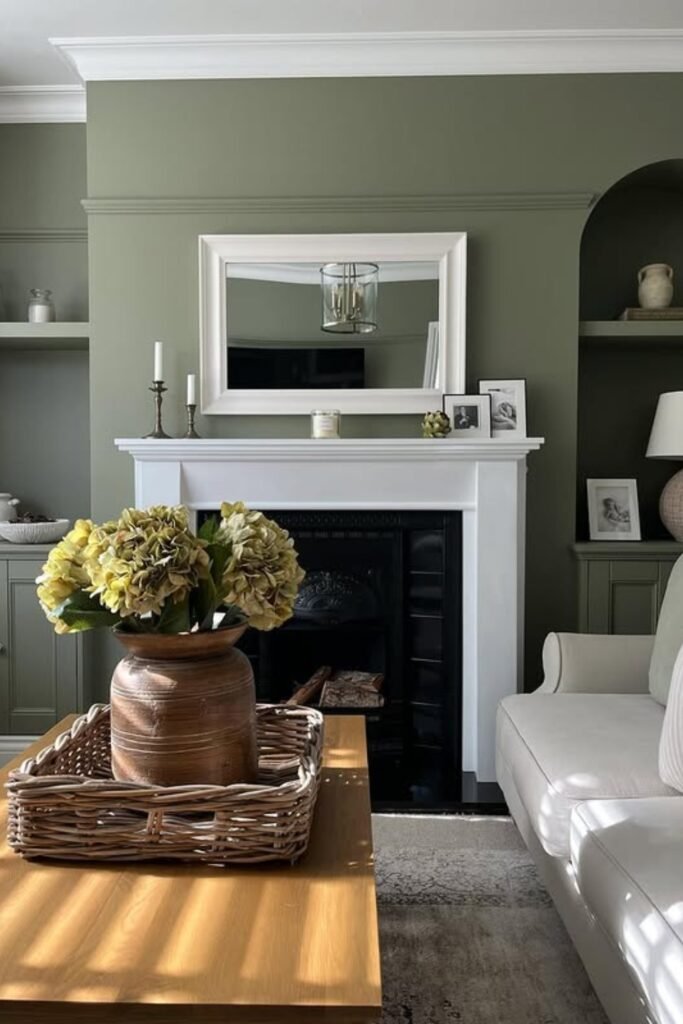
Olive Green Walls That Add Character
You’ll find that muted olive green adds quiet depth and personality to your space. You can give your room color without overwhelming it.
You should paint walls and built-ins the same shade for continuity, and you can highlight trim in crisp white while adding light furnishings.
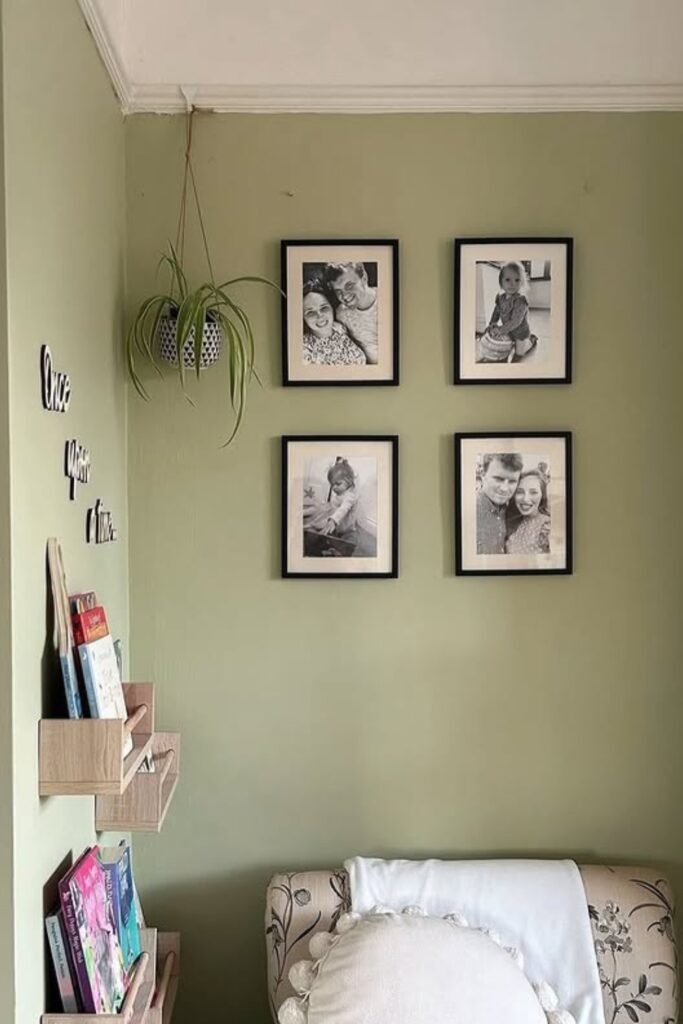
Soft Sage Walls That Make Corners Feel Cozy
A gentle sage green brings a warm, welcoming vibe to this corner without making it feel crowded.
It’s perfect for small living room nooks, reading spots, or lounge areas where you want a soft touch of color.
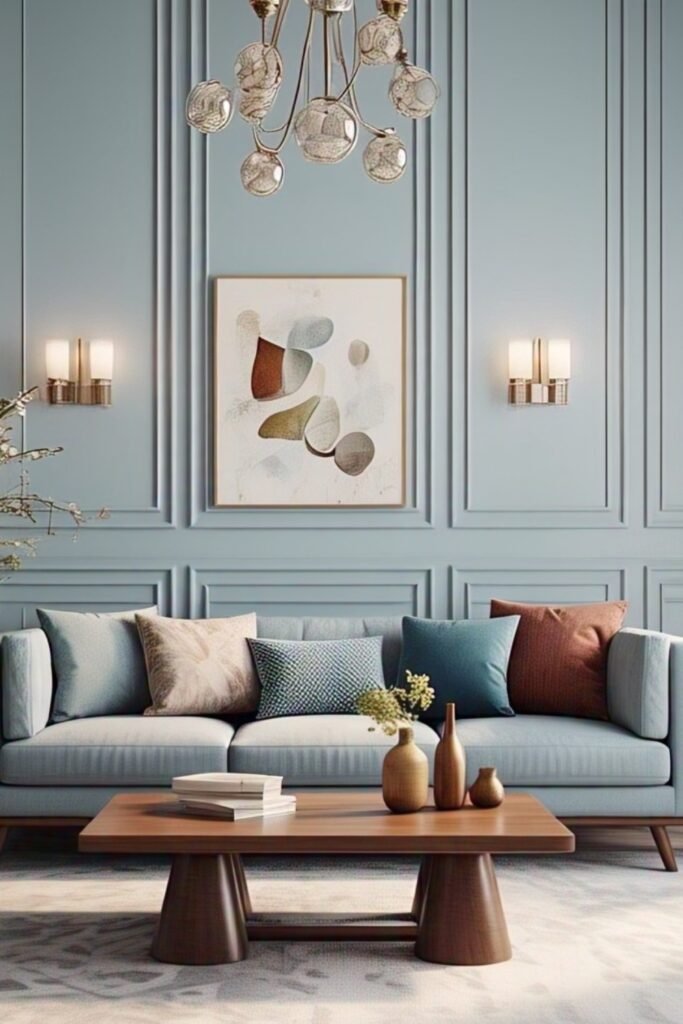
Powder Blue Walls That Add a Gentle Lift
You can combine your walls with soft complementary furniture and warm wood accents to keep your space grounded.
You will want subtle gold details or wall molding to add elegance, giving you a living room that feels fresh, inviting, and effortlessly stylish.
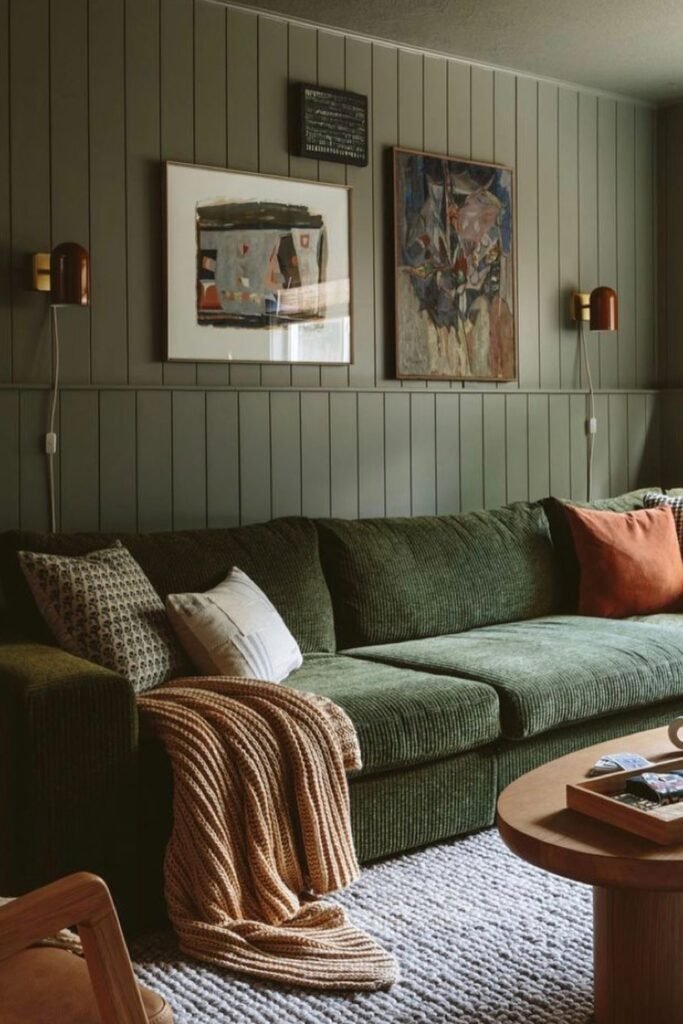
Olive Paneling That Wraps You In Warmth
You should layer textiles like knits and corduroy, and you can bring in rust or terracotta pieces to keep the palette cozy and inviting.
The soft, earthy tone pairs beautifully with a deep green sofa and warm wood accents.
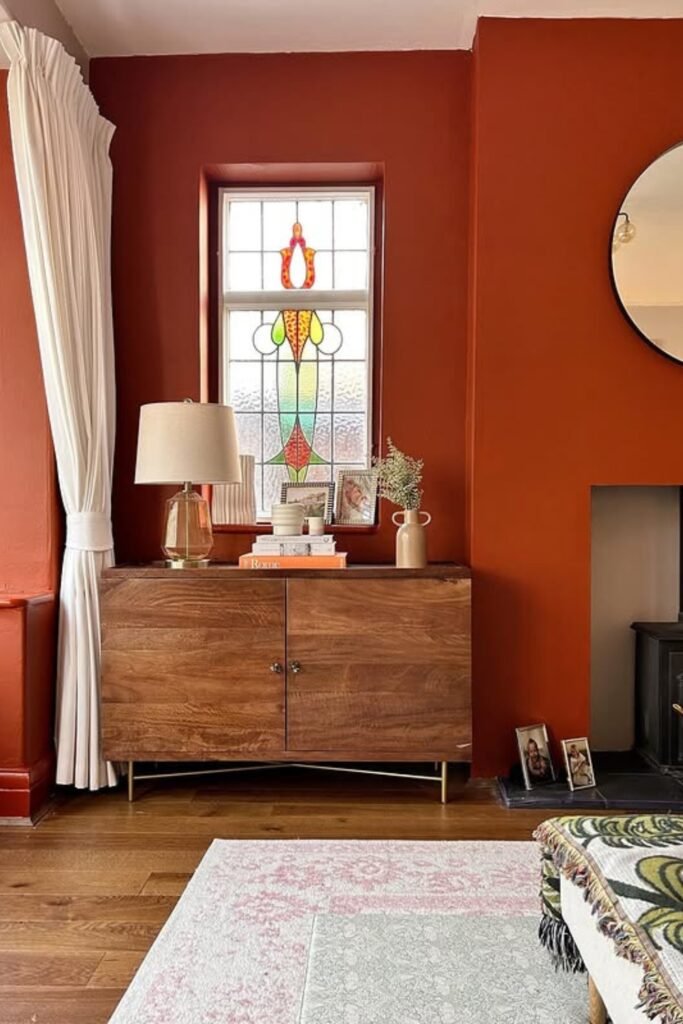
Burnt Orange Walls That Bring Energy
You get a space full of warmth and personality, especially in areas with good natural light.
This shade works beautifully in rooms with good natural light, where the color can shine without feeling overpowering.
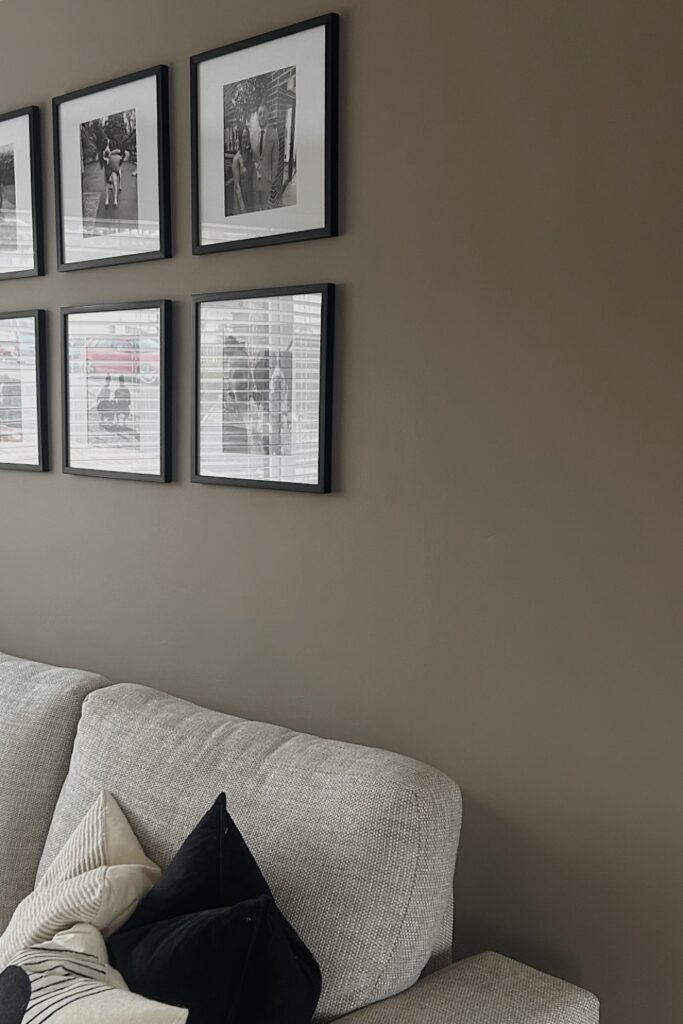
Deep Cocoa Walls That Add Cozy Depth
You will love the deep cocoa brown wraps your living room in warmth, giving you an inviting, enveloping feel.
You can pair the walls with light upholstery and black accents to add a modern edge.
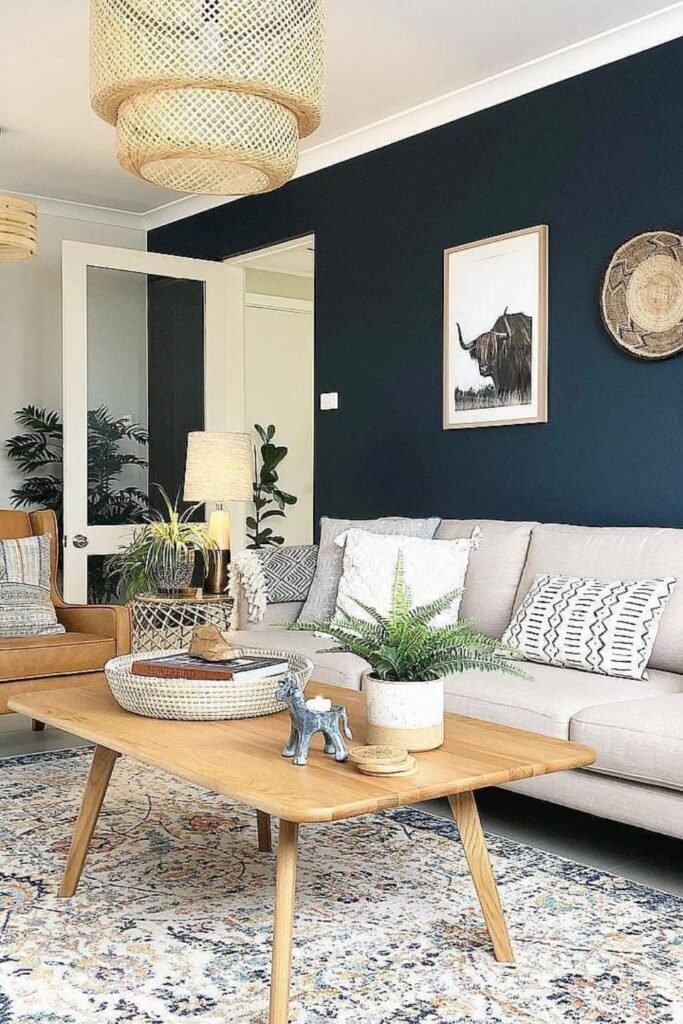
Navy Accent Wall That Grounds the Space
You should balance the dark wall with textured cushions, woven lighting, and camel-toned accents.
You can also bring in greenery to soften the navy and keep your room feeling inviting.
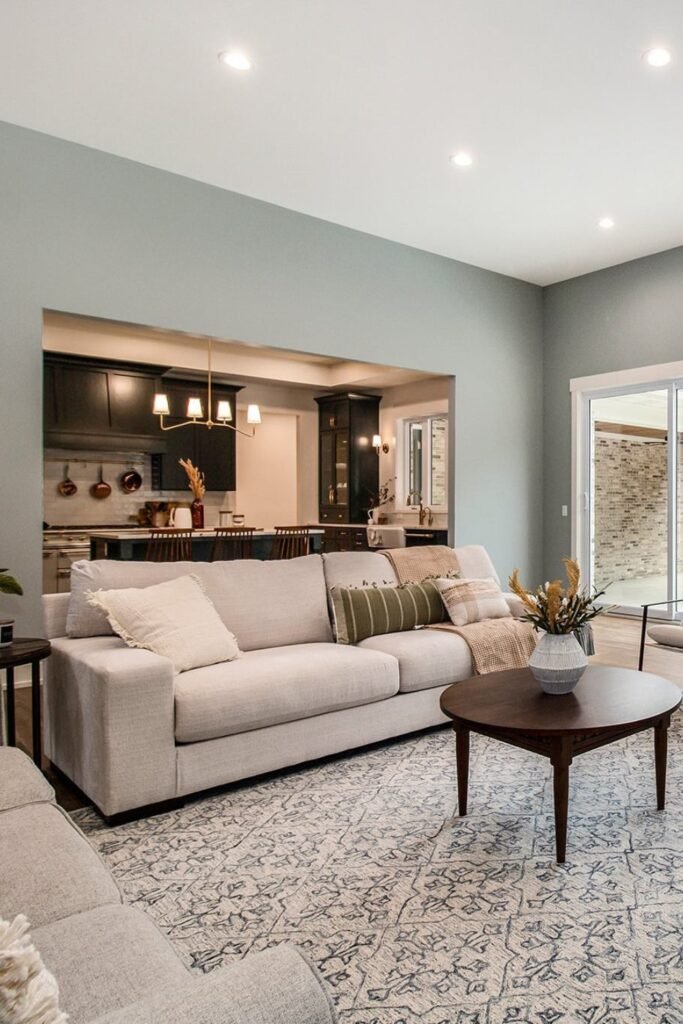
Soft Blue Walls That Keep the Room Airy
A pale blue-gray tone creates a fresh, open feel, making the room look bigger without feeling cold.
You should let natural light highlight the hue, and you can use clean lines and minimal décor to make this airy tone really shine.
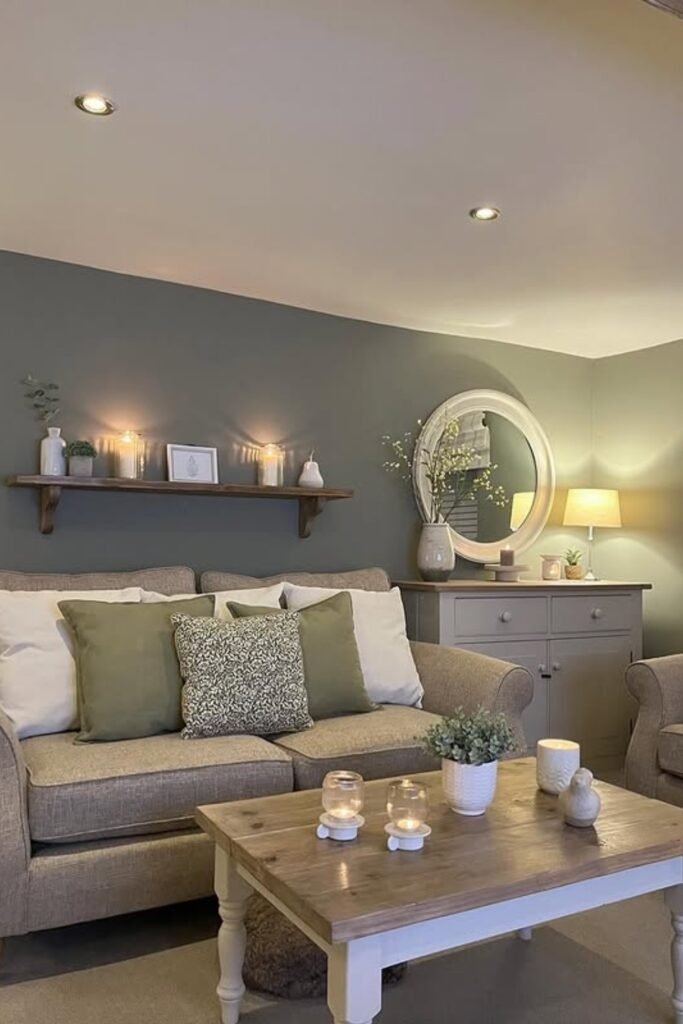
Muted Green Walls That Set a Cozy Mood
You will feel instantly at ease when you paint your living room a soft muted green, it gives your space a warm, inviting glow perfect for relaxed evenings.
You can pair it with natural wood accents and soft lighting to create a layered, homey vibe.
FAQs
What color makes a living room feel warm and cozy?
You will notice that warm tones like beige, terracotta, muted green, and soft browns instantly make your living room feel welcoming.
You can pair these shades with warm wood, textured fabrics, and layered accents to create a cozy, inviting space.
If your room doesn’t get much natural light, you should use warmer colors to bring that soft, glowing vibe into your space.
How do I choose the right paint color for my living room?
You an start by noticing how much natural light your room gets. If your space is bright, you can go for deeper tones like navy or olive to add depth and coziness.
If your room feels dim, you should lean toward lighter neutrals to make it feel open and airy.
You will want to test a few paint swatches on your wall and check them at different times of the day so you can see exactly how the light changes the color.
You may like to read!
