
24 Japandi Living Room Ideas for 2026

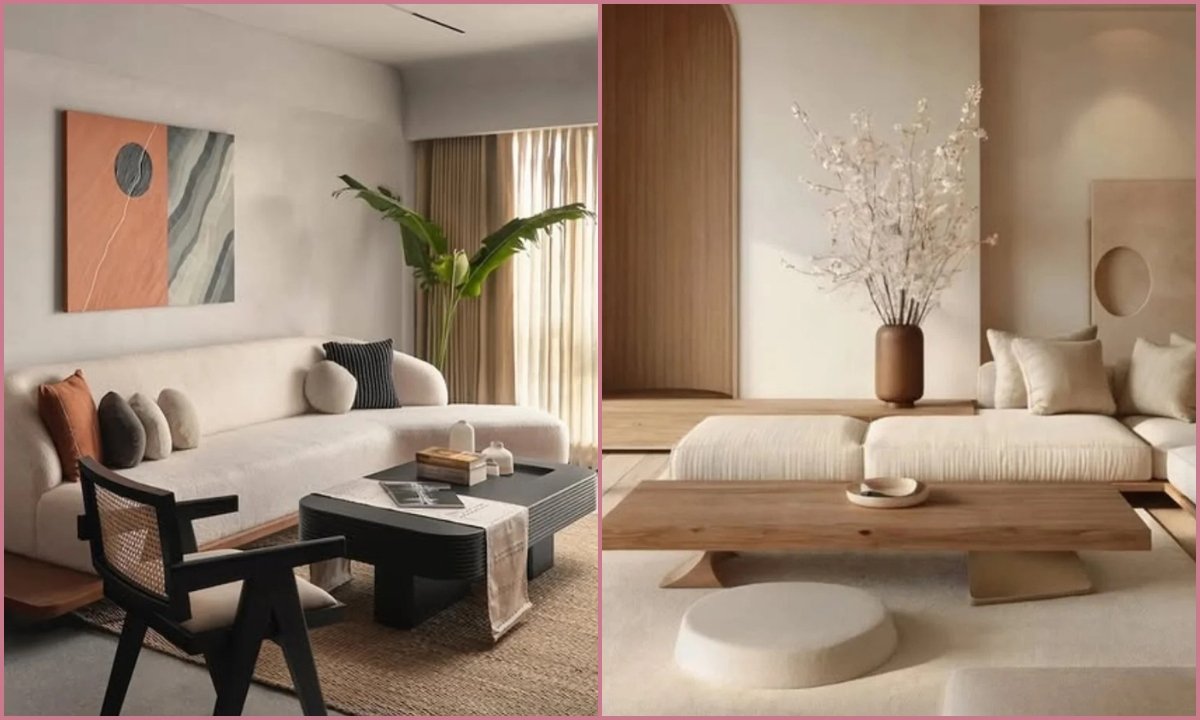
This article may contain affiliate links: read full affiliate disclosure.
You scroll and search for Japandi living room ideas, you flip through beautiful images, you save this one and that one and then you get stuck.
When you look at those perfect pictures, you think you can do that too, but when you try, your space feels empty, you feel like it’s cold, or you just feel like it’s not quite right.
If you find yourself feeling this way, know you’re not alone. You love the Japandi look, you think it’s calm and beautiful, but you don’t know what actually makes it work in a real room.
In this article, you will see exactly how you can make Japandi work, with 24 unique japandi living room ideas.
Let’s jump in!
What Is A Japandi Living Room?
A Japandi living room is a style that you’ll notice blends the clean, minimalist elegance of Japanese design with the cozy, simple vibes of Scandinavian design.
You can think of “Japandi” as a mix of Japanese and Scandi, and when you look at it, you’ll see how both cultures come together in a calm, balanced way.
When you decorate this way, you focus on simplicity, functionality, natural materials, and a peaceful atmosphere, so you can actually feel relaxed in your living space.
If you pay attention, you’ll notice that minimalism is key. You’ll want to avoid clutter, and you’ll see that less really is more.
You pick furniture carefully, you keep it to a minimum, and you let your room feel airy and organized.
You might even start to appreciate the Japanese idea of wabi-sabi, where you notice the beauty in simplicity and imperfection.
You’ll also find that natural materials are everywhere. You’ll see wood in your furniture, your floors, and little decorative touches.
You can choose light woods like oak or ash for that Scandinavian feel, or darker woods to echo Japanese style.
You might even add materials like linen, cotton, bamboo, stone, or ceramic, and you’ll notice how they make your room feel organic and calm.
When you pick a color palette, you’ll lean toward neutrals that make you feel relaxed. Soft whites, warm beige, light gray, muted greens, and earthy browns can really calm your space.
You might add darker touches like charcoal or black, and you’ll see how they create depth without stealing the serenity.
You’ll notice that furniture is low-profile, functional, and well-crafted. When you choose sofas, coffee tables, or shelving, you’ll focus on simple shapes and clean lines.
You’ll want comfort, but you’ll also want your space to stay uncluttered and refined. When it comes to decor, you’ll keep it minimal but meaningful.
You can add a few items handmade ceramics, plants, simple artwork, or textured cushions and you’ll see how each one adds personality without overwhelming your room.
By the time you’re done, you’ll have a calm, balanced, and timeless living room.
You’ll feel the warmth of Scandinavian comfort and the peaceful minimalism of Japanese design.
You’ll realize that Japandi isn’t just a style, it’s something you can actually live in and love every day.
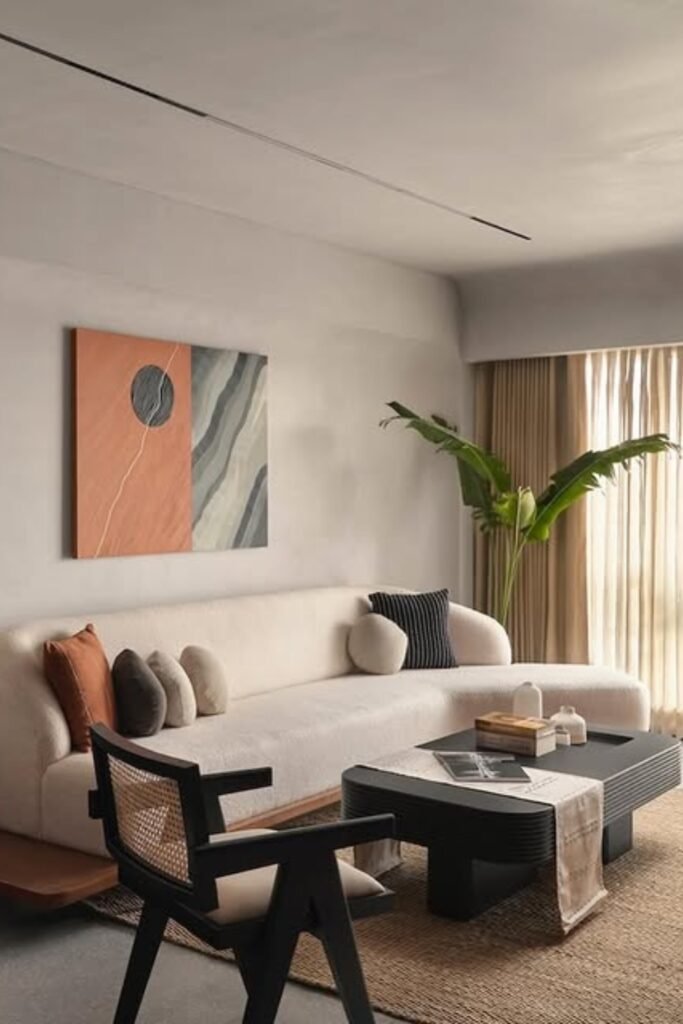
Calm Through Contrast
When you mix soft and dark elements, you help your living room feel balanced.
You’ll see that your light sofa creates calm, while a black chair or coffee table can add structure so you don’t feel like the space is washed out.
If your walls are already neutral, you can keep the contrast intentional, limit your dark pieces to one or two. When you control contrast like this, you’ll notice your room feels modern, not busy.
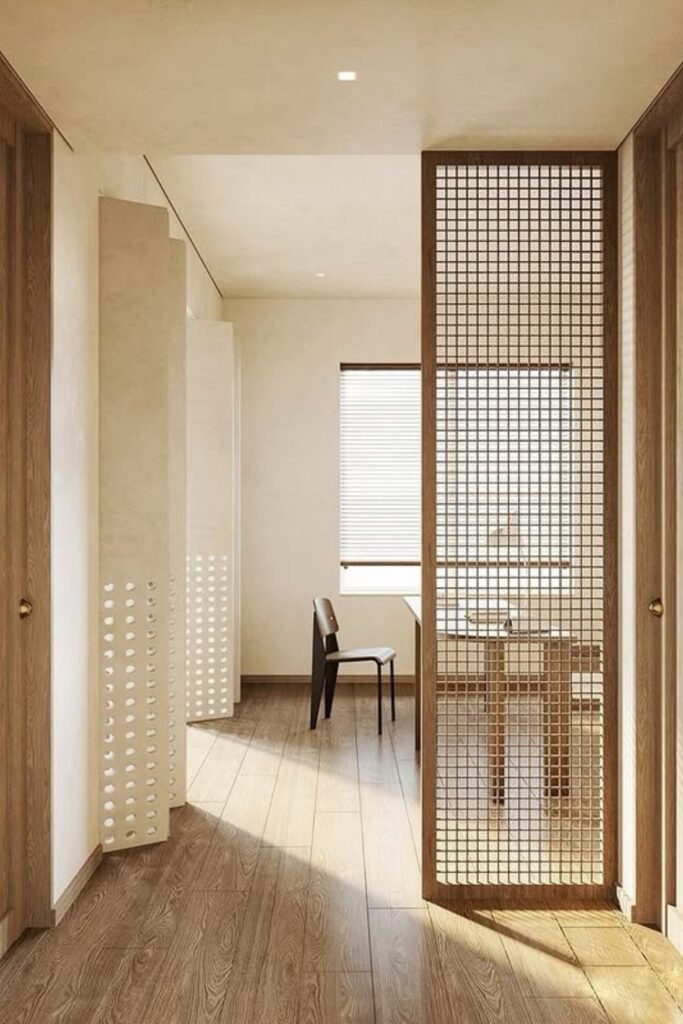
Soft Space Division
If your living room is open, you’ll find it feels calmer when you guide movement instead of blocking it.
You can use a wooden or slatted divider to separate zones without killing light or flow.
When you do this in an open-plan space, you’ll see how the seating area can blend into dining or work areas.
You’ll want warm wood and simple patterns so it feels intentional, not decorative.
You aren’t blocking yourself, you’re giving your living room its own quiet boundary while keeping everything connected.
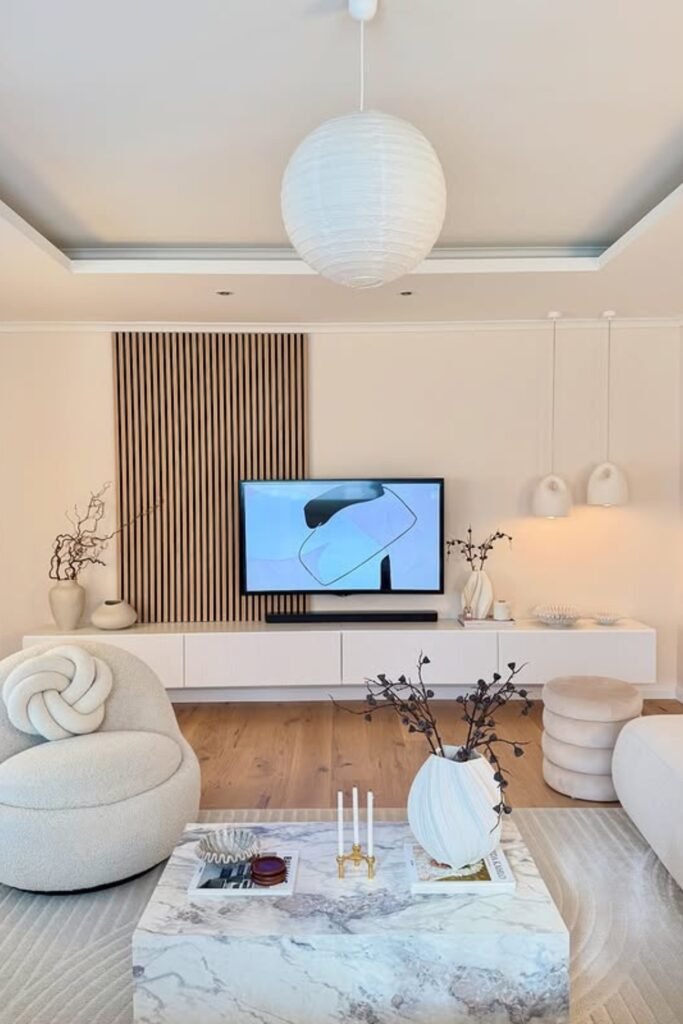
Light Shapes Balance
When you choose furniture that’s soft and rounded, you’ll feel the calm instantly.
You’ll notice how curved chairs, a rounded coffee table, and gentle lighting take away sharp edges and visual stress.
If your walls are clean and storage is simple, you can let these shapes shine.
When you keep the color palette tight, you’ll see how the shapes stand out and your room looks intentional instead of styled.
Warm Wood Layers
If your living room feels flat, you can fix it with wood layering fast.
When you add wood on ceilings, furniture, and architectural details, you’ll notice the space feels calm but not empty.
You’ll want to stick to similar wood tones so nothing fights for attention.
Once wood becomes part of your structure, you’ll feel your living room is grounded, warm, and quietly rich without adding extra décor.
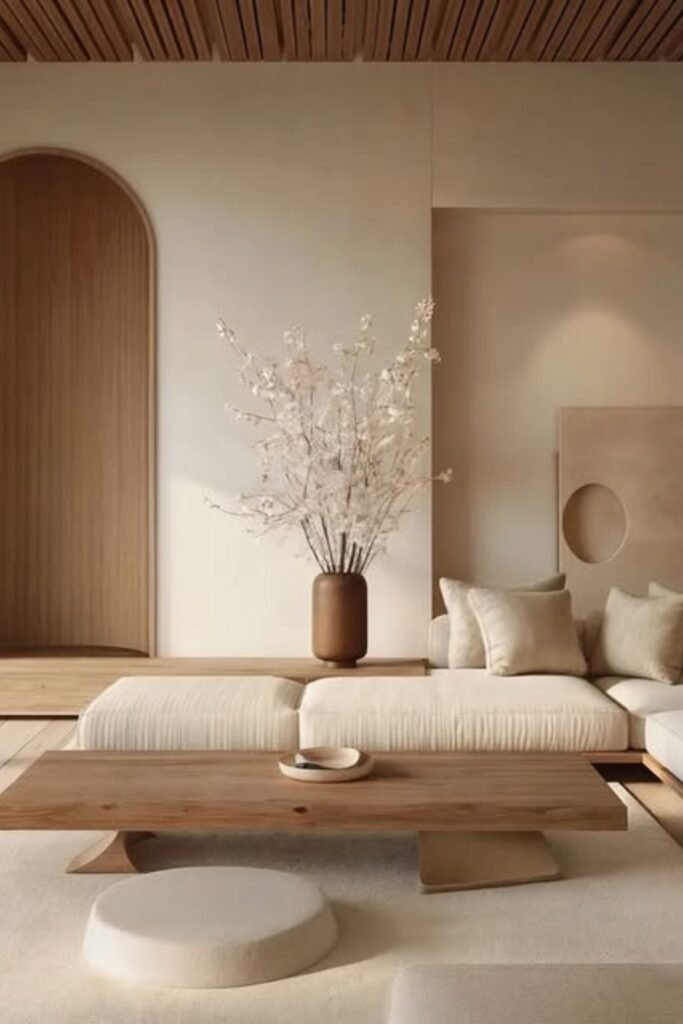
Open Yet Calm
When you keep your living room open, you’ll see it can stay calm instead of chaotic.
You’ll notice how low seating, open sightlines, and natural materials keep everything connected and peaceful.
You should keep furniture low and layouts simple so nothing blocks movement. When you let the room flow like this, you’ll feel it’s peaceful instead of overwhelming.
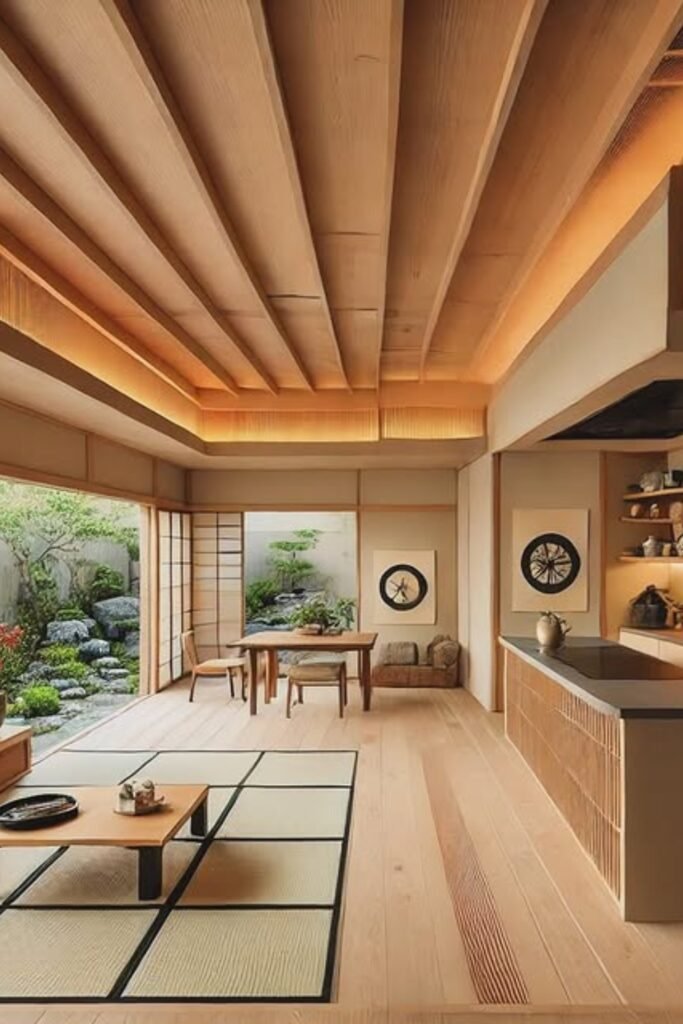
Clean And Quiet
If you strip your living room back to only what you use, you’ll instantly notice the calm.
You’ll see how a wall-mounted TV, low storage, and hidden clutter keep the focus on the room itself, not your stuff.
You should choose closed storage and soft wall colors so nothing competes for attention.
When you reduce visual noise, you’ll feel your living room is bigger, calmer, and easier to live in every day.
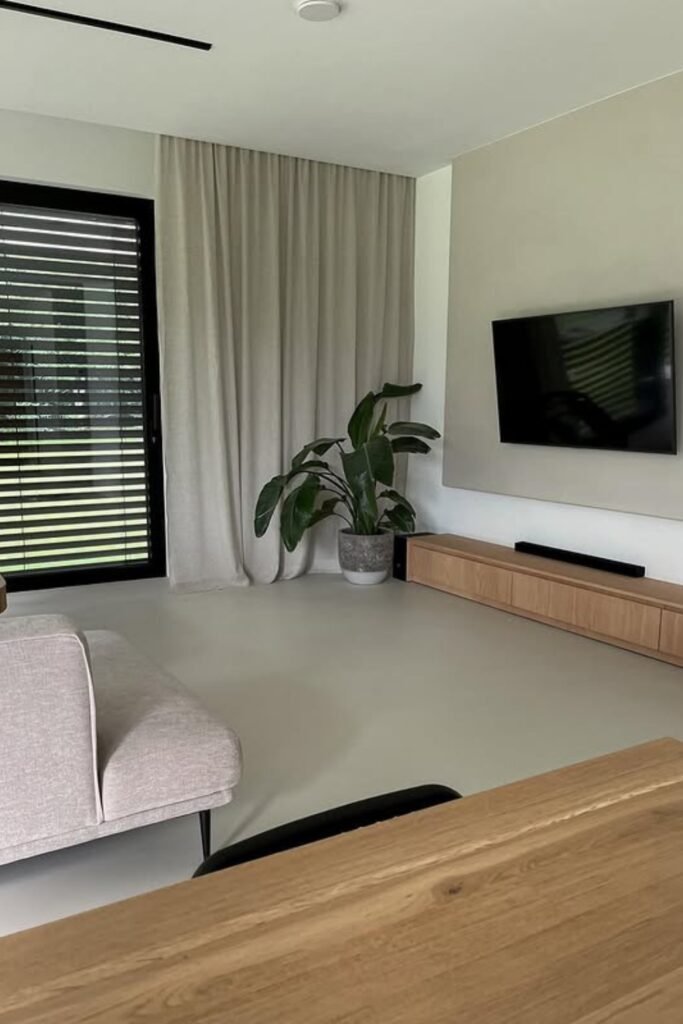
Structured Yet Soft
When you organize your living room carefully, you can make it feel welcoming instead of stiff.
You’ll notice a wood-paneled TV wall anchors the space, while rounded chairs and soft upholstery keep it cozy.
If your living room is large or has open staircases, you can repeat wood tones across furniture to keep everything connected.
When you use low, rounded seating, you’ll soften hard lines and feel your room is calm and structured at the same time.
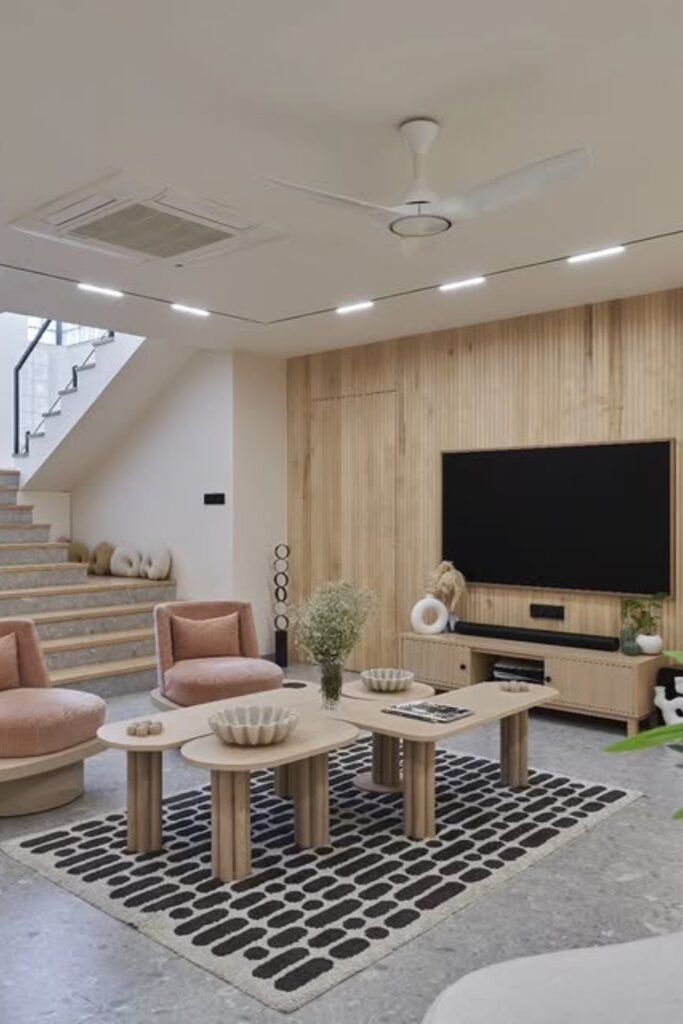
Texture Over Decor
If you focus on touchable materials, you’ll keep your living room interesting without adding clutter.
You can use a thick wooden coffee table, soft textiles, and subtle ceramics to do the work for you.
When you pick raw wood, woven rugs, and linen throws, you’ll see that you don’t need shelves full of items.
You’ll notice the space feels warm, calm, and finished without looking busy.
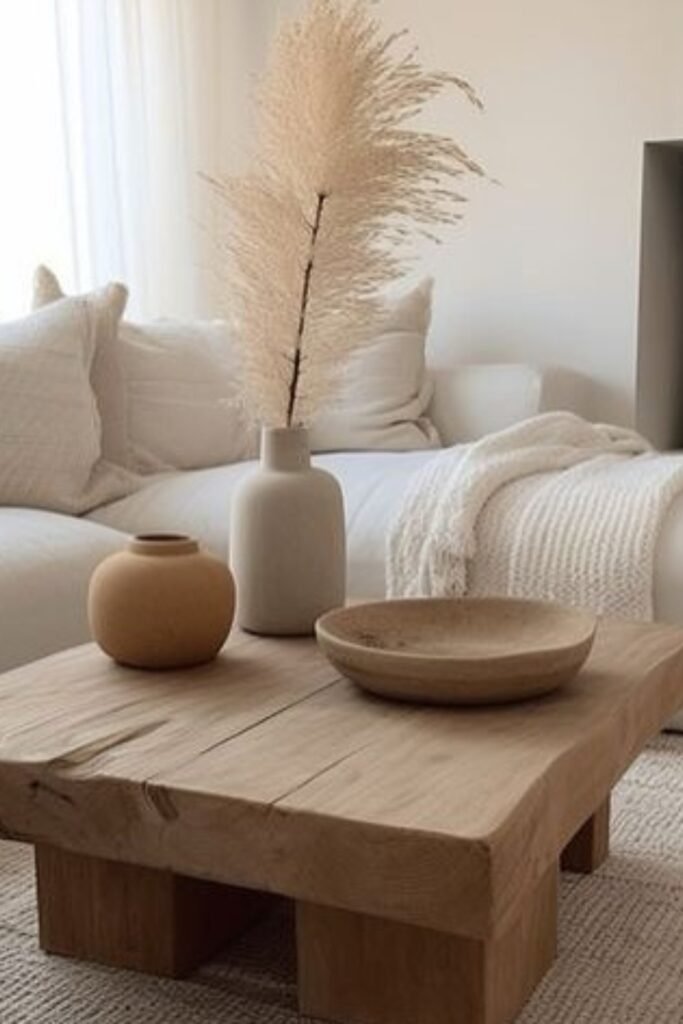
Nature As Backdrop
When your living room opens to greenery, you’ll realize you don’t need much else.
You can let large glass panels pull the outdoors in and instantly calm the space. You should keep furniture low and simple so nothing blocks the view.
You’ll see how wood shelving and a few plants echo the outdoors, and when nature becomes your backdrop, you’ll feel your room is peaceful without trying too hard.
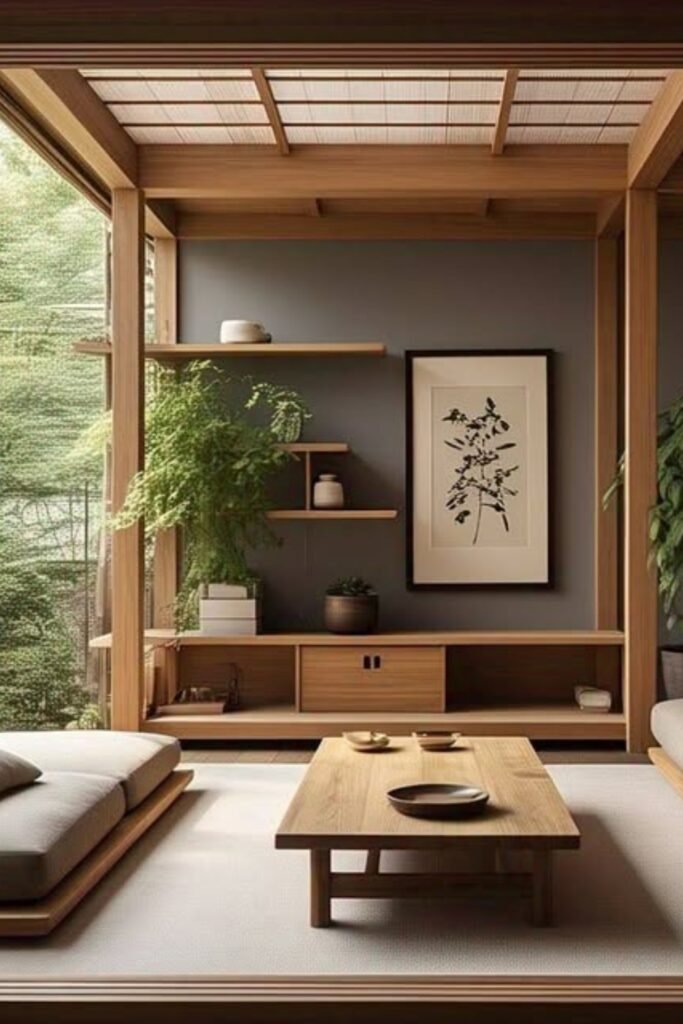
Soft Light Control
When you control light instead of blocking it, you’ll notice your living room feels calm.
You can use sheer curtains to soften daylight while keeping things bright.
If your windows are large, you might layer sheer and heavier curtains to adjust the mood without changing furniture or colors.
When you balance a neutral sofa with a dark coffee table, you’ll see your space doesn’t feel flat.
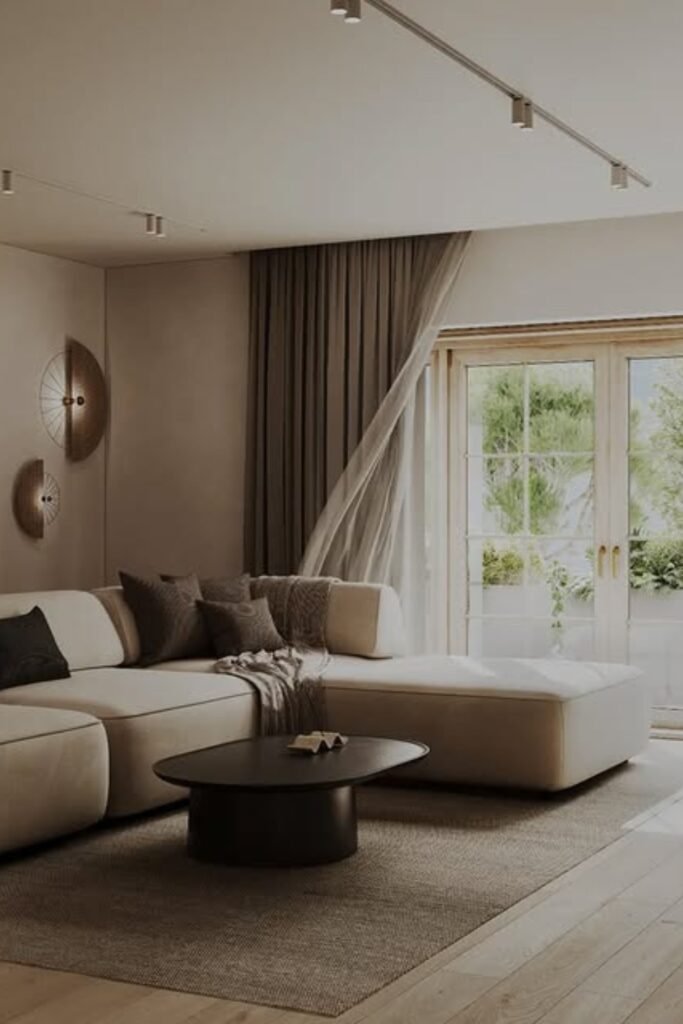
Balanced And Warm
If your living room feels flat or too neutral, you can add warmth in small, controlled ways.
You’ll notice how a neutral sofa and rug keep the base calm, while a rust-colored cushion can bring life without overpowering.
You can repeat one warm accent once or twice, and you’ll feel the room is cozy without losing the clean Japandi look.
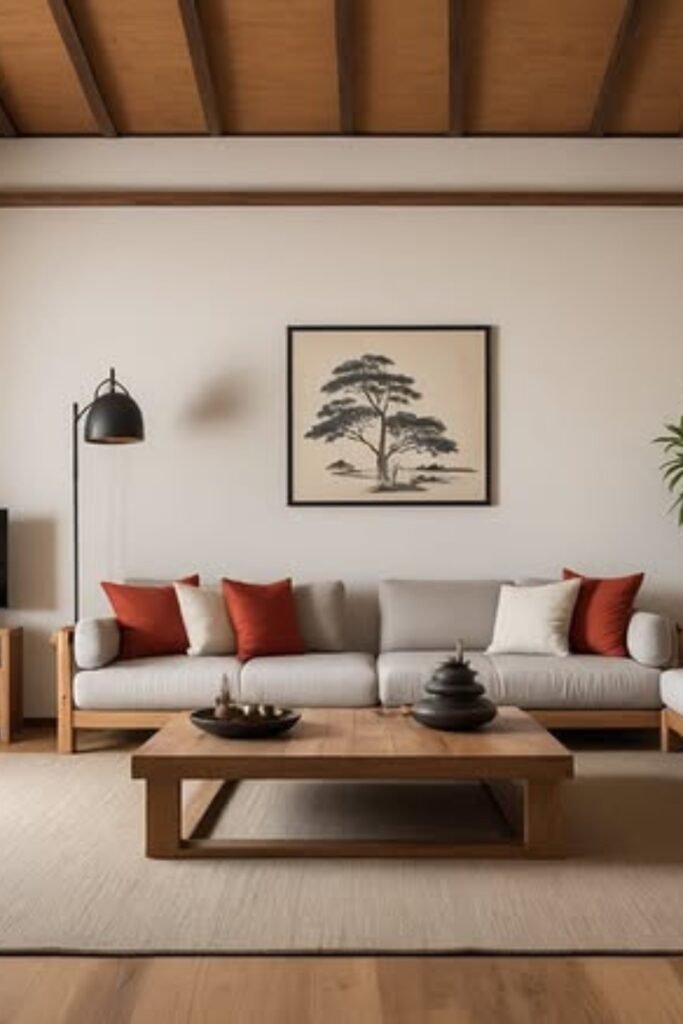
Soft Symmetry Works
When you match elements on both sides of your living room, you’ll feel calm balance instantly.
You can use lamps, side tables, or low seating to create order without feeling strict. If your sofa sits against a main wall, you’ll notice symmetry feels natural.
You should keep materials natural and colors light so it doesn’t feel formal. When both sides quietly mirror each other, you’ll feel your living room is settled, calm, and easy to sit in.
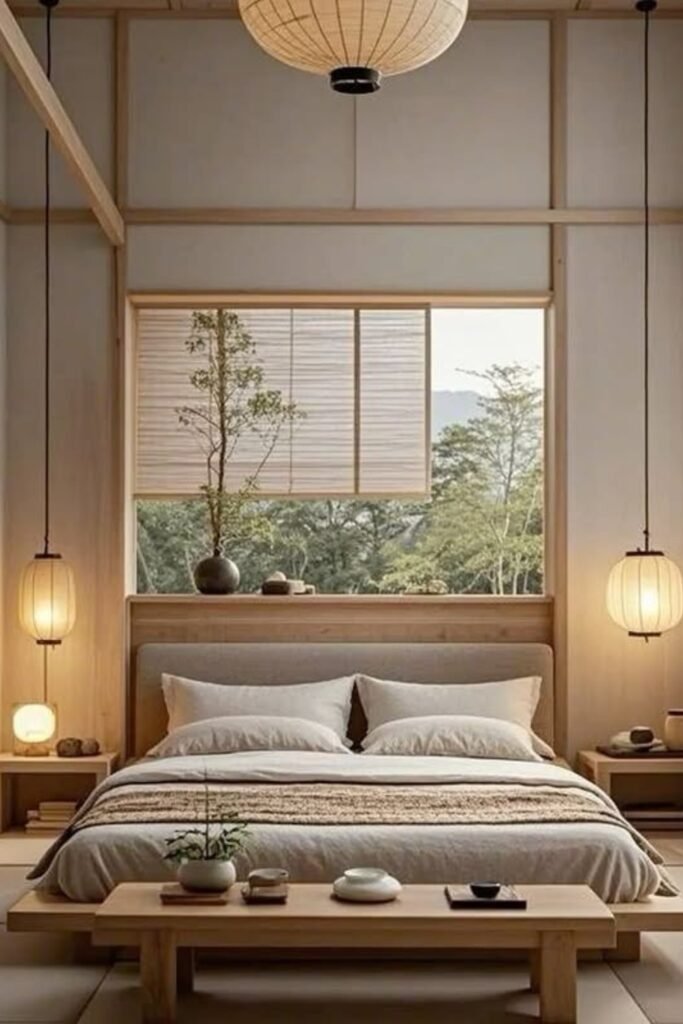
Nature Inside Living
You’ll find your living room feels calm when nature becomes part of the setup instead of just an accessory.
You can place a single statement plant, pair it with soft light and natural wood, and you’ll see life without clutter.
If you have good daylight and neutral walls, you should give your plant space instead of adding many small ones.
When you treat greenery like furniture, you’ll feel your room is balanced, calm, and deeply connected to nature.
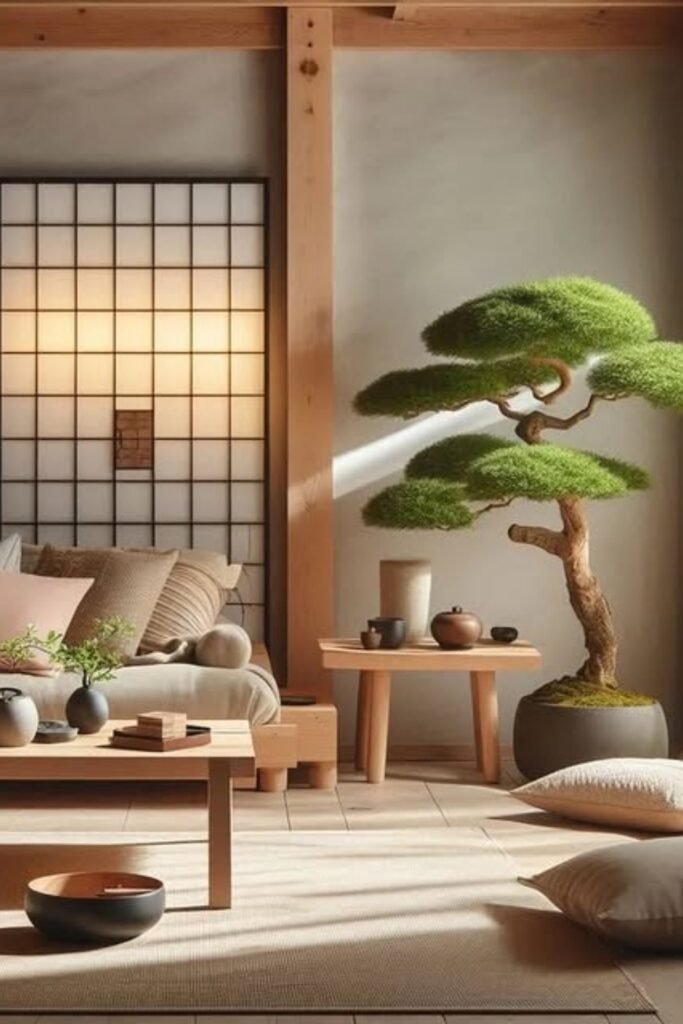
Stillness First Design
If you want calm, you should design your living room so nothing competes for attention.
You’ll notice how low seating, a grounded coffee table, and wide open space slow everything down.
When you have large windows or strong natural light, you won’t need much furniture to fill the space.
You should keep pieces close to the floor and limit décor to a few meaningful items. When you design for stillness first, your living room will feel intentional, spacious, and quietly powerful.
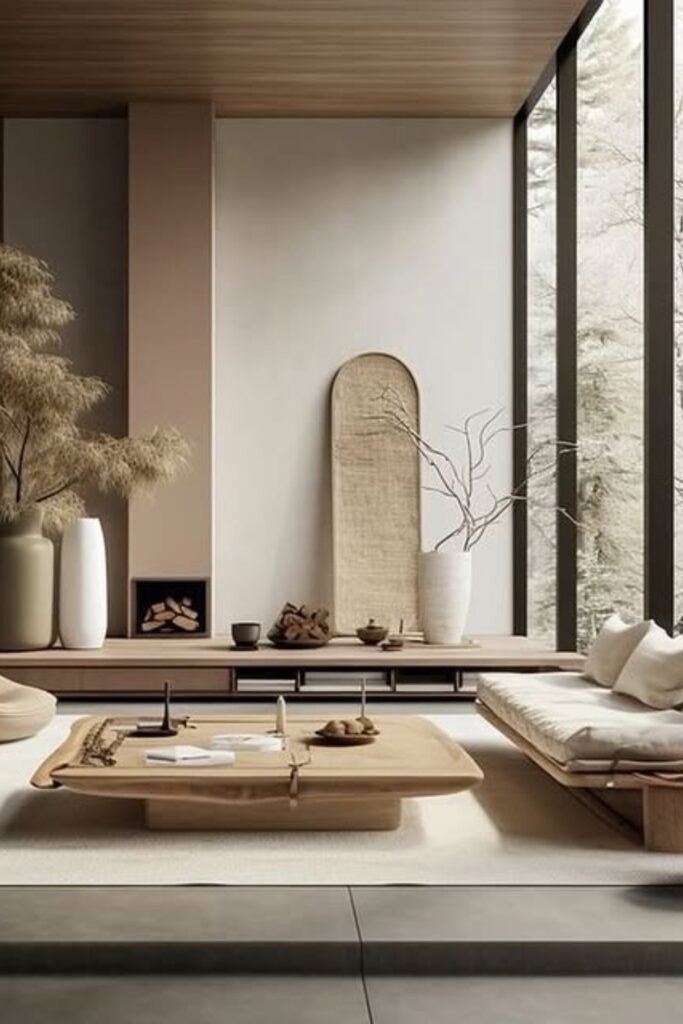
Quiet Visual Rhythm
You can make your living room interesting without adding color chaos.
You’ll see how a long sofa, low table, and repeated soft forms create a steady rhythm that feels calm.
If your room is large, you should keep furniture aligned and spaced evenly.
When shapes and spacing do the work, you’ll feel your room is balanced, calm, and easy on the eyes without feeling empty.
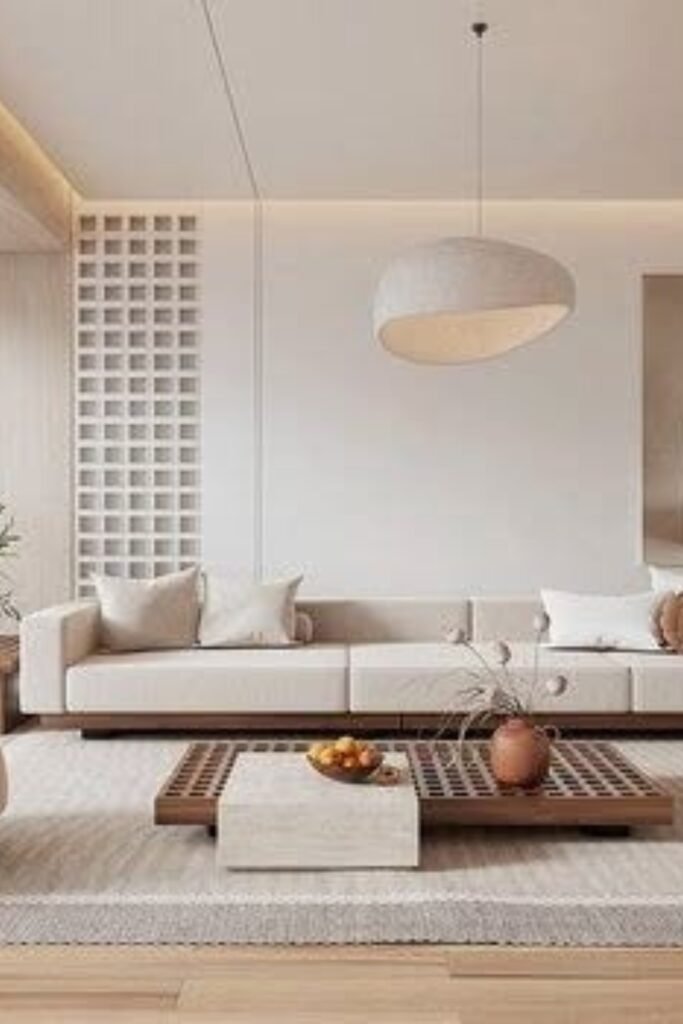
Soft Curves Only
You’ll notice how your living room feels gentle when nothing has hard edges.
You can swap in a curved sofa, a rounded table, or soft lighting, and you’ll feel the space slow down visually.
If your room feels too rigid, you might replace one straight piece with a rounded one.
When curves lead your design, you’ll feel calm, intimate, and relaxed without adding extra décor.
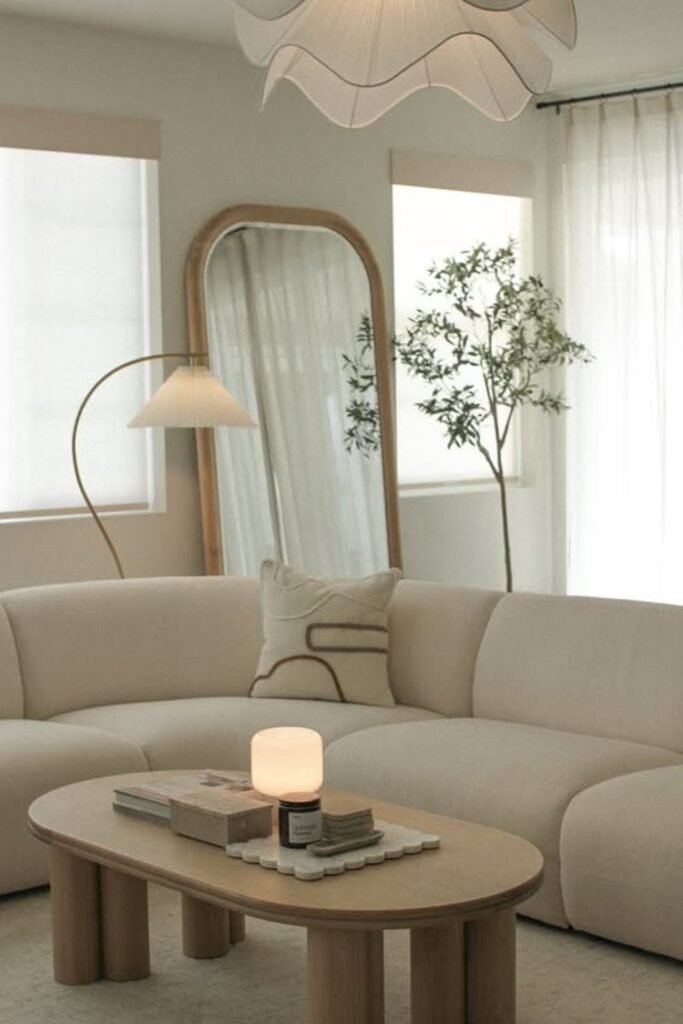
Grounded Modern Calm
If you want modern style without feeling cold, you should soften lines before they overwhelm.
You’ll see how a low sofa, layered tables, and a soft rug keep things grounded while hard surfaces add structure. You can balance concrete or black accents with warm wood and fabrics.
When modern elements stay close to the floor and textures remain soft, you’ll feel your living room is calm, not stark.
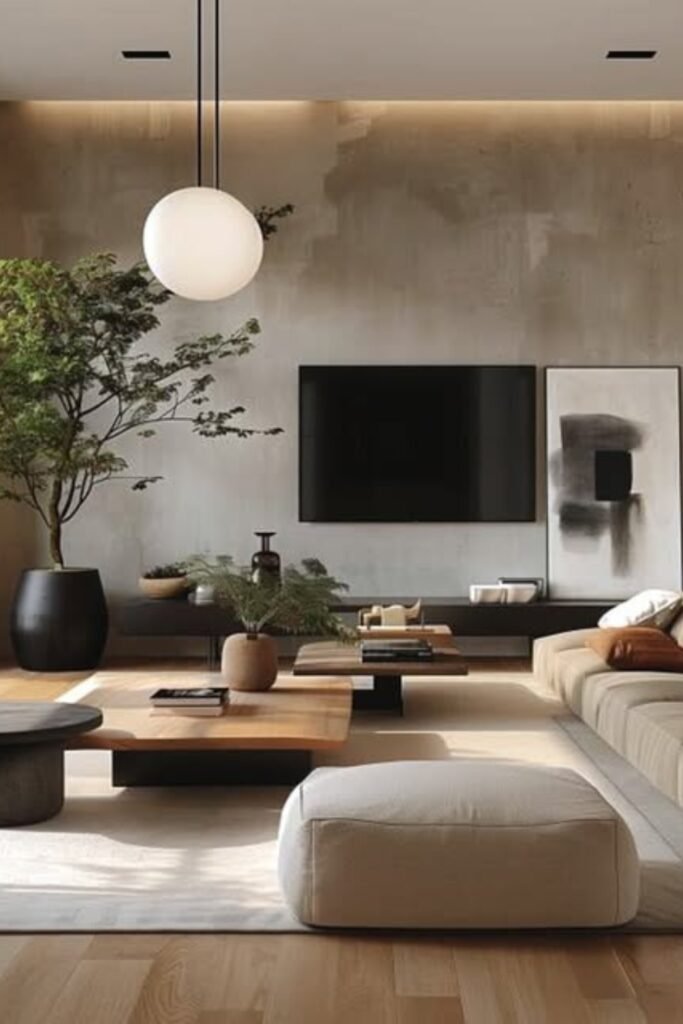
Layered Warm Lighting
You’ll notice how lighting can do more than brighten, it sets the mood.
You can layer paper-style pendants and soft sources at different heights, and you’ll see the room feel warmer.
If your living room connects to dining or kitchen zones, you should avoid relying on a single overhead light.
When you treat lighting as a design element, you’ll feel your space is calmer, cozier, and thoughtfully put together
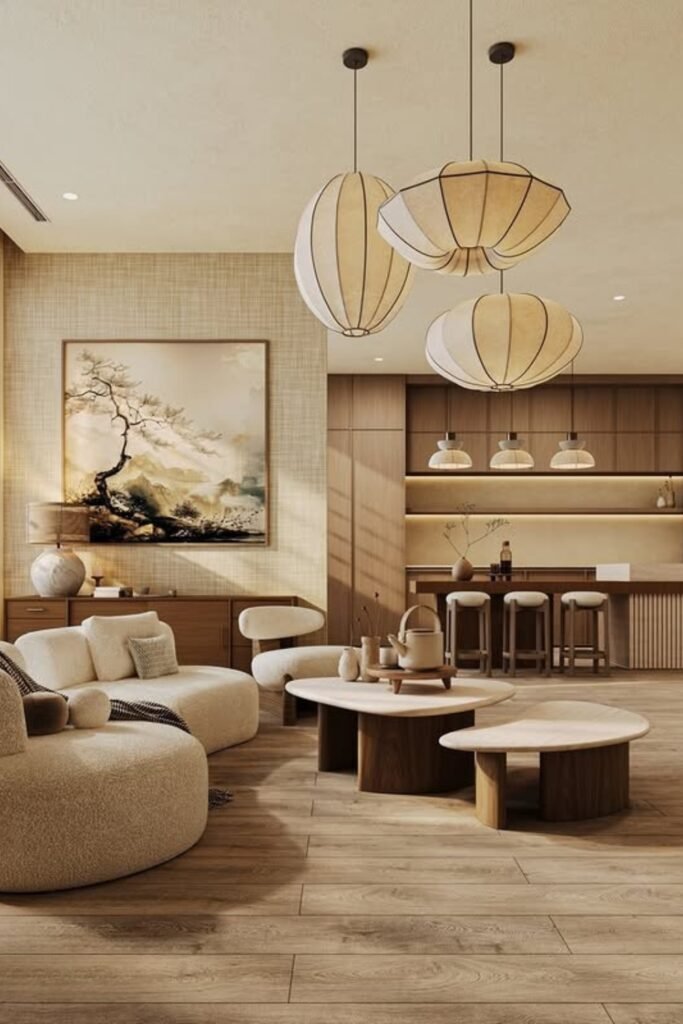
Sunlight As Feature
You’ll see how natural light can make your living room feel alive. When sunlight moves across walls and furniture, you’ll notice warmth without adding decor.
If your room has large openings, you should keep surfaces matte and furniture low so shadows can travel freely.
When you let sunlight lead, you’ll feel your living room change throughout the day and never feel static or dull.
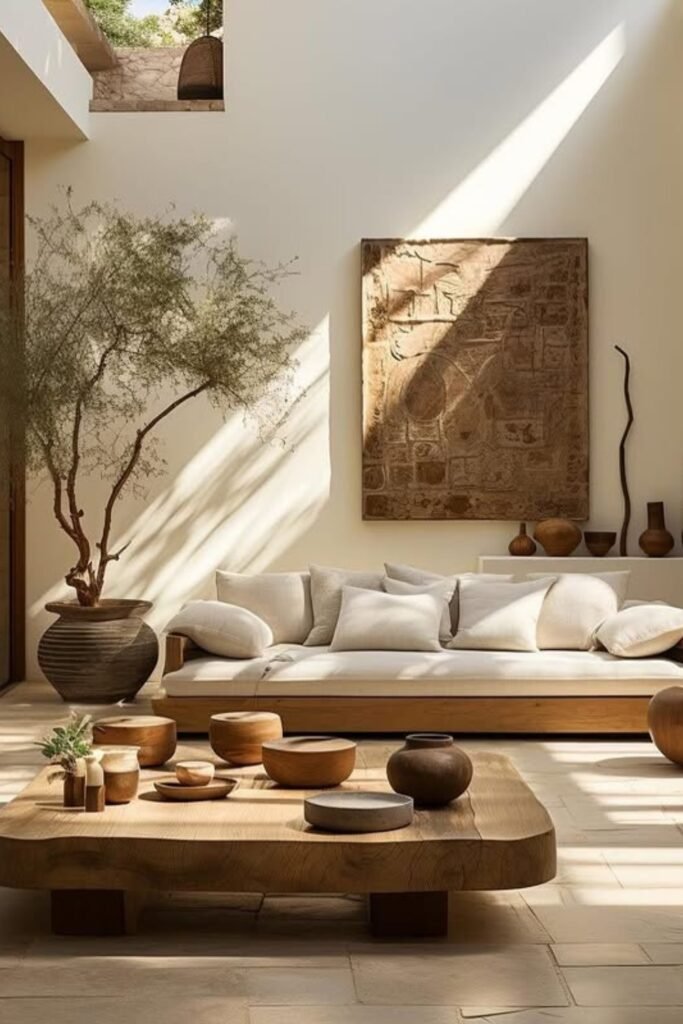
Soft Open Flow
You can make your living room feel spacious by letting everything flow. You’ll notice the sofa defines the seating area while keeping space open.
If your room connects to dining or kitchen zones, you should keep furniture low and colors consistent.
When nothing visually interrupts the flow, you’ll feel your space is larger, calmer, and far easier to live in.
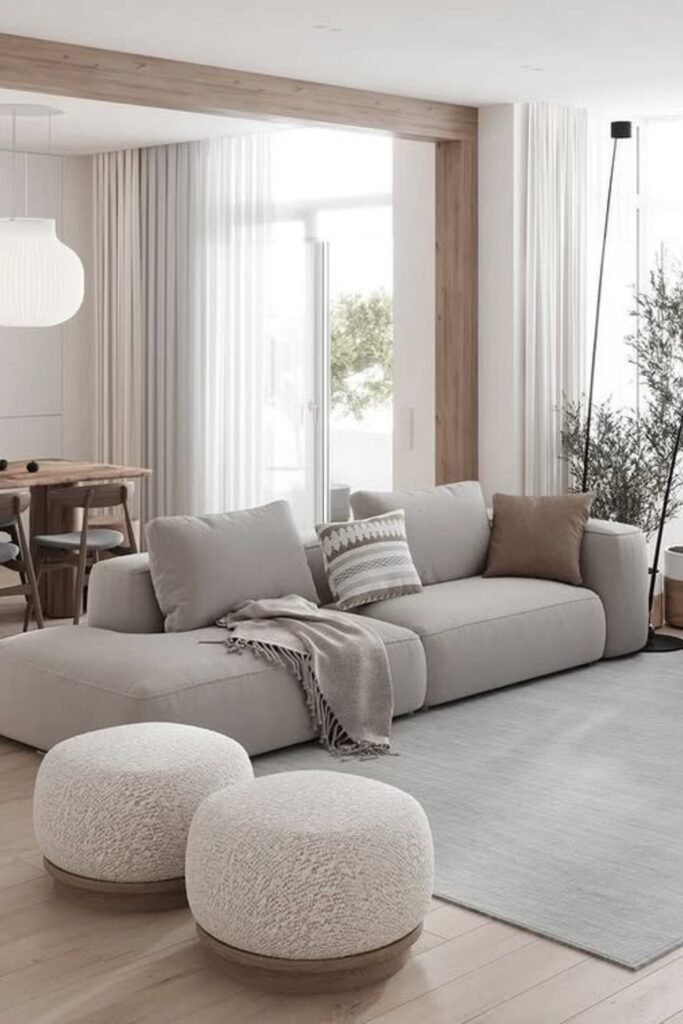
Quiet Weight Balance
You’ll see how spreading heavy elements makes your living room feel grounded.
You can balance a deep sofa on one side with a solid table or sculptural pieces elsewhere. If your room is large, you should choose a few substantial items instead of many small ones.
When visual weight is balanced, you’ll feel your living room is calm, stable, and thoughtfully composed.
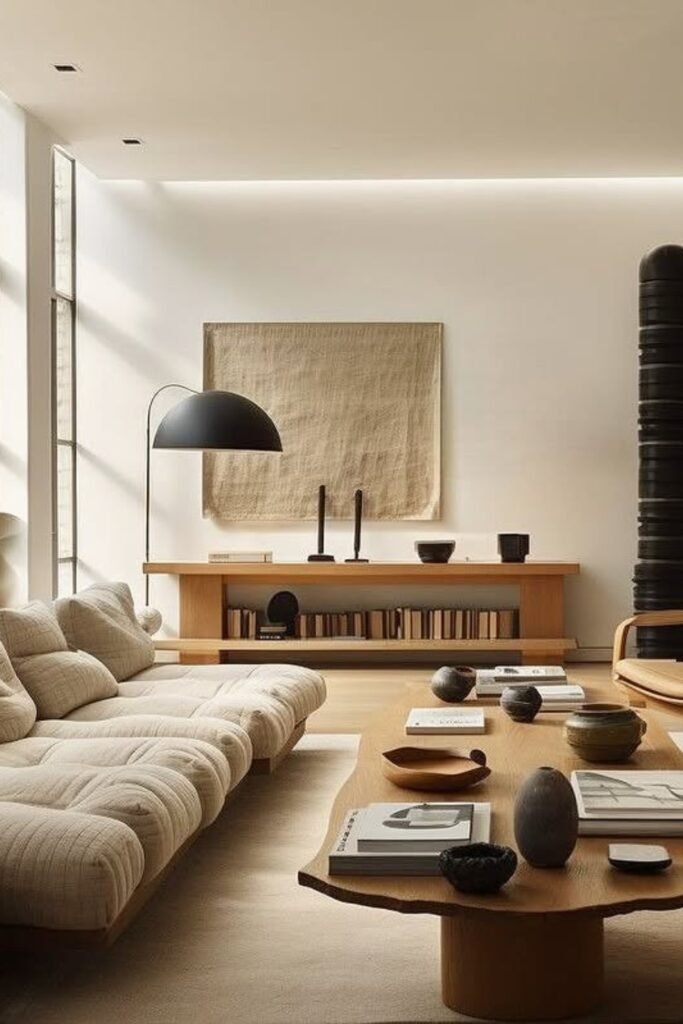
Calm Fireplace Focus
You’ll notice how a fireplace can anchor your living room without shouting.
You can pair it with low seating and a wide coffee table, and you’ll feel the layout stay grounded. If your room has strong views, you should avoid blocking light or sightlines.
When one element leads and everything else supports it, you’ll feel your living room is peaceful, cohesive, and easy to spend time in.
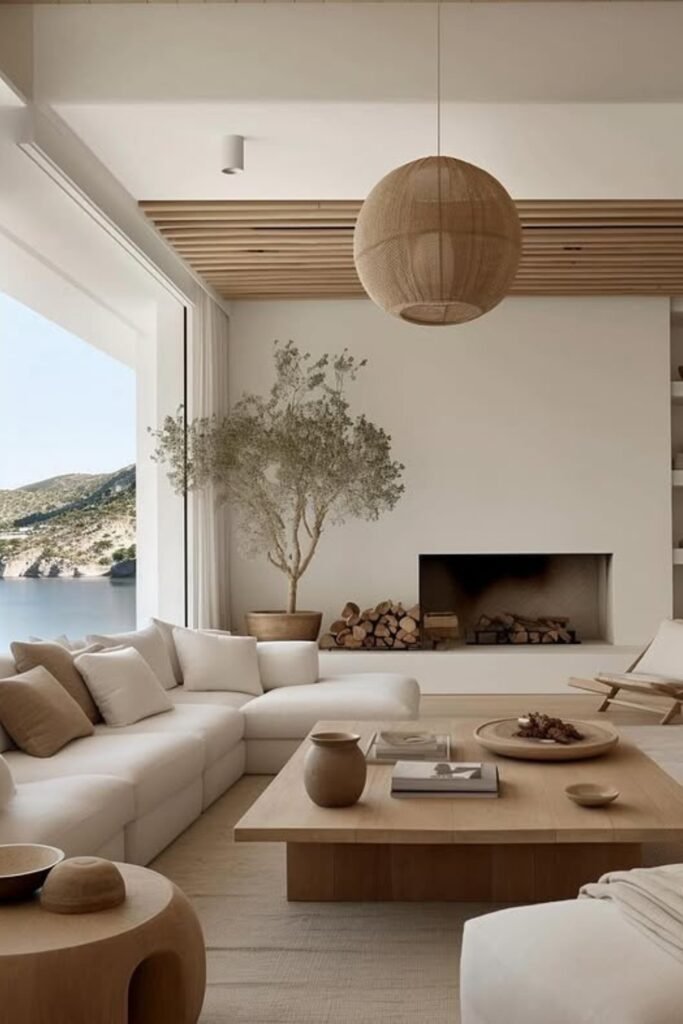
Low Living Layer
You’ll see how keeping furniture close to the floor makes your living room calm. You can use a low sofa, floor cushions, and a raised platform to ground the space.
If you want a relaxed, lounge-like vibe, you should stick with warm wood, soft textiles, and a simple rug.
When furniture stays low and layered, you’ll feel your room is peaceful, intentional, and easy to unwind in.
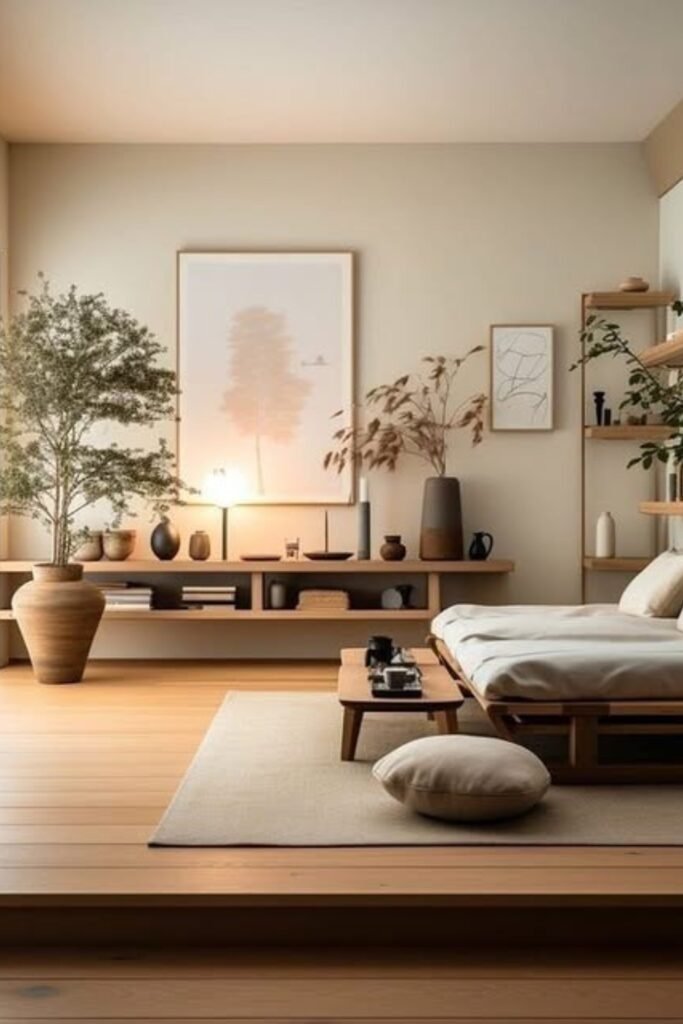
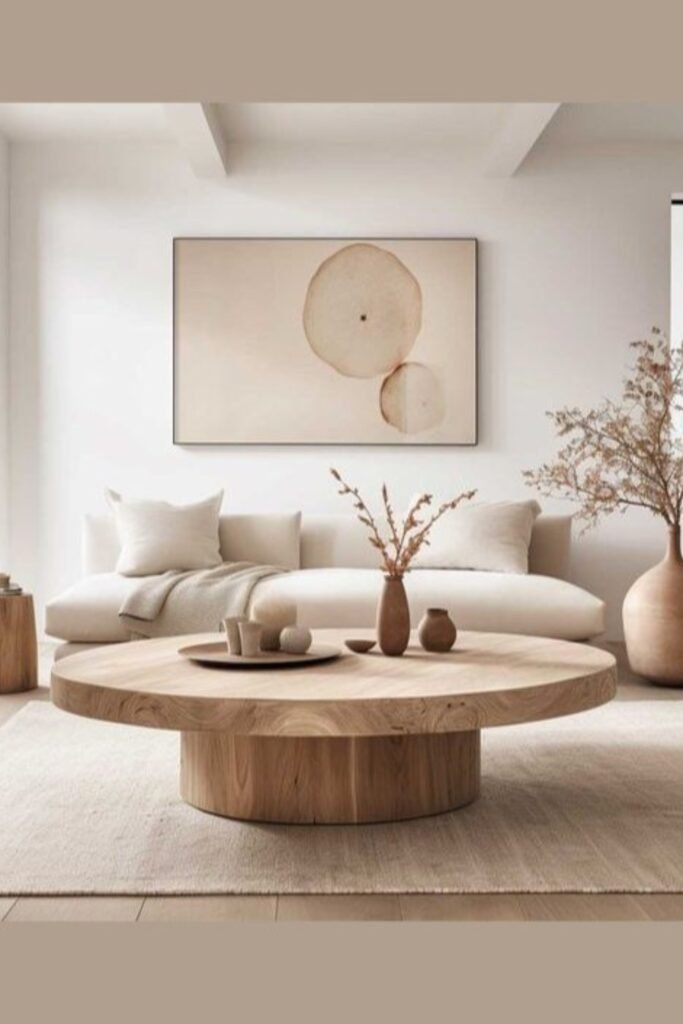
Centered And Grounded
You’ll notice how centering your living room around one strong element makes everything feel calm.
You can anchor the space with a round coffee table, and you’ll see seating naturally pull inward. If your room is square or open, you should keep surrounding furniture simple.
When the center feels stable, you’ll feel the whole room is balanced, calm, and easy to settle into without adding extra pieces.
FAQs
Can Japandi style work in small living rooms?
You’ll see that this works especially well in small living rooms. When you focus on fewer pieces, low furniture, and open space, you’ll notice your room instantly feels larger.
If you keep your layout simple and avoid bulky furniture, you’ll feel the space is calm instead of cramped.
How do you keep a Japandi living room from feeling cold?
You can avoid a cold, empty feeling by adding warmth through materials, not clutter.
You’ll want to use warm wood, soft fabrics, layered lighting, and a few natural touches like plants or ceramics.
When you let warmth come from texture and light, you’ll notice your room stays cozy without losing its clean, Japandi look.
You may like to read!
