
16 Feng Shui Bedroom Layout for 2026

This article may contain affiliate links: read full affiliate disclosure.
If your bedroom looks fine but never feels right, you are not imagining it. You move the bed, change the decor, add soft lighting and you still notice that something feels off.
You might feel like your sleep is lighter, or you sense clutter even when the room is tidy. That usually happens when the layout works against you.
Feng Shui here isn’t about rules or rituals, it’s about how your brain reads the space around you.
In this article, you will see one simple principle, the Rule of 3, that shows you why your bedroom feels unbalanced and 16 best ideas you can try in 2026.
Let’s jump in!
What Is the Rule of 3 in Feng Shui Bedroom?
The Rule of 3 is really about balance, not decoration. When your bedroom has too many strong elements competing for attention, you might notice that your mind never fully relaxes.
You will see that Feng Shui uses groups of three because your brain can process them easily and reads them as stable.
In your bedroom, this usually shows up as three main zones, the bed, supporting furniture, and open space.
If you let one zone take over, too much furniture, too little breathing room, or a bed that’s in the wrong spot, you will feel the tension in the room.
But when you fix the balance, you can finally make the room work for you instead of against you.
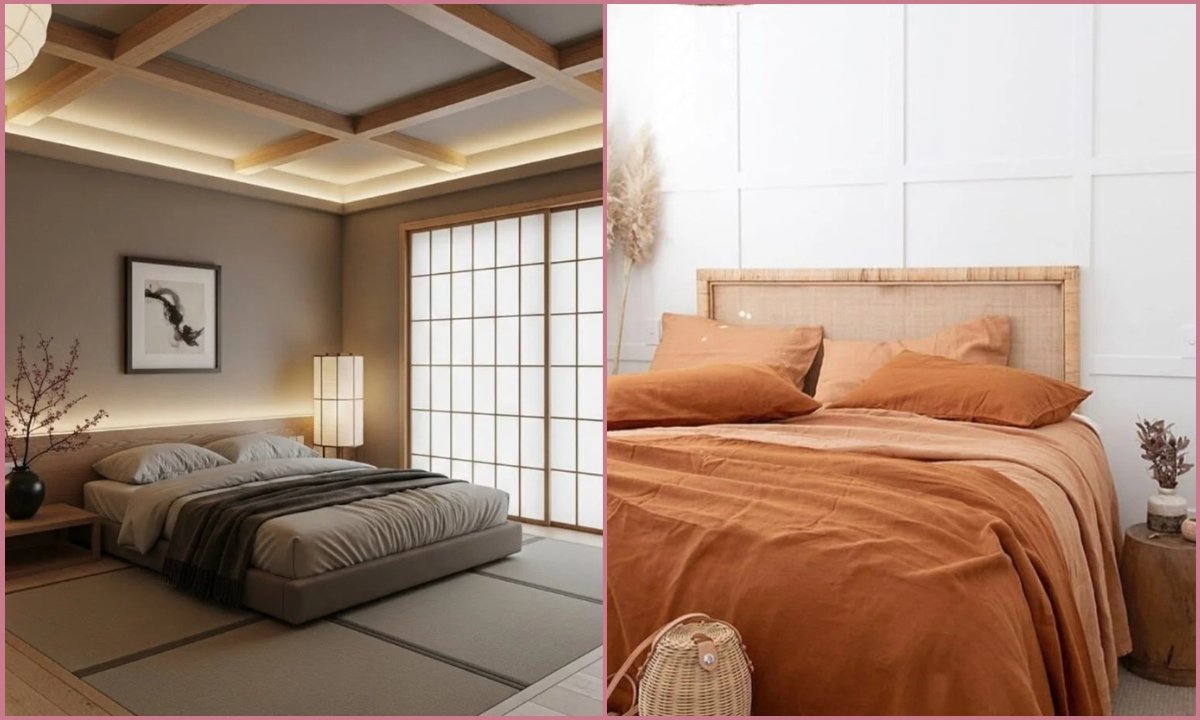
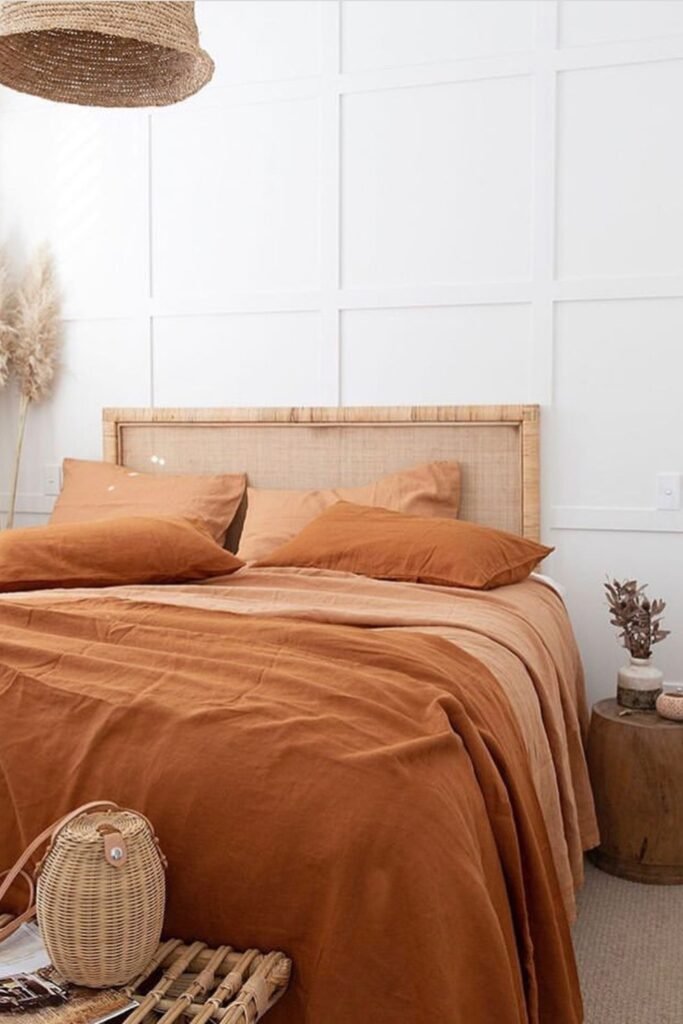
Calm Centered Bed
When you place your bed firmly in the middle, you can feel your body relax without even trying.
You get support from a solid headboard against a clean wall, while warm, earthy tones help you feel grounded instead of stuck in a sterile space.
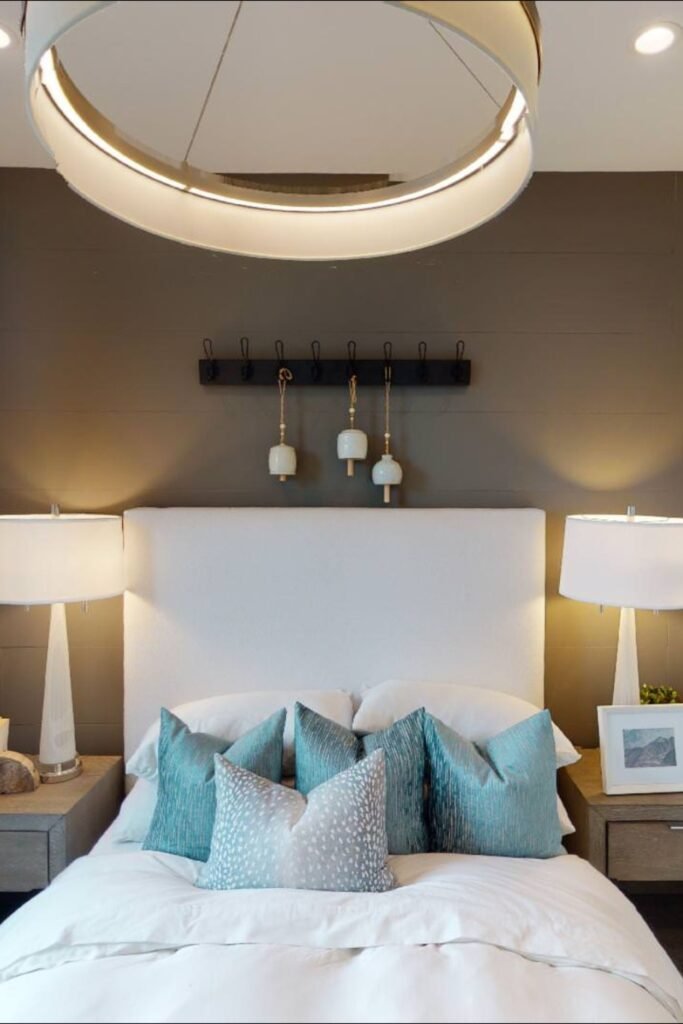
Balanced Pair Energy
You can create visual stability with matching nightstands and lamps, which helps your body relax faster at night.
This works especially well if you share your bedroom, because you can support better sleep and smoother daily routines.
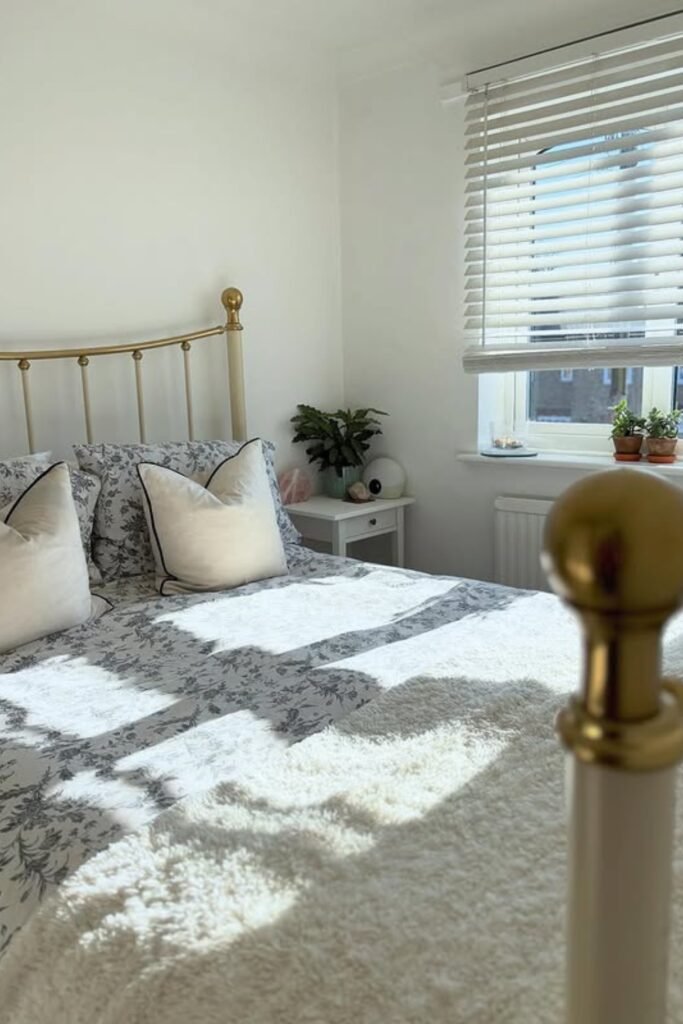
Soft Window Balance
If your bed sits near a window, you can layer it with soft textures and a solid headboard so the energy doesn’t feel restless.
You should use thick bedding, grounding colors, and blinds or curtains you actually close at night.
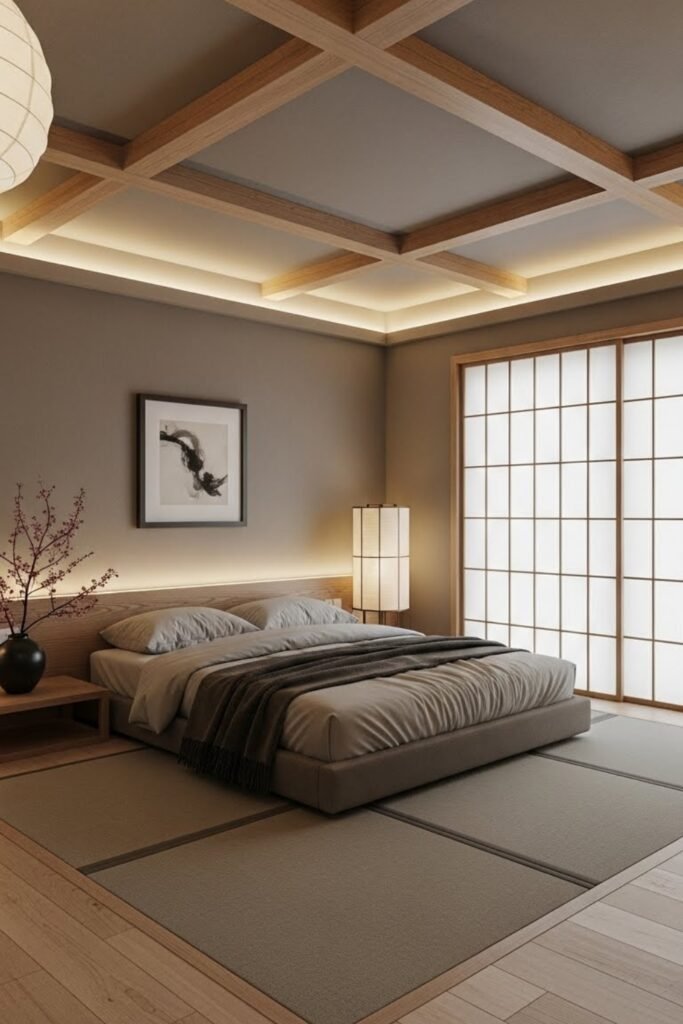
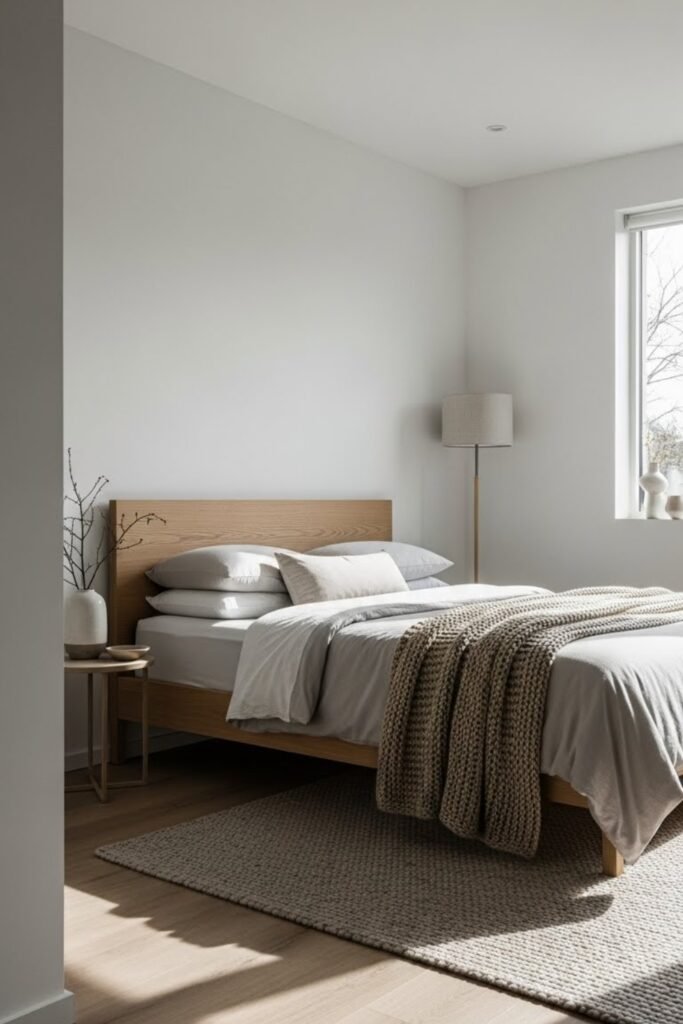
Low-Profile Bed Layout
You can make your body relax faster when your bed sits lower in the room. A low-profile frame brings energy down and helps the space feel calm.
If your room has beams, sloped ceilings, or strong overhead lighting, you should keep furniture low and spread out so you maintain a smooth flow.
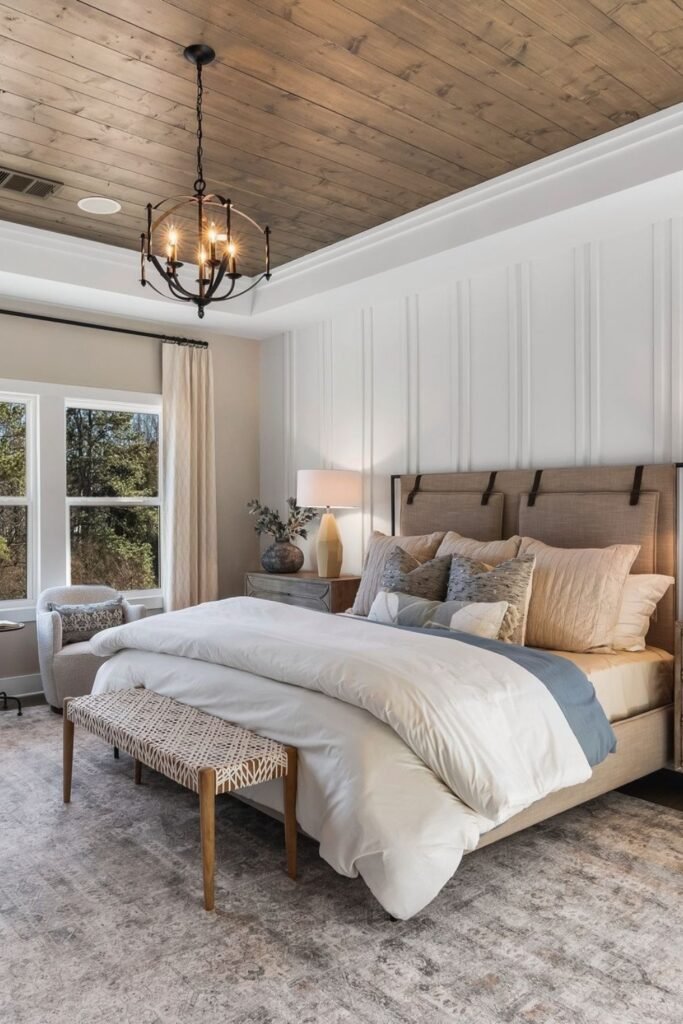
Grounded Foot Support
You can use a bench or ottoman with natural texture to slow the energy instead of letting it rush straight out, which helps your body unwind at night.
If your bedroom is larger, you should definitely add this to make the bed feel extra grounded and secure.
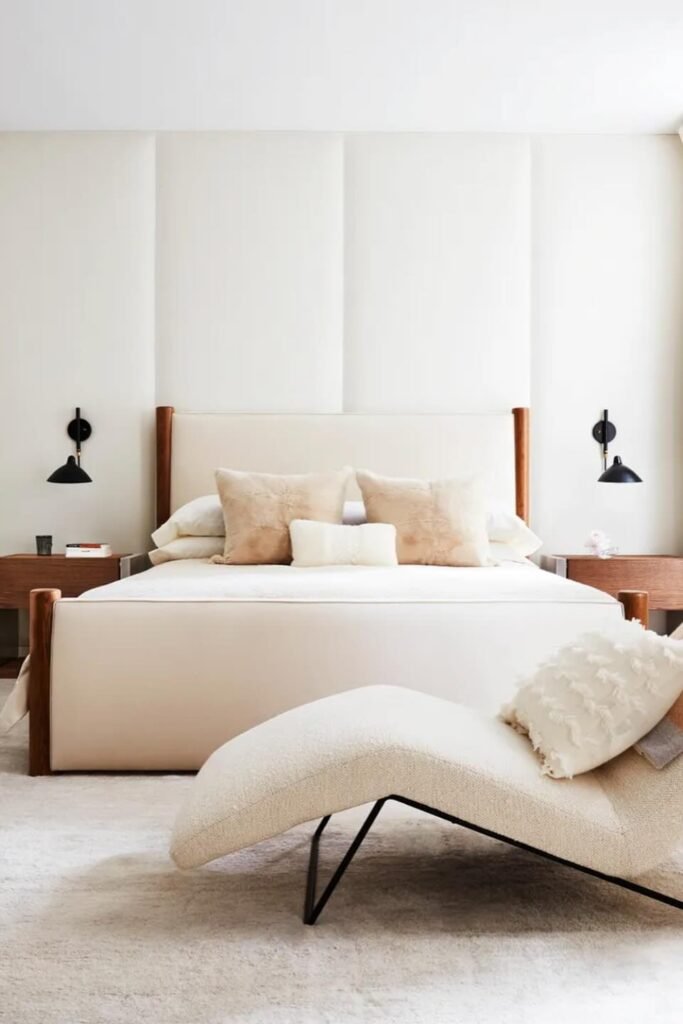
Open Space Breathing
When you leave open space around the bed, you allow energy to slow down instead of getting stuck.
You should pull bulky pieces away and keep at least one side visually open. This works best if you want calm to come from space, not just symmetry.
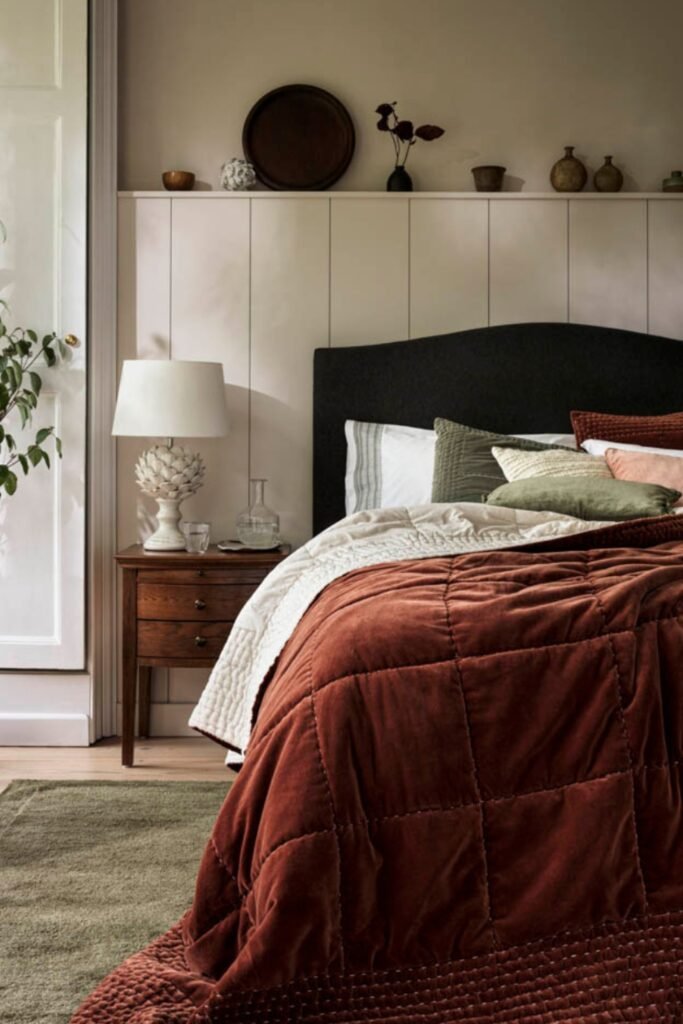
Layered Grounding Comfort
Your thick quilts, textured pillows, and a soft rug can slow everything down so your body can settle at night.
If your bedroom feels cold or unfinished, you should add warmth with fabrics instead of more furniture.
Balanced Wall Focus
When the wall behind your bed feels complete, you can finally stop scanning the room.
You should make artwork, lamps, and the headboard work together so nothing feels random or unfinished.
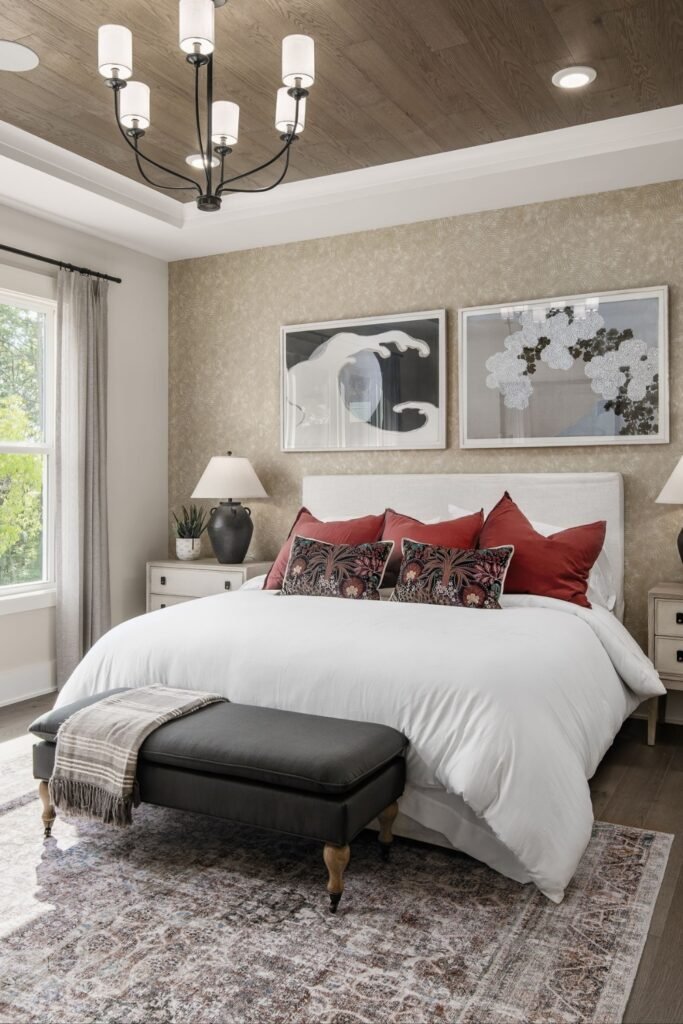
Bed With Solid Side Support
You can feel exposed if your bed floats in the middle of a large room. When you push one side closer to a solid wall, you create grounding without blocking movement.
This works well if you sleep alone or if symmetry feels forced in the room. You should balance the open side with a lamp or plant so the energy doesn’t drift away.
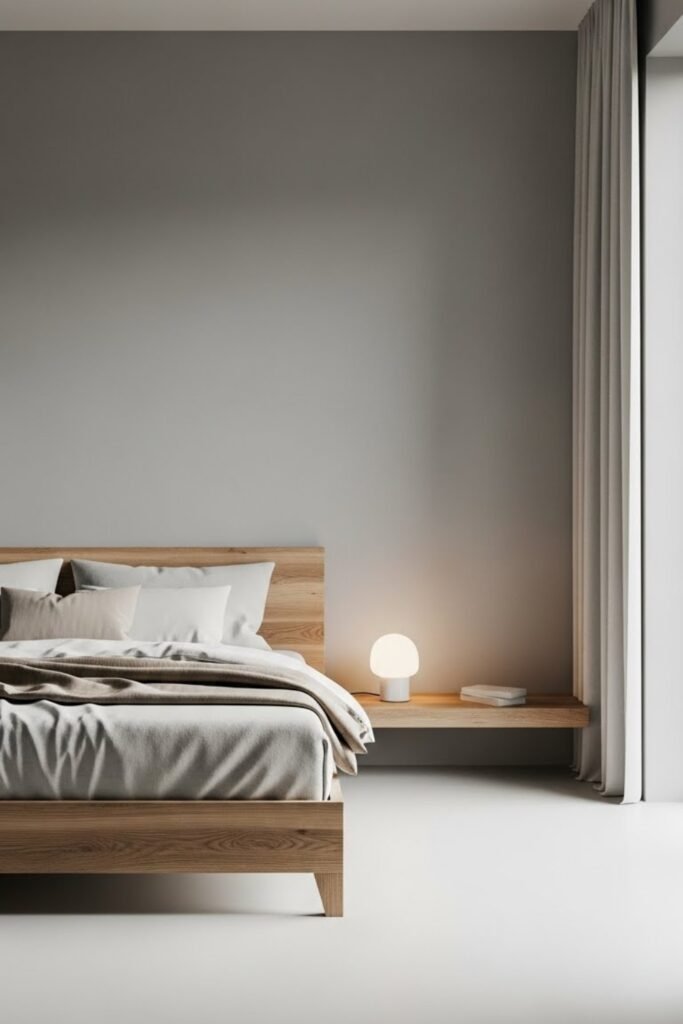
Sheltered Head Zone
The tall panels or a deep headboard create a cocoon effect that blocks visual noise and anchors the bed.
When you do this, you’ll feel grounded, especially if your bedroom has large windows or doors nearby.
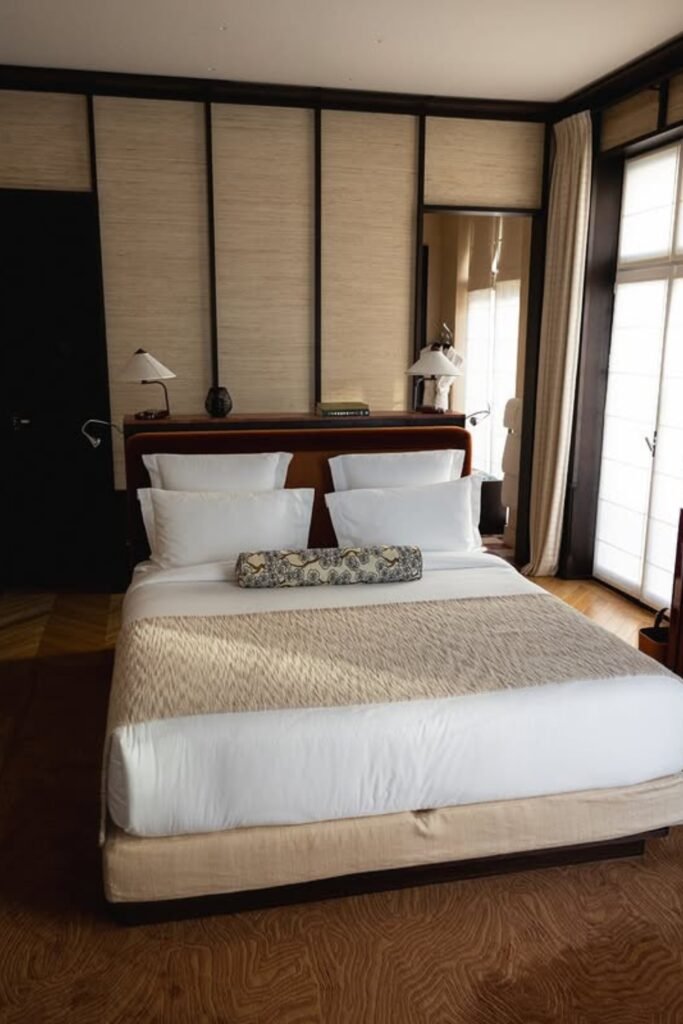
Soft Arch Support
When you add an arched wall behind your bed, you give your sleeping area a gentle frame that feels protected without weighing the space down.
If your bedroom feels boxy or harsh, you can add a curved headboard, arch detail, or even an arched paint shape behind the bed.

Side-Wall Sleeping
You might find placing your bed along a side wall actually feels calmer when your room is small or multi-use.
You can keep the bed low and tucked in, which reduces visual pressure and helps the space feel safe instead of exposed.
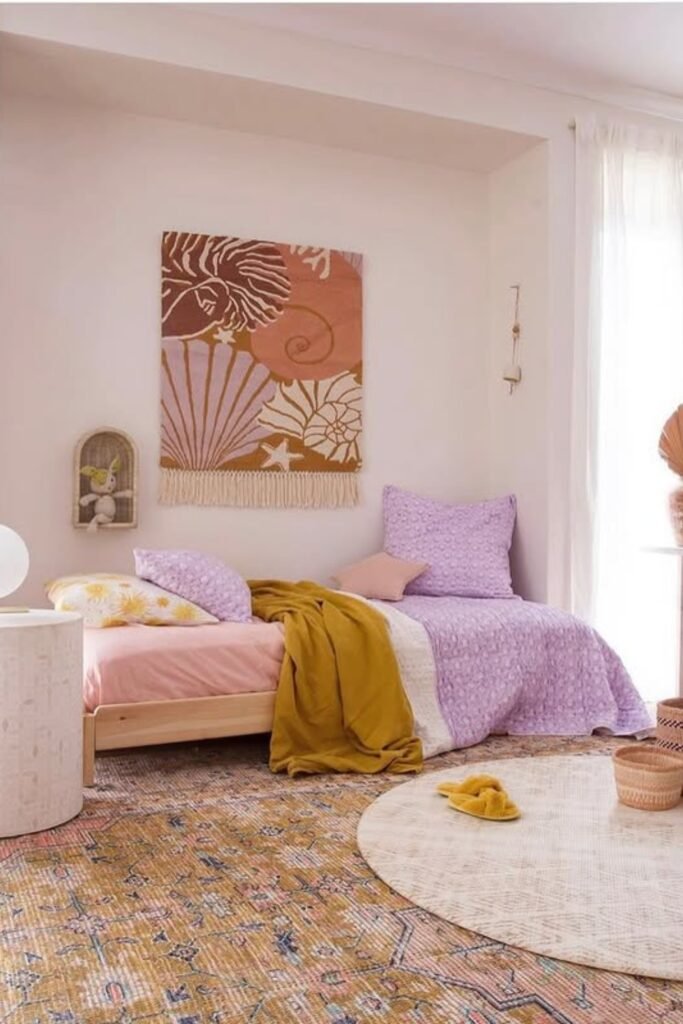
Diagonal Bed Placement
You might discover that if your door, window, and walls fight each other, a straight layout won’t work.
You can angle your bed slightly so you can see the door without lining up directly with it, which instantly feels safer.
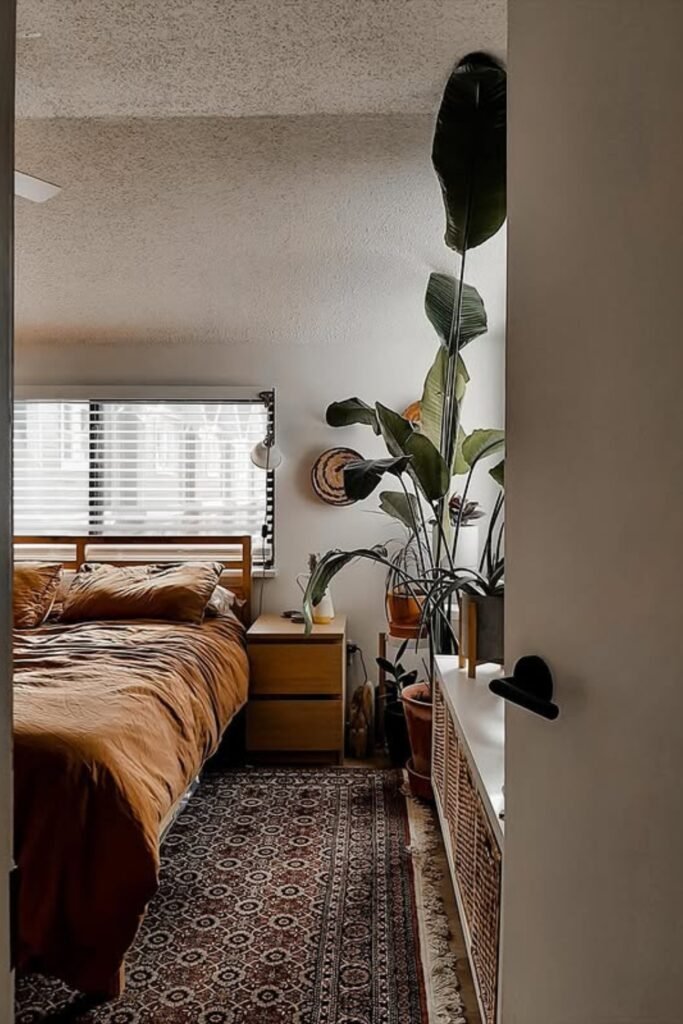
Gentle Entry Flow
When you keep your bed visible but not directly exposed, the energy slows instead of rushing straight in.
If your door opens right into the bedroom, you should soften the entry with a plant, rug, or low storage so you can guide movement inward.
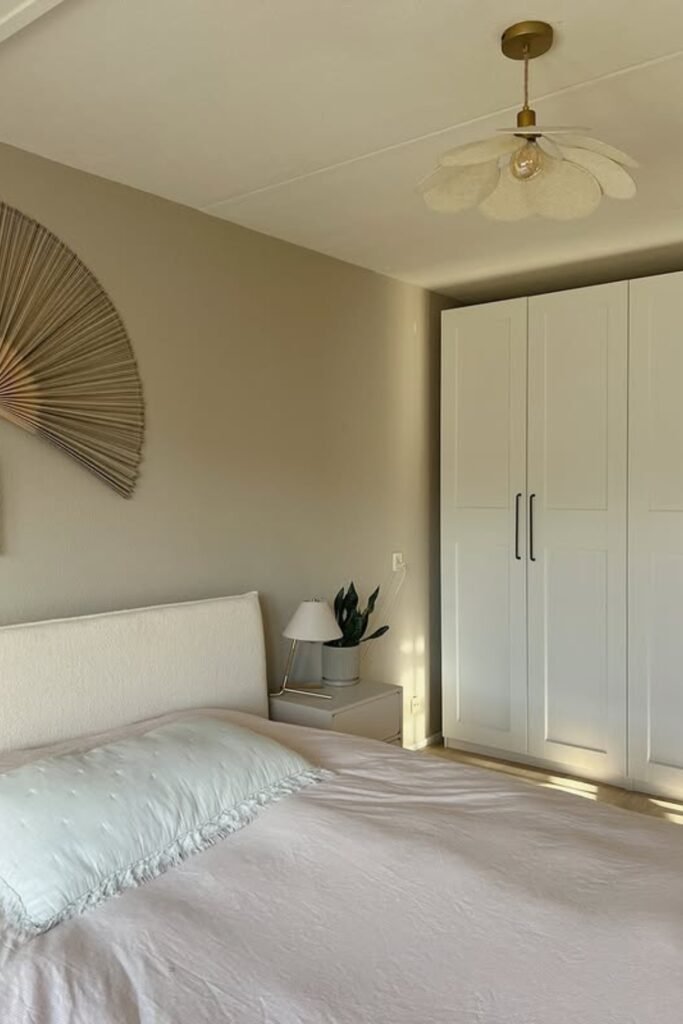
Calm Storage Balance
If your wardrobe sits close to your bed, you should keep doors simple, colors soft, and surfaces clear.
You will notice this works best in spaces that can’t move storage but still need to feel quiet and controlled, like apartments or shared bedrooms.
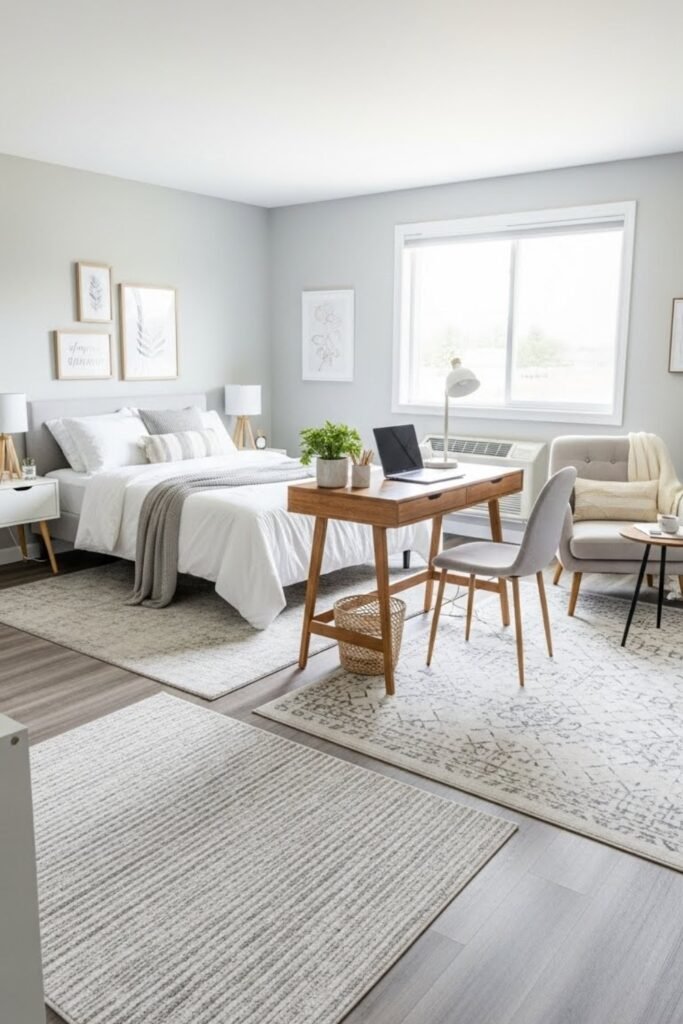
Zoned Bedroom Layout
You can protect your rest when your bedroom also serves as a workspace or seating area by zoning carefully.
You should use rugs, lighting, or furniture placement to separate sleep from work or lounging. This setup works especially well in apartments where one room has to do more than one job.
FAQs
Can I still follow Feng Shui if my bedroom layout is fixed?
When moving your bed isn’t an option, you can focus on support and balance instead, you should use a solid headboard, calm lighting, and keep clear space around your bed.
You don’t need a perfect layout for Feng Shui to work. You will notice that even small layout fixes can change how the room feels far more than a full redesign ever could.
Does Feng Shui actually affect sleep?
It does, because your brain responds to the space around you even before you fall asleep.
When your bedroom feels stable and visually quiet, you will notice your nervous system settles faster.
That’s why you can see big improvements in your sleep just by making simple layout changes like grounding your bed or reducing clutter, without having to change anything else.
You may like to read!
