
19 Sage Green Living Room Ideas
Most people don’t type sage green living room because you absolutely love green. You search it because something in your space feels off.
Maybe you feel like your room looks flat. Maybe you feel like it’s too cold. Maybe you feel like it just doesn’t feel calm the way you want it to.
You think sage green might be the fix, but then you start to worry. You might wonder, will it look muddy? Will it feel too dark?
Will it be trendy for a year and then feel outdated the next? If you’re caught between loving the idea and fearing the result, you’re exactly where you need to be.
In this article, you will see exactly how you can make sage green work, when you shouldn’t use it, and 19 sage green living room ideas.
Let’s jump in!
Is Sage Green Good for a Living Room?
Yes, but only if you use the right shade in the right way for your space.
You’ll see, sage green works because it sits in the middle. You won’t feel like it’s as bold as emerald, and you won’t feel like it’s as dull as gray.
You can add color without feeling like it’s shouting for attention. If you feel like your living room is cold or flat, you can let sage warm it up while still keeping things calm for you.
If your room doesn’t get much natural light and you pick a dark sage, you might feel like the space is heavy.
If your sofa is cool gray and you pick a yellow-based sage, you might notice the walls look slightly dirty. You’ll realize the shade matters more than just the idea.
When it works, you’ll see it works beautifully. You can pair sage easily with cream, warm whites, natural wood, beige, and even black accents.
You’ll feel your space relax while still feeling put together. If you want your living room to feel cozy during the day and soft at night, you can count on sage as a strong choice.
The light controls everything for you. In a bright room, you’ll see sage looks fresh and airy. In a darker room, you might feel it turn muted and moody.
So yes, you can make sage green work for your living room, but only if you choose it based on your lighting, your furniture, and your overall style, instead of just following a trend.
Earthy Modern Calm
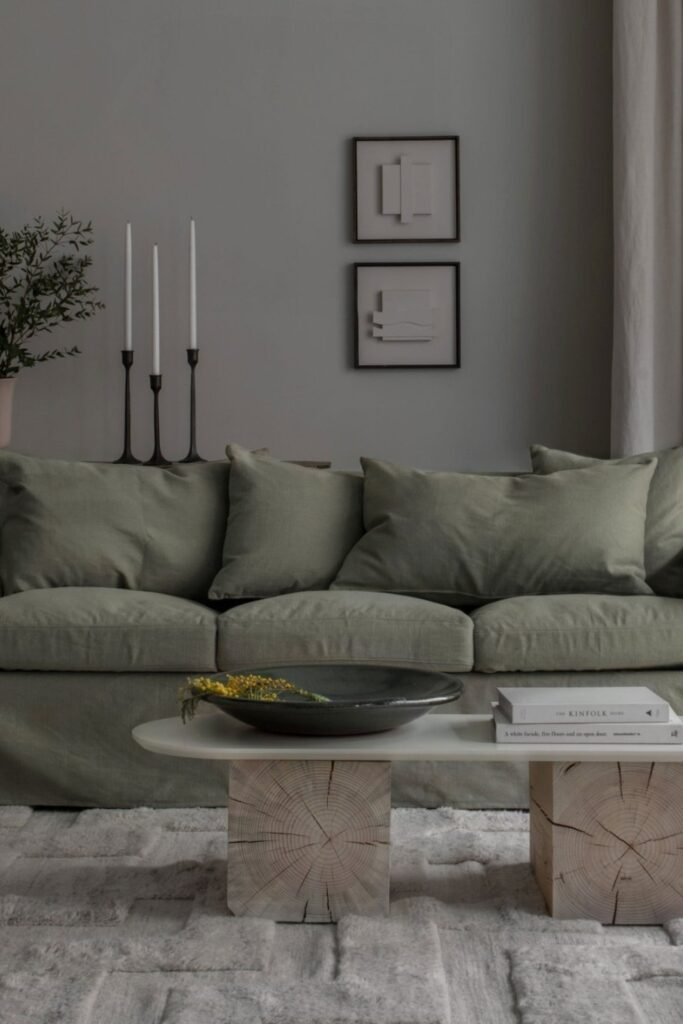
If you want your living room to feel peaceful while still looking stylish, you can start by anchoring it with a sage sofa and building around it with natural textures.
You can use light wood, soft cream rugs, and simple wall art so you feel the room stays warm and balanced.
You might add a touch of black for subtle contrast so you don’t let the green fade into the background.
You’ll see this approach works beautifully if you want comfort without feeling visual chaos.
Soft Sage Accent
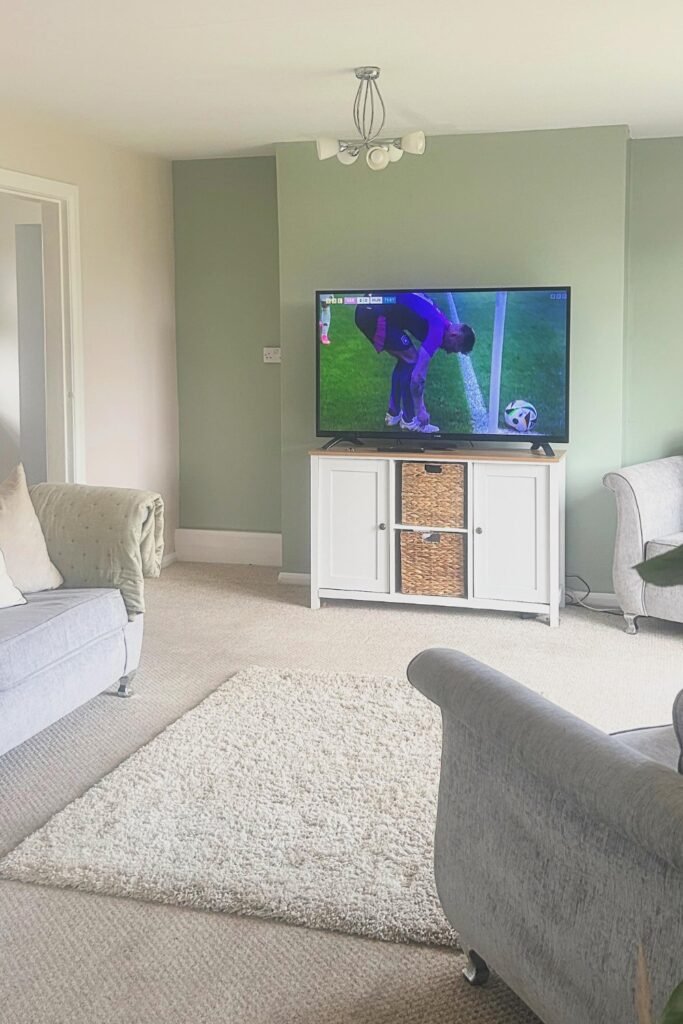
You can try a sage accent wall behind the TV. You’ll notice it frames the focal point and adds color without making your living room feel smaller.
You can keep the other walls light and pair it with gray sofas and cream textures so you feel the brightness stays.
The key is balance, you can let one bold wall shine while keeping everything else neutral.
You’ll see this works especially well if your medium-sized room needs warmth but still relies on natural light.
Classic Panelled Sage
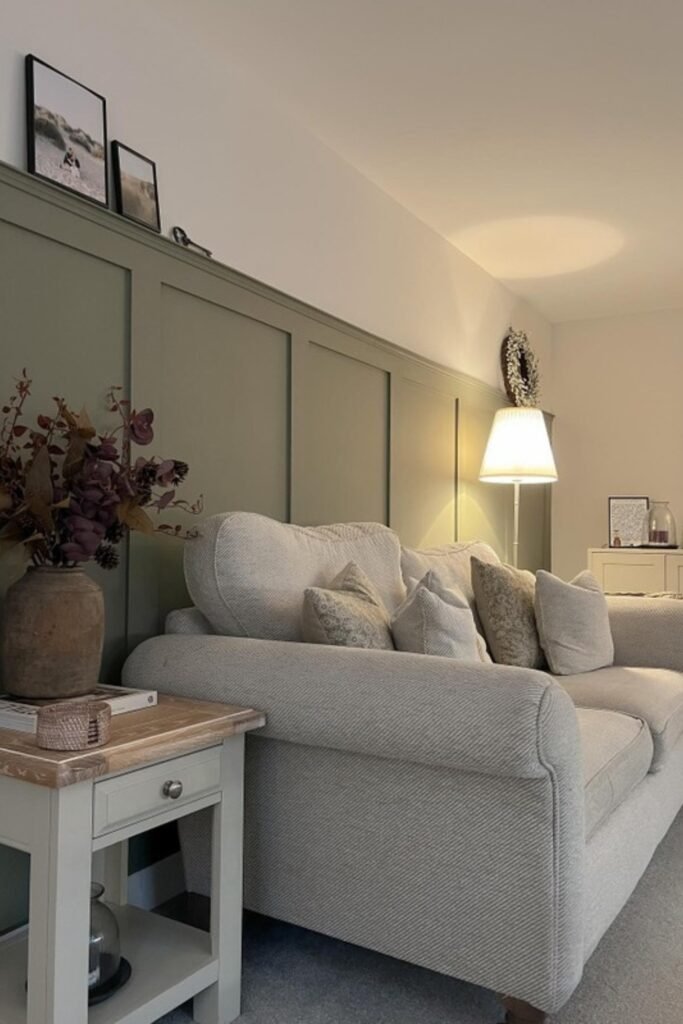
If you want sage green to feel elegant instead of casual, you can add wall panel molding before you paint.
You’ll feel the detailing instantly upgrades your living room and makes the color look richer. You should keep furniture in soft beige or cream so you let the walls remain the star.
When you add warm lighting from table lamps, you’ll notice the green feels cozy at night.
This approach works beautifully if you want color without losing sophistication.

Built-In Sage Feature
Sometimes, you can change the whole living room with just one wall. You might paint the built-in shelves and fireplace surround in sage to create depth without overpowering the space.
You should keep the surrounding walls light so you let the green feel intentional, not heavy. You can style the shelves with neutral ceramics and soft textures to let the color stand out.
You’ll find this works especially well if you want a cozy focal point without repainting everything.

Warm Sunlit Sage
If your living room gets plenty of natural light, you can lean into it with a soft sage accent wall and warm neutrals.
You’ll notice how beige curtains and a cream sofa keep the space bright while the green adds depth.
You should let the wooden coffee table and chairs bring warmth so you feel the color stays organic, not cold.
You can mix sage with natural wood and layered textiles to recreate this. You’ll love this if your airy home needs subtle color without losing light.

Full Sage Immersion
If you’re ready to commit, you can paint all the walls sage and let natural light do the rest. You’ll see in a bright living room with large windows, the color feels fresh instead of dark.
You should balance it with light sofas, warm wood floors, and plenty of greenery so you feel everything connects.
You can keep rugs and larger furniture neutral to avoid visual overload. You’ll find this works best if your spacious room gets enough sunlight to keep the green lively all day.

Half Wall Statement
You don’t have to paint floor to ceiling to make sage work. You can try a half-height paneled wall to add structure and color without overwhelming your living room.
You should keep the upper wall white or cream so you let the light stay. You can pair it with soft beige seating and warm lamps so you don’t let the green feel too cool.
You’ll notice this is perfect if you want character and depth without committing to a fully painted room.
Muted Farmhouse Blend
If you love farmhouse style but want it updated, you can swap plain beige walls for a muted sage backdrop.
You’ll feel the soft green gives your living room more depth while still working with cream sofas, light wood tables, and simple decor.
You should keep patterns subtle and stick to warm neutrals so you feel everything stays cohesive.
You’ll see this works beautifully if you want calm color without losing that cozy, welcoming feel.

Soft Sage Elegance
If your room has high ceilings and tall windows, you can give it a color that feels calm yet refined.
You’ll notice painting the upper walls sage in a bright living room adds character without blocking light.
You should balance it with cream curtains and woven rugs so you let the space stay airy while the green adds quiet depth.
You’ll find this works especially well if you want softness without losing that open, elegant feel.

Botanical Sage Charm
Sometimes you’ll see sage works best in smaller doses. You can let a soft sage sofa anchor your living room while keeping the walls light and open.
You should pair it with warm wood tones and botanical artwork so you feel a natural, collected vibe.
You can layer in textured cushions and neutral poufs to keep the space cozy.
You’ll notice this setup is perfect if you want color without committing to painting the entire room.

Deep Sage Accent
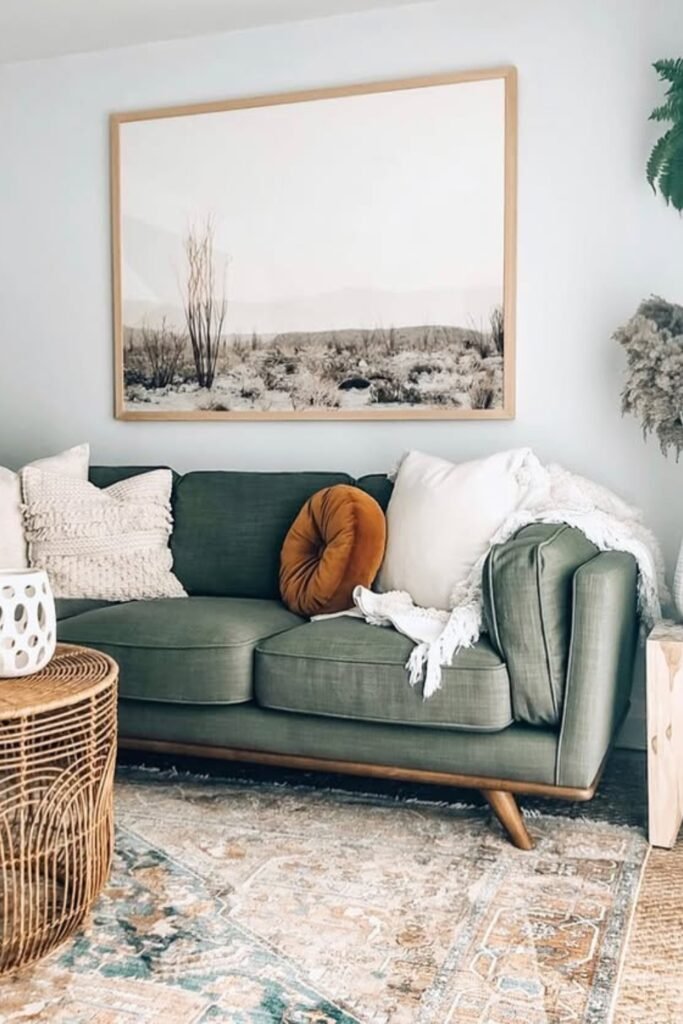
If you want your living room to feel richer, you can let a deeper sage sofa become your focal point.
You’ll notice how keeping white walls and light decor helps you feel the space isn’t heavy.
You can add warm textures like a woven table, patterned rug, or a rust cushion so you let the green feel lively and full of personality.
You’ll see this works beautifully if you want bold color without repainting your whole room, especially in small spaces.
Modern Sage Contrast
You’ll find clean lines love soft color. You can try a smooth sage wall behind warm wood to instantly add depth without feeling busy.
You’ll notice how green cushions echo the wall, letting you feel the room is pulled together.
You can stick to simple furniture, natural wood tones, and minimal decor while using black lighting fixtures or hardware for sharp contrast.
You’ll see this style works best in contemporary spaces where you want warmth without clutter.

Moody Fireplace Focus
You can make your fireplace the heart of the living room by wrapping it in sage.
You’ll notice how the green frames the brick and adds depth without feeling too dark.
You can use mustard cushions and a matching ottoman so you feel the space stays warm and avoids looking flat.
If you try this, you should balance the bold wall with lighter seating and patterned rugs. You’ll see it’s perfect if you want cozy character and contrast.

Vintage Sage Character
If you love older homes, you’ll find sage green highlights original details instead of hiding them.
You can let it wrap around built-in shelves and fireplace trim so you feel the wood doors and marble mantel really stand out.
You should keep the same shade on walls and shelving for a seamless look, while mixing in warm brass, natural wood, and soft textiles so you feel the space layered, not dated.
You’ll see this works best in period homes that already have personality.

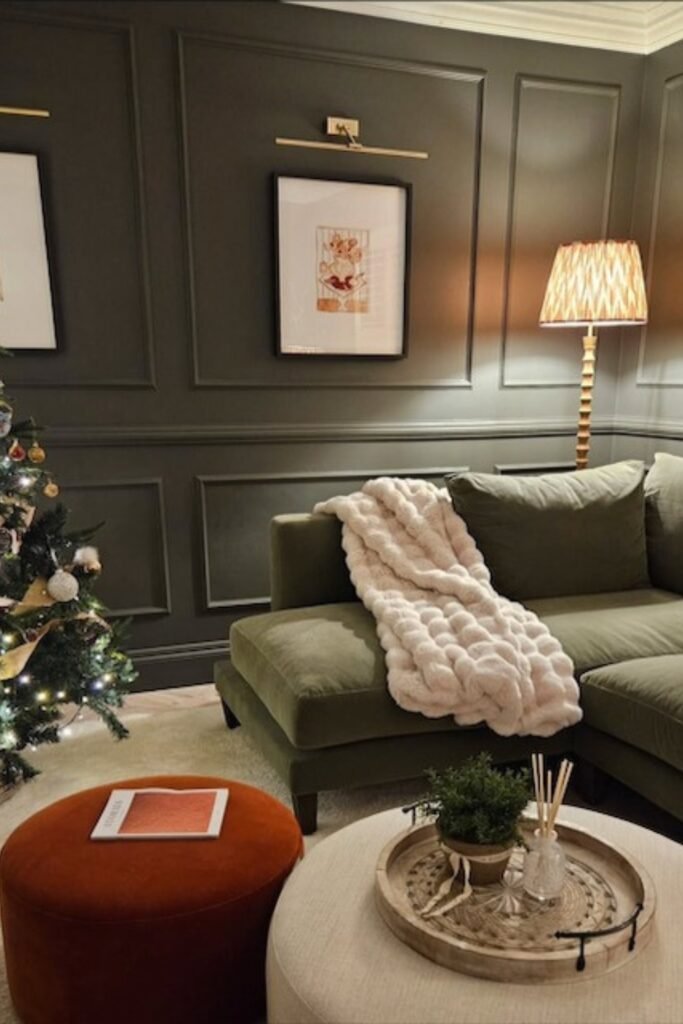
Dark Sage Drama
If you want your living room to feel cozy at night, you can go deeper.
You’ll notice a rich sage on paneled walls instantly creates warmth and depth, especially if you pair it with soft lighting.
You can use cream throws and warm wood tones so you don’t let the color feel heavy. You might add brass accents for a subtle glow.
You’ll see this works beautifully if you want moody elegance instead of bright and airy.
Fresh Natural Retreat
If you want your living room to feel like a calm escape, you can paint the walls a soft sage.
You’ll notice pairing it with light wood and creamy textiles helps you feel connected to nature. You should add large plants that echo the wall color so you can feel the space is cohesive.
You’ll see this works best in bright rooms where natural light keeps the sage soft and uplifting instead of dull.

Warm Sage Harmony
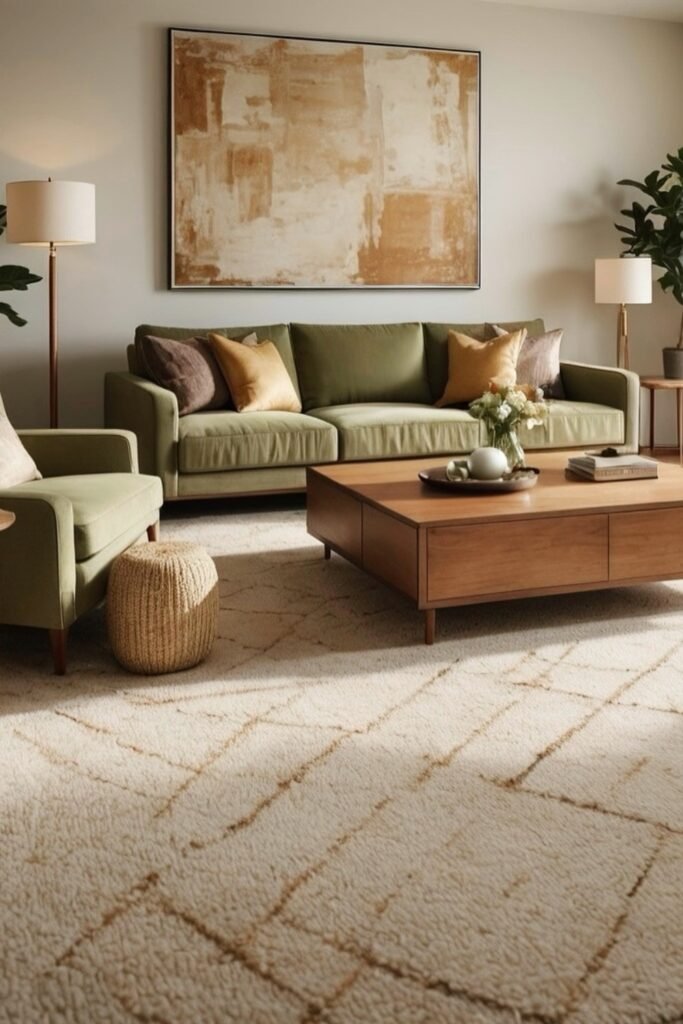
If you worry sage might feel cold, you can balance it with warm tones.
You’ll notice olive-sage seating pairs beautifully with caramel wood, beige walls, and soft cream rugs so you feel the green stays grounded and inviting.
You should layer earthy pillows and natural textures instead of cool grays so you can keep the space cozy.
You’ll see this is great for homes that already have warm flooring and want color without losing comfort.
Sage With Contrast
If you want your living room to feel bold but still calm, you can pair a sage wall with black-framed artwork and light wood flooring.
You’ll notice the contrast keeps the green from looking flat, while soft gray seating tones it down for you.
You might add a pop of yellow or warm décor so you feel energy without overwhelm.
You’ll see this setup works well in modern apartments where you want personality but still need a clean, balanced look.

Monochrome Sage Moment
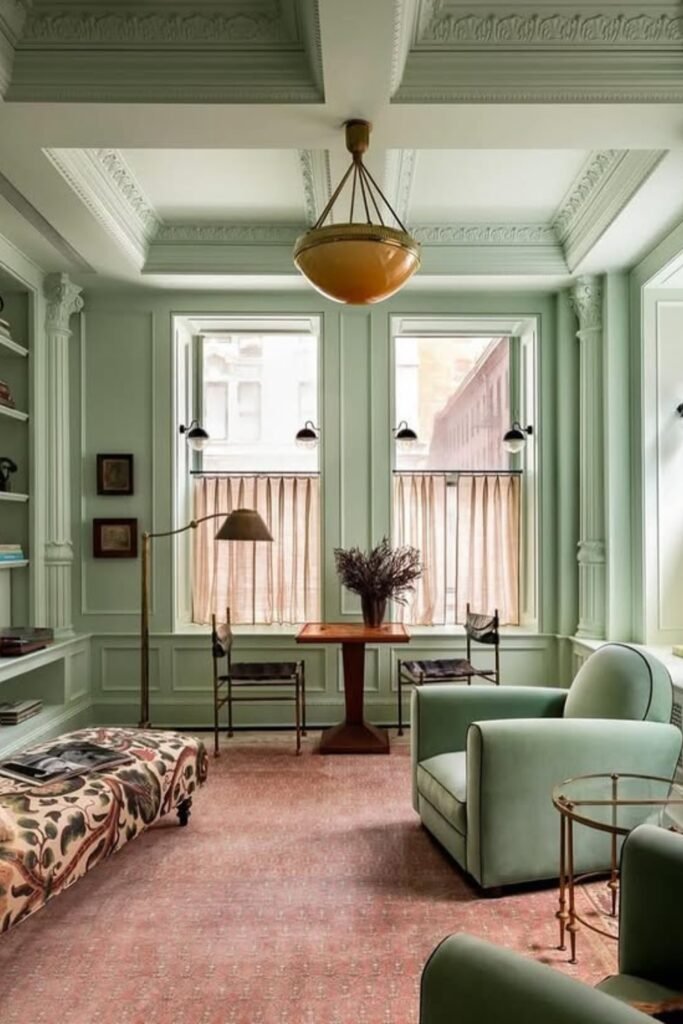
Sometimes the boldest move is to use one color everywhere. You can paint walls, trim, and built-ins the same sage so you feel a seamless, intentional living room.
You’ll notice the architectural details stand out because of the consistent tone, not in spite of it. You should keep furniture slightly lighter so you don’t feel the room becomes heavy.
You’ll see this works best in rooms with strong molding or columns where you want the structure to shine.
Frequently Asked Questions
Does Sage Green Make a Living Room Look Smaller?
You should focus on balance, you can pair it with light furniture, mirrors, and good lighting so you feel everything opens up.
You might notice that dark sage in a low-light room can feel heavy, but when you use it in a bright space, you’ll feel it adds depth instead of closing things in.
What Colors Go Best With Sage Green in a Living Room?
You can add natural wood, brass accents, and even muted terracotta so you feel the room stays warm and inviting.
If you want contrast, you can use black frames or darker green tones to let your space pop.
You should avoid icy grays unless your sage has cool undertones, or you might feel like your living room is slightly off.
You may like to read!
