24 Living Room Chair Ideas
You buy a chair because it looks perfect, but It might look awkward, block the space, or just sit there like it doesn’t belong at all.
But in reality, the issue is almost always how the chair is styled, not the chair itself.
In this article, you’ll learn how you can place, balance, and style a chair so it feels natural, and useful with 24 best ideas.
Let’s jump in!
How To Style A Chair In A Living Room?
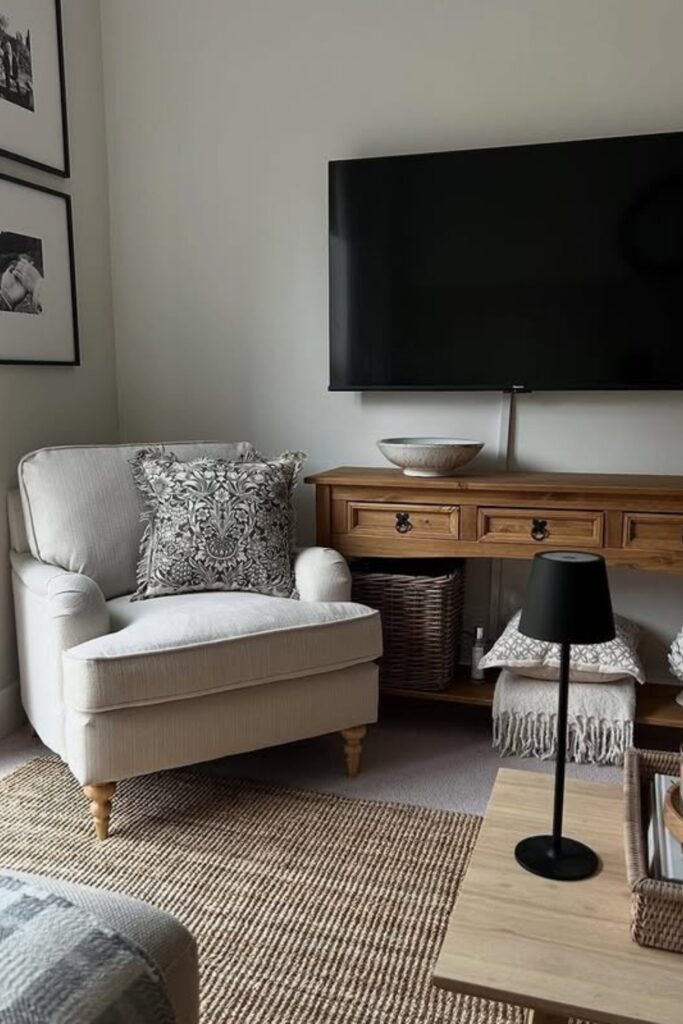
To style a chair in your living room, start by positioning it so it complements your layout, angle it slightly toward your sofa or coffee table.
You can add a textured throw casually draped over one arm and a decorative cushion for color and comfort.
You should place a small side table next to it with a lamp, a plant, or some books so your space feels intentional and functional.
You can even ground your chair with a rug if you need, and you’ll want to make sure it balances with the nearby furniture so everything looks cohesive and inviting.
Frame Empty Corners
An unused corner can make the living room feel unfinished.
A pair of chairs fixes that without crowding the space. This setup works best near a window or beside a rug where you want a soft seating moment.
You can keep the chairs slightly angled so they invite conversation instead of facing the wall.
You can slim legs and curved backs help the living room stay airy while still feeling styled and intentional.

Soften Window Space
When a living room window feels more functional than inviting, chairs can change that.
You can place two low, cushioned chairs near the window turns unused space into a quiet seating spot.
This works especially well in living rooms where you don’t want bulky furniture blocking light.
You can keep everything soft and neutral so the living room stays calm, warm, and easy to live in.

Anchor With Color
When a living room has a lot of neutrals, a colored chair can ground the entire space.
This works best when the chair sits within the main seating area, not pushed to the side.
You can pick one strong color and repeat it once nearby, through a rug, cushion, or artwork, so it feels intentional.
You can keep the rest of the furniture calm. The chair does the visual work while the living room stays balanced and cohesive.
Define Conversation Circle
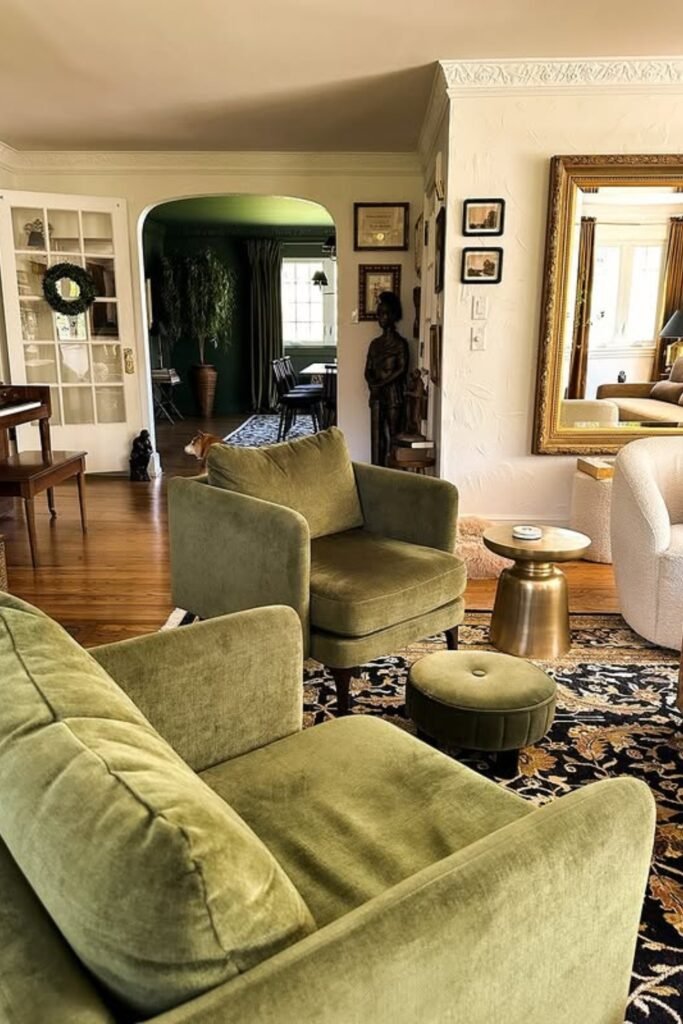
If you want a living room to feel welcoming instead of formal, this setup does the work for you.
Placing two chairs opposite the sofa creates a clear conversation circle that naturally draws people in.
This works best in medium to large living rooms where seating can float away from the walls.
You can keep all front legs on the rug so every piece feels connected.
Float Swivel Seating
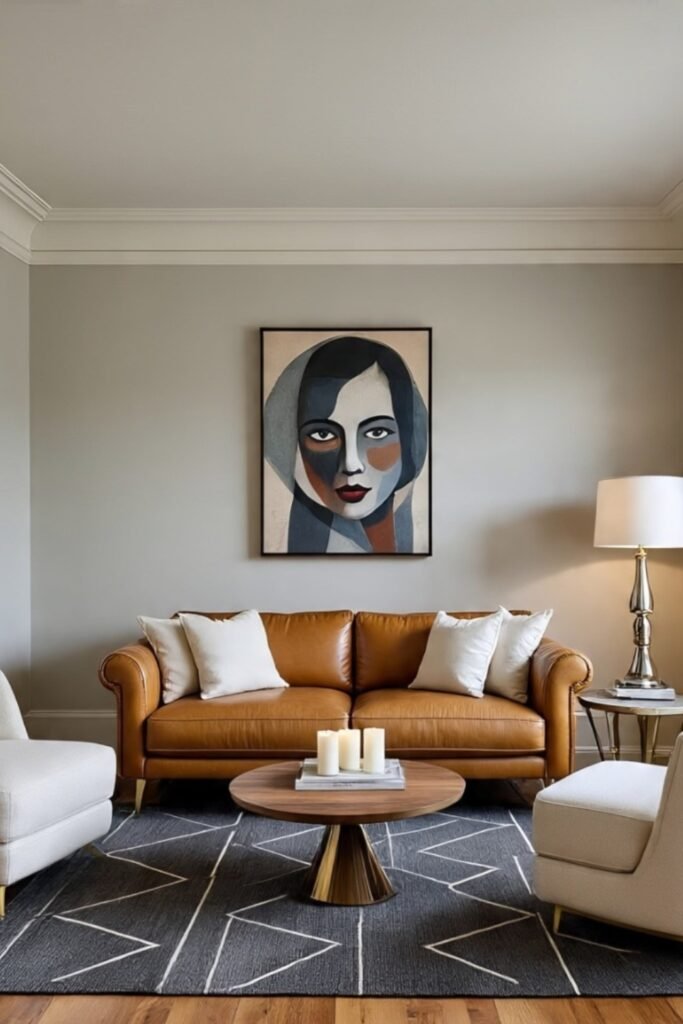
This kind of living room works because the chairs don’t feel locked into one direction.
The swivel chairs are perfect when the space serves more than one purpose, like watching TV, talking, or just relaxing.
You can place them slightly away from the wall so they can turn freely without blocking walkways.
It add a small side table between the chairs to keep things practical, and anchor everything with a rug.

Soften Sofa Edges
When a living room sofa feels too dominant, a single chair nearby can change the balance.
This setup works well in family living rooms where the sofa already does most of the work.
It add a soft chair slightly off the main seating line to break the straight edges and make the space feel more relaxed.
You can keep the chair close enough to join the seating area but not so close that it crowds the sofa.

Balance Heavy Seating
When a living room already has large sofas, adding another bulky piece can make it feel crowded fast.
A slim chair solves that problem without sacrificing seating. This works best in living rooms where sofas face each other or take up most of the floor space.
You can choose a chair with open legs or a lighter frame and place it slightly angled toward the center.
It keeps the layout feeling balanced, adds visual breathing room, and makes the living room easier to move through without breaking the seating flow.
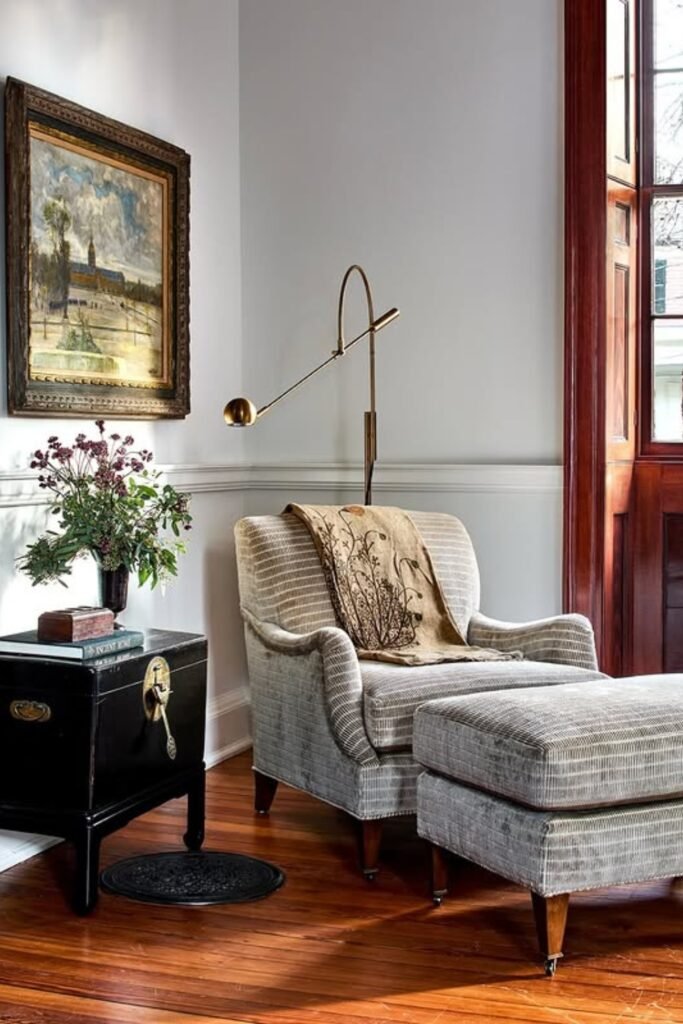
Build Reading Nook
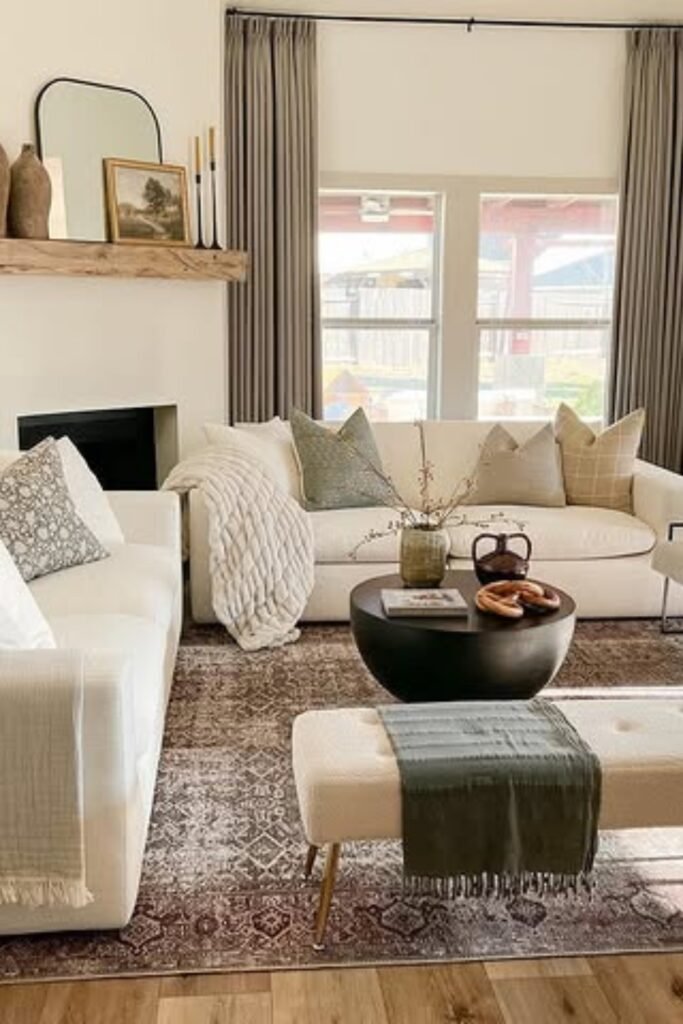
When a living room has a quiet corner, this is how you turn it into something people actually use.
A chair with a matching ottoman creates a natural spot for reading or slowing down without taking over the room.
This works best near a window where daylight already exists. It add a floor lamp for evenings and a small side table.
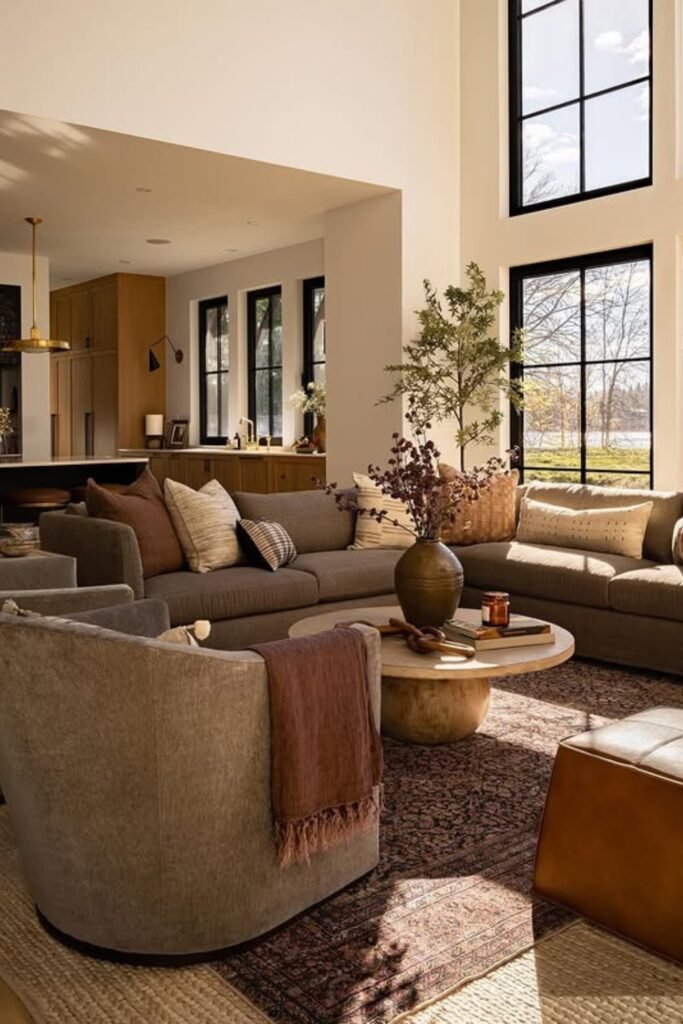
Create Seating Island
This living room works because the chairs form their own zone instead of relying on a sofa.
You can group chairs around a central table creates a seating island that feels intentional and social.
This works best in large living rooms or spaces with big windows where furniture can float freely.
You can keep all chairs facing inward so conversation feels natural.

Soften Brick Walls
It exposed brick can make a living room feel bold but also a little hard if nothing balances it.
A rounded, upholstered chair softens that instantly. This works best when the chair sits close to the wall but slightly pulled forward.

Break Large Layouts
When a living room is big and open, seating can start to feel spread out and disconnected.
A chair placed slightly away from the main sofa helps break up that scale.
This works especially well in open-plan living rooms where everything blends together.
You can use the chair to create a soft boundary between seating and nearby areas like the kitchen or dining space.
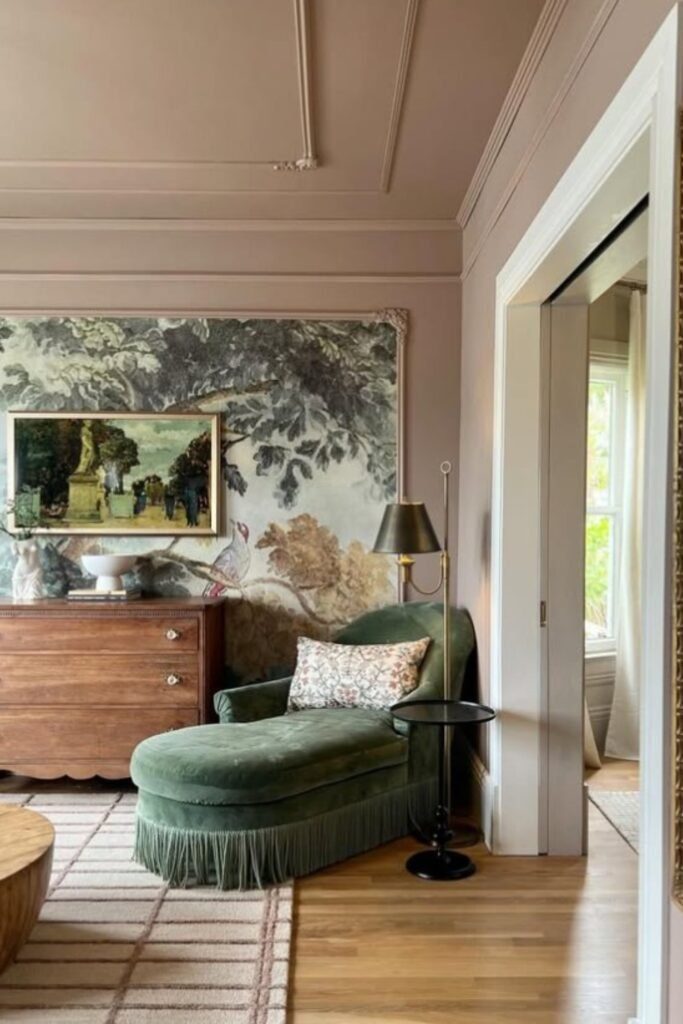
Elevate Quiet Corners
A living room corner like this doesn’t need more furniture, it needs intention. A chaise-style chair instantly turns an unused edge into a place to pause.
This works best in living rooms with decorative walls or wallpaper where you want seating without blocking the view.
You can tuck the chair close to the wall, then pull it forward just enough to feel usable.
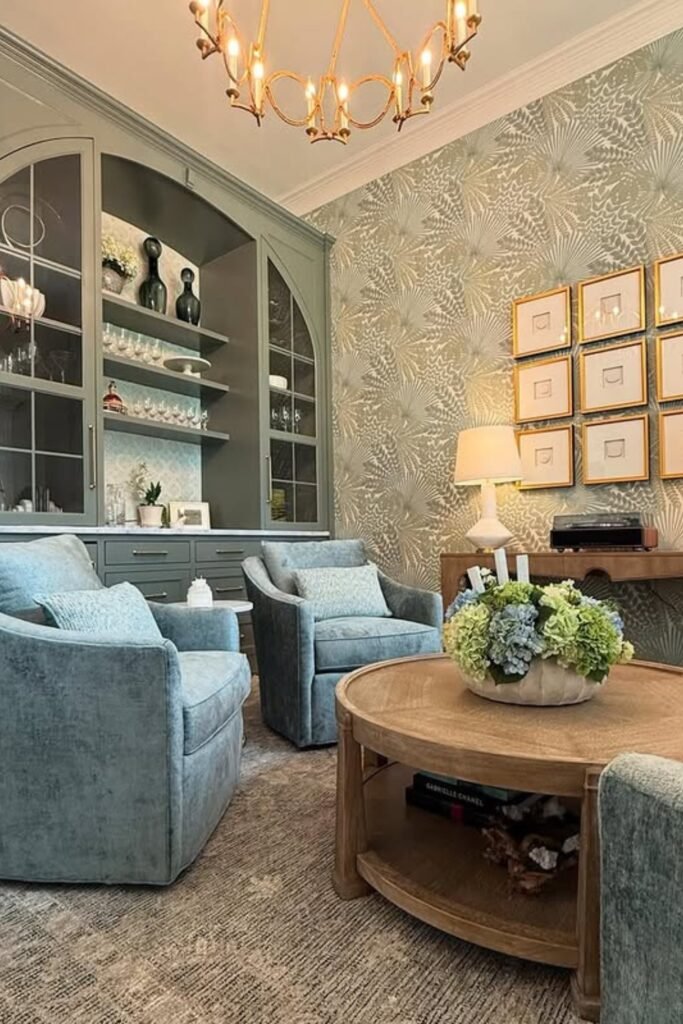
Match Bold Backdrops
When a living room already has strong wallpaper, cabinetry, or built-ins, the chairs need to support that backdrop instead of competing with it.
The soft, upholstered chairs work best here because they calm the space visually.
You can place them facing the center so the room still feels social, not like a showroom.
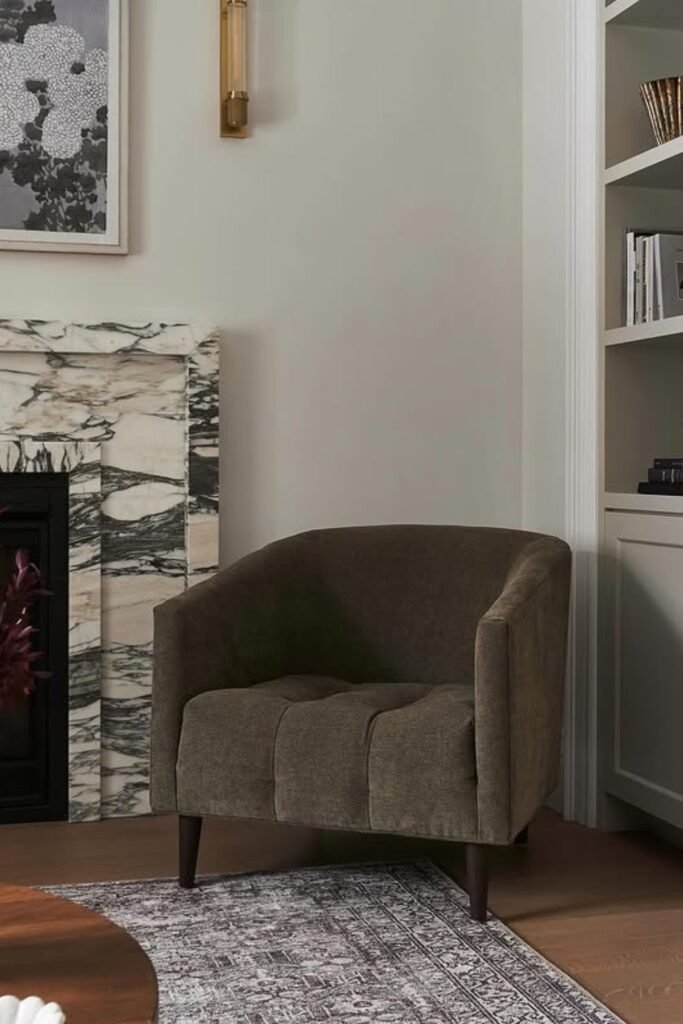
Ground Fireplace Corners
A living room fireplace often becomes the visual focus, but the space beside it is easy to ignore.
A compact, upholstered chair is a smart way to ground that area without stealing attention from the fireplace itself.
This works best when the chair sits slightly angled toward the room, not pushed flat against the wall.
Frame Main Seating
When a living room already has a strong sofa setup, chairs work best when they frame the space instead of competing with it.
You can place two chairs opposite the sofa creates a clear boundary and makes the seating area feel complete.
This works especially well in large or open living rooms where furniture can float.

Balance Sofa Weight
When a living room relies heavily on large sofas, the space can start to feel heavy and boxed in.
A matching chair placed across from the sofa helps distribute that visual weight.
This works best in family living rooms where comfort matters but flow still needs attention.
You can angle the chair slightly toward the center so it feels part of the seating group.

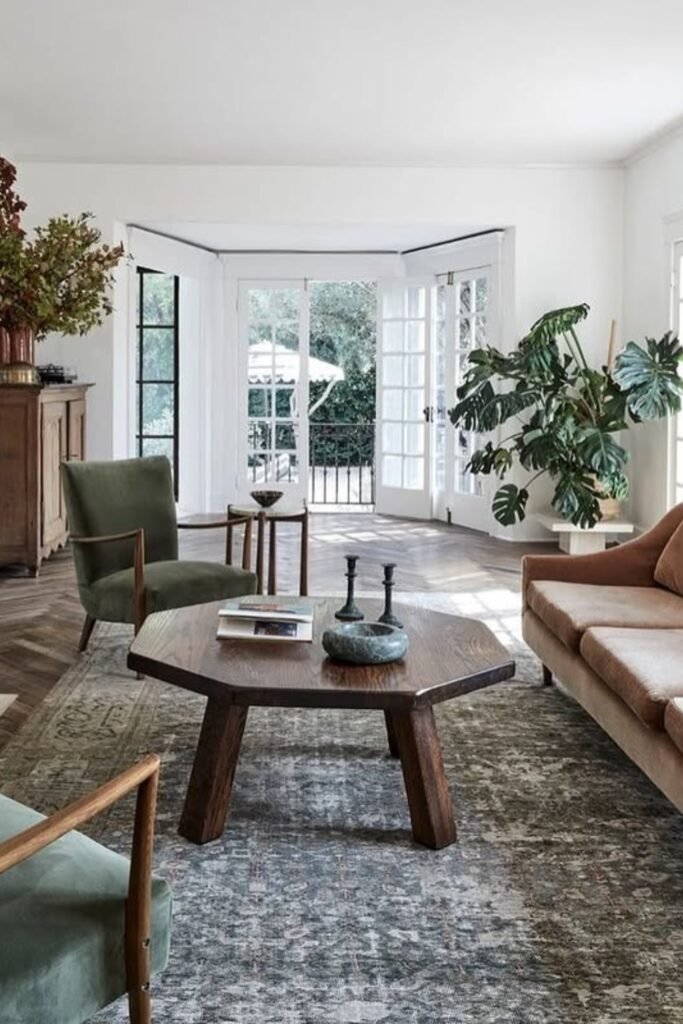
Let Light Lead
When a living room gets this much natural light, the chairs should work with it, not fight it.
You can place chairs closer to windows pulls the seating area toward the brightest part of the room and makes everything feel more open.
This works especially well in living rooms with French doors or multiple windows.
You can use chairs with slim frames and warm tones so light can move around them easily.
Mirror Main Axis
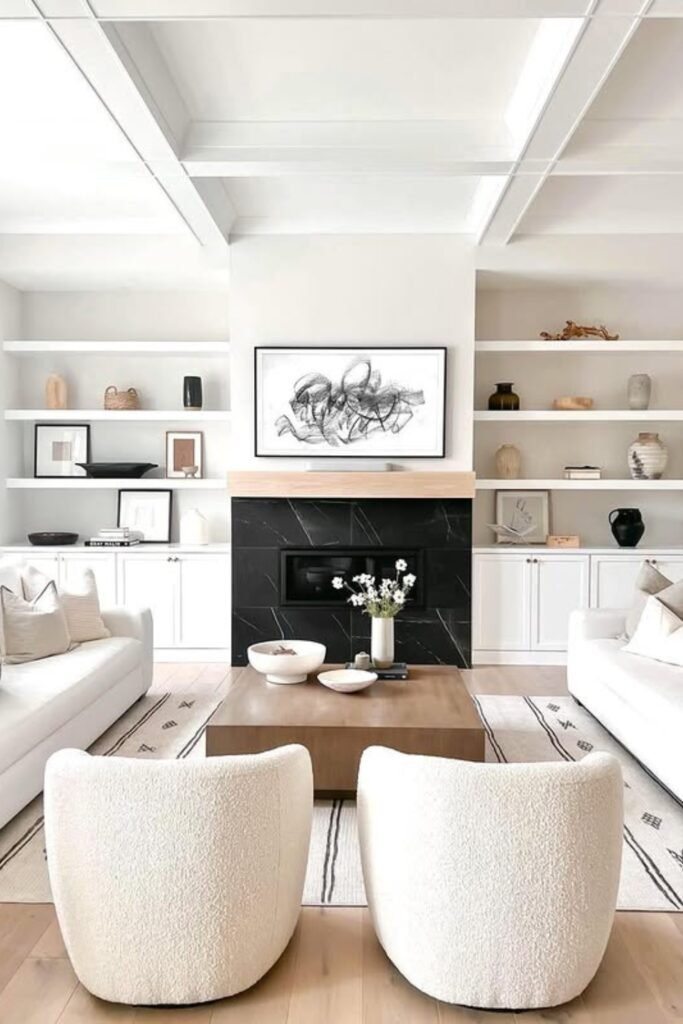
This living room feels calm because the chairs line up with the room’s main focal point instead of fighting it.
You can place two chairs directly opposite the fireplace creates a clear visual axis that makes the space feel organized and intentional.
This works best in symmetrical living rooms with built-ins or a strong center feature.
Frame With Contrast
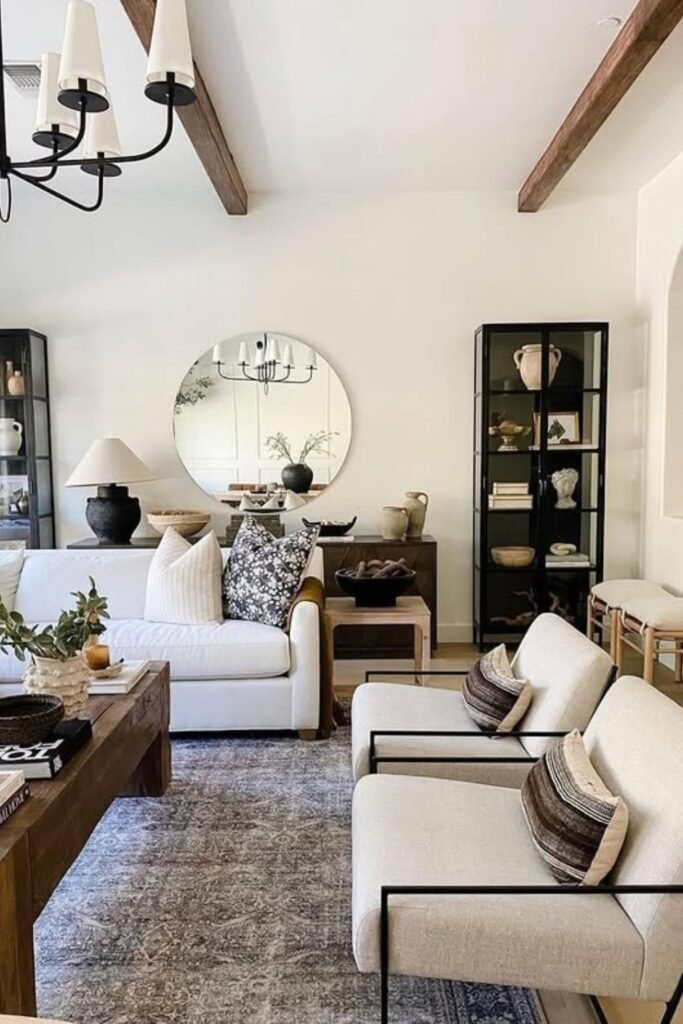
This living room works because the chairs don’t try to blend in, they add structure.
When your sofa is soft and full, chairs with slimmer frames help define the space without adding bulk.
This setup works best in living rooms with open sightlines where furniture needs clear edges.
You can place the chairs parallel to the sofa to frame the seating area and guide movement through the room.
Separate Shared Spaces
When a living room opens into other areas, chairs can help define where one space ends and another begins.
You can place a pair of chairs slightly apart from the main sofa creates a soft boundary without using walls or bulky furniture.
This works best in open-plan homes where the living room blends into dining or kitchen areas.
You can angle the chairs toward the coffee table so they still feel part of the seating group.
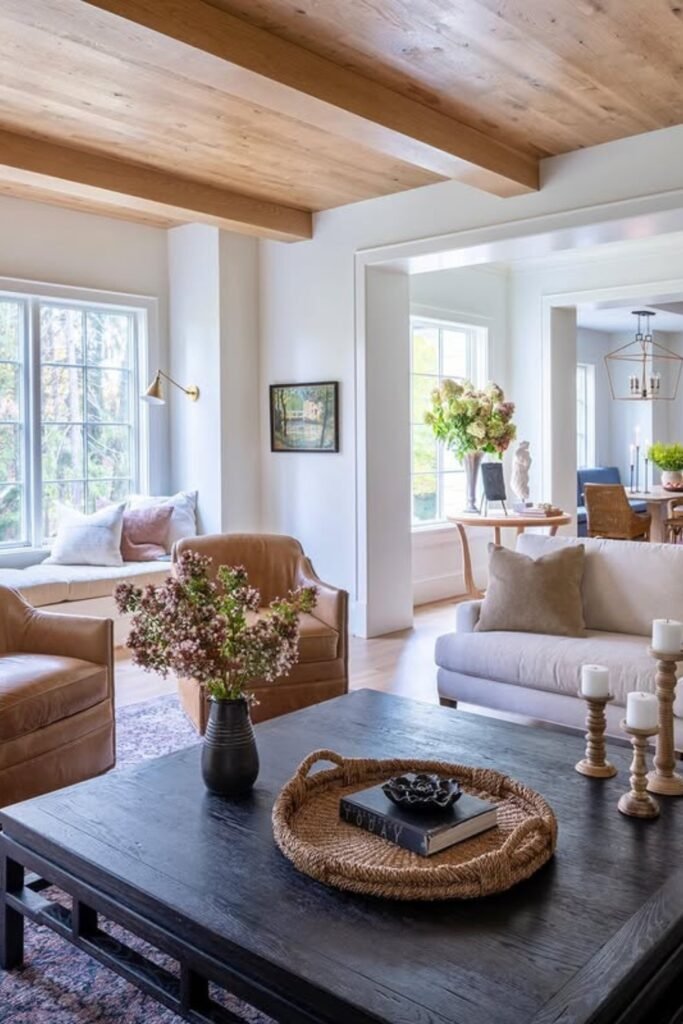
Add Visual Weight
This kind of living room needs chairs that feel grounded, not delicate. A solid, low chair with textured fabric adds weight and keeps the space from feeling flat.
This works best in living rooms with dark furniture, built-ins, or strong artwork where lighter chairs would disappear.
You can place the chair close to the coffee table so it feels connected to the main seating area.
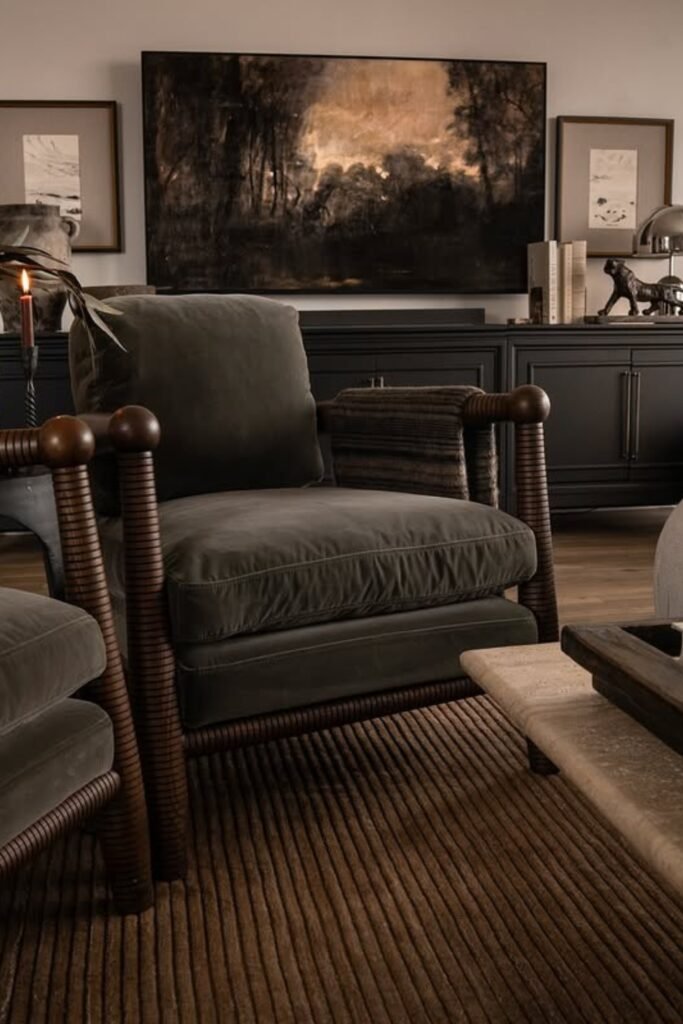
Turn Corners Playful
A living room corner like this is perfect when you want personality without changing the whole space.
A soft, colorful chair instantly becomes a focal point, especially near a window where natural light shows off the fabric.
You can keep the chair tucked close to architectural details like a fireplace, then add one relaxed element nearby, such as a woven stool or plant.

Sculpt With Chairs
This living room uses chairs as a design feature, not just extra seating.
You can place two sculptural chairs side by side creates rhythm and gives the space a focal point without needing a sofa.
You can keep the chairs slightly angled so they feel inviting, not stiff.
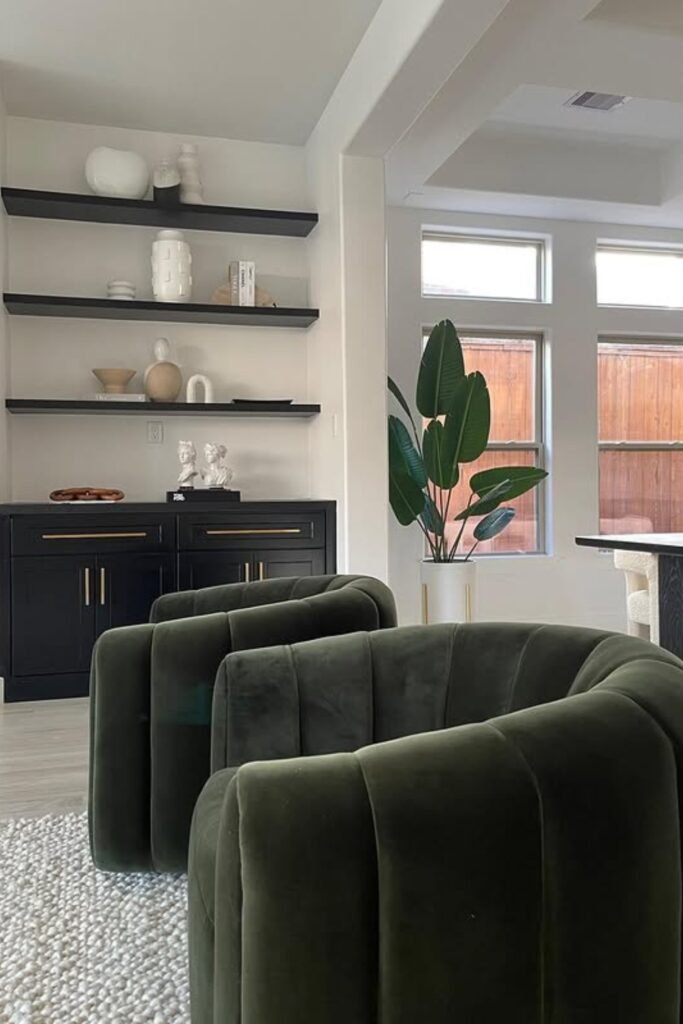
Soften TV Corners
A living room TV wall can feel cold and functional if it’s left on its own. A cushioned chair nearby fixes that by adding comfort where people actually pause.
This works best when the chair sits slightly angled toward the screen, not pushed flat against the wall.
You can keep it close enough to feel part of the seating area but far enough to avoid blocking storage or walkways.