
25 Unfitted Kitchen Ideas
If you’ve been saving unfitted kitchen photos, you might feel like you don’t really know what to do, and you’re not the only one who feels that way.
You will see lots of guides with pretty pictures, but you might notice they skip the real questions: Can you live with this practically?
In this article, you will discover what an unfitted kitchen really is, and then I will share 25 unfitted kitchen ideas that you can try.
Let’s jump in!
What Is An Unfitted Kitchen?
If you’re imagining a kitchen that doesn’t feel like a uniform block, an unfitted kitchen might be exactly what you’re thinking about.
You can picture furniture and storage that are freestanding, so you can move them around instead of being stuck to walls.
Unlike modern fitted kitchens, where you’ll see cabinets, countertops, and appliances all integrated seamlessly, you’ll notice that an unfitted kitchen looks more like a collection of pieces you can mix and match.
When you step into an unfitted kitchen, you might see standalone cupboards, dressers, hutches, kitchen islands, or open shelving.
You can choose different styles, finishes, or materials to suit you. You will find that this mix gives the space a relaxed, lived-in feel.
If you love a touch of history, you’ll like that this style was common before the mid-20th century, when kitchens were made with individual pieces instead of custom-built cabinets.
Today, you can use unfitted kitchens in farmhouse, cottage, traditional, or rustic homes, and you’ll find that they feel warm, personal, and far less uniform than fitted options.
One thing you’ll notice is flexibility, you can move pieces, replace them, or update your kitchen gradually, and you might even bring in antiques or reclaimed furniture to add your own character.
When you design your space, you’ll probably want natural materials like wood, stone, or metal, and you can use open shelving to display your dishes or cookware.
You might also choose a freestanding kitchen island or butcher block instead of a fixed counter.
Overall, if you’re looking for charm, individuality, and practicality, you will see that an unfitted kitchen can give you the cozy, stylish, and adaptable kitchen you’ve always wanted.
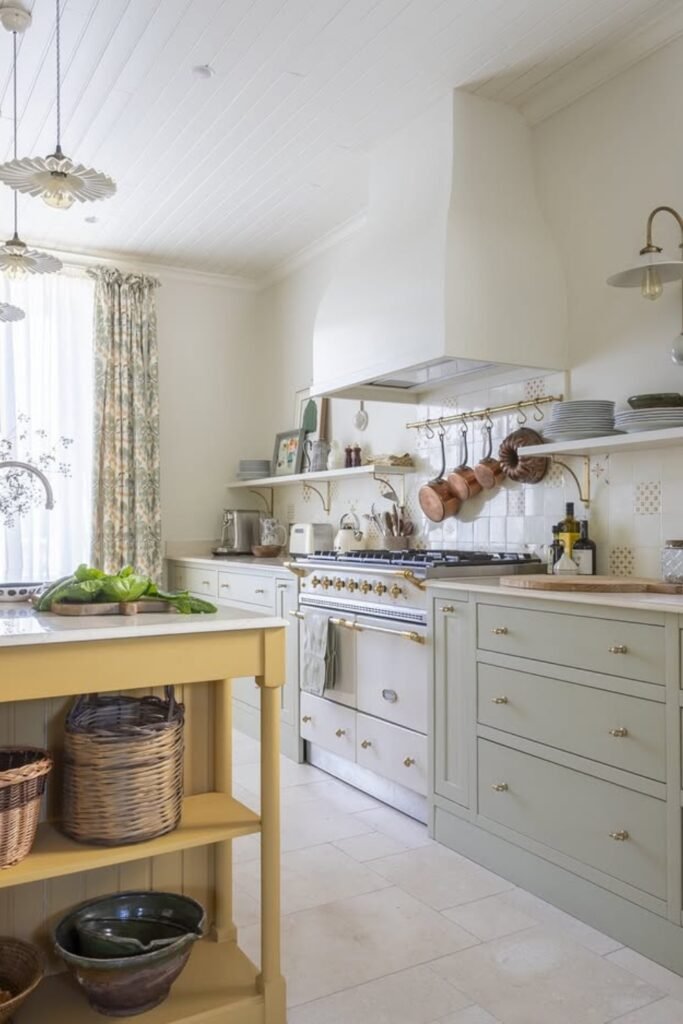
Furniture-Style Island
A furniture-style island like this makes an unfitted kitchen feel practical without turning it into a fully built-in space.
It gives you a dedicated prep zone, extra storage underneath, and a natural place to pause during cooking.
This approach works best in kitchens where you want flexibility and movement rather than a fixed layout.
You can choose an island that looks like a table, add baskets or open shelves below, and let it handle everyday prep while the main run stays focused on cooking and cleanup.
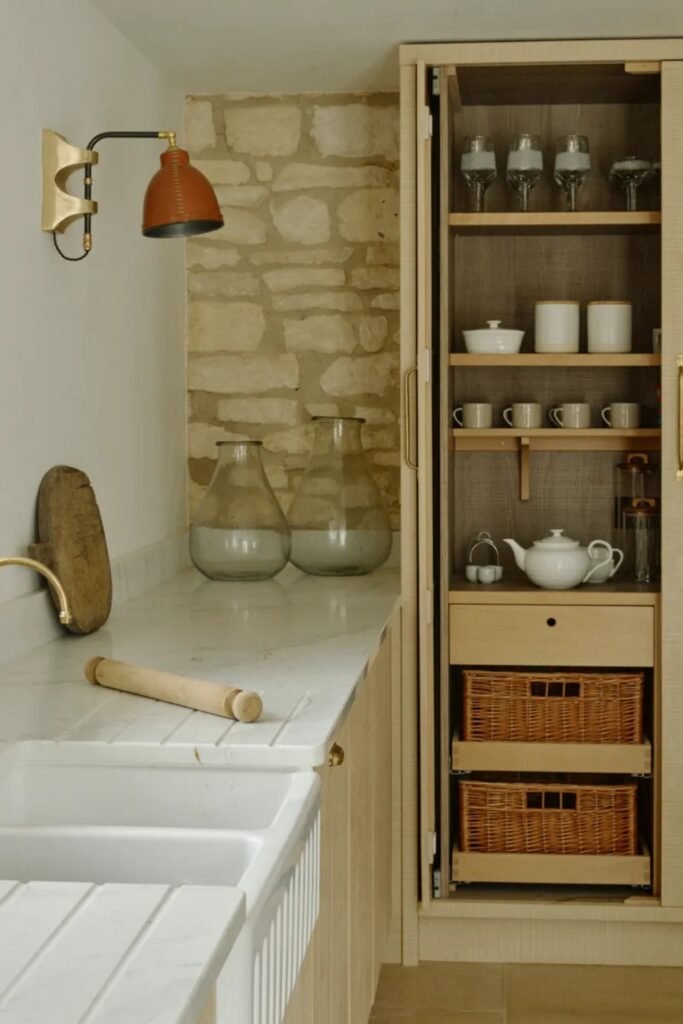
Pantry Cabinet Storage
When wall cabinets feel too heavy, a tall pantry cabinet like this solves the problem in one move.
It gives you serious storage without spreading clutter across the walls.
This works best in kitchens where you want clean counters but still need space for dishes, dry goods, and everyday items.
You can choose a freestanding cabinet with adjustable shelves and pull-out baskets, keep it close to the sink or prep area, and let it replace multiple upper cabinets at once.
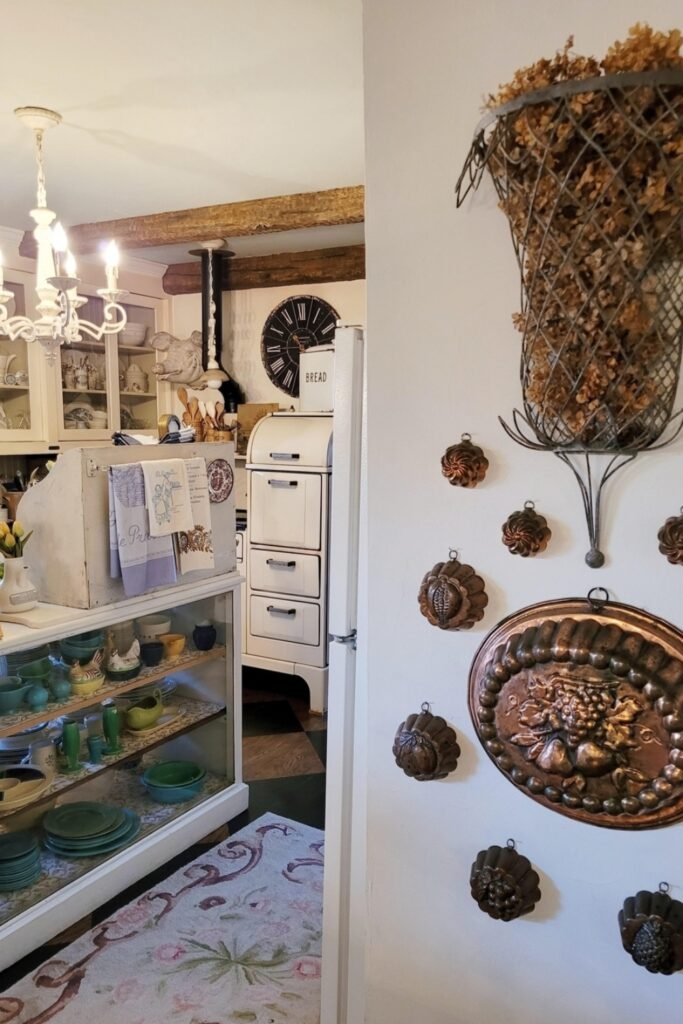
Vintage Display Storage
Instead of hiding everything behind cabinets, this setup turns everyday dishes into part of the kitchen’s character.
A freestanding glass-front cabinet works well in homes where you already own pieces worth showing. It’s especially effective in older houses or cottage-style kitchens.
You can use a secondhand hutch or display cabinet, keep similar items grouped inside, and let it replace multiple upper cabinets while adding warmth and personality to the space.
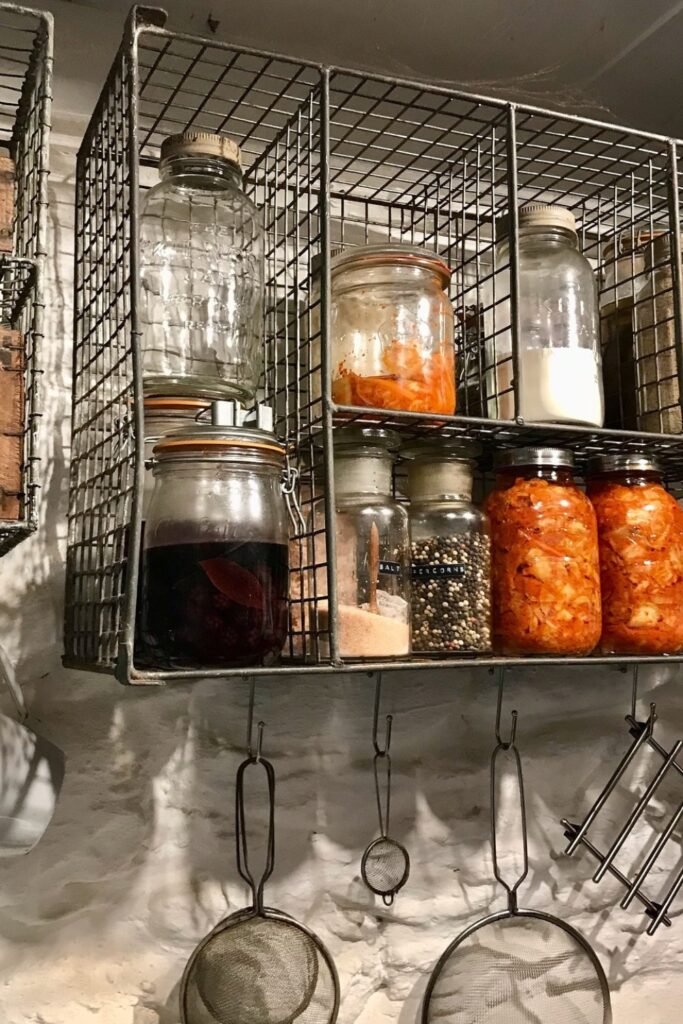
Industrial Open Storage
It’s ideal for kitchens where you cook often and want ingredients within arm’s reach.
The trick is treating storage like a system, not decoration. You can use matching jars, limit what stays on display, and reserve this setup for dry goods and tools you use daily.
It’s best in small or utility-style kitchens where closed cabinets would feel bulky and slow you down during cooking.
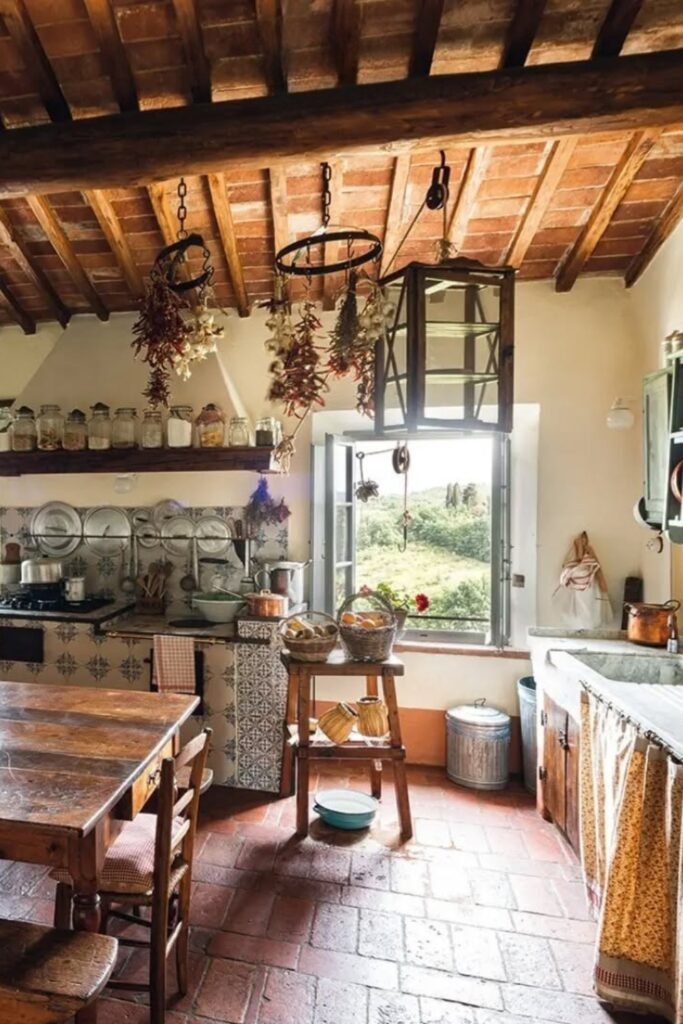
Rustic Worktable Kitchen
This kind of kitchen works when cooking is part of daily life, not something you rush through.
A large wooden table replaces a fixed island and becomes the main prep, dining, and gathering spot. It suits country homes, farmhouses, or any space with room to move.
You can anchor the sink and stove along the walls, use open shelves for essentials, and let one heavy table handle everything from chopping to casual meals.
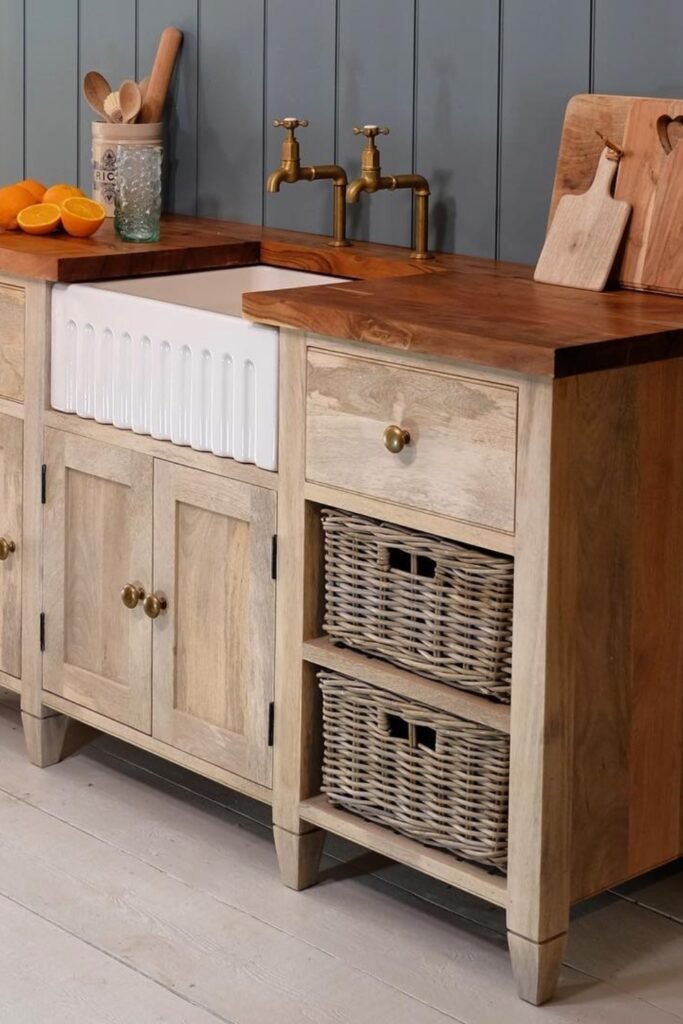
Freestanding Sink Unit
This setup proves you don’t need full cabinetry to handle plumbing properly.
A freestanding sink unit like this keeps the sink anchored while everything around it stays flexible.
It works best in unfitted or hybrid kitchens where you want function without built-in bulk.
You can choose a furniture-style base designed for sinks, pair it with a durable wood or stone top, and use baskets or drawers below to hide everyday clutter while keeping access easy.
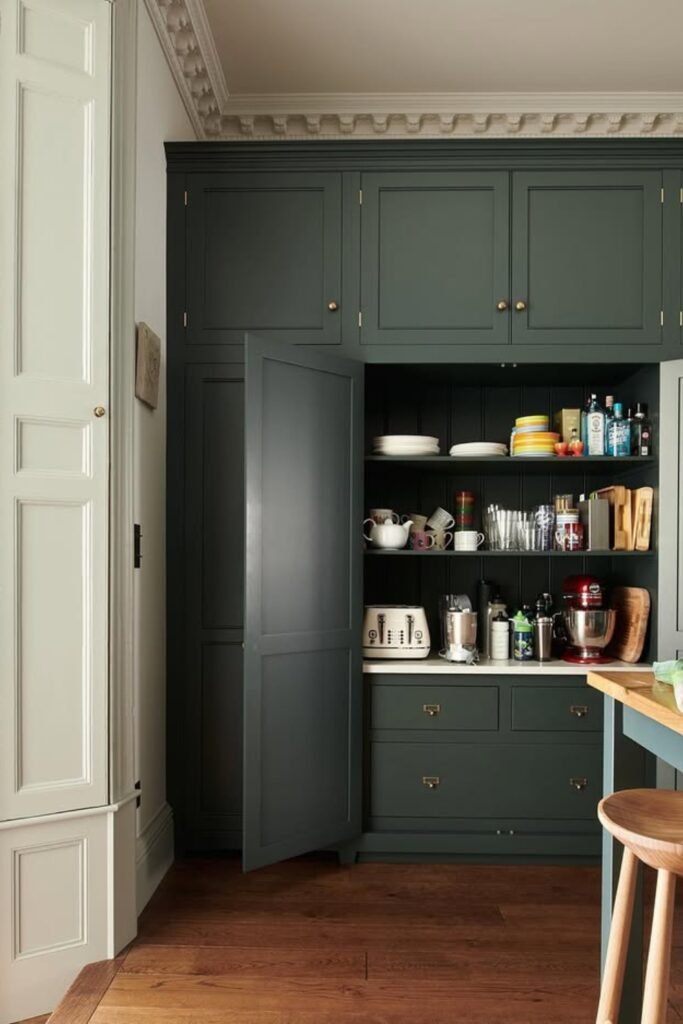
Appliance Pantry Wall
If your counters keep filling up with machines, this idea fixes that fast.
A tall pantry cabinet pulls appliances into one dedicated zone, so the rest of the kitchen stays calm and usable.
It works especially well in unfitted or hybrid kitchens where you want clean surfaces without losing convenience.
You can use a deep cabinet with shelves and drawers, keep everyday appliances inside, and open the doors only when you need them.
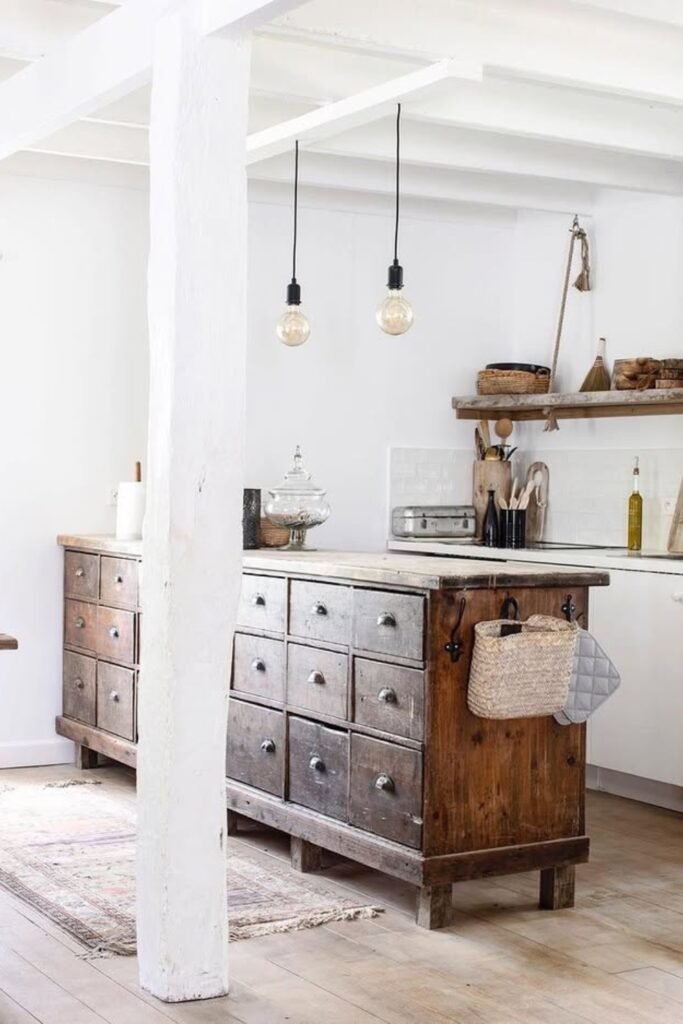
Vintage Drawer Island
This kind of island works when storage matters more than symmetry.
An old apothecary-style unit gives you loads of drawers right where prep happens, so you’re not walking back and forth mid-cooking.
It suits unfitted kitchens with enough floor space to let furniture breathe.
You can look for a reclaimed drawer unit or workbench, top it with a durable surface, and use the drawers for tools, linens, and small essentials you reach for every day.
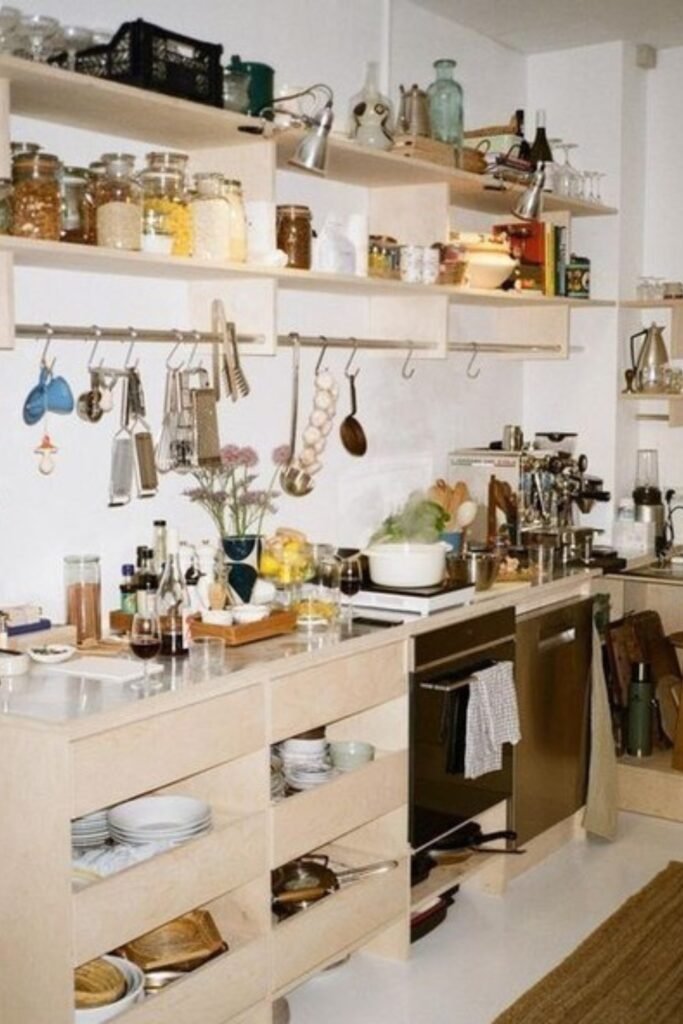
Open Shelf Run
This setup only works if you’re honest about how you use your kitchen.
A open shelves and open base storage keep everything visible, which makes cooking faster but also removes places to hide mess.
It’s best for people who cook often and don’t mind keeping things tidy.
You can limit shelves to one main wall, use jars and everyday dishes only, and keep closed storage elsewhere so the kitchen stays functional, not chaotic.
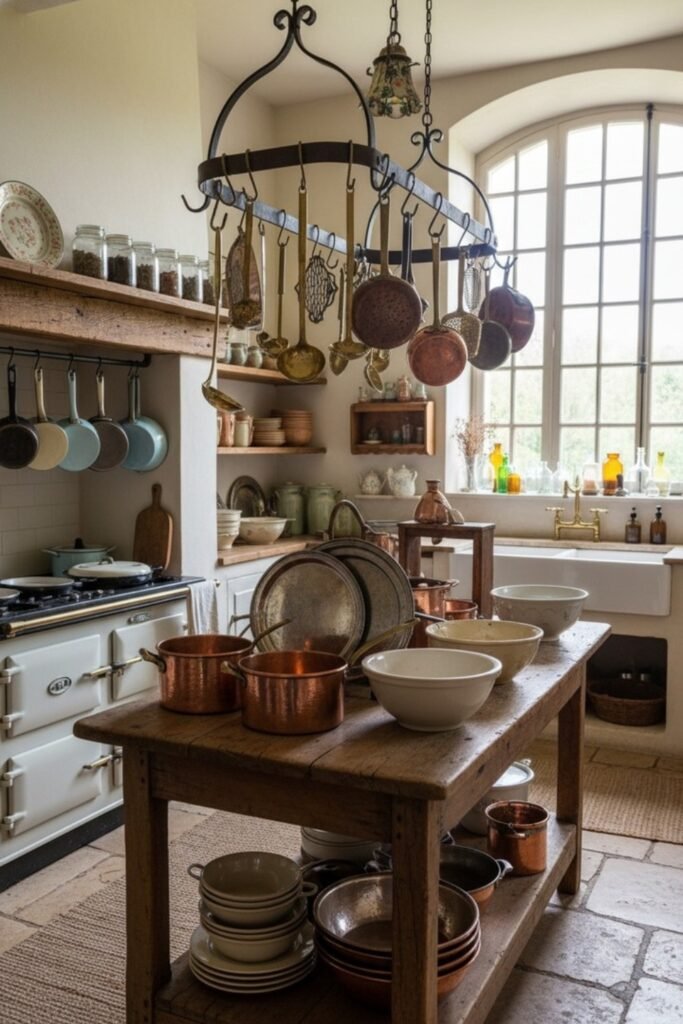
Hanging Pot Rack
When cabinet space is limited, hanging storage takes pressure off the rest of the kitchen.
A ceiling-mounted pot rack keeps heavy cookware accessible without cluttering counters or shelves.
This works best in kitchens with good ceiling height and a strong central worktable.
You can install a sturdy rack above the main prep area, limit it to pieces you actually use, and balance it with simpler storage elsewhere so the kitchen feels purposeful, not overcrowded.
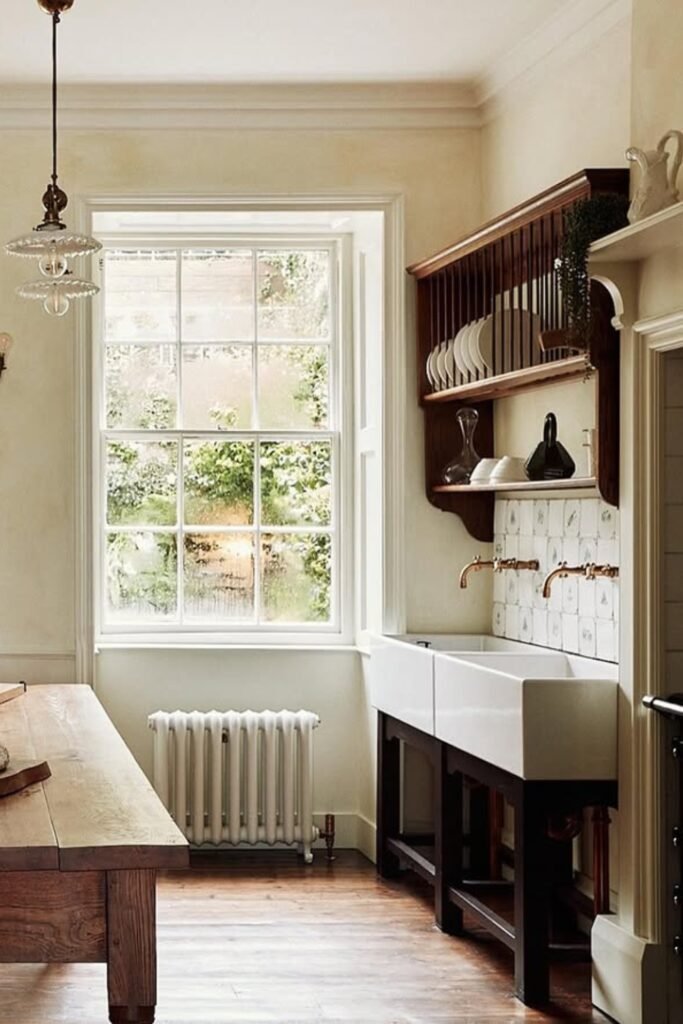
Sink-Focused Wall
This layout puts the sink where it belongs, as a working feature, not something hidden inside cabinets.
A deep farmhouse sink paired with open shelving keeps washing, prep, and storage in one clear zone.
It works especially well in narrow or older kitchens where fitted units would feel heavy.
You can anchor the sink on a simple stand, add shelves for daily dishes, and leave the space below open or minimal so the area feels light and practical.
Hybrid Unfitted Setup
This kitchen shows how unfitted doesn’t have to mean impractical.
A fixed elements like the cooker and sink stay in place, while everything else stays loose and flexible.
Open shelves handle daily dishes, a worktable takes care of prep, and closed units stay minimal.
This works best if you want the character of an unfitted kitchen without losing efficiency.
You can lock in only what needs plumbing or power, then build the rest around furniture-style pieces that can change over time.
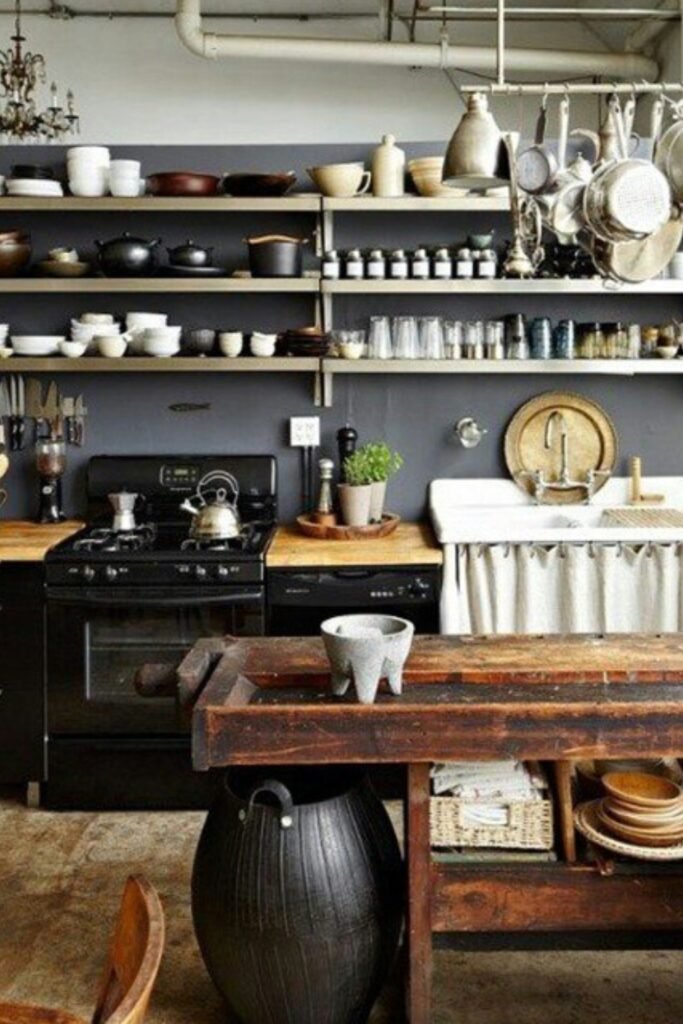
Wall-Mounted Storage
This approach works when you want to free up floor space but still keep everything close at hand.
The wall-mounted racks, shelves, and hooks turn everyday tools into easy-access storage while adding character.
It’s best for unfitted kitchens where base units are minimal or furniture-based.
You can fix sturdy rails or shelves into solid walls, hang only the tools you use regularly, and group similar items together so the wall feels organised, not overwhelming.
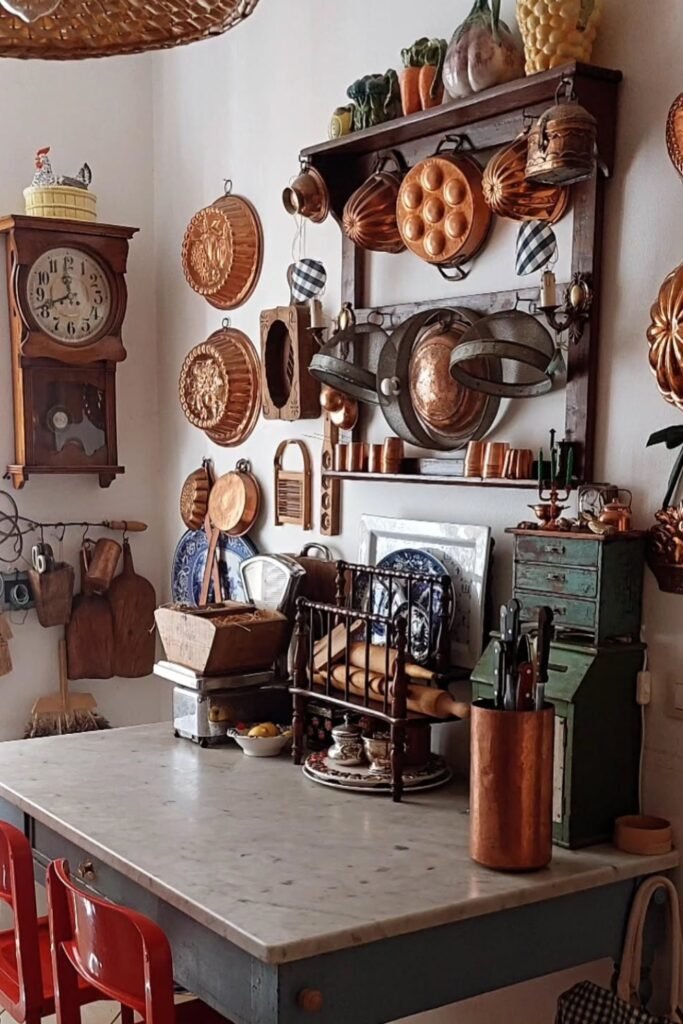
Simple Base Units
This setup shows how unfitted kitchens still need a solid backbone.
A simple base units around the cooker and sink keep everything functional, while open shelves and worktables do the rest.
It’s ideal if you want an unfitted look without sacrificing everyday efficiency.
You can keep base units plain and practical, avoid upper cabinets, and let shelves, plants, and furniture-style pieces add character instead of built-in bulk.
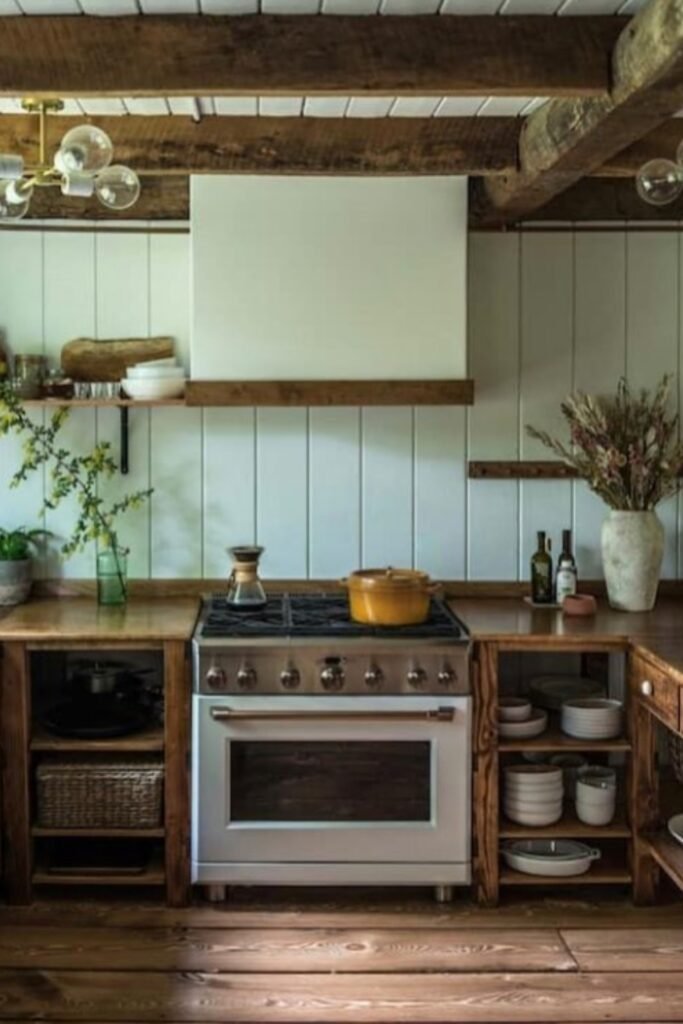
Classic Hybrid Balance
This kitchen gets the balance right by mixing fixed cabinetry with freestanding elements.
A tall cupboards handle heavy storage, while the central worktable keeps the space flexible and informal. It’s ideal if you like the unfitted look but still want structure and order.
You can keep permanent units to the edges of the room, choose one strong furniture piece for the center.
Let materials like wood and stone tie everything together so the kitchen feels layered, not rigid.
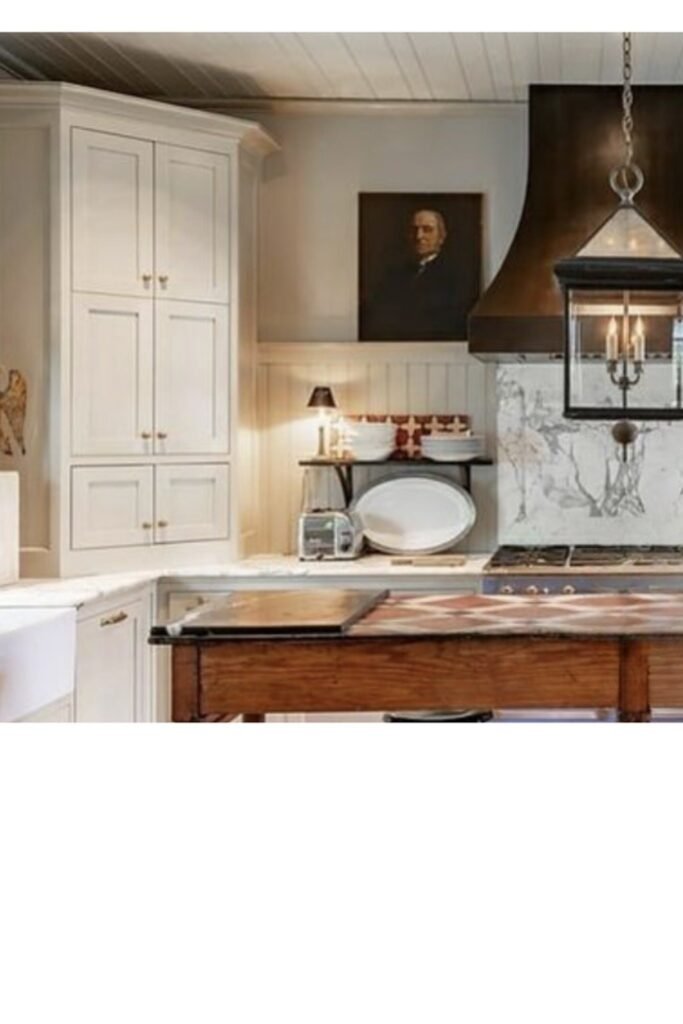
Sink As Anchor
The sink does more than handle washing up, it anchors the entire layout.
A standalone sink on legs sets the position of the kitchen, while everything else stays lighter and more flexible around it.
This works best in unfitted or semi-unfitted kitchens where you want a clear working zone without full cabinetry.
You can invest in a statement sink, keep storage below minimal or open, and let nearby counters and shelves support it instead of competing for attention.
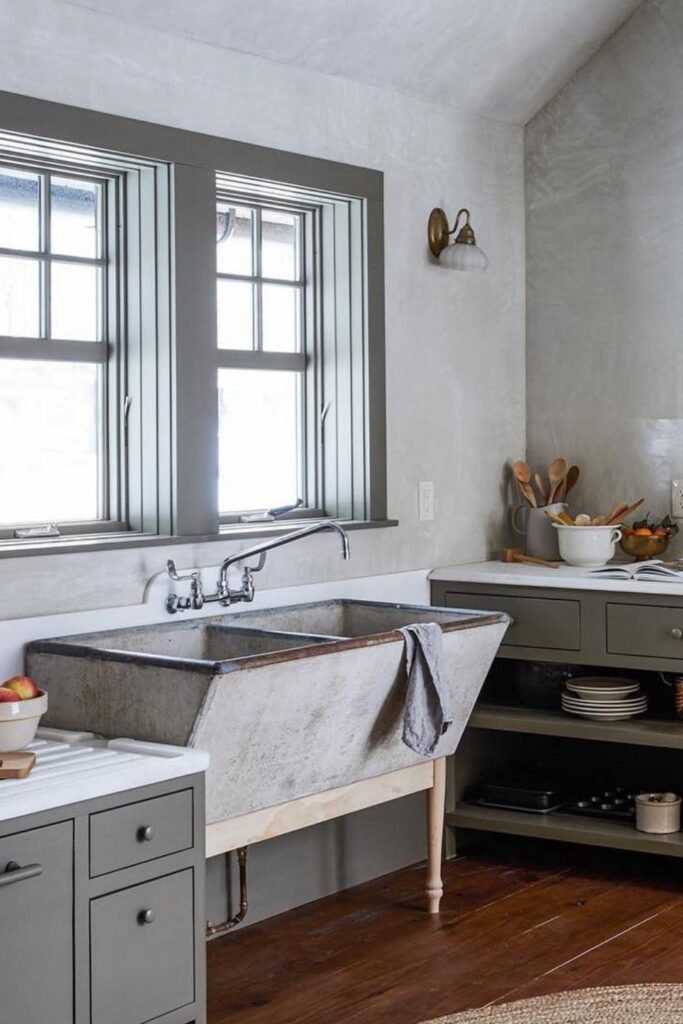
Mixed Storage Wall
This kitchen works because it doesn’t force one storage style everywhere.
A Open shelves keep everyday items within reach, drawers handle the mess, and a glass-front cabinet stores pieces you don’t use daily but still want visible.
It’s ideal if you like the unfitted look but still need order.
You can mix closed base units with one or two open shelves, add a single glazed cabinet for balance, and keep materials consistent so the mix feels intentional, not random.
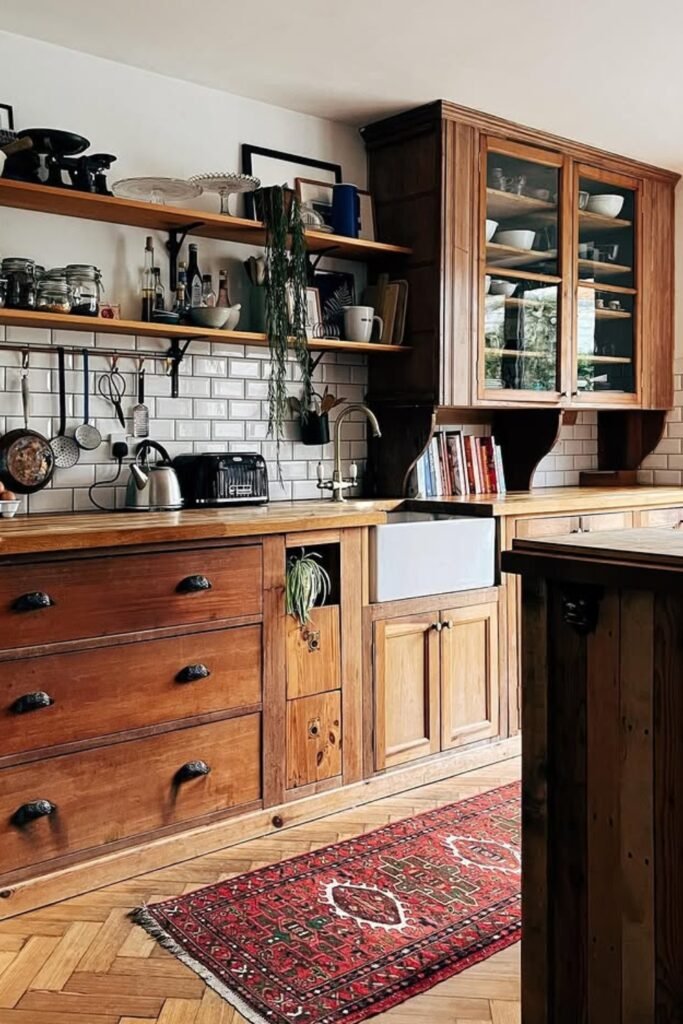
Central Worktable Focus
This kitchen revolves around the table, not built-in cabinetry.
A large freestanding worktable handles prep, serving, and casual seating, which keeps the rest of the layout relaxed and flexible.
It works best in open kitchens where movement and gathering matter more than perfect symmetry.
You can anchor appliances and the sink along the walls, choose a solid table with enough surface area,.
Let it replace the traditional island so the kitchen feels lived-in rather than designed around units.
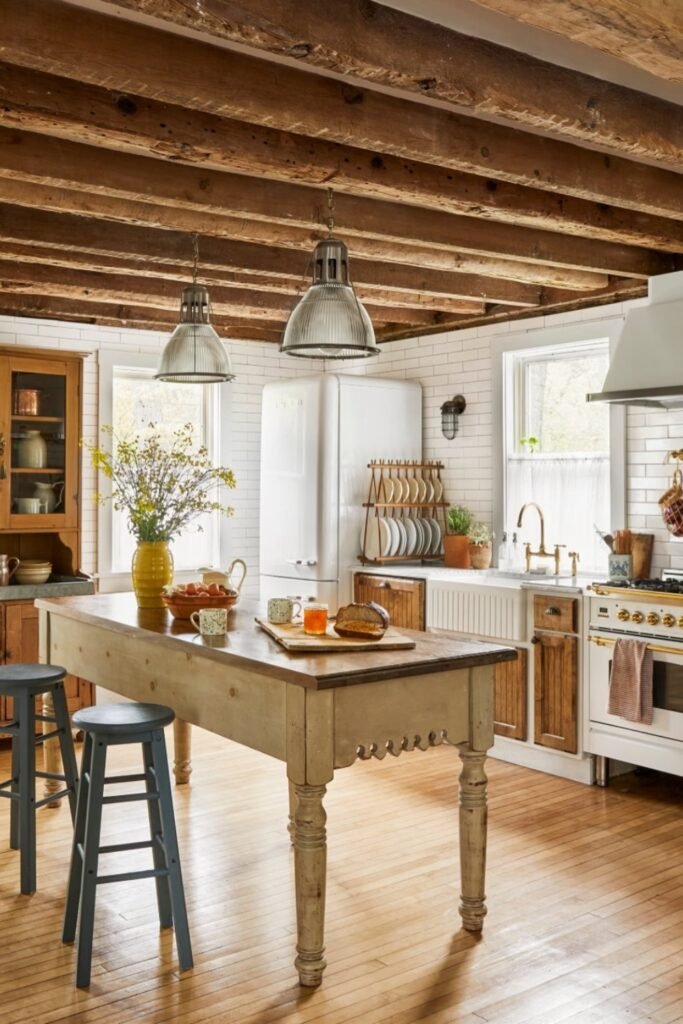
Curated Open Shelves
This kind of shelving only works when you treat it like a system, not decoration.
Everything you see here earns its place, daily dishes, mugs, and glasses arranged so they’re easy to grab and easy to put back.
It’s best for unfitted kitchens where wall cabinets would feel too heavy.
You can stick to one or two long shelves, group similar items together, and leave breathing space between stacks so the wall feels organised, not busy.
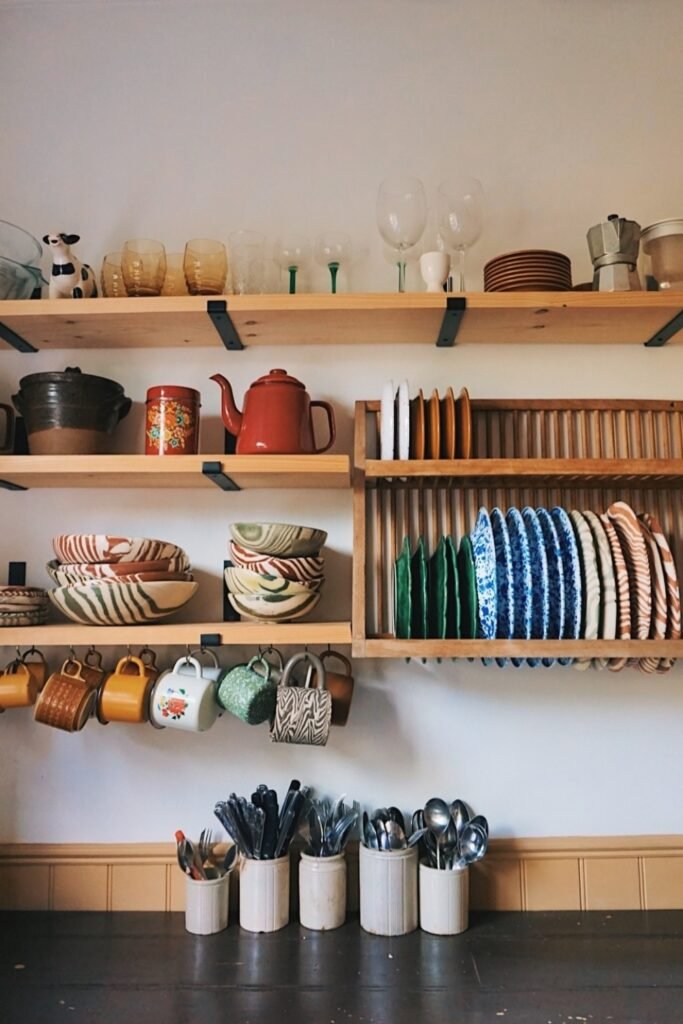
Layered Hybrid Kitchen
What makes this kitchen work is how it layers function instead of forcing one style everywhere.
The fixed units handle the cooker and sink, while open shelves and a heavy worktable do the rest.
You get the efficiency of a fitted kitchen without losing the relaxed, unfitted feel. This setup suits serious cooks who want character but still need structure.
You can lock in appliances first, add open shelving only where you cook most, and use one solid table to handle prep, storage, and everyday tasks.
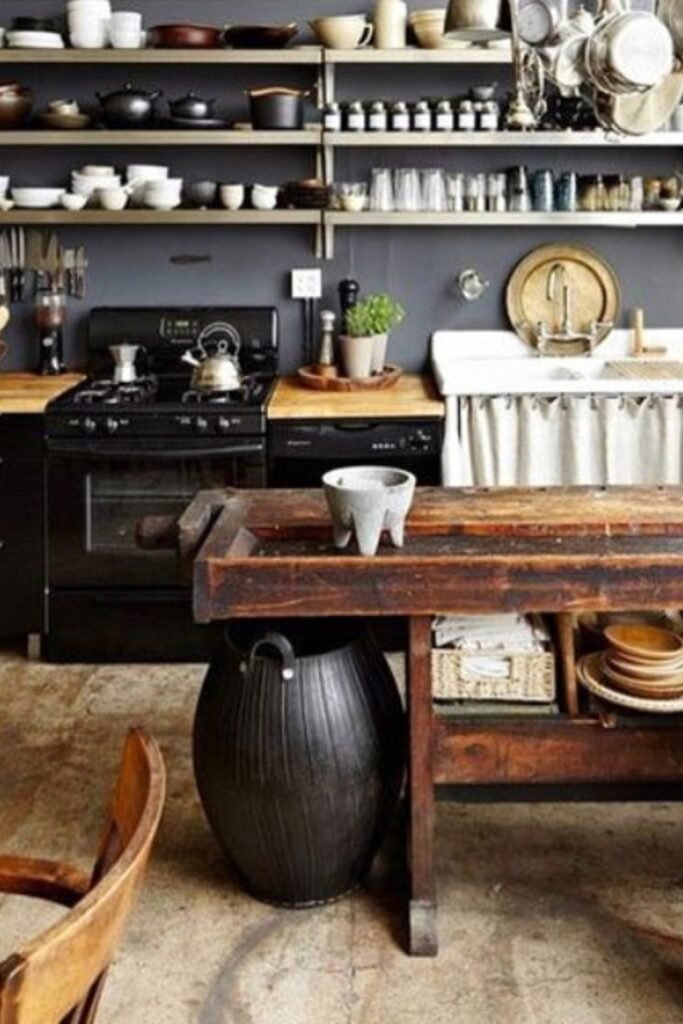
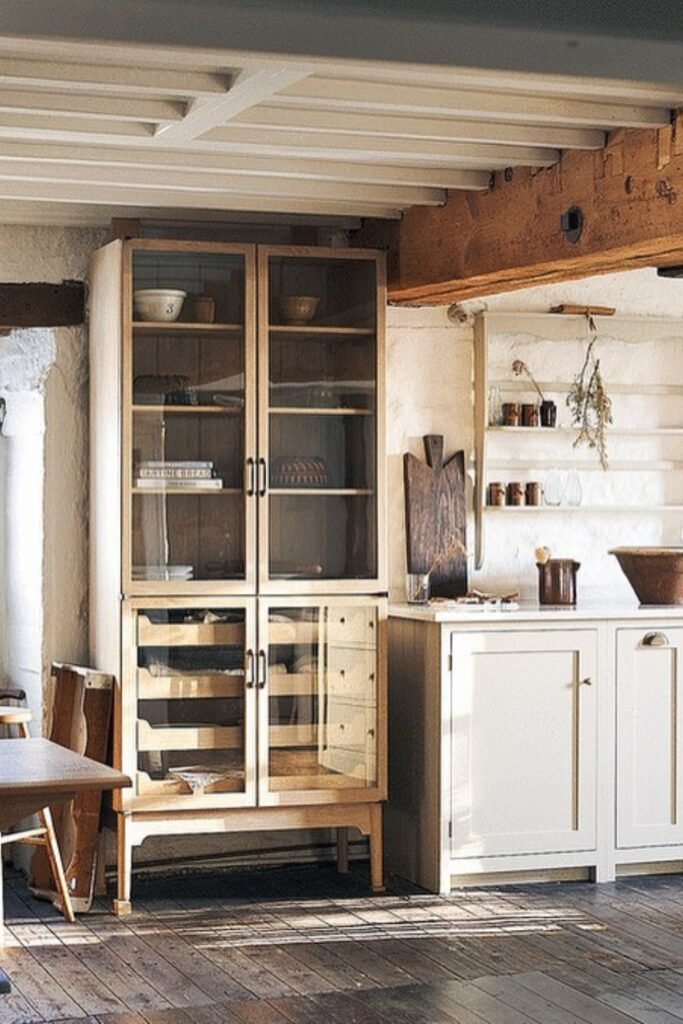
Freestanding Storage Pair
This setup works because storage stays vertical instead of spreading across the room.
A tall glass-front cabinet handles dishes and pantry items, while a simple base unit takes care of prep. It’s ideal for smaller or older kitchens where fitted runs would feel too heavy.
You can place one tall cabinet against a solid wall, pair it with a short work surface nearby, and let each piece do one clear job so the space stays calm and functional.
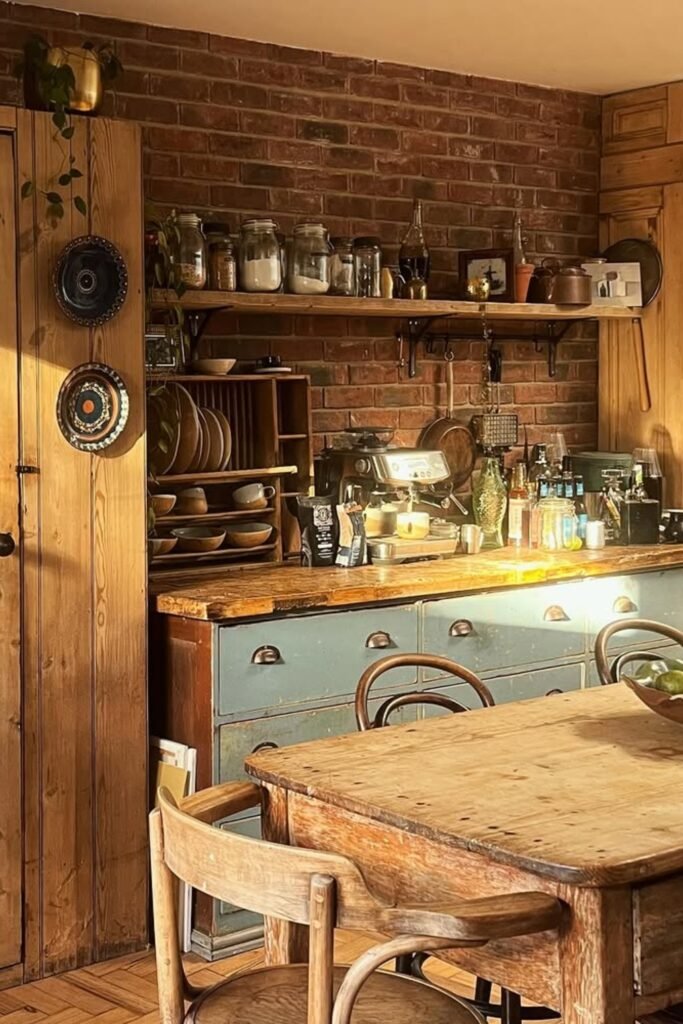
Brick Wall Run
This setup works because the kitchen leans on texture instead of cabinetry.
A brick wall becomes the backdrop, while a simple base unit and open shelf handle storage without feeling heavy. It’s best for homes with character, lofts, cottages, or renovated older spaces.
You can keep base units low and minimal, add one strong shelf for daily items, and let materials like brick, wood, and metal do the visual work instead of extra cabinets.
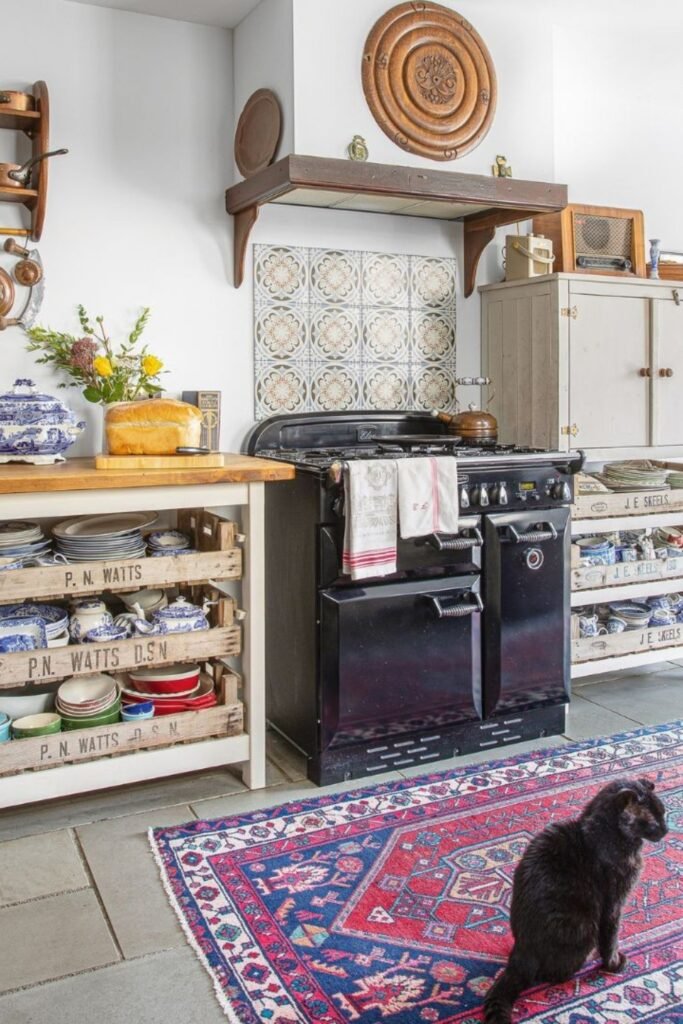
Collected Kitchen Pieces
This kitchen works because nothing feels bought as a set.
Each piece has its own role, a cooker as the anchor, open crates for dishes, a freestanding cupboard for storage, and shelves that keep tools close.
It’s ideal for unfitted kitchens where you want character without chaos.
You can choose one strong focal appliance, add furniture pieces over time, and give every item a clear purpose so the space feels lived-in, not cluttered.
Cooker-Led Layout
The cooker sets the tone for the whole kitchen. Everything else supports it, not the other way around.
A solid range becomes the anchor, with a simple worktable beside it handling prep and storage. This works best if you cook often and want tools within reach.
You can invest in one strong cooker, keep surrounding units minimal, add a sturdy table for prep, and use wall rails or hooks so essentials stay close without filling the space with cabinets.
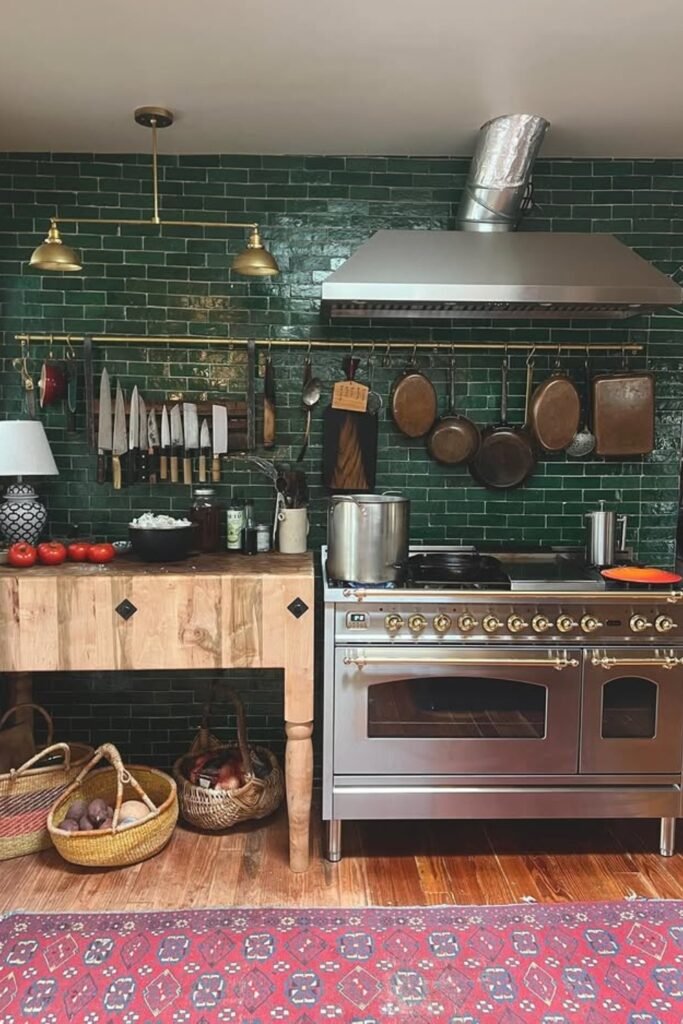
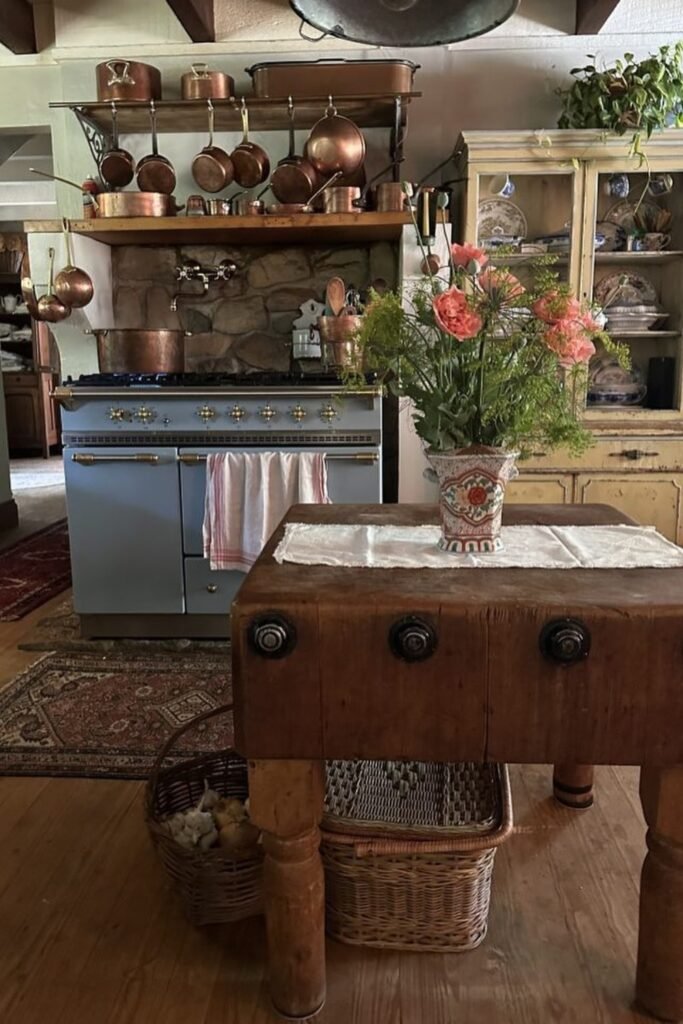
Collected Rustic Core
This kitchen feels grounded because every major piece earns its place.
A heavy butcher-style table handles prep and gathering, the range anchors cooking, and a freestanding cabinet takes care of storage without spreading clutter.
This works best in homes where you want warmth and history, not a polished showroom look.
You can start with one substantial worktable, keep the cooker as the focal point, and add storage pieces gradually so the kitchen grows naturally instead of feeling installed all at once.
Frequently Asked Questions
Is an unfitted kitchen practical for everyday use?
Once you have them, you can arrange freestanding pieces and open storage around them, and you’ll see how it all comes together.
If you cook often, you’ll want your daily tools and ingredients close at hand, and you can use closed storage for anything you don’t want on display.
Are unfitted kitchens more expensive than fitted kitchens?
You might spend more if you decide to go for bespoke freestanding units, but you’ll see that the difference is all about flexibility.
You can start small, add pieces later, and you won’t have to pay for everything at once.
You may like to read!
