
20 Vintage Kitchen Ideas
Most people start searching for a vintage kitchen because modern kitchens can feel cold and lifeless, and you know you want something warmer and full of character.
The real issue is that you don’t always know what actually matters when it comes to vintage style.
In this article, you will see what truly makes a kitchen vintage with the help of 20 vintage kitchen ideas.
Let’s jump in!
What Is a Vintage Kitchen?
A vintage kitchen isn’t about copying one specific decade or filling your space with things that just look old.
It’s really about how your kitchen feels when you use it every day.
When your materials can age well, when your storage still works for you, and when the space feels warm instead of overly polished, you know you’re on the right track.
A true vintage kitchen should feel like something you collected over time, not something you finished all at once.
If you focus on function first and let wear, texture, and simple details do their job, you’ll notice the vintage look comes together naturally, without you having to force it.
Honest Materials First
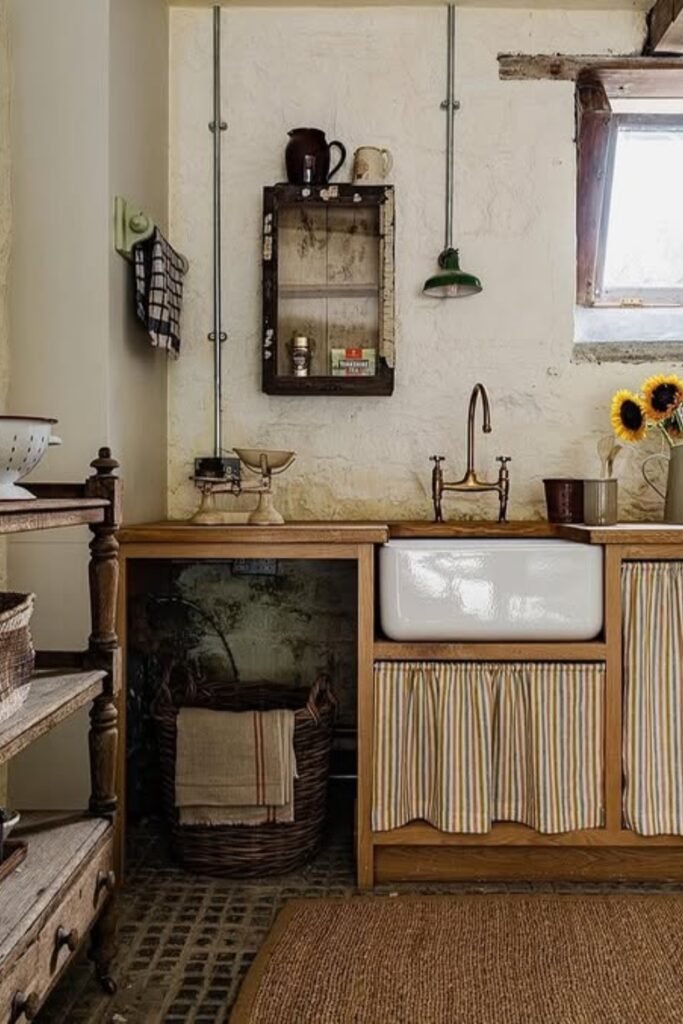
.You should think about real wood, ceramic, metal, and stone, things you can touch and feel, not glossy or fake finishes.
If you choose materials that can show use over time, you will notice your kitchen starts to feel vintage without you trying too hard.
Simple Everyday Storage
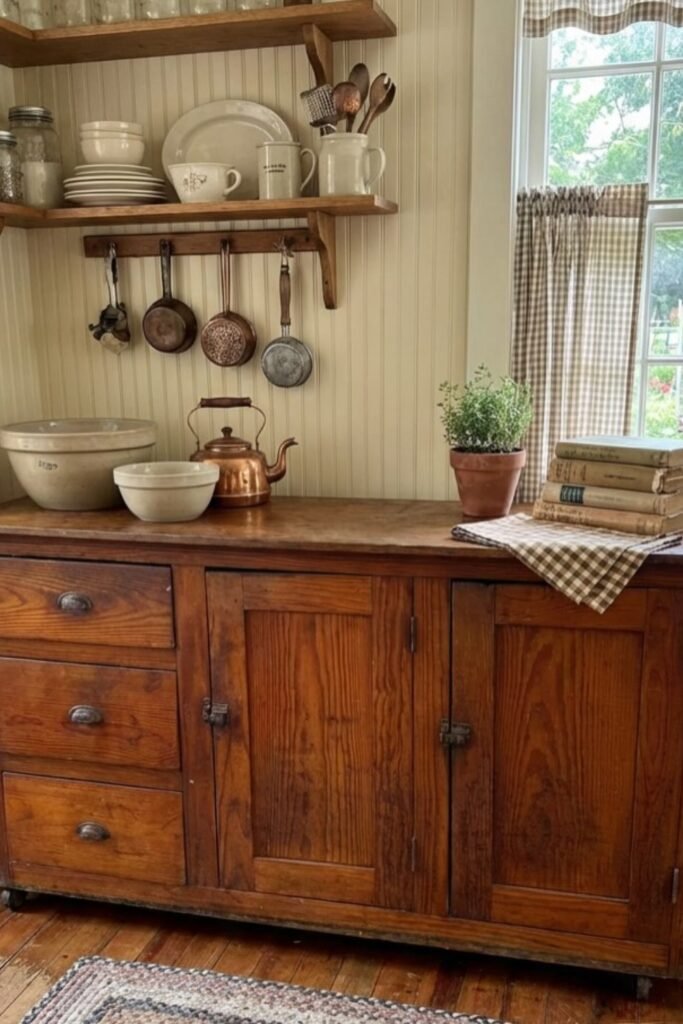
A vintage kitchen works best when your storage feels open and easy to use.
If you want that relaxed, old-home feeling, you shouldn’t hide everything behind closed cabinets.
You can use open shelves for dishes, jars, and tools you reach for daily.
When your everyday items stay visible and within reach, your kitchen feels active and lived in.
Balanced Old New
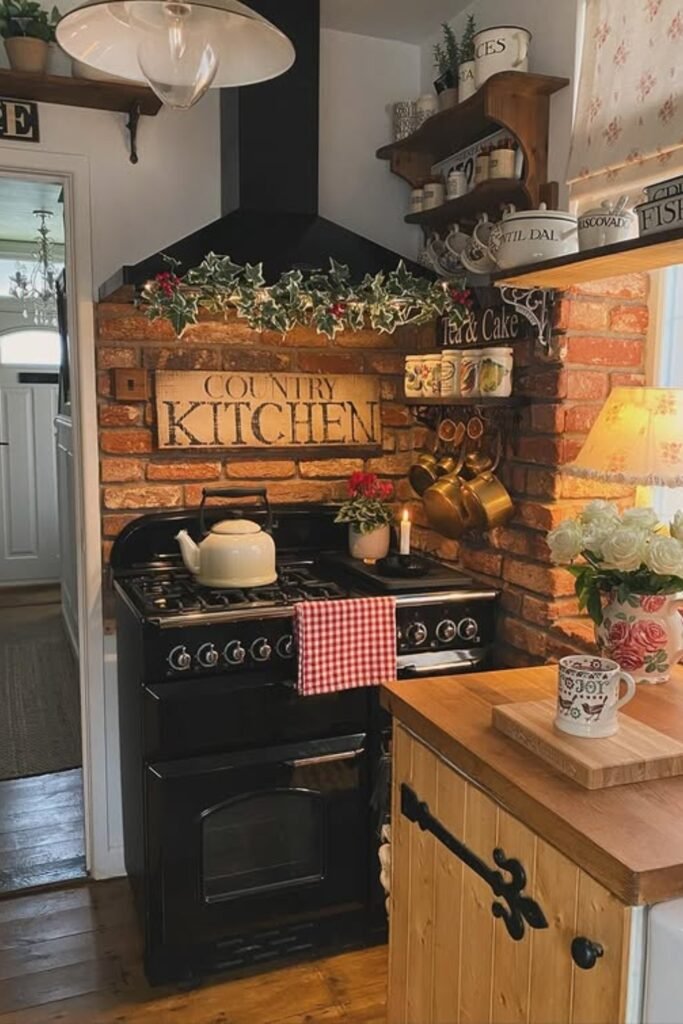
You should keep your appliances modern so daily life stays easy, then bring in vintage through shelves, hardware, or small decor.
When you balance old and new this way, your kitchen won’t feel heavy or outdated, but you’ll still get that warm, old-world charm you’re after.

Warm Focal Points
Every vintage kitchen needs one spot that naturally catches your eye. It could be the stove, the sink, or even a small prep table you use often.
If you give one area more texture or detail, you can keep the rest of the kitchen simple. This helps you avoid a cluttered feeling.
Soft Natural Light
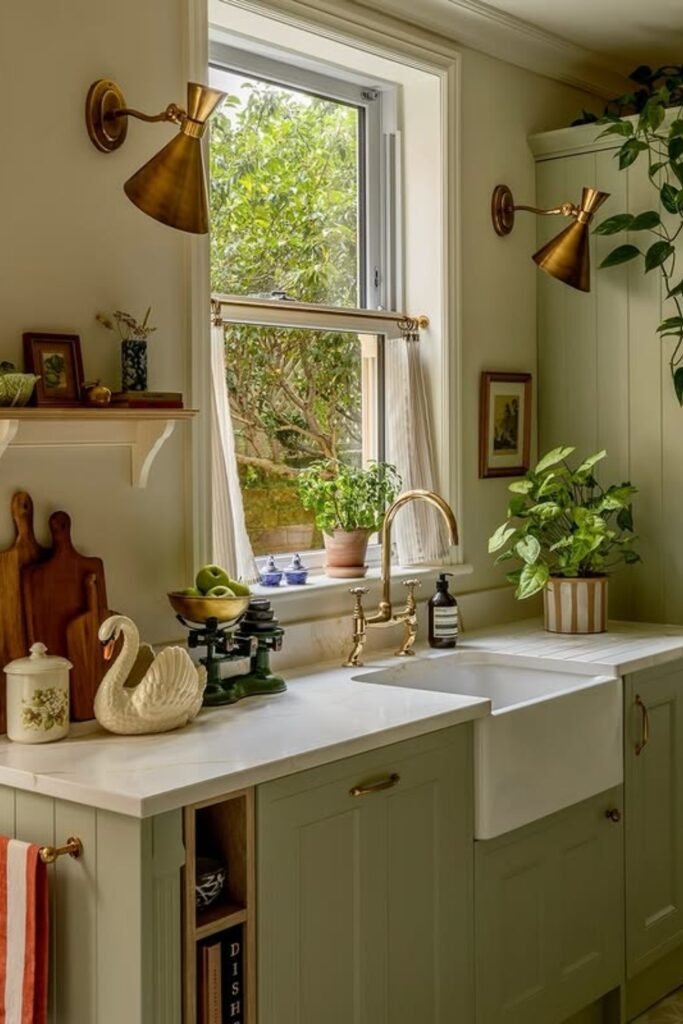
If you rely only on harsh overhead lighting, you might notice the space feels flat and modern. Instead, you can let daylight do most of the work for you.
When light stays gentle, you will see colors soften and everyday materials like wood, stone, and brass feel warmer and more lived-in.
Practical Wall Details
In a vintage kitchen, your walls should do more than just look nice. You can use hooks, rails, and narrow shelves to keep tools visible and easy to grab.
If you hang the things you actually use like ladles, mugs, or cutting boards, the kitchen feels active instead of staged.
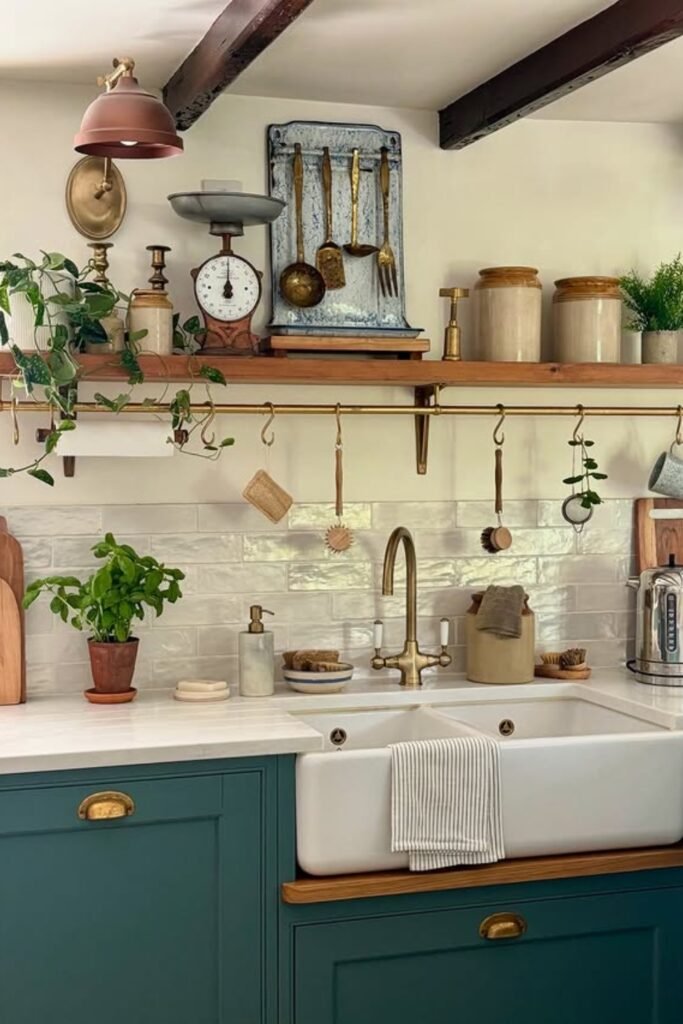
Cozy Daily Moments
A vintage kitchen should make you want to slow down. You should feel comfortable enough to sit, talk, and stay awhile.
When you add simple curtains, wooden furniture, and everyday objects on display, your kitchen starts to feel cozy in a very natural way.
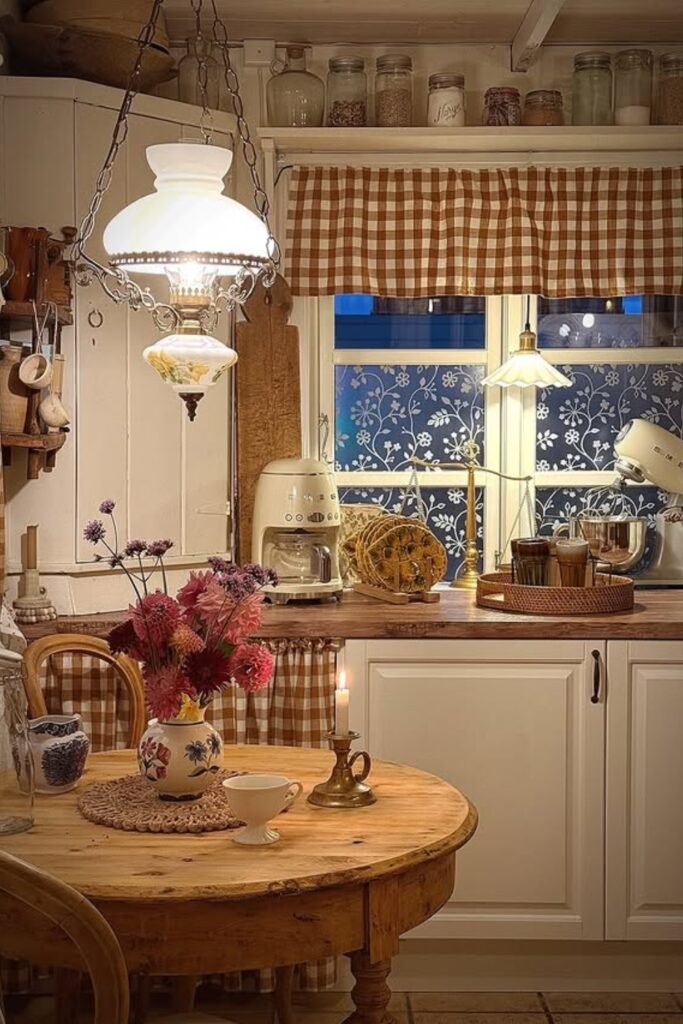
Gentle Color Choices
You can use soft shades like cream, pale blue, muted green, or warm gray. These colors reflect light gently and help your space feel settled and familiar.
If you want your kitchen to feel vintage, you should start with color first, once the base feels right to you, wood, metal, and fabric details will stand out on their own.
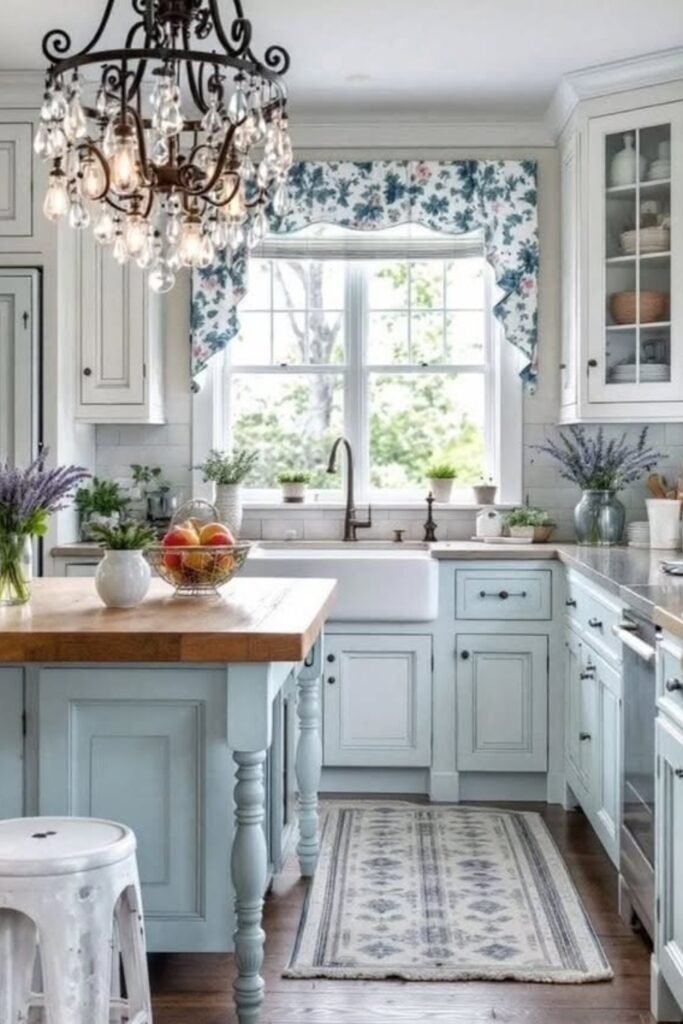
Repeated Color Accents
A vintage kitchen feels more thoughtful when you repeat one color in small, quiet ways.
Instead of using many colors, you can choose one and let it show up again and again.
If you pick a shade like yellow, blue, or green, you might let it appear on pots, dishes, or accessories you already use.
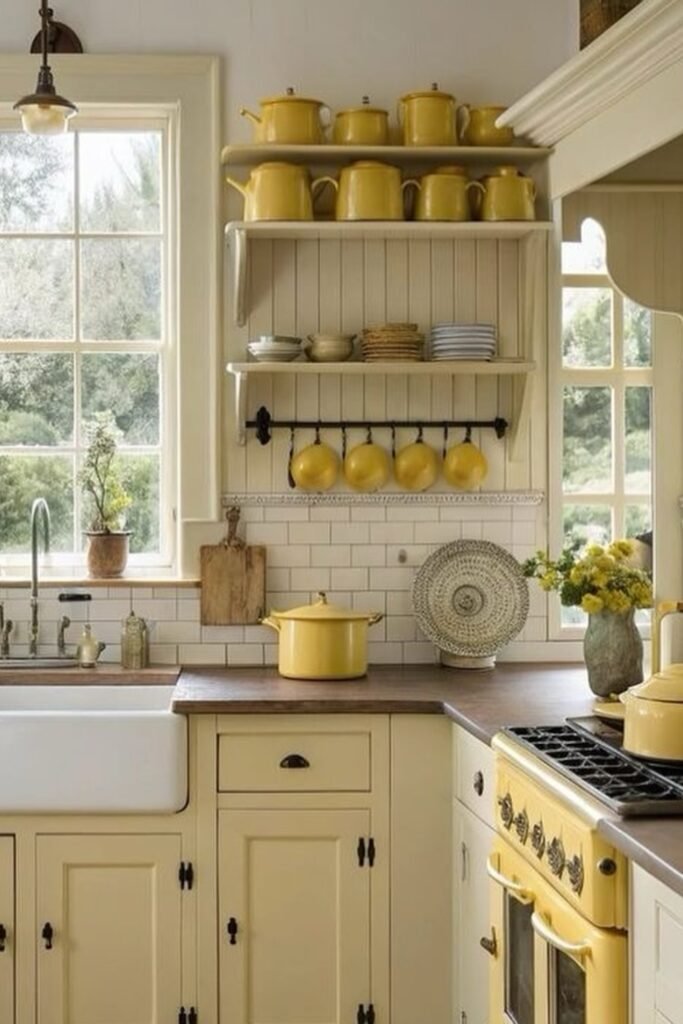
Classic Surface Finishes
If you choose finishes that were made for heavy everyday use, you’ll notice the space feels more grounded and real.
When you start with walls or floors first and they feel classic to you, everything you add later will naturally lean vintage without extra effort.
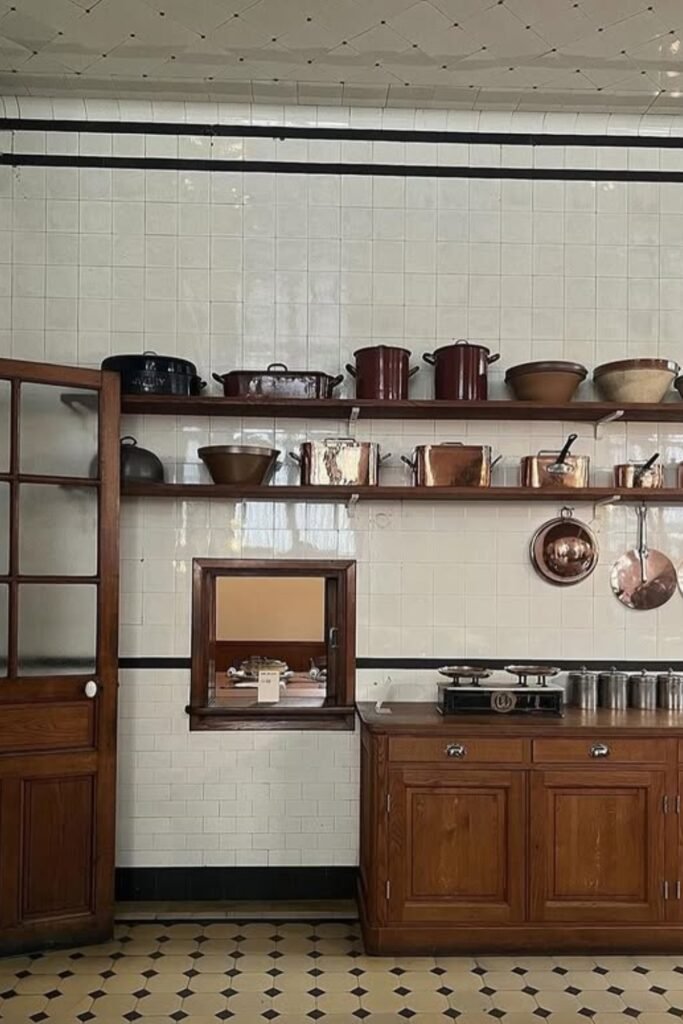
Natural Worn Textures
These textures help you add depth and warmth, making the kitchen feel calm, familiar, and comfortably imperfect.
Let wood show its grain and cracks, let metal dull as you use it, and choose finishes that change with time.
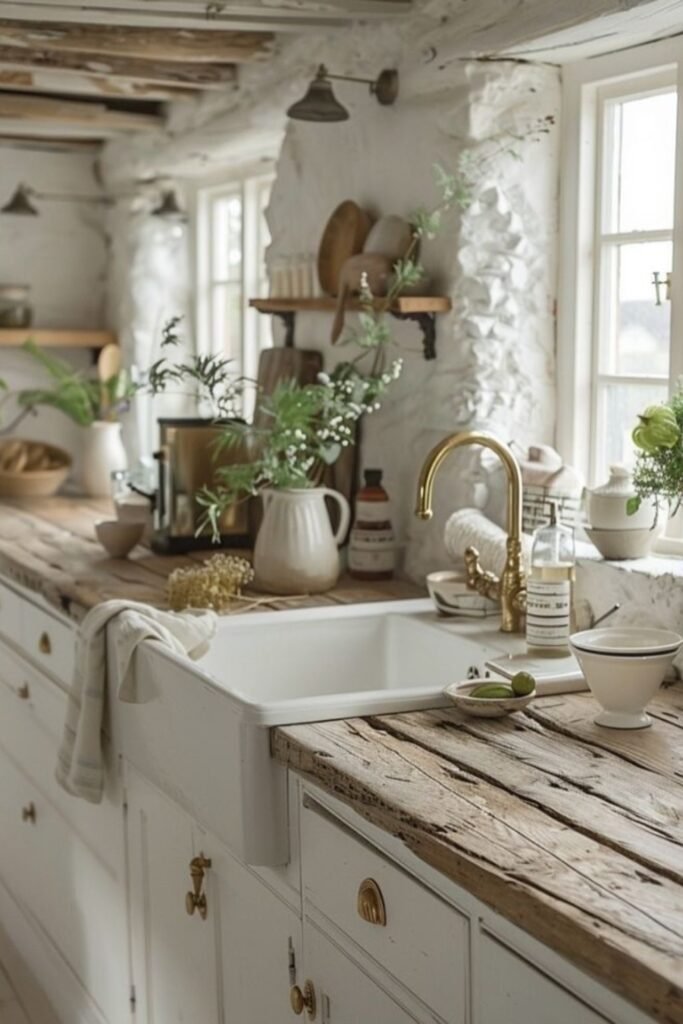
Layered Everyday Objects
A vintage kitchen feels more real when you keep everyday items where you actually use them.
When you layer practical objects on shelves, counters, and hooks, your kitchen starts to tell a daily story.
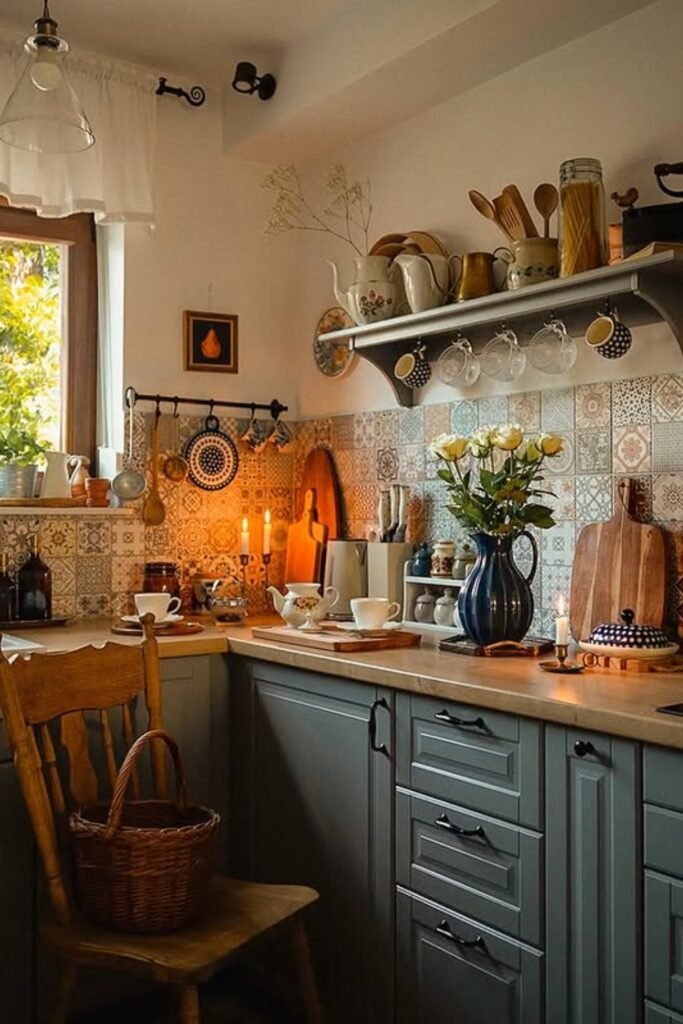
Strong Vintage Centerpiece
A vintage kitchen feels more grounded when one main piece sets the mood for the whole space.
You could choose a range, a storage cabinet, or a worktable that clearly feels like it comes from another time.
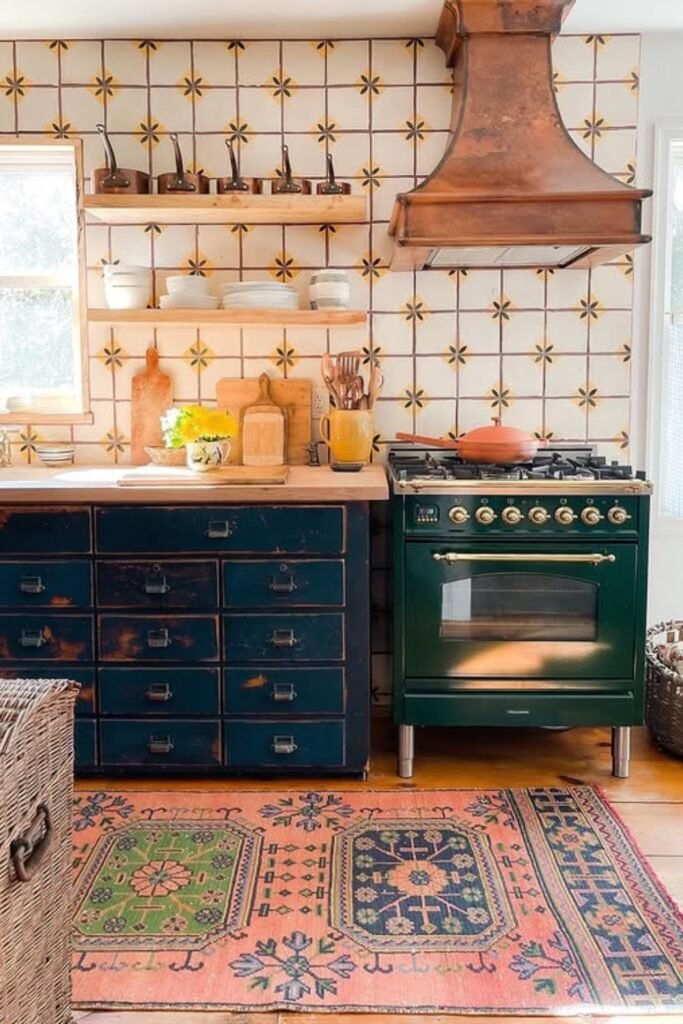
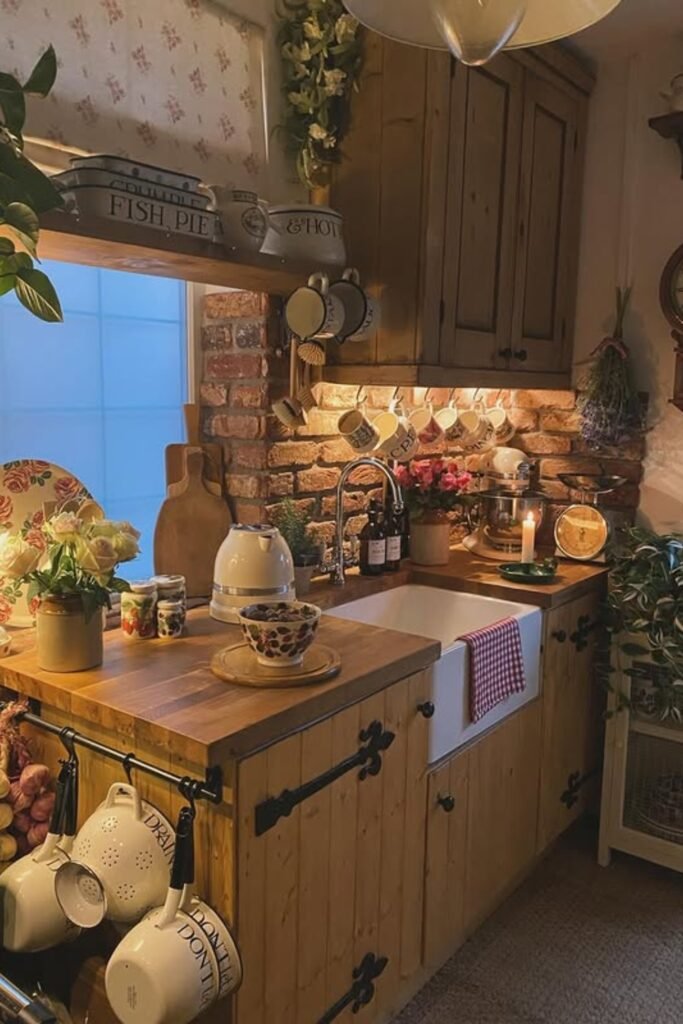
Warm Layered Corners
Instead of leaving those spots empty, you can use them to layer light, texture, and everyday items.
A sink corner, counter edge, or shelf nook might hold plants, jars, mugs, or a soft lamp.
When you focus on the areas where you naturally pause to wash, prep, or pour a drink, the whole space starts to feel vintage without you forcing it.
Timeless Layout Flow
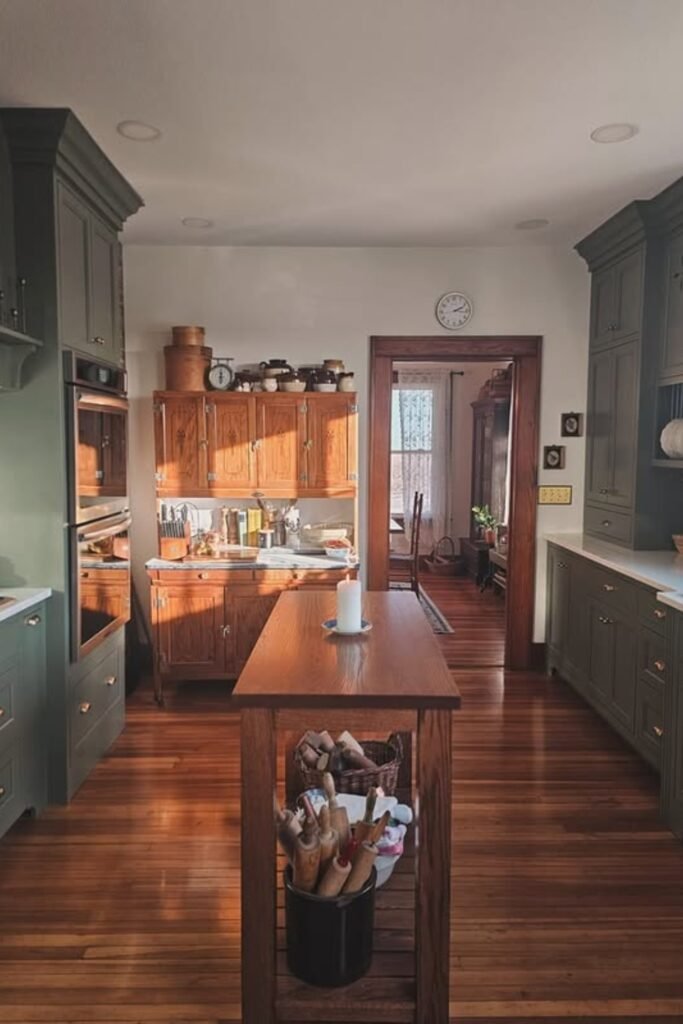
A central table or island can anchor the room and give you a place to work, pause, or talk.
When cabinets stay along the walls and the center feels open, the kitchen feels balanced and calm.
This layout has lasted for decades because it works. If movement feels effortless to you, the space naturally feels vintage and comfortable.
Functional Daily Setup
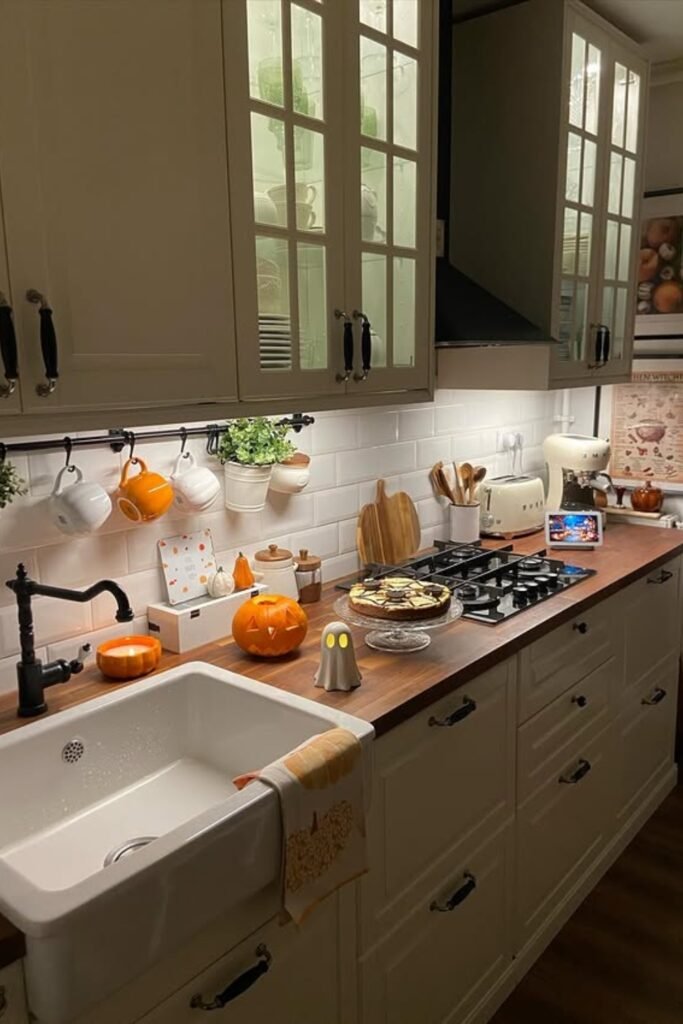
Your sink, stove, and prep area should work together so you don’t feel pulled back and forth.
When your tools, utensils, and daily items stay within arm’s reach, cooking feels relaxed and natural.
This kind of setup comes from older kitchens where function mattered more than appearance.
Character Through Layers
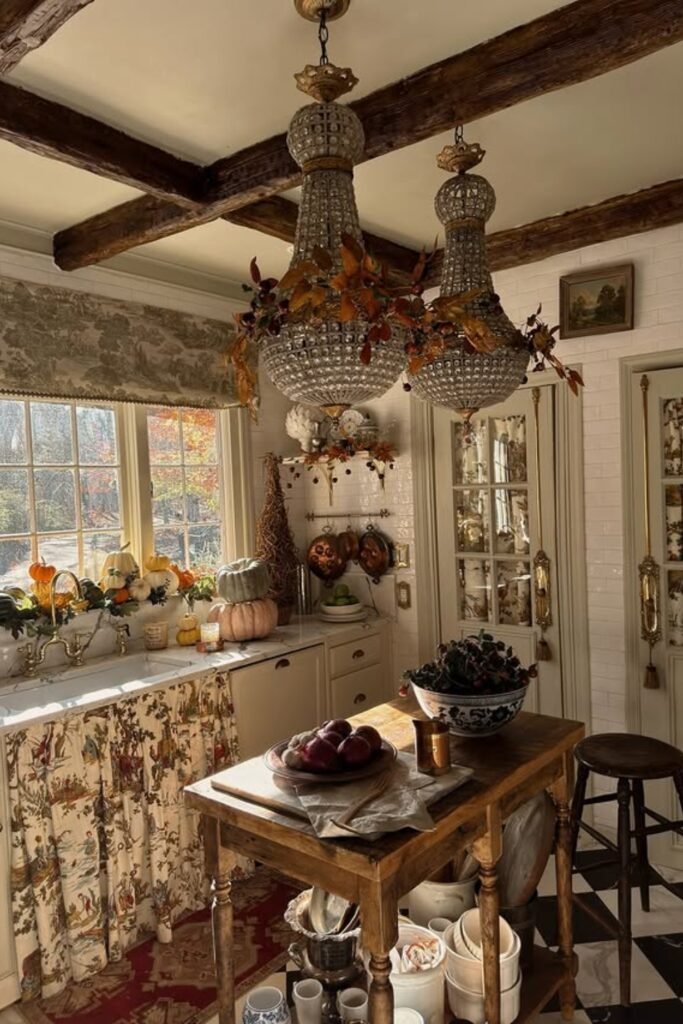
You don’t need everything to match perfectly.
You can mix furniture-style pieces, textured fabrics, aged wood, and meaningful objects you’ve collected along the way.
A worktable instead of a sleek island, curtains under the sink, layered rugs, or decorative lighting all add depth.
Each layer should work for you first, then add character second.
Furniture Over Fixtures
If you use a real wooden table as your prep space or add a cabinet that looks like it came from another room, you’ll notice the kitchen instantly feels older and more personal.
These pieces help you bring in variation through height, texture, and scale, which keeps the space from feeling flat.
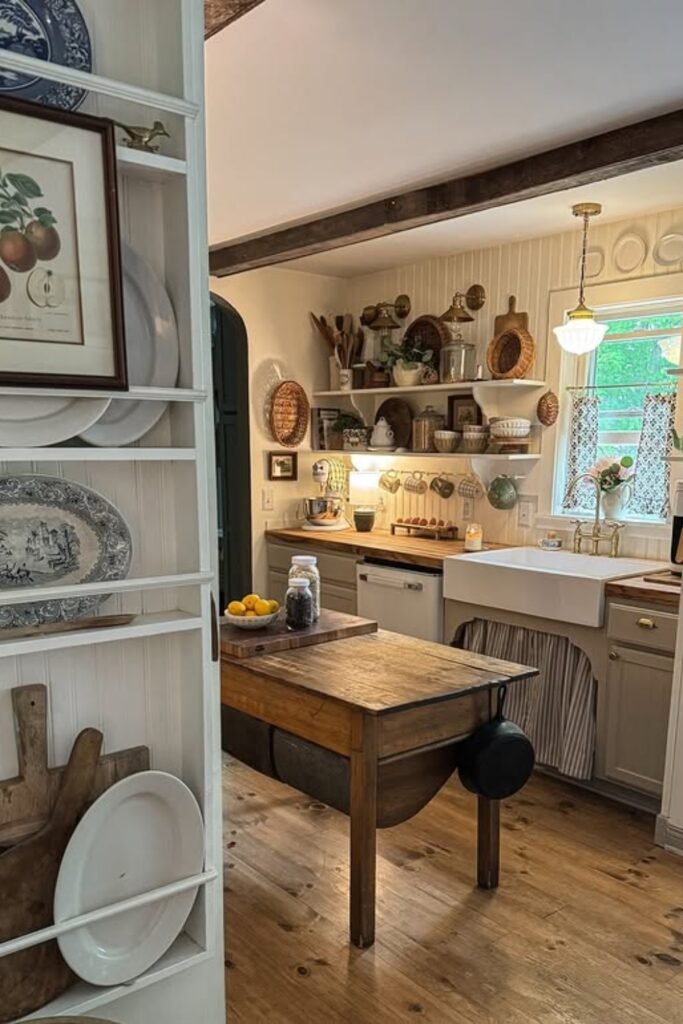
Warm Practical Details
A deep sink, a simple faucet, soft window treatments, and solid wooden storage can make everyday tasks easier for you.
When you choose fixtures that feel comfortable to use, the space feels honest and lived-in.
You should focus on the areas you touch every day, like sink handles, cabinet pulls, or lighting cords.
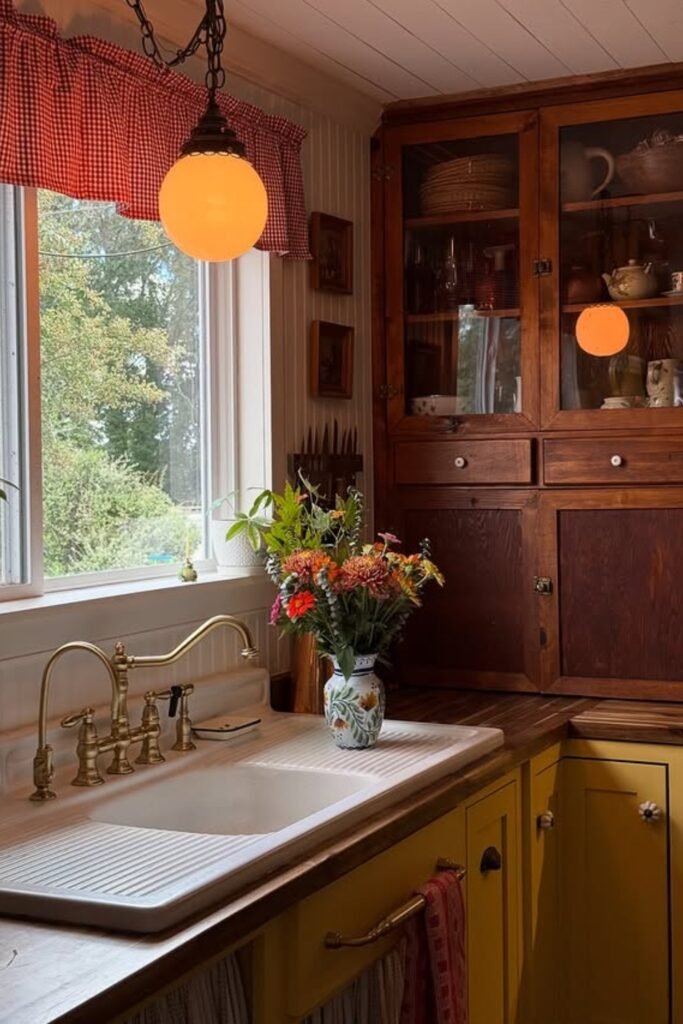
Collected Over Time
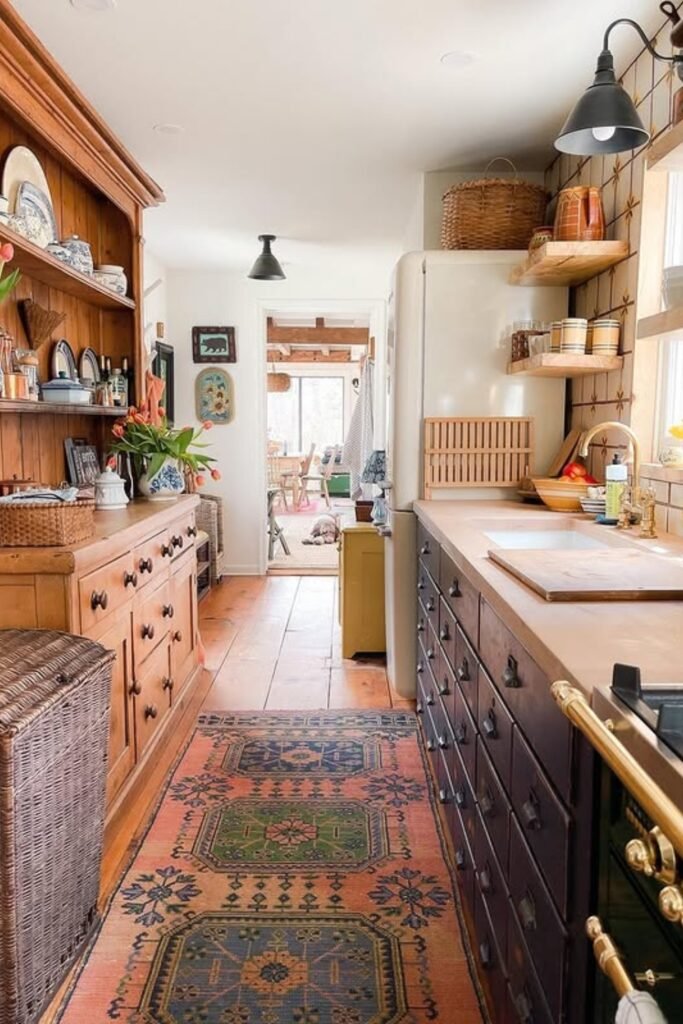
You can mix old cabinets, open shelves, baskets, rugs, and practical tools that look like they belong because you’ve used them for years.
If everything matches too perfectly, the space can feel new. Let different woods, finishes, and small imperfections live together.
You may like to read!
