
How to Arrange Bedroom Furniture in a Small Room
If your small bedroom always feels cramped no matter how many times you move things around, you’re not alone.
You shift the bed, push the wardrobe closer to the wall, try to “clean it up,” and still end up with the same problem, no space to walk and a room that feels messy again within a day.
The truth is, most people don’t struggle because their room is too small. They struggle because the furniture is placed without a clear plan.
One wrong placement can block movement, overload one side of the room, and make everything feel tighter than it really is.
And here’s what usually makes it more frustrating , you’ve probably already tried the basic advice. Put the bed here. Use smaller furniture. Add a mirror. But your room still doesn’t feel right.
In this article, you’re going to fix that properly. Not with random decoration tips, but with simple layout decisions that actually change how your room feels and functions.
Let’s jump in!
How Do I Know if my Bedroom Furniture Layout is Actually Working or Making The Room Worse?
You can easily get used to a bad layout without realizing it. That’s why many people keep rearranging their small bedroom but still feel like something is “off.”
A good way to check your layout is to focus on how the room feels when you move in it, not just how it looks.
If you have to turn sideways, step around furniture, or avoid bumping into things, the layout is already working against you.
Another clear sign is visual pressure. If one corner feels too heavy, or your eyes instantly land on clutter when you enter the room, the space is not balanced.
A well-arranged small bedroom should feel calm the moment you walk in, not overwhelming.
Also check your main walking path. If you don’t have a straight, easy route from the door to your bed and storage, the room will always feel tighter than it is.
Even a small blockage can change the whole experience of the space.
Finally, ask yourself a simple question: Can I use every part of my room without adjusting or moving things out of the way? If the answer is no, your layout still needs improvement.
8 Ways to Arrange Bedroom Furniture Small Room
Following are the 8 ways to arrange bedroom furniture small room.
1. Place the Bed First
The bed is the biggest piece in your room, so it should always come first in your plan.
If you place other furniture first, you’ll end up forcing the bed into a tight or awkward spot.
Try placing the bed against the longest wall or in a position where you can still walk around at least one side.
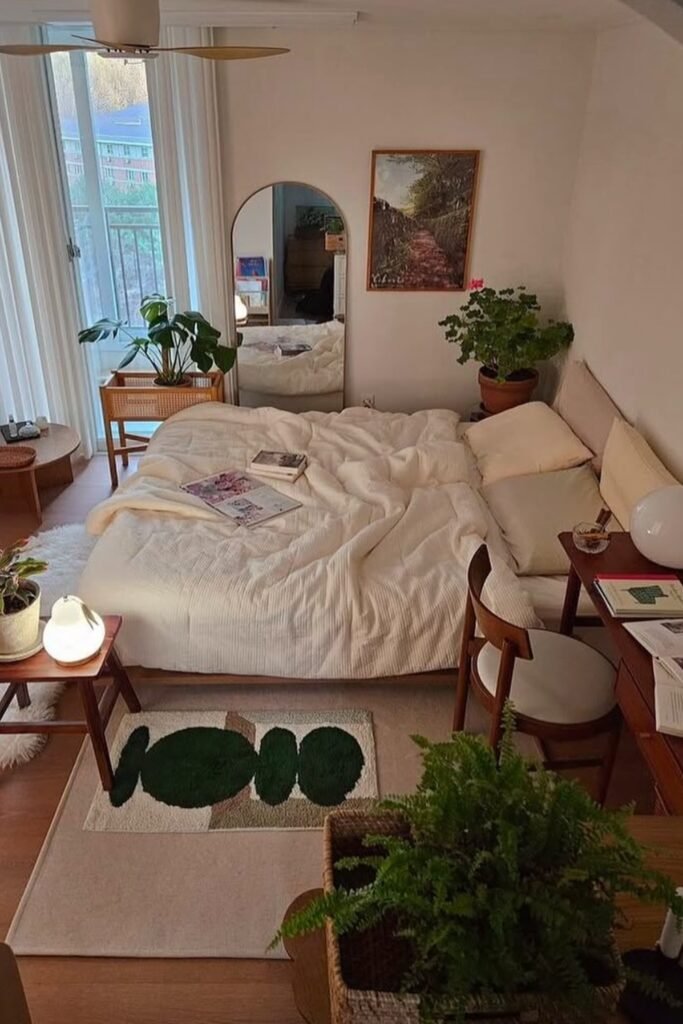
Avoid blocking doors or windows because it immediately makes the room feel closed in.
Once the bed is fixed, everything else like the wardrobe, side table, or dresser becomes much easier to arrange.
Think of the bed as the anchor. When it is placed correctly, the whole room starts to make sense.
2. Keep Clear Walking Paths
A small room only feels good when you can move freely in it. If you have to turn sideways or squeeze through gaps, the layout is already wrong.
Make sure there is a clear path from the door to the bed and storage areas. You don’t need wide hallways, just enough space so movement feels natural.
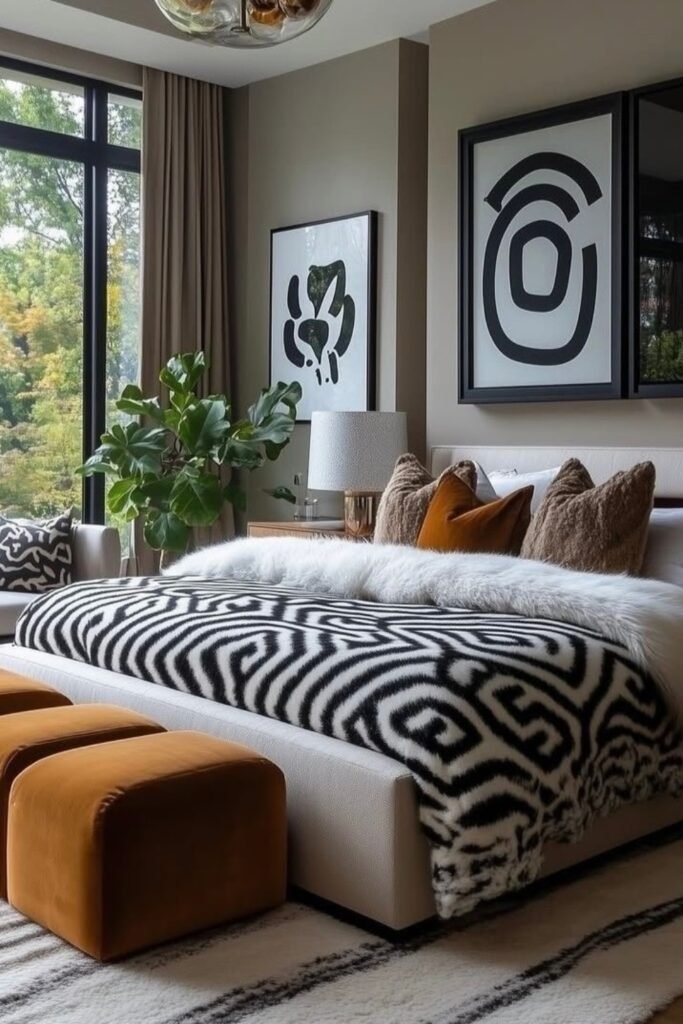
Don’t place furniture where it breaks the flow of walking. Even if a placement looks “fitted,” it’s not worth it if it blocks easy movement.
A room always feels bigger when you can walk through it without thinking.
3. Push Large Furniture Against the Walls
In small bedrooms, walls are your best space-saving tool. Always push bulky furniture like wardrobes, dressers, and storage units against the wall.
When big furniture sits away from walls, it eats up valuable floor space and makes the room feel crowded.
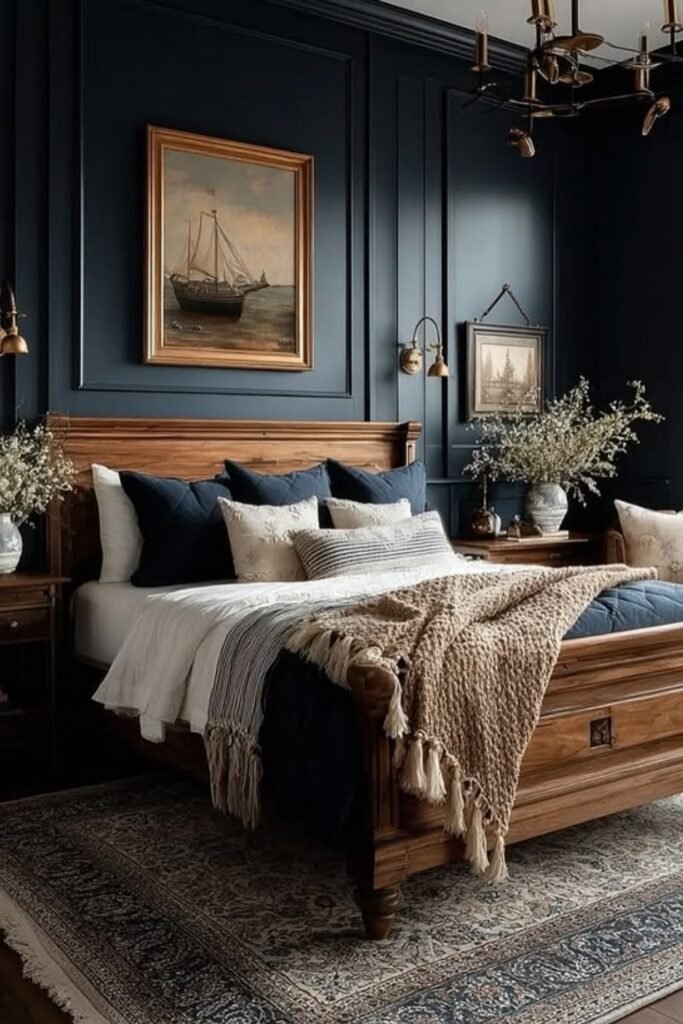
But when you align it with walls, the center of the room opens up, and the space feels more breathable.
Don’t leave unnecessary gaps behind furniture either. That wasted space adds no value and only makes the room feel messy.
4. Use Vertical Space
When floor space is limited, stop thinking horizontally and start thinking vertically. Walls can hold a lot more than people realize.
Use tall shelves, wall-mounted racks, hooks, or floating storage to keep things off the floor. This instantly reduces clutter and makes the room feel more open.
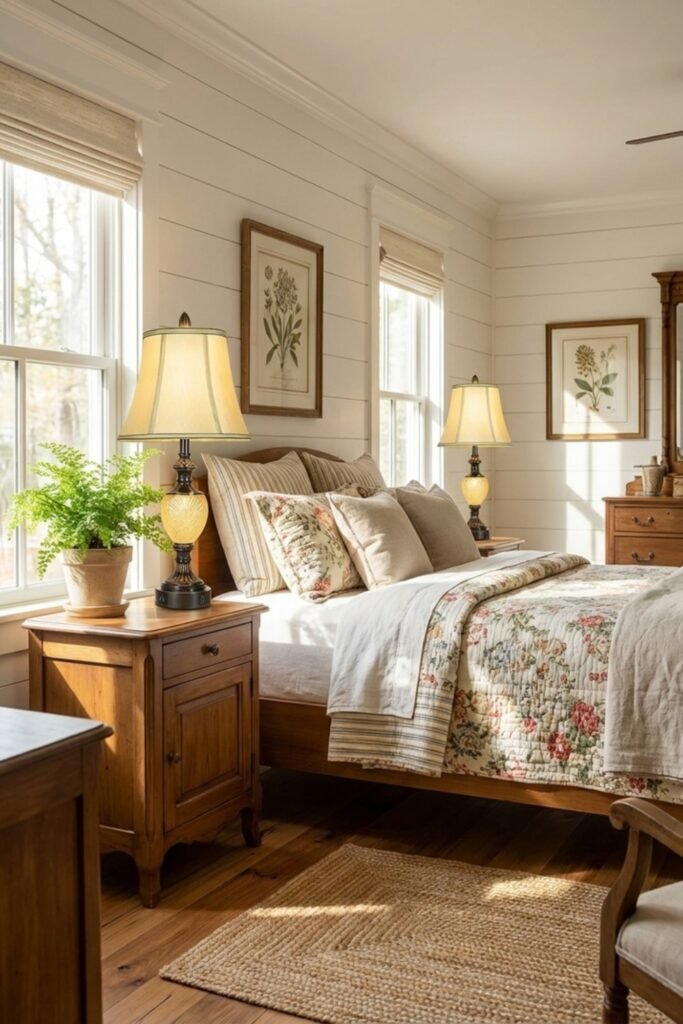
The key idea is simple: the less your belongings sit on the floor, the bigger your room feels.
Vertical storage helps you keep things organized without sacrificing walking space.
5. Choose Smaller, Multi-Use Furniture
In a small room, every piece of furniture should earn its place. If something only does one small job, it’s probably wasting space.
Instead of a normal bed, choose one with storage underneath. Instead of a bulky table, use a compact nightstand that has shelves or drawers.
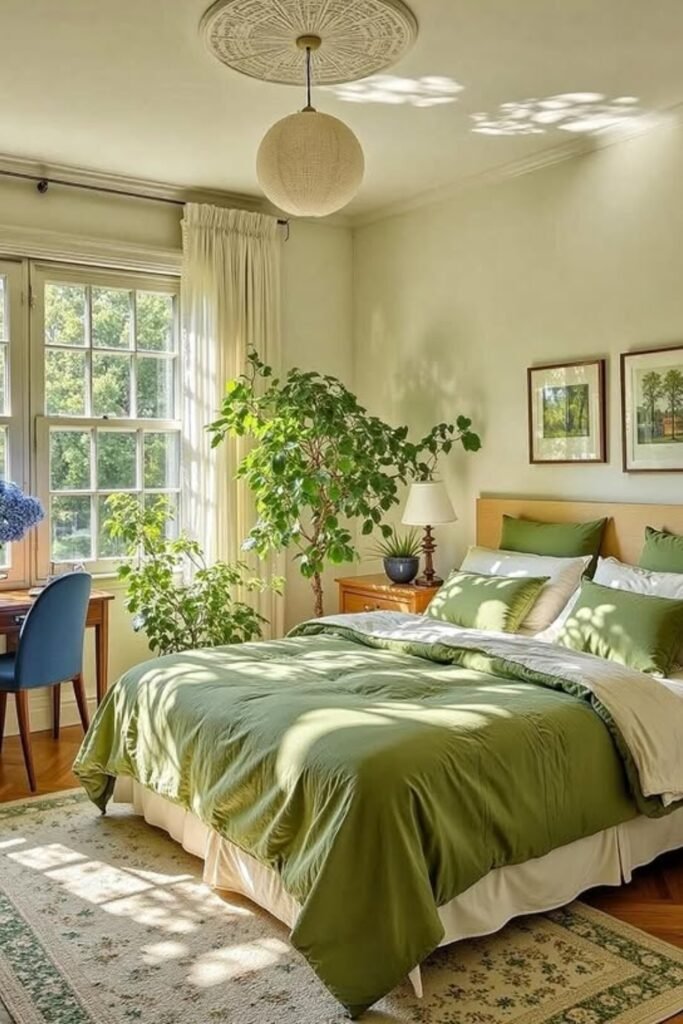
Even a bench with storage inside can replace extra boxes or clutter.
The goal is simple: fewer furniture pieces, more function. This reduces visual clutter and gives you more open space to move around.
6. Avoid Overcrowding One Side
A common mistake in small rooms is pushing everything to one side. It might seem logical, but it makes the room feel uneven and heavy.
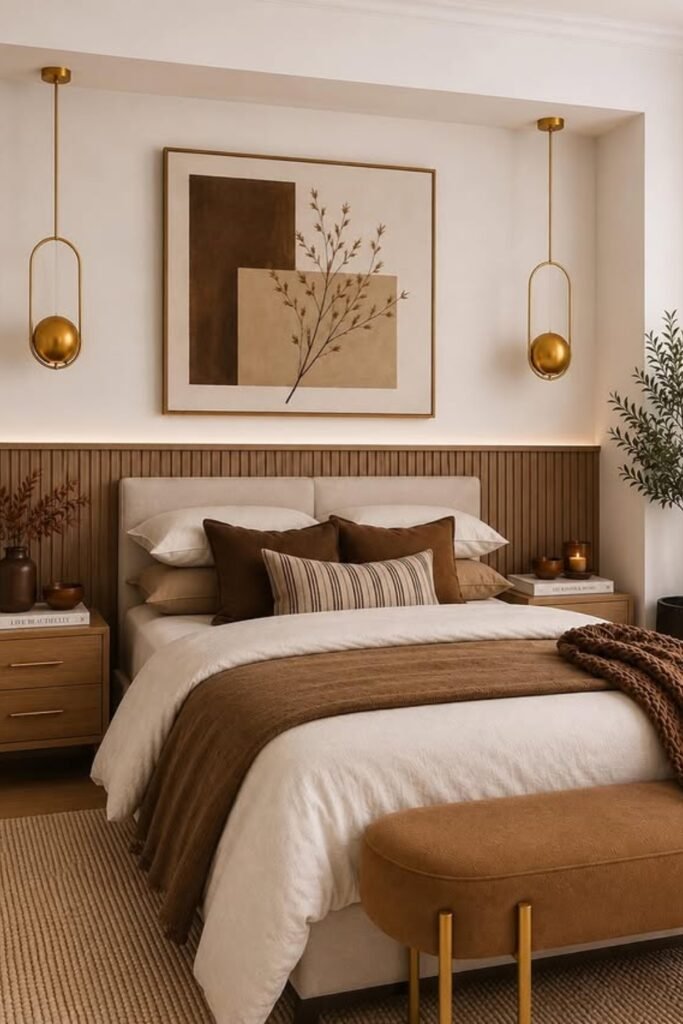
Try to distribute furniture more evenly so the room feels balanced. Even if the space is small, balance helps the eye feel calm.
When one side is too heavy, the room feels smaller than it is. When it is balanced, the room feels more open and organized.
7. Keep Surfaces Clean
Even if your furniture layout is good, cluttered surfaces can ruin the feel of the room.
Don’t overload your dresser, nightstand, or shelves with random items. Keep only the essentials you use daily.
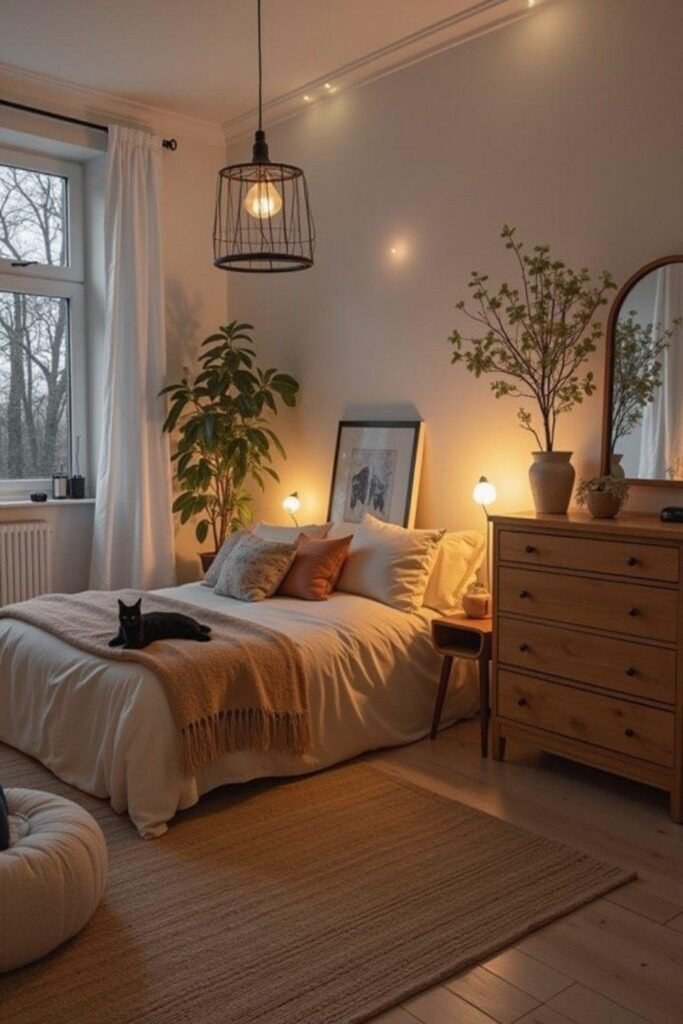
Too many objects create “visual noise,” which makes your brain feel like the room is messy, even if it’s technically clean.
Simple surfaces always make a small room feel calmer and more spacious.
8. Use Mirrors
Mirrors are one of the easiest ways to make a small room feel bigger without moving anything.
Place a mirror where it can reflect natural light or an open part of the room. This creates an illusion of depth and brightness, which makes the space feel larger.
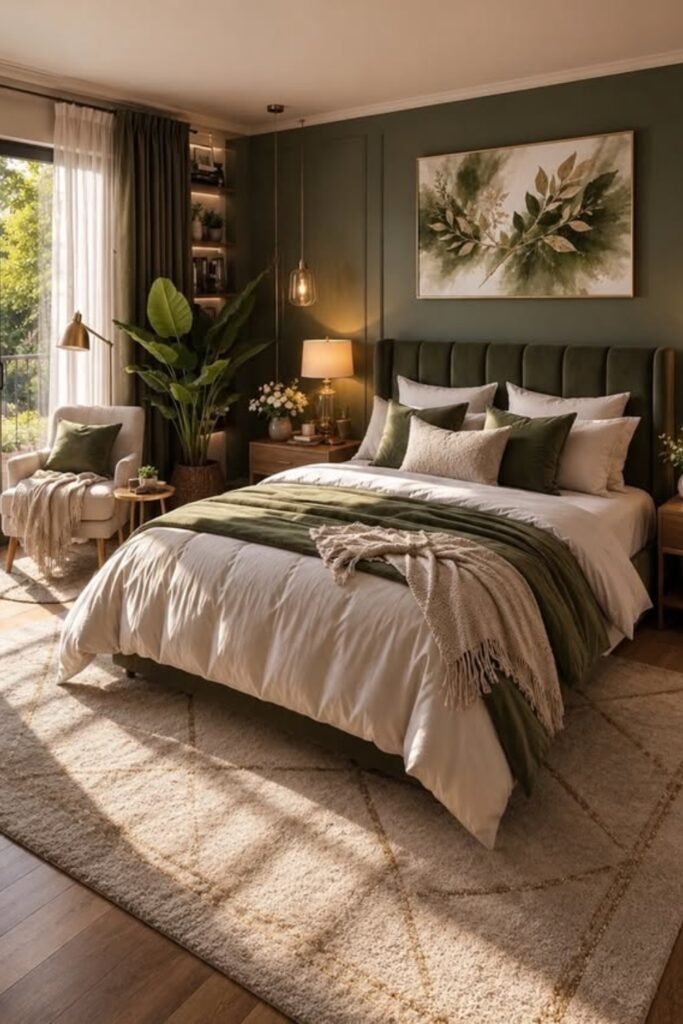
You don’t need anything fancy, just the right placement. A well-placed mirror can completely change how open your room feels.
Why Does my Small Bedroom Still Feel Tight Even After I Rearrange Everything?
You move things around, try different corners, maybe even clean the whole room again—but it still feels cramped.
This usually happens because the problem is not how much furniture you have, it’s how the space is being used.
In most small bedrooms, the issue comes from blocked movement paths, oversized furniture, or too many items placed at eye level, which creates visual clutter.
Even if everything is technically “organized,” the room can still feel heavy and closed in.
Another common reason is imbalance. If one side of the room is overloaded with furniture and the other side is too empty, your brain reads it as cluttered or unfinished space.
Lighting and mirror placement can also affect how open or tight the room feels.
So instead of just shifting furniture randomly, you need to look at flow, balance, and open space.
Once these three things are fixed, the same room starts to feel noticeably bigger and more comfortable.
How Can I Place Furniture in a Small Bedroom so it Feels Open and Easy to Move Around?
The goal in a small bedroom is not to fit everything in, it’s to make sure everything has a clear purpose and place. Start with the bed first, because it decides the entire layout.
Place it in a way that keeps at least one clear walking side so you don’t feel blocked when moving.
Next, make sure your main walking path, from the door to the bed and storage, is completely clear.
Even a narrow but open path can instantly make the room feel less crowded.
Keep large furniture like wardrobes and dressers against the walls so the center of the room stays open. This creates breathing space and improves movement naturally.
If possible, use vertical storage instead of spreading things across the floor. And avoid placing too many small items on surfaces like tables and shelves, because that creates visual clutter.
When you focus on flow instead of just fitting furniture, even a small room starts to feel more open, balanced, and easy to live in.
Conclusion
A small bedroom doesn’t feel tight because of its size, it feels tight because of how the space is used.
When furniture is placed without a clear flow, when walking paths are blocked, or when too many things sit in the wrong spots, the room naturally starts to feel crowded.
But once you fix the basics, like placing the bed correctly, keeping movement areas open, using walls for storage, and reducing visual clutter, the same room starts to feel completely different.
It feels lighter, easier to move in, and more comfortable to spend time in.
You don’t need more space to improve your bedroom. You just need a smarter layout that works with the space you already have.
You may like to read!
