
How to Choose a Headboard
Choosing a headboard sounds simple until you actually start looking for one.
Suddenly you’re stuck between too many styles, sizes that don’t feel right, and materials you’re not even sure about.
And the worst part? You start worrying if whatever you pick will actually look good in your bedroom or end up being a mistake you regret.
Most people don’t struggle because they don’t like headboards. They struggle because they don’t know what actually matters when choosing one.
Should you focus on comfort or style? Does size matter more than design?
Will a trendy piece still look good after a few years? These questions make the whole process confusing and honestly a bit stressful.
The truth is, a headboard is not just another piece of furniture. It changes how your bed looks, how your room feels, and even how complete your space feels when you walk in.
But the good news is, once you know what to look at first and what to avoid, the decision becomes much easier.
In this article, we’ll break it down in a simple way so you can stop guessing and actually choose a headboard that fits your room, your comfort, and your style.
Let’s jump in!
What Is The Simplest Way To Avoid Choosing The Wrong Headboard?
The simplest way to avoid choosing the wrong headboard is to follow one clear order instead of getting lost in looks first.
Most people make mistakes because they start with style or what looks good online, not what actually fits their room.
Start with size. If the headboard doesn’t match your bed properly, nothing else will look right. Next, look at your room space.
A small room needs a simple design, while a large room can handle something bigger or more detailed. This alone eliminates a lot of bad choices.
Then think about how you use your bed. If you sit up often, comfort matters, so an upholstered headboard makes more sense.
If your bed is mostly for sleeping, a simple wooden or metal option is enough.
After that, match the style with your room, not trends. Trends change fast, but your room needs something that feels natural every day.
Check if the design still feels right in the long run. If you can imagine it working even after a few years and small room changes, it’s a safe choice.
When you follow this simple order, size, room, use, style, and long-term feel, you stop overthinking. You’re no longer picking based on confusion.
You’re choosing based on logic that actually works in real bedrooms.
8 Ways to Choose a Headboard
Following are the 8 ways to choose a headboard.
1. Start with the Size of Your Bed
The first thing you need to get right is the size. If your headboard doesn’t match your bed frame, everything else will look off no matter how stylish it is.
A queen bed needs a queen headboard, a king bed needs a king one. Simple as that. Don’t try to “adjust” sizes just because something looks good online.
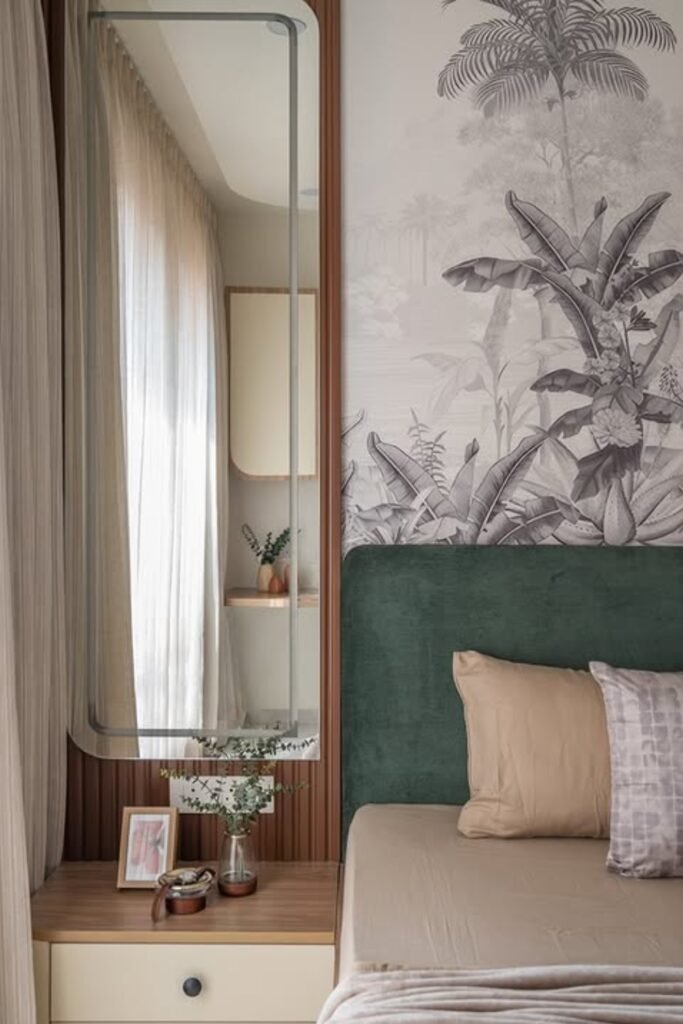
Also think about width and height together. A very wide or very tall headboard on a small bed can overpower the whole room.
On the other hand, a small headboard on a large bed looks unfinished. When the size is right, everything else becomes easier to decide.
2. Match the Headboard With Your Room Size
Your room size decides how bold or simple your headboard should be. In a small bedroom, a bulky or very tall headboard can make the space feel tight and heavy.
In that case, go for a simple, clean design.

If you have a large bedroom, you have more freedom. You can go for taller, padded, or more detailed designs without worrying about crowding the space.
The goal is balance. The headboard should feel like it belongs in the room, not like it’s taking over the room.
3. Choose the Right Material for Your Lifestyle
Material is not just about looks, it’s about daily use. If you like sitting in bed to read or use your phone, an upholstered headboard is more comfortable.
It gives you soft support. Wooden headboards feel solid, classic, and are easy to maintain.
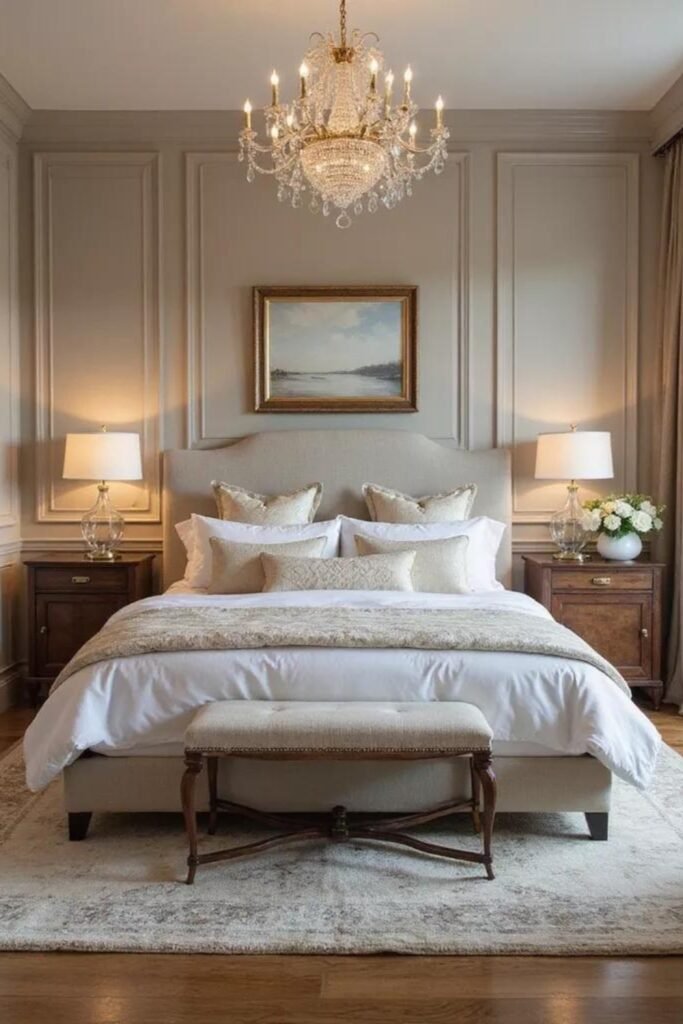
Metal headboards are lighter, simple, and often fit minimalist or industrial rooms.
Think about cleaning, comfort, and how often you actually touch or lean on your bed before choosing.
4. Decide Based on Comfort
A lot of people choose headboards only based on how they look. But comfort matters more than you think.
If you never sit up in bed, comfort may not be a big issue. But if you read, watch TV, or use your phone in bed, a hard surface will quickly become annoying.
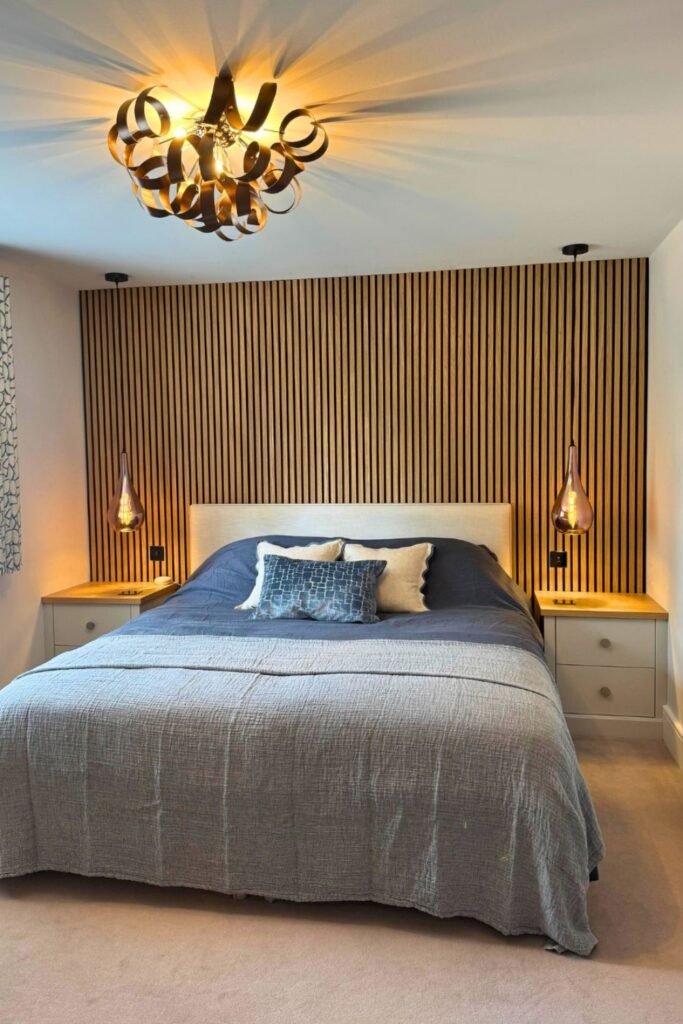
In that case, go for padded or upholstered designs. They support your back and make your bed more usable, not just pretty.
5. Match the Style With Your Bedroom Mood
Your headboard should fit the overall feeling of your room. If your bedroom is modern and clean, go for simple lines and neutral colors.
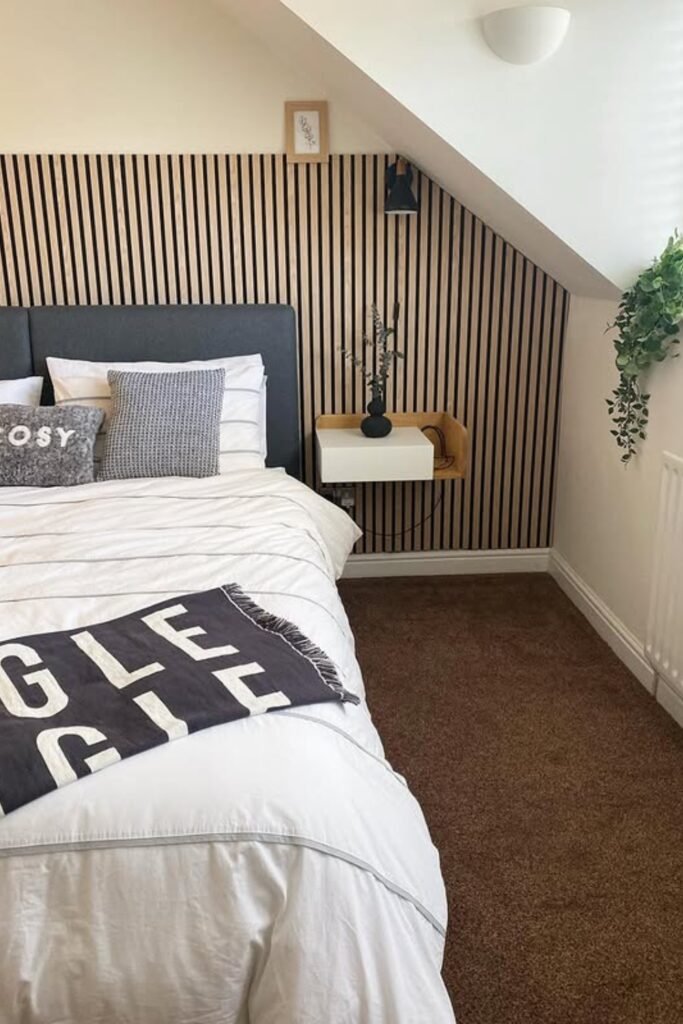
If it’s cozy, soft fabrics and warm tones work better. For a more classic room, wooden or detailed designs make sense.
Don’t just follow trends. A trendy headboard that doesn’t match your room will always feel out of place, no matter how expensive it is.
6. Pay Attention to Headboard Height
Height changes how your bed looks more than people realize. A very low headboard can make your bed look incomplete.
A very tall one can overwhelm the wall and make the room feel smaller.
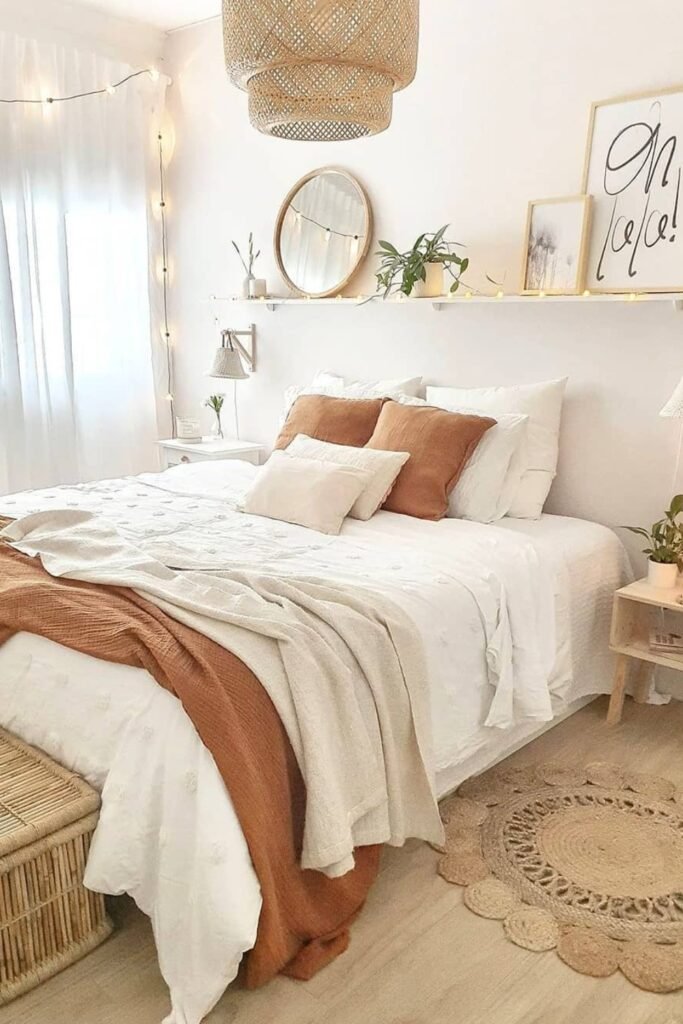
A good rule is to keep it balanced with your wall height and bed position.
Step back and imagine how it looks from a distance. It should feel natural, not forced or oversized.
7. Choose Colors that Stay Flexible
Color is something people often get wrong. Bright or bold colors can look good in photos but are harder to match later if you change bedding or decor.
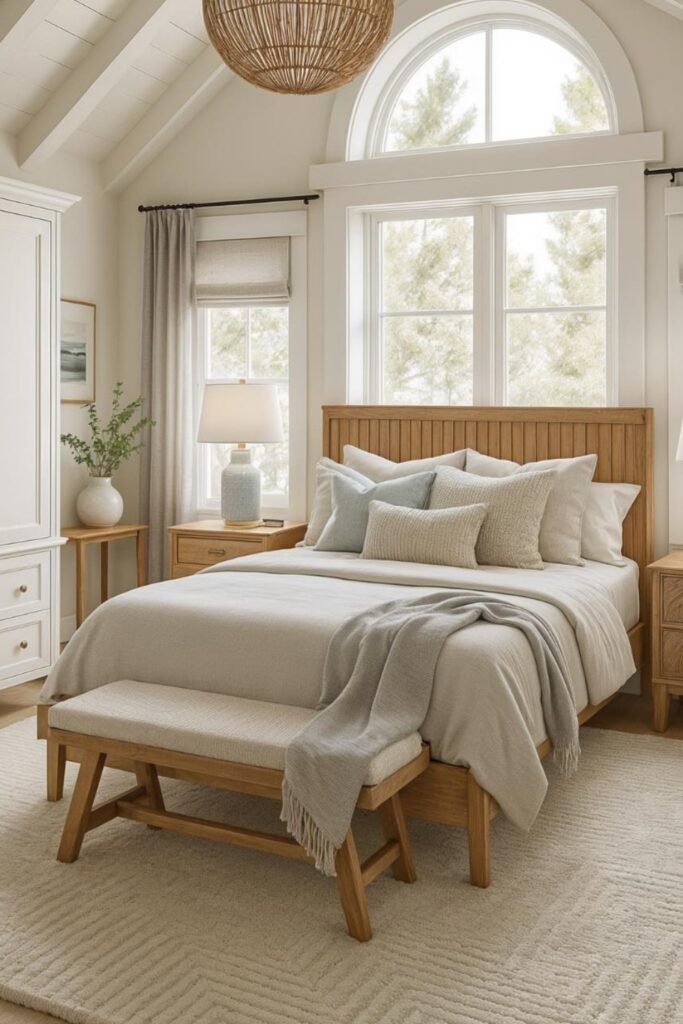
Neutral colors like beige, grey, white, or natural wood tones are safer. They stay flexible and work with most bedroom styles.
If you want a bold color, make sure your room already supports it.
8. Think Long-Term Before Buying
A headboard is not something you change often, so don’t choose just for the moment. Think about how it will look in a few years.

Will it still match your room if you change bedding or paint the walls?
Go for something simple, balanced, and timeless. A good headboard should not feel “trendy for now” but should feel right even after years of use.
What Makes A Headboard Look Right In One Bedroom But Completely Wrong In Another?
A headboard doesn’t work the same way in every room, and that’s where most people get confused.
The same design can look perfect in one bedroom and totally out of place in another just because the space, lighting, and furniture around it are different.
If your room is small and you add a heavy or oversized headboard, it starts to feel crowded.
But if the room is large and empty, a very simple or small headboard can look lost and unfinished.
It’s not just about the headboard itself, it’s about how it fits with everything around it.
Wall color also plays a big role. A dark headboard on a dark wall can disappear, while a light one can stand out too much if it doesn’t match anything else in the room.
Even things like bed height and side tables change how balanced it feels.
That’s why there’s no single “perfect” headboard. It only works when it matches the size, layout, and mood of your specific bedroom.
How Do You Choose A Headboard That Still Feels Good Years After You Buy It?
Most people pick a headboard based on what looks good right now, but the real challenge is how it feels after a few years.
Styles change, room setups change, and your taste also slowly shifts. That’s why some headboards start feeling “old” even if they are still in good condition.
If you want something that lasts, avoid designs that are too trendy or overly detailed. Bold patterns, unusual shapes, or very specific styles can quickly feel outdated.
Instead, simple and clean designs usually stay relevant for a longer time.
Material also matters a lot. Upholstered headboards feel comfortable but may need more care over time.
Wooden and neutral-toned designs usually age better because they stay flexible with different bedding, wall colors, and decor changes.
Conclusion
Choosing a headboard isn’t really about picking the “prettiest” option. It’s about finding something that fits your bed, your room, and how you actually live in that space every day.
When you ignore size, room balance, comfort, and long-term use, even a beautiful headboard can start feeling wrong over time.
The easiest way to get it right is to slow down your decision. First look at size, then your room space, then your comfort needs, and finally the style and material.
When you follow this order, you stop guessing and start making a clear choice.
At the end of the day, the right headboard should feel natural in your bedroom. It should make your bed look complete without overpowering the space or creating doubt.
If it feels balanced today and still makes sense years from now, then you’ve made the right choice.
You may like to read!
